Every design is set in hand-lettered vintage type for that old-school, crate-label look. One sample color shown — black and white logo options on every piece. Recently in the national press. Enjoy!
-
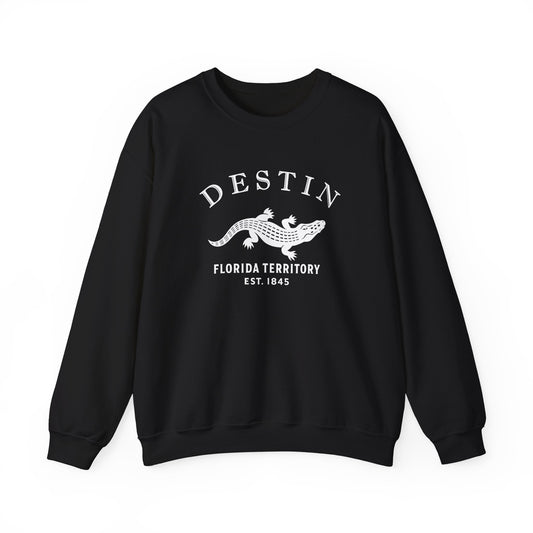
Destin Florida Vintage Retro Premium Crewneck Sweatshirt - Black Logo
Regular price $48.00 USDRegular price -
Destin Florida Vintage Retro Premium Crewneck Sweatshirt - White Logo
Regular price $48.00 USDRegular price -
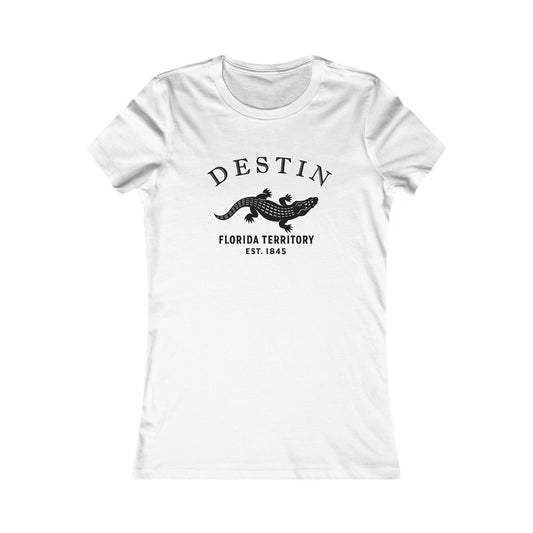
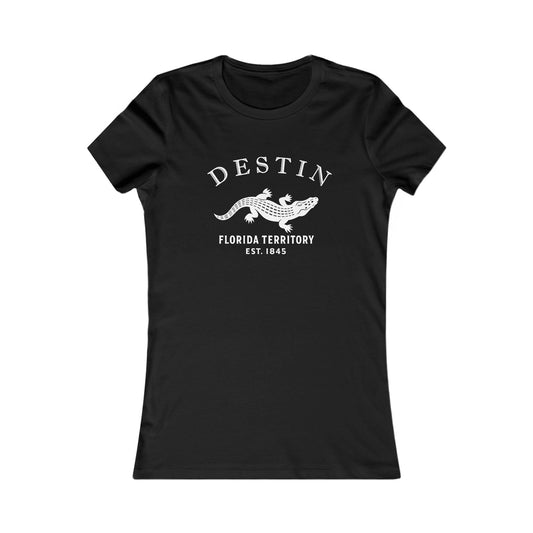
Destin Florida Vintage Retro Womens Fitted Ringspun Cotton Tee - Black Logo
Regular price $28.00 USDRegular price -
-
Destin Florida Vintage Retro Embroidered Cotton Cap - Black Logo
Regular price $32.00 USDRegular price -
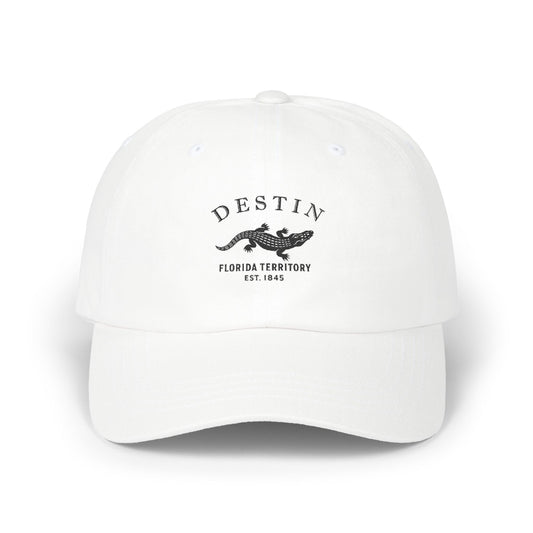
Destin Florida Vintage Retro Embroidered Cotton Cap - White Logo
Regular price $32.00 USDRegular price -
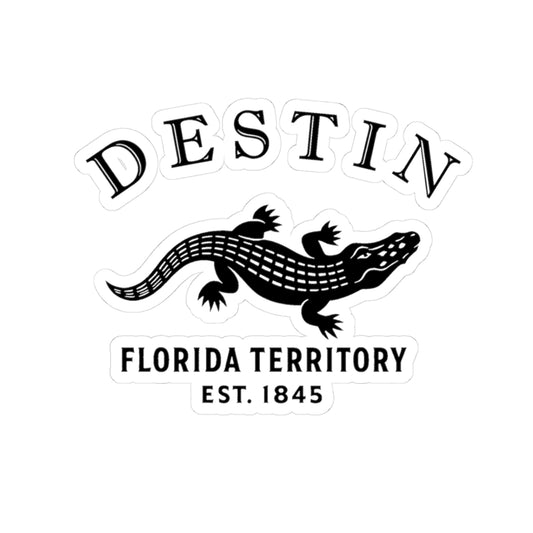
Destin Florida Vintage Retro Vinyl Sticker - Black Logo
Regular price From $6.00 USDRegular price -
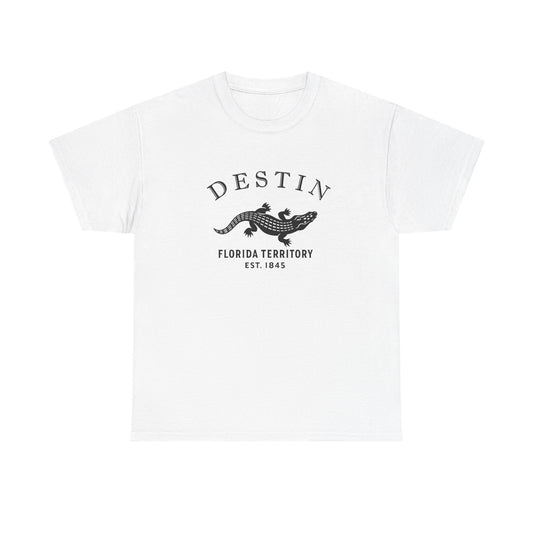
Destin Florida Vintage Retro Unisex Heavy Cotton Tee - Black Logo
Regular price $22.00 USDRegular price -
Destin Florida Vintage Retro Unisex Heavy Cotton Tee - White Logo
Regular price $22.00 USDRegular price -
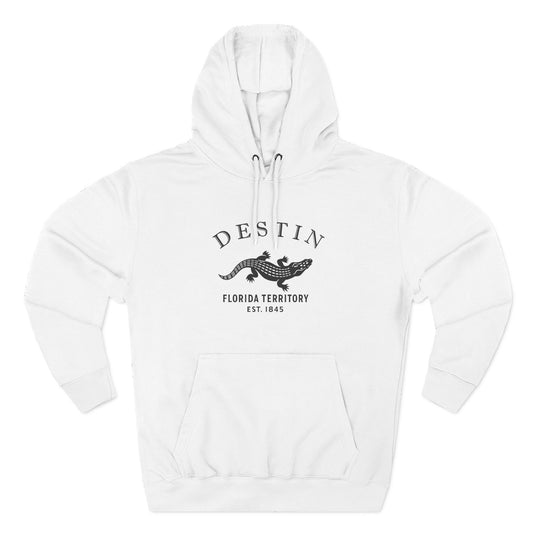
Destin Florida Vintage Retro Unisex Heavy Cotton Hoodie - Black Logo
Regular price $56.00 USDRegular price -
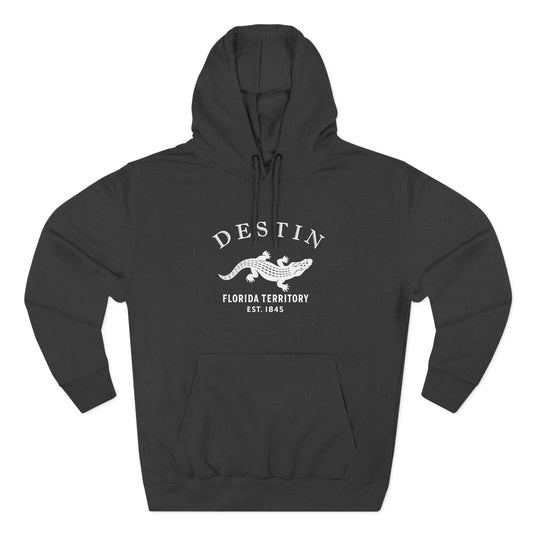
Destin Florida Vintage Retro Unisex Heavy Cotton Hoodie - White Logo
Regular price $56.00 USDRegular price -
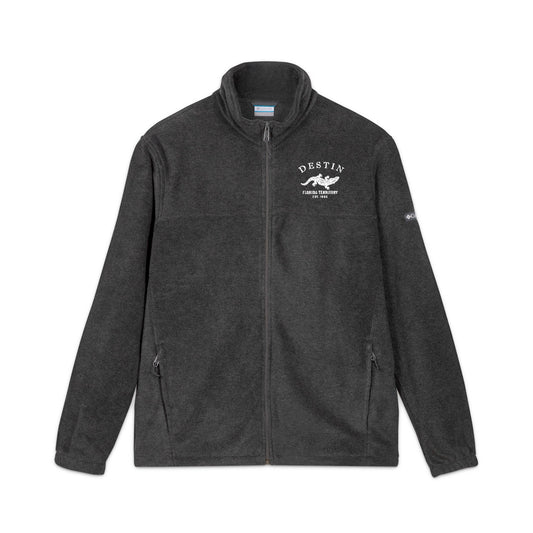
Destin Florida Vintage Retro Unisex Embroidered Fleece Jacket - White Logo
Regular price $98.00 USDRegular price -
Destin Florida Vintage Retro Back Printed Art Series Cotton Tee - Black Logo
Regular price $32.00 USDRegular price -
Destin Florida Vintage Retro Giclée Print Art Series Poster
Regular price From $38.00 USDRegular price -
Destin Florida Vintage Retro Ceramic Mug - Black Logo
Regular price From $16.00 USDRegular price -
Destin Florida Vintage Retro Cotton Canvas Tote Bag - White Logo
Regular price $25.00 USDRegular price -
Destin Florida Vintage Retro Cotton Canvas Tote Bag - Black Logo
Regular price $25.00 USDRegular price -
Destin Florida Vintage Retro Thank You Card Set - Black Logo
Regular price From $25.00 USDRegular price -
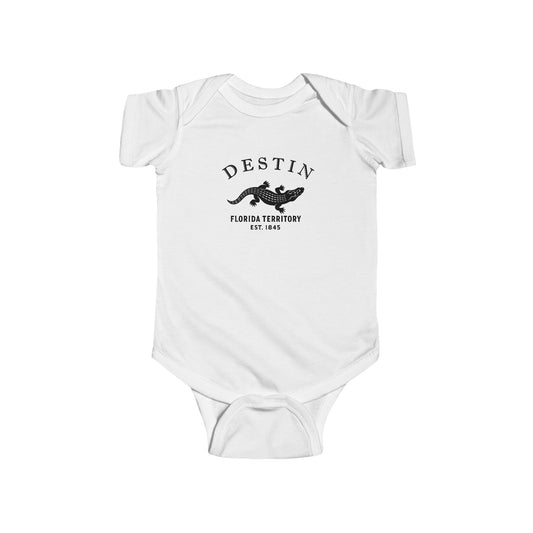
Destin Florida Vintage Retro Cotton Jersey Baby Bodysuit - Black Logo
Regular price $26.00 USDRegular price -
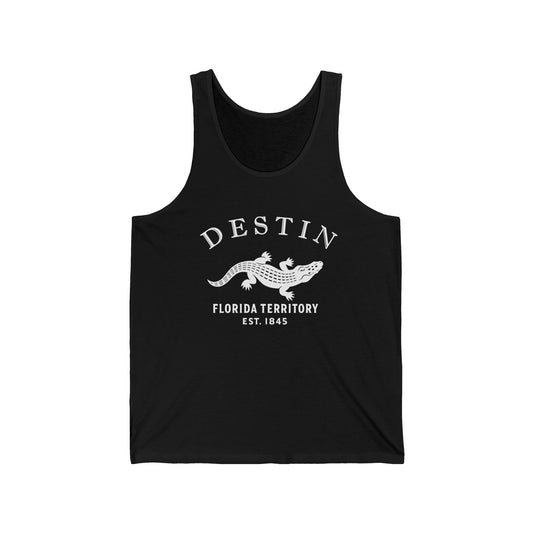
Destin Florida Vintage Retro Unisex Cotton Jersey Tank Top - White Logo
Regular price $28.00 USDRegular price -
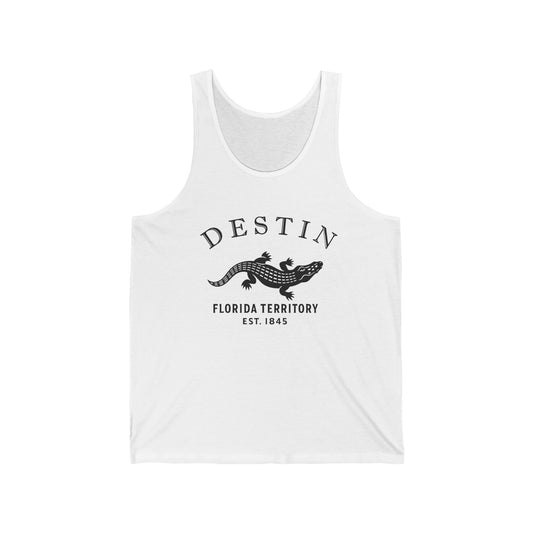
Destin Florida Vintage Retro Unisex Cotton Jersey Tank Top - Black Logo
Regular price $28.00 USDRegular price -
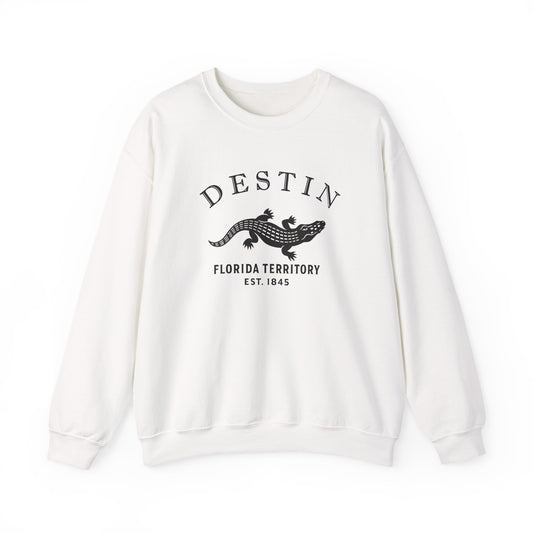
Destin Florida Vintage Retro Unisex Heavy Crewneck Sweatshirt - Black Logo
Regular price $44.00 USDRegular price -
Destin Florida Vintage Retro Unisex Heavy Crewneck Sweatshirt - White Logo
Regular price $44.00 USDRegular price -
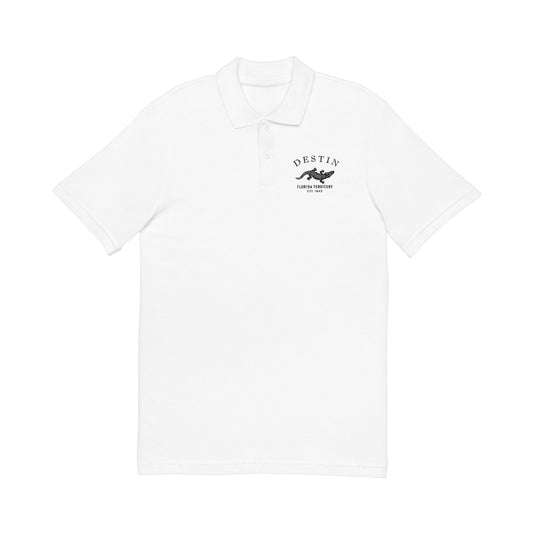
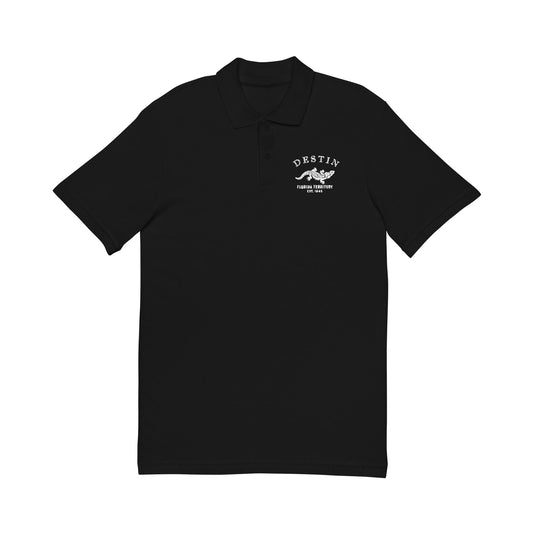
Destin Florida Vintage Retro Unisex Embroidered Cotton Polo - Black Logo
Regular price $48.00 USDRegular price






Destin Florida — Retro Vintage History
What's with the World's Luckiest Fishing Village? It is not a slogan a marketing office dreamed up — it is something a Florida governor said out loud, and it stuck. In 1956, Gov. LeRoy Collins stopped at the Destin docks on his way through the Panhandle, climbed aboard a charter for a few minutes of publicity photos, and against the odds hauled in a king mackerel almost before the boat had cleared the pass. When reporters teased him about it afterward, he shrugged: out of Destin, he said, the fish practically come to you — the world's luckiest fishing village. The name has stayed on the welcome sign ever since. The luck, though, is really geography: the 100-fathom edge of the continental shelf swings closer to Destin than to anywhere else in Florida, so the deep water — and the big fish — sit barely twenty miles off the harbor.
Wear the HistoryThe captain who started it all was not a Floridian at all. Leonard Destin came from New London, Connecticut, out of a family of whalers and deep-water fishermen, and he learned the Gulf the hard way — a hurricane off Florida's Atlantic coast in 1835 capsized his father's schooner and drowned both his father and his brother while Leonard, barely twenty, clung to wreckage until a passing ship found him. He kept fishing anyway. By the early 1850s he had settled for good on Moreno Point, at the calm pass where the Gulf of Mexico meets Choctawhatchee Bay, married, and built a New England-style cottage and a commercial fishery that shipped its catch to Pensacola. The little settlement was called East Pass at first; only later did it take the name of the captain who would not leave, and he is buried there still, having died in 1884.

For most of a century Destin stayed exactly what Leonard built: a working fishing village, reachable only by boat, its families running nets and hand-lines for mullet, snapper, and grouper. Everything changed when the East Pass was finally bridged in the 1930s and a road reached the village. Vacationers found the white sand and the impossible green water, and the same fleet that had carried fish to market began carrying anglers out to the reefs instead. The Destin Fishing Rodeo started in 1948 as a way to keep the town busy through the slow season, and it never stopped — a month-long tournament every October, now one of the longest-running fishing events in the country.
What kept the rodeo honest was the fishing itself. Destin sits on the fastest deep-water access on the Gulf — that 100-fathom shelf only twenty-odd miles out — and over the years it grew one of the nation's largest charter fishing fleets, the boats lined bow to stern along Destin Harbor. Billfish, grouper, amberjack, king mackerel, tuna: the variety is the draw, and the harbor's weigh-ins during Rodeo month still pull crowds to the docks. The fish are the legend, but the fleet is the working heart of the town, and the charter captains are its keepers.
Then there is the water everyone photographs. The sand at Destin is almost pure Appalachian quartz, washed down the rivers over millions of years and ground to a fine sugar white; against it the Gulf turns the clear, lit-from-within green that gave the whole shoreline its name. A Fort Walton Beach junior-high student named Andrew Dier won a fifty-dollar contest in 1983 for coining "the Emerald Coast," and the name has described this stretch of Panhandle ever since. Out in Choctawhatchee Bay, a submerged sandbar called Crab Island turns waist-deep and turquoise in summer, a floating gathering place of boats, music, and vendors; on the Gulf side, Henderson Beach State Park keeps a run of the original dunes the way the coast looked before the towers.
Destin did not even become a city until 1984 — late for a town with such a long story — by which time the condominium towers were already rising along the Gulf shore. It has been balancing the two halves of itself ever since: the working harbor and the resort, the charter captain and the vacationer, and mostly managing to keep both. The Destin History & Fishing Museum, a block off Highway 98, holds the old wooden boats and the founding story, so the fishing village is never far beneath the surface of the beach town.
Our Destin logo carries the Florida alligator above 'Florida Territory — Est. 1845,' the shared retro emblem of our Florida towns; the gator stands for the wild Gulf country at the state's edge, and 1845 marks the year Florida became a state. Rendered distressed in black-and-white, like a crate stamp or an outfitter's brand, it ties Destin to every other Florida town we make. What makes this one Destin is the town behind the brand — the Connecticut captain, the luckiest fishing village, and the emerald water.
So Destin gathers a Connecticut captain's fishing village, a governor's offhand boast, and the greenest water on the Gulf onto one bright stretch of the Emerald Coast. Our Destin designs gather that into wearable form. Wear the history. The World's Luckiest Fishing Village — Destin, Florida.

Destin, Florida — Travel Guide
Visiting Destin Today
Destin sits on Moreno Point, where the East Pass links the Gulf of Mexico to Choctawhatchee Bay — a working charter harbor on one side and miles of sugar-white beach on the other. The fishing fleet, HarborWalk Village, the state park, and Crab Island are all within a few minutes of one another, which makes the town an easy base for the central Emerald Coast.
The Harbor, the Beaches & the Fishing Village
For visitors looking for things to do in Destin, Florida:
- Walk the Destin Harbor Boardwalk at HarborWalk Village for the charter fleet, the shops, and the Rodeo weigh-ins.
- See the old wooden boats and the founding story at the Destin History & Fishing Museum.
- Spend a summer day at Crab Island, the submerged sandbar in Choctawhatchee Bay.
- Walk the dunes and the wide shoreline at Henderson Beach State Park.
- Book a deep-sea charter for grouper, snapper, amberjack, or king mackerel.
- Take a dolphin cruise, snorkeling trip, or parasail run out of the harbor.
- Catch the Destin Fishing Rodeo if you visit in October.
Why People Visit Destin
Visitors come to Destin for the water — the emerald Gulf, the white sand, and the fishing that earned the town its nickname — and stay for everything around it: the harbor and its charter fleet, Crab Island in summer, the dunes at Henderson Beach, and an easy, sun-warmed pace. It is the natural base for the central Emerald Coast, lively along the boardwalk and quiet out on the sand. Active in every season and welcoming to families, Destin rewards anyone drawn to the Gulf of Mexico and the best fishing on the coast.
Wear the History
Kindred Cities
A warm welcome to visitors from Positano, Italy (benvenuti) and Cancún, Mexico (bienvenidos) — fellow shores of impossibly clear water.
The Emerald Coast is named for the water — a Gulf so green-blue it looks tinted, edged with sugar-white quartz sand — and Positano and Cancún would recognise it at once. Positano has its Tyrrhenian turquoise, Cancún its Caribbean jade; Destin holds its own among the world's brightest coastlines, with a fishing fleet to match.
Chase clear water and Destin delivers: that famous emerald Gulf, white quartz beaches underfoot, and one of the largest charter fishing fleets anywhere for when you want to get out on it. Bring the swimsuit; the colour is real. Come and visit us soon.
When you plan the trip, the Destin-Fort Walton Beach tourism bureau is the place to start.
Wear the History

For deeper reading on the Destin history described here — the founding of the fishing village by Capt. Leonard Destin and his New London, Connecticut roots, the East Pass and Destin Harbor, the Destin Fishing Rodeo and the 'World's Luckiest Fishing Village' nickname, the Emerald Coast and its sugar-quartz beaches, and the city's 1984 incorporation — it may be useful to consult (1) the Destin History & Fishing Museum, (2) the Destin Library and its local-history holdings, (3) the State Archives of Florida and the Florida Historical Commission, (4) the City of Destin clerk's records office, and (5) the Okaloosa County Historical Society. For travel and visitor information, it may be useful to contact (1) the Destin–Fort Walton Beach Convention & Visitors Bureau, (2) the Destin Chamber of Commerce, (3) the City of Destin Parks and Recreation Department, (4) the Florida State Parks office for Henderson Beach State Park, and (5) the Destin–Fort Walton Beach Airport (VPS) information desk.