


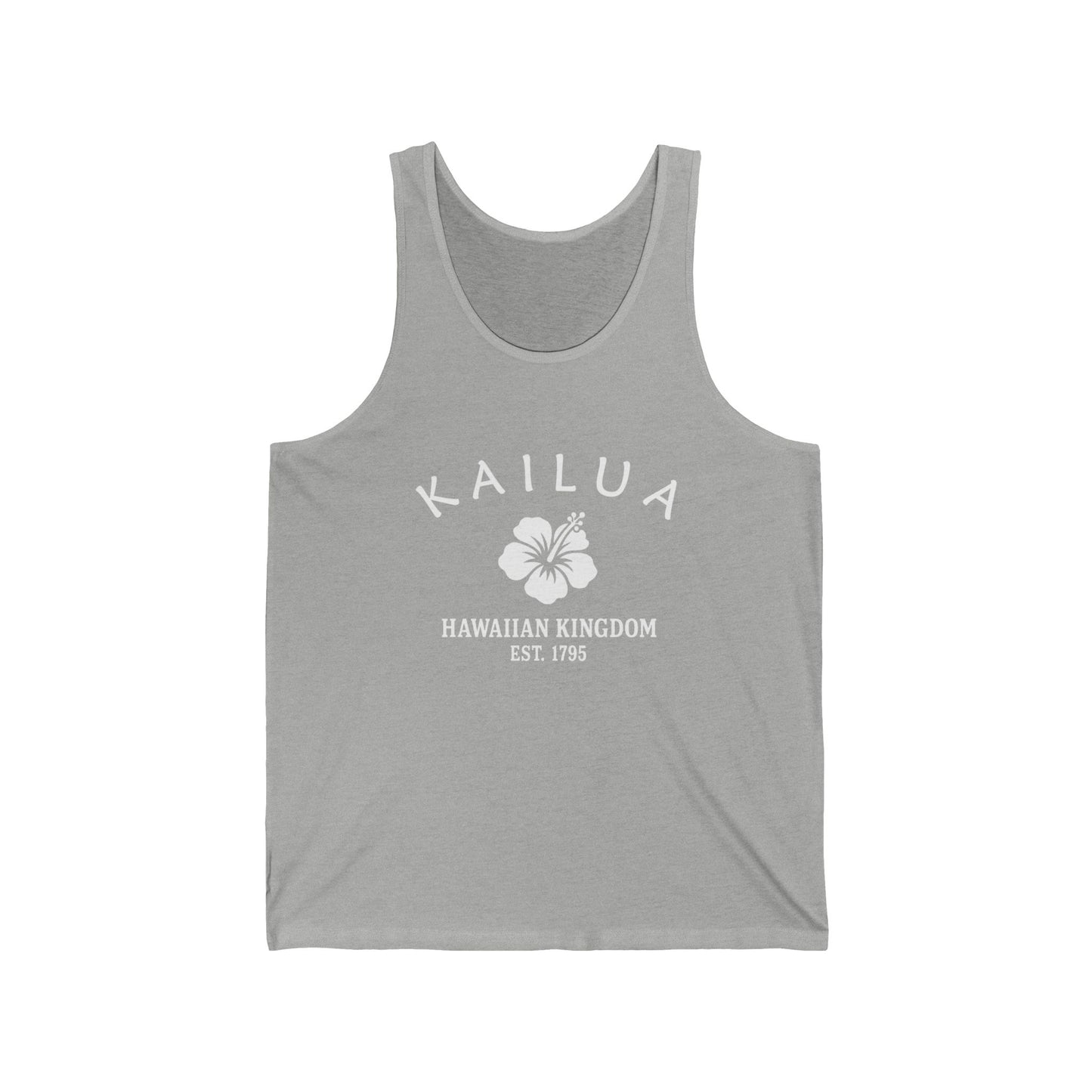
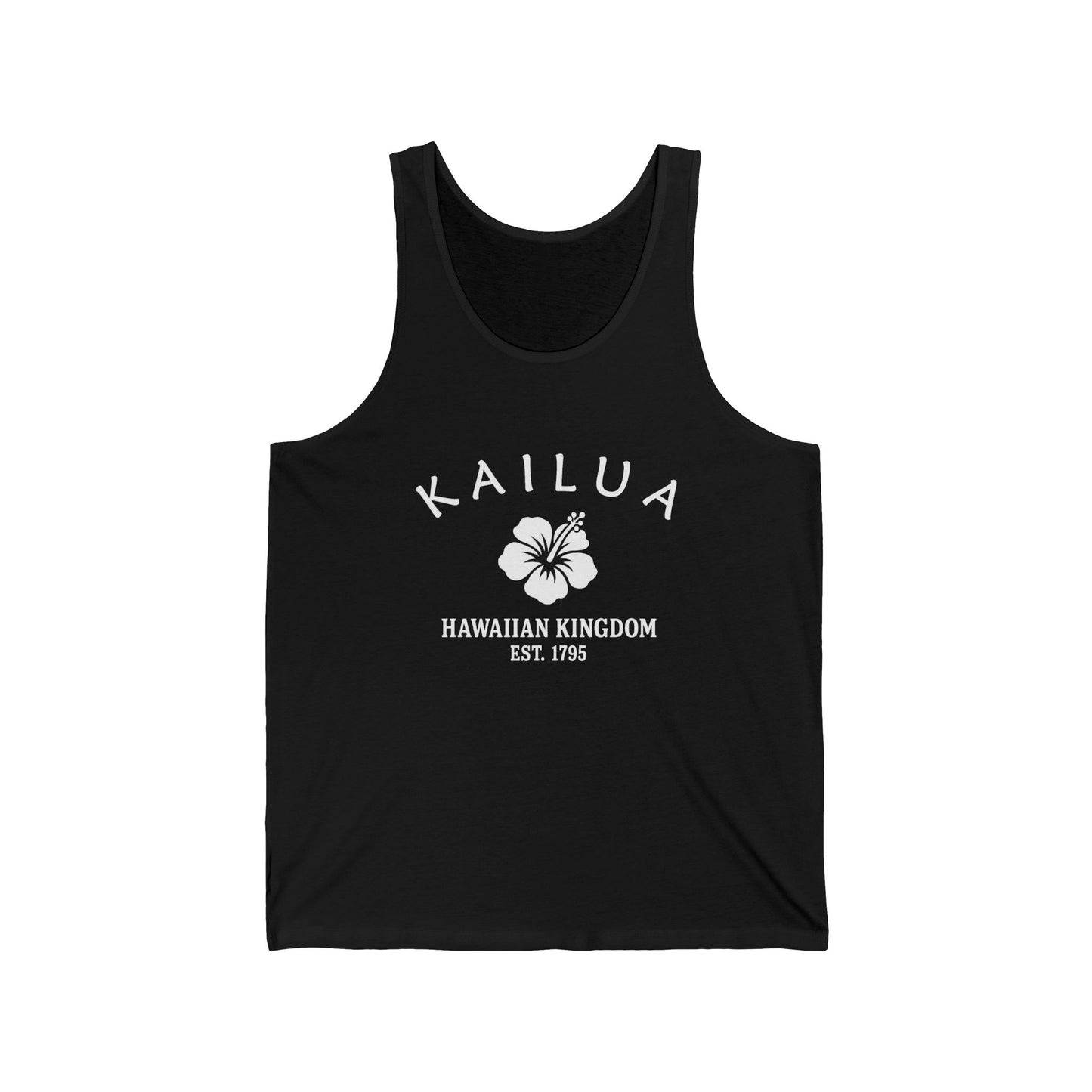
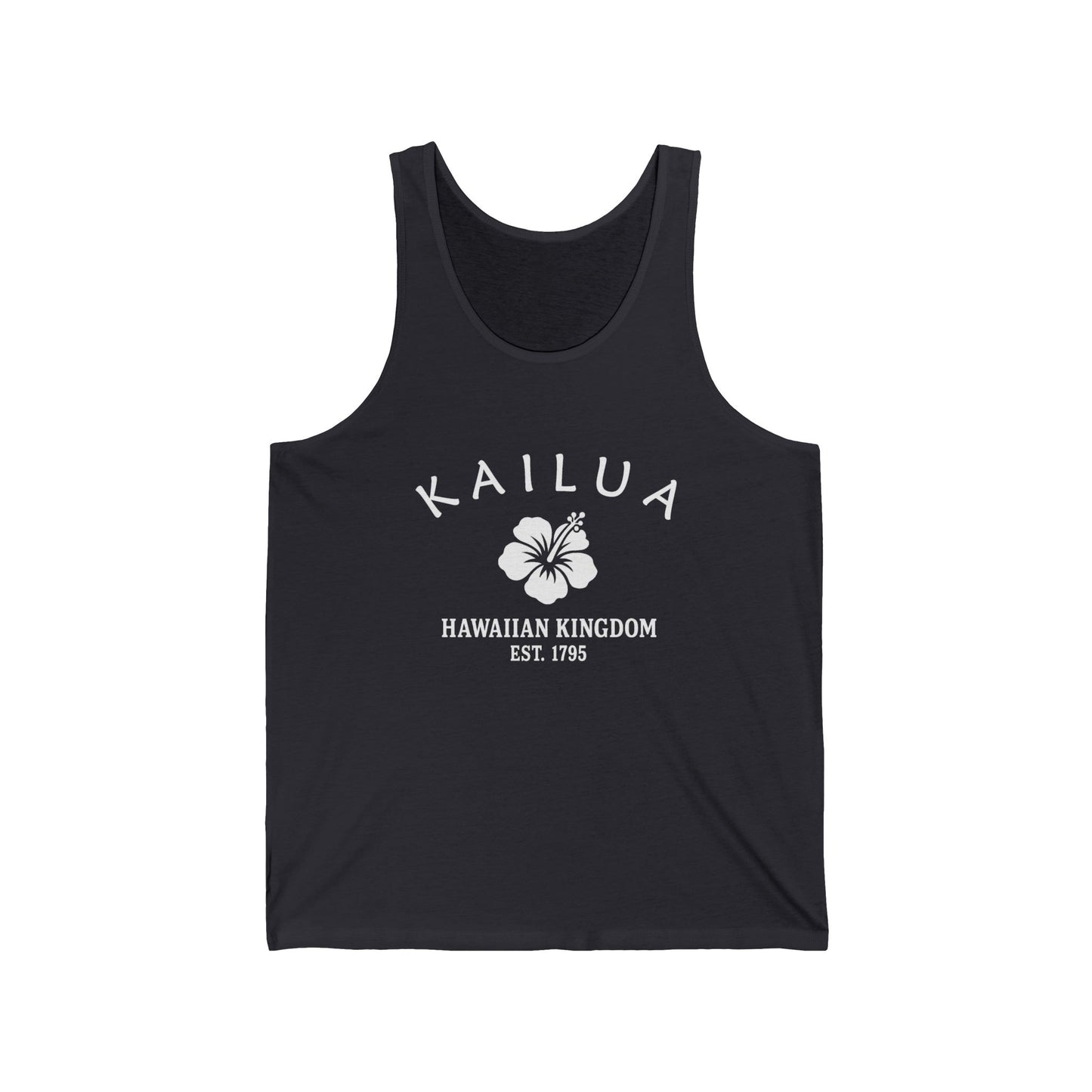
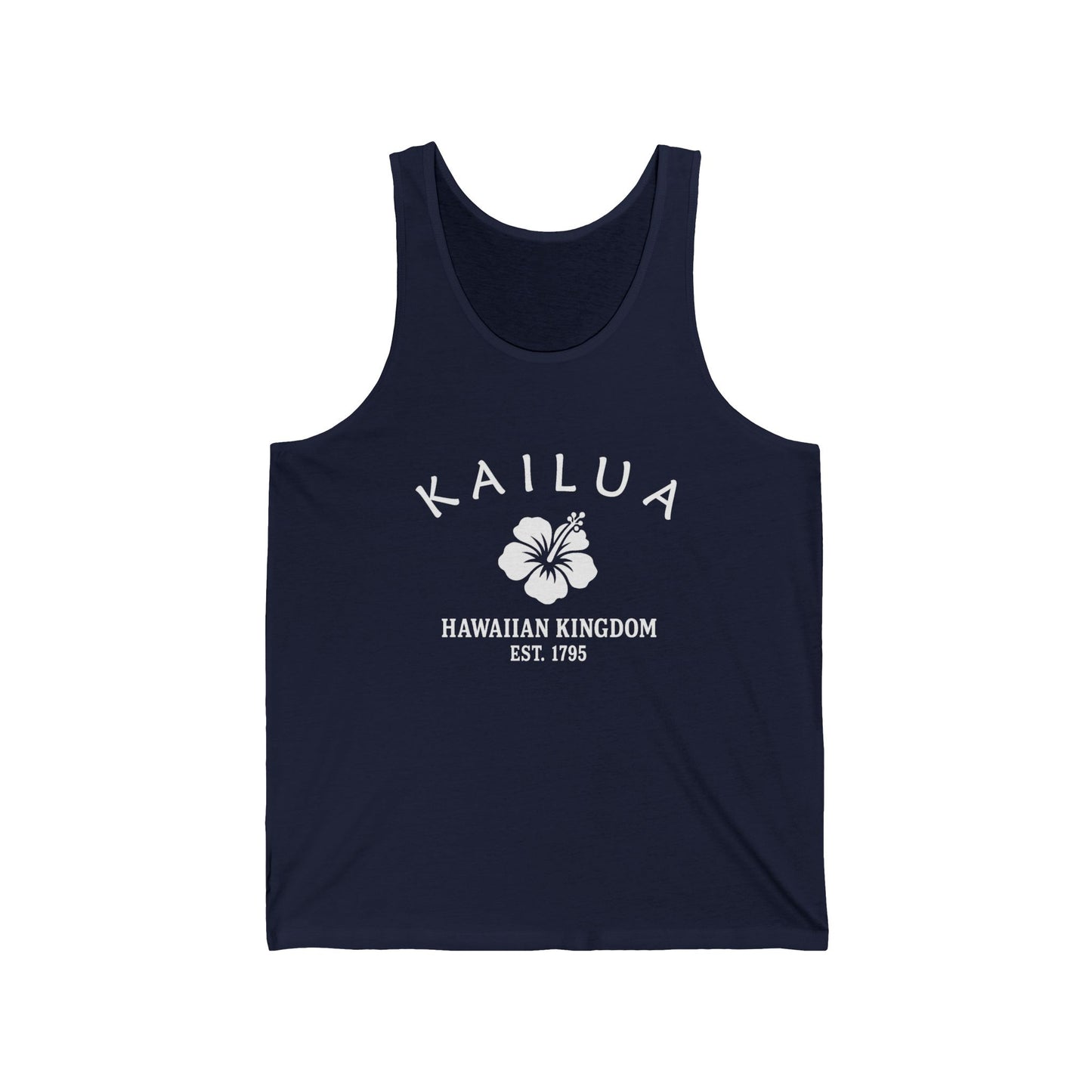
Kailua's name means ‘two seas,’ for the two currents that meet across its broad windward bay, and people have lived along that bay for many centuries. Native Hawaiians settled the fertile lowland behind the beach, farming taro in the wetlands of Kawainui — the largest ancient marsh in the islands — and raising fish in walled coastal ponds. Above the marsh still stands Ulupo Heiau, a massive stone temple platform whose terraces were laid by hand long before Western contact and are preserved today as a state monument. This was rich, settled country: water, fishponds, taro, and a sheltered bay, all held in by the green wall of the Koʻolau Range that rises sharply behind the town. From the water it is an unmistakable place — a wide blue bay, a green ridge, and a low, fertile plain in between, the kind of setting that draws people and holds them.
Today Kailua is loved for exactly what it has always been: a windward Oʻahu beach town that stayed itself. Its days run on sand and trade winds — paddling out to the Mokes, swimming off Kailua Beach Park, hiking up to the pillboxes, and a walkable town center behind the dunes that never tried to become Waikīkī. Our Kailua designs gather that into wearable form. Wear the windward life. Two seas, one beach town.
Why People Visit Kailua
Kailua blends scenic windward beaches with deep Hawaiian heritage. Visitors come to swim, paddle out to the islands, and hike to a pillbox view, then slow down in a town that stayed local. It is picturesque, approachable, and meaningful to the island families who call it home — natural beauty and everyday culture side by side, with year-round appeal in its parks, paths, and shoreline.
