Every design is set in hand-lettered vintage type for that old-school, crate-label look. One sample color shown — black and white logo options on every piece. Recently in the national press. Enjoy!
-
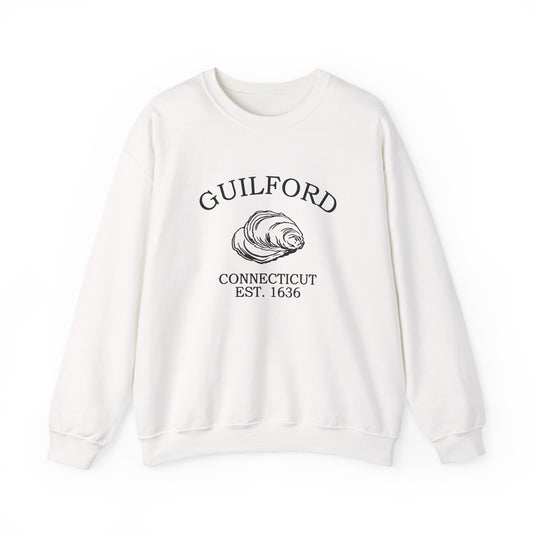
Guilford Connecticut Vintage Retro Premium Crewneck Sweatshirt - Black Logo
Regular price $48.00 USDRegular price -
Guilford Connecticut Vintage Retro Premium Crewneck Sweatshirt - White Logo
Regular price $48.00 USDRegular price -
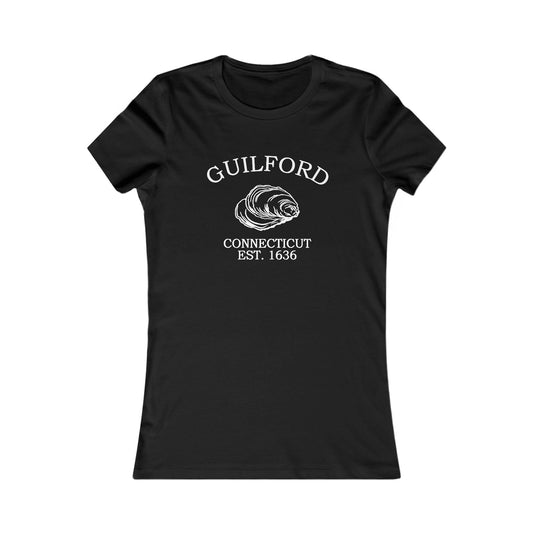
Guilford Connecticut Vintage Retro Womens Fitted Ringspun Cotton Tee - Black Logo
Regular price $28.00 USDRegular price -
Kiss at Still Water - Silhouette Art Giclée Unframed Art Print
Regular price From $34.00 USDRegular price -
Hand on the Mane - Silhouette Art Framed Art Print
Regular price From $96.00 USDRegular price -
Guilford Connecticut Vintage Retro Unisex Embroidered Fleece Jacket - White Logo
Regular price $98.00 USDRegular price -
Guilford Connecticut Vintage Retro Unisex Heavy Cotton Hoodie - Black Logo
Regular price $56.00 USDRegular price -
Companion in Still Water - Silhouette Art Giclée Unframed Art Print
Regular price From $34.00 USDRegular price -
Between Two Hounds Portrait - Silhouette Art Framed Art Print
Regular price From $112.00 USDRegular price -
Guilford Connecticut Vintage Retro Embroidered Cotton Cap - Black Logo
Regular price $32.00 USDRegular price -
Guilford Connecticut Vintage Retro Unisex Heavy Cotton Hoodie - White Logo
Regular price $56.00 USDRegular price -
Kiss at Still Water - Silhouette Art Framed Art Print
Regular price From $96.00 USDRegular price -
Boy and Hound Portrait - Silhouette Art Giclée Unframed Art Print
Regular price From $44.00 USDRegular price -
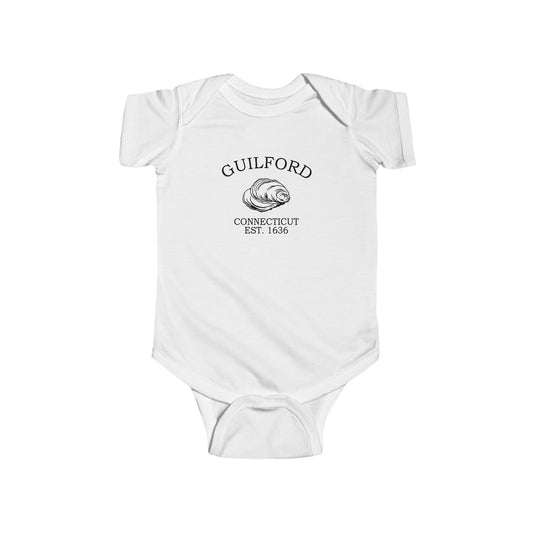
Guilford Connecticut Vintage Retro Cotton Jersey Baby Bodysuit - Black Logo
Regular price $26.00 USDRegular price -
Guilford Connecticut Vintage Retro Unisex Embroidered Cotton Polo - Black Logo
Regular price $48.00 USDRegular price -
Boy and Hound Portrait - Silhouette Art Framed Art Print
Regular price From $112.00 USDRegular price -
Kiss at Low Tide - Silhouette Art Framed Art Print
Regular price From $96.00 USDRegular price -
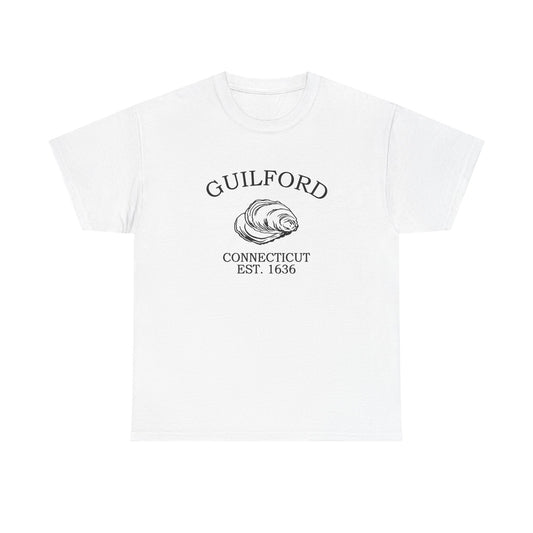
Guilford Connecticut Vintage Retro Unisex Heavy Cotton Tee - Black Logo
Regular price $22.00 USDRegular price -
Between Horse and Hound - Silhouette Art Giclée Unframed Art Print
Regular price From $34.00 USDRegular price -
Between Two Hounds Portrait - Silhouette Art Giclée Unframed Art Print
Regular price From $44.00 USDRegular price -
Guilford Connecticut Vintage Retro Thank You Card Set - Black Logo
Regular price From $25.00 USDRegular price -
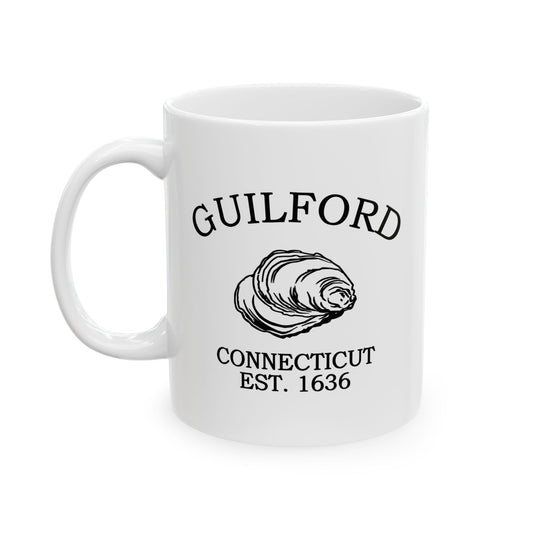
Guilford Connecticut Vintage Retro Ceramic Mug - Black Logo
Regular price From $16.00 USDRegular price -
Horse at Low Tide - Silhouette Art Giclée Unframed Art Print
Regular price From $34.00 USDRegular price -
Companion in Still Water - Silhouette Art Framed Art Print
Regular price From $96.00 USDRegular price -
Guilford Connecticut Vintage Retro Cotton Canvas Tote Bag - White Logo
Regular price $25.00 USDRegular price -
Guilford Connecticut Vintage Retro Vinyl Sticker - Black Logo
Regular price From $6.00 USDRegular price -
Kiss for the Hound - Silhouette Art Giclée Unframed Art Print
Regular price From $34.00 USDRegular price -
Between Horse and Hound - Silhouette Art Framed Art Print
Regular price From $96.00 USDRegular price -
-
Guilford Connecticut Vintage Retro Unisex Cotton Jersey Tank Top - Black Logo
Regular price $28.00 USDRegular price -
Boy and Hound - Silhouette Art Giclée Unframed Art Print
Regular price From $34.00 USDRegular price -
Horse at Low Tide - Silhouette Art Framed Art Print
Regular price From $96.00 USDRegular price -
Guilford Connecticut Vintage Retro Unisex Cotton Jersey Tank Top - White Logo
Regular price $28.00 USDRegular price -
Guilford Connecticut Vintage Retro Unisex Heavy Crewneck Sweatshirt - Black Logo
Regular price $44.00 USDRegular price -
Kiss at Low Tide - Silhouette Art Giclée Unframed Art Print
Regular price From $34.00 USDRegular price




















Guilford Connecticut — Retro Vintage History
What’s with the Stone House? Half a mile south of the Guilford Green stands a house begun in 1639 and finished by the following spring — the oldest house in Connecticut and the oldest stone house in New England. It was built for the town’s founding minister, Reverend Henry Whitfield, and its massive stone walls were meant to work twice: a home, and a fort stout enough to shelter the whole settlement. Before Guilford had a church it held services here; before it had a town hall it held meetings here. In 1899 it opened as the Henry Whitfield State Museum — Connecticut’s first state museum — and it stands today much as the town’s first winter found it: stone, steep-roofed, and permanent.
Wear the HistoryWhere you’re from. Where you love. Where you explored. Where you belong.
Guilford was started with a contract. In the spring of 1639, on shipboard between Surrey and the New England coast, twenty-five Puritan planters signed the Guilford Covenant — how they would govern themselves, divide the land, and build a town — before they had ever seen it. That September they purchased the land from Shaumpishuh, the woman who was sachem of the Menunkatuck band of the Quinnipiac — her people had worked this shore for generations, and like most colonial land deals it was an exchange weighted toward the newcomers; that honesty belongs in the story, as does she. Whitfield himself, like a number of Puritan householders of standing, held enslaved people in his household — part of the record too. The settlers named the town for Guildford in Surrey, and Guilford incorporated in 1718.
QUICK FACTS — GUILFORD, CT
Guilford began with the Guilford Covenant — signed at sea in 1639 by twenty-five Puritan planters before they ever saw the land.
The land was purchased in September 1639 from Shaumpishuh, the woman sachem of the Menunkatuck band of the Quinnipiac.
The Henry Whitfield House, begun 1639, is the oldest house in Connecticut and the oldest stone house in New England.
The Whitfield House opened as a museum in 1899 — the first state museum in Connecticut.
The Guilford Green, laid out in 1639, spans twelve-plus acres — one of the largest village greens in New England, its shape unaltered.
Guilford incorporated as a town in 1718 and was named for Guildford in Surrey, England.
Faulkner’s Light (1802), on Faulkner’s Island three miles offshore, is Connecticut’s second-oldest light tower.
The Guilford Fair has run every September since 1859 — one of Connecticut’s oldest agricultural fairs.
At the center of it all is the Green — laid out in 1639, twelve-plus acres, one of the largest village greens in New England, its shape virtually unaltered in nearly four centuries. The 1829 Congregational church anchors its north end, and the streets around it hold one of the deepest collections of colonial houses in Connecticut: the Hyland House (a museum since 1918), the Thomas Griswold House of about 1764 with its blacksmith shop, and the Medad Stone Tavern of 1803.

Guilford grew as an agricultural town — crops, timber, livestock, and orchards on the inland slopes from the very beginning — with shipbuilding on the tidal rivers in the eighteenth and nineteenth centuries and granite quarried along the Guilford–Branford line late in the 1800s, pink-grey stone from the shoreline ledges shipping out to building projects far beyond Connecticut. The Guilford Fair has run every September since 1859 — one of the oldest agricultural fairs in the state.
The shore completes the picture: Guilford Harbor and its salt marshes between the West River and East Creek, Jacobs Beach on the Sound, Lake Quonnipaug and Bluff Head inland — and three miles offshore, Faulkner’s Light, the 1802 stone tower on Faulkner’s Island that has marked the harbor approach for more than two centuries, the second-oldest light tower in Connecticut.
Guilford’s lore runs to sea-stories — myths of pirate treasure hidden offshore, Revolutionary-era alarms along the shore road, storms tested against stone walls that were built to outlast them. What is not myth is the continuity: a town green trading in the same place since 1639, family orchards still picking every fall, a September fair a century and a half old, and a stone house older than the colony of Connecticut itself.
Our Guilford retro logo uses Connecticut's clam shell motif, the brand-wide shellfish emblem of every Merlin Classics CT shoreline town, symbolizing shoreline abundance and resilience. The clam reflects heritage, while "1636" ties the design to the Connecticut Colony's founding era — Guilford itself was settled three years later in 1639, but the colony-wide "1636" date is the brand-pattern anchor across our Connecticut towns. Its black-and-white styling is retro, resembling oyster crate labels and coastal signage. The motif bridges Guilford's dual identity: colonial farming and shoreline town and modern shoreline community. On merchandise it conveys authenticity, resilience, and pride, retro in tone. The clam shell emblem honors Guilford's layered story, making it a vintage symbol of Connecticut shoreline tradition.
So Guilford gathers a covenant signed at sea, a purchase from a woman sachem whose people came first, the oldest stone house in New England, a green that has held its shape for nearly four hundred years, an 1802 island light, and a fair that never stopped running — and our Guilford designs gather that into wearable form. Whether Guilford is your hometown, your green, your shoreline summers, or the town you still measure others against, wear the history. On the Green since 1639.

Guilford Connecticut — Travel Guide
Visiting Guilford Connecticut Today
Guilford is a Long Island Sound shoreline town in southern Connecticut, about twenty miles east of New Haven on the Boston Post Road, anchored by the twelve-acre Town Green, four First-Period and Federal-era historic-house museums, an offshore lighthouse, and the inland orchards along the rising ground north of Route 1. Spring through early fall is the prime travel window; the September Guilford Fair has run every year since 1859, and the peach and apple seasons at the inland orchards run roughly July through October.
The 1639 Stone House, the Green, and the Shoreline in Guilford
For visitors searching for things to do in Guilford Connecticut:
- Tour the Henry Whitfield House, the 1639 stone house Reverend Henry Whitfield built the year he founded the town — the oldest stone house in New England, the oldest house in Connecticut, and the first house museum in Connecticut, opened in 1899; operated today as the Henry Whitfield State Museum.
- Walk the Guilford Town Green, the twelve-acre village green laid out by the Twenty-Five Planters in 1639 and still surrounded by the white-clapboard houses of their descendants, with the 1830 Greek Revival First Congregational Church along one edge.
- Tour the Hyland House on Boston Street, the early-eighteenth-century house (long dated by tradition to the 1660s) preserved by the Guilford Keeping Society — one of the finest surviving early New England houses on its original site.
- Tour the Thomas Griswold House, the c.1764 colonial house on the road to Madison, with period furnishings and a working blacksmith shop on the grounds.
- Walk past the Medad Stone Tavern (1803), the Federal-era tavern just north of the green that has been maintained as a museum since the 1960s.
- Look offshore for Faulkner's Light, the 1802 stone tower on Faulkner's Island three miles out in the Sound — the second-oldest active lighthouse in Connecticut, with seasonal Saturday boat tours run by the Faulkner's Light Brigade volunteer group.
- Walk the Westwoods Trails, the forty-mile network of forest trails through ledges, kettle holes, glacial erratics, and beaver wetlands inland from the Sound — the largest preserved hiking area on the central Connecticut shoreline.
- Relax at Jacobs Beach, the small Sound-front town beach with a sandy crescent, picnic groves, and views east to the Madison shoreline.
- Visit Lake Quonnipaug for the inland lake views, the picnic area, and the seasonal swimming and fishing.
- Walk the ledgy granite country out toward the Branford town line — quarry territory in the late nineteenth century, when pink-grey stone cut from these shoreline ledges shipped out to building projects across the country.
- Visit Bishop's Orchards just north of the green for pick-your-own peaches in July and August and apples September through October — a continuous family-run orchard since 1871, five generations operating on the same land.
- Time a visit for the Guilford Fair, the September agricultural fair held on the fairgrounds every year since 1859 — one of the oldest continuous fairs in Connecticut.
- Stop at the Guilford Free Library on Park Street for the local-history room and the genealogy collection, the best public starting point for Guilford colonial research.
Why People Visit Guilford Connecticut
Guilford offers the oldest stone house in New England, one of the largest village greens in the country, four historic-house museums in walking distance of each other, an offshore lighthouse, forty miles of inland hiking, century-and-a-half-old family orchards, and a continuously running September fair. Visitors come for the Whitfield House, the green, the Hyland and Griswold houses, the granite shoreline, the apple and peach seasons at the orchards, the fair, and the simple shoreline pleasure of a village that has been holding its center since 1639. It is old, intact, and very Connecticut.
Wear the History
Where you’re from. Where you love. Where you explored. Where you belong.
Kindred Cities
We're glad to welcome visitors from Guildford and Chichester — the old English towns Guilford's founders left behind.
Guilford took its name and its temperament from the south of England. Guildford in Surrey is the market-and-castle town the settlers remembered; Chichester is a walled Roman cathedral city in nearby Sussex. Their New England namesake answers with one of the largest town greens in the region and the Henry Whitfield House — the oldest stone house in New England, standing since 1639. Old-country bones in Connecticut soil.
Guilford will feel familiar to anyone from an old English market town: a vast village green ringed by colonial houses, a shoreline on the Sound, and four centuries of history worn lightly. Come and visit us soon.
When you plan the trip, the Town of Guilford and the Connecticut Office of Tourism are the place to start.
Wear the History
Where you’re from. Where you love. Where you explored. Where you belong.

For deeper reading on Guilford, Connecticut history — the spring 1639 signing of the Guilford Covenant aboard ship; the September 1639 purchase from Shaumpishuh, sachem of the Menunkatuck band of the Quinnipiac; the building of the Henry Whitfield House and its long life as home, meetinghouse, fort, and (since 1899) Connecticut’s first state museum; the laying out of the Green in 1639 and the houses that ring it; the 1718 incorporation; Faulkner’s Light of 1802; the agricultural, shipbuilding, and quarrying economies of the eighteenth and nineteenth centuries; the Westwoods trail country and the shoreline marshes; and the Guilford Fair, running since 1859 — it may be useful to consult the Guilford Free Library’s local history room, the Guilford Keeping Society, the Henry Whitfield State Museum’s publications, and the Connecticut Historical Society. For travel and visitor information, the Town of Guilford and the Connecticut Office of Tourism are the places to start.