Every design is set in hand-lettered vintage type for that old-school, crate-label look. One sample color shown — black and white logo options on every piece. Recently in the national press. Enjoy!
-
Branford Connecticut Vintage Retro Premium Crewneck Sweatshirt - Black Logo
Regular price $48.00 USDRegular price -
Branford Connecticut Vintage Retro Premium Crewneck Sweatshirt - White Logo
Regular price $48.00 USDRegular price -
Branford Connecticut Vintage Retro Embroidered Cotton Cap - White Logo
Regular price $32.00 USDRegular price -
Branford Connecticut Vintage Retro Embroidered Cotton Cap - Black Logo
Regular price $32.00 USDRegular price -
Branford Connecticut Vintage Retro Vinyl Sticker - Black Logo
Regular price From $6.00 USDRegular price -
-
Branford Connecticut Vintage Retro Womens Fitted Ringspun Cotton Tee - Black Logo
Regular price $28.00 USDRegular price -
Branford Connecticut Vintage Retro Unisex Heavy Cotton Hoodie - White Logo
Regular price $56.00 USDRegular price -
Branford Connecticut Vintage Retro Unisex Heavy Cotton Hoodie - Black Logo
Regular price $56.00 USDRegular price -
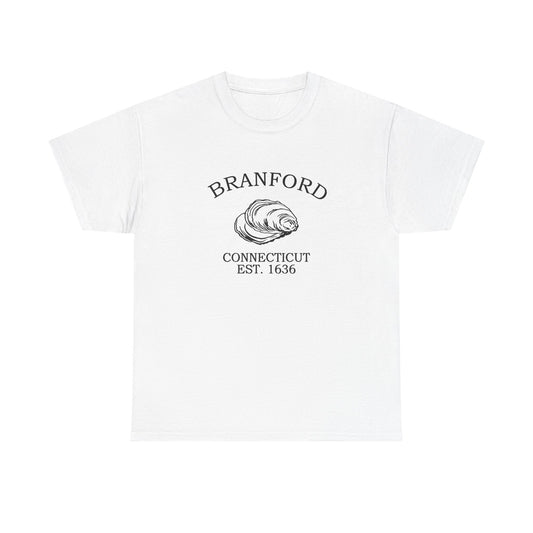
Branford Connecticut Vintage Retro Unisex Heavy Cotton Tee - White Logo
Regular price $22.00 USDRegular price -
Branford Connecticut Vintage Retro Unisex Heavy Cotton Tee - Black Logo
Regular price $22.00 USDRegular price -
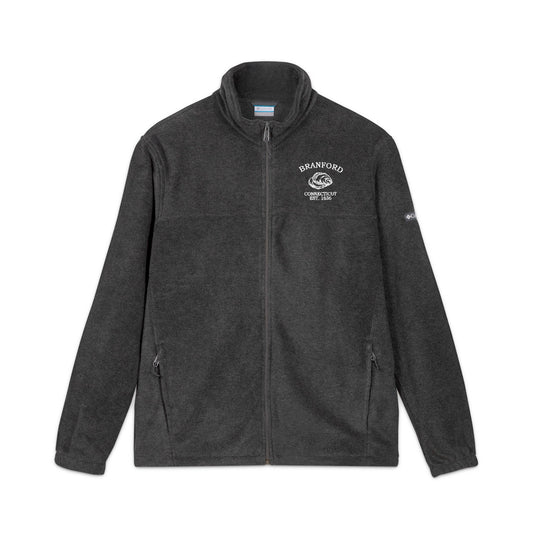
Branford Connecticut Vintage Retro Unisex Embroidered Fleece Jacket - White Logo
Regular price $98.00 USDRegular price -
Branford Connecticut Vintage Retro Ceramic Mug - Black Logo
Regular price From $16.00 USDRegular price -
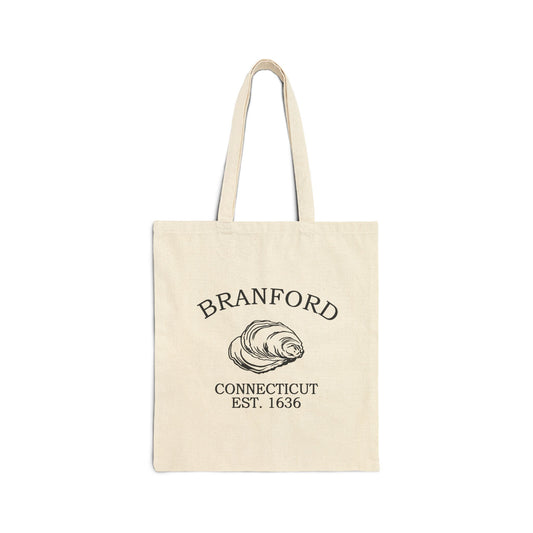
Branford Connecticut Vintage Retro Cotton Canvas Tote Bag - White Logo
Regular price $25.00 USDRegular price -
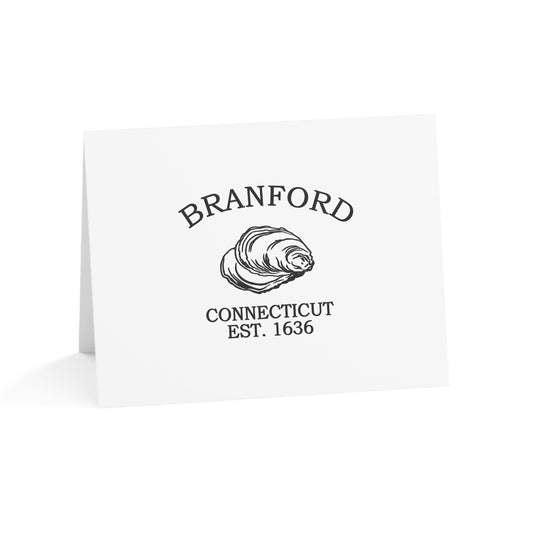
Branford Connecticut Vintage Retro Thank You Card Set - Black Logo
Regular price From $25.00 USDRegular price -
Branford Connecticut Vintage Retro Cotton Canvas Tote Bag - Black Logo
Regular price $25.00 USDRegular price -
Branford Connecticut Vintage Retro Cotton Jersey Baby Bodysuit - Black Logo
Regular price $26.00 USDRegular price -
Branford Connecticut Vintage Retro Unisex Cotton Jersey Tank Top - Black Logo
Regular price $28.00 USDRegular price -
Branford Connecticut Vintage Retro Unisex Cotton Jersey Tank Top - White Logo
Regular price $28.00 USDRegular price -
Branford Connecticut Vintage Retro Back Printed Art Series Cotton Tee - Black Logo
Regular price $32.00 USDRegular price -
Branford Connecticut Vintage Retro Giclée Print Art Series Poster
Regular price From $38.00 USDRegular price -
Branford Connecticut Vintage Retro Unisex Heavy Crewneck Sweatshirt - Black Logo
Regular price $44.00 USDRegular price -
Branford Connecticut Vintage Retro Unisex Heavy Crewneck Sweatshirt - White Logo
Regular price $44.00 USDRegular price -
Branford Connecticut Vintage Retro Unisex Embroidered Cotton Polo - Black Logo
Regular price $48.00 USDRegular price














Branford Connecticut — Retro Vintage History
What's with the Stony Creek granite? In the Branford village of Stony Creek, a quarry has been cutting a distinctive pink-and-grey granite out of the shoreline for more than a hundred and fifty years — and shipping it out by barge to build the country's landmarks. Stony Creek granite went into the Brooklyn Bridge, Grand Central Terminal, Grant's Tomb, the Lincoln Memorial, and the Smithsonian, and by long tradition into the very base of the Statue of Liberty. The quarry is famous for cutting blocks almost no one else can — colossal, seamless pieces of stone. The rock under this little shoreline town is holding up monuments all over America.
Wear the HistoryBranford itself is much older than the quarry. English settlers from Wethersfield laid out the town in 1644, under the New Haven Colony, on land bought from the Mattabesech in 1638; they first called it Totoket and later renamed it for Brentford in England. It sits on Long Island Sound about eight miles east of New Haven, roughly midway between New York and Boston, around the mouth of the Branford River — the only deep harbor between New Haven and New London.

It has a quieter claim to fame, too: Branford calls itself the birthplace of Yale. In 1701, a group of Connecticut ministers gathered at the Branford home of the Reverend Samuel Russell and gave their books ‘for the founding of a college.’ That collegiate school grew into Yale University, and a monument in town marks the spot. It is a small place that helped start a very large institution.
For two centuries Branford lived off the shoreline. Colonists farmed, built wharves and mills, and worked the oyster beds of the Sound; oystering, more than anything, built the early town. When the railroad arrived in 1852 it brought industry — the Branford Lock Works, the Malleable Iron Fittings Company, Atlantic Wire — and it set off the granite boom at Stony Creek, whose quarries opened in the 1840s and peaked in the 1880s. Branford oysters were shipped up and down the coast in those years, and a web of small railroads and granite wharves ran right out to the water's edge to load the cut stone onto barges bound for the harbors of New York.
The granite years made Stony Creek. Quarry workers came from Italy, Sweden, Ireland, Germany, and Finland to cut the stone, and the village around them filled with Victorian cottages and summer hotels. Offshore lay its loveliest asset: the Thimble Islands, a scatter of glacial pink-granite islets — some 365 of them — first set down in Branford's town records in 1739, said to be named for the thimbleberry. Stony Creek even raised its own fife-and-drum tradition, going back to 1886.
The islands carry the town's best story. By long local legend, the privateer Captain William Kidd hid gold among the Thimbles before his capture in 1701 — names like Money Island and Kidd's Cove still nod to the tale, though no treasure has ever turned up. Most of the islets are private homes now, their cottages perched on bare pink rock, and the best way to see them is from one of the tour boats that thread out of Stony Creek harbor on a summer afternoon.
Back on the mainland, Branford kept its handsome shoreline-town bones. The James Blackstone Memorial Library, a domed white-marble landmark, has stood on the Town Green since 1896; the Shore Line Trolley still runs historic streetcars between East Haven and Branford on the oldest continuously operating suburban trolley line in the world; and the Green, the old churches, and the Branford Festival keep the center lively. Today it is a shoreline suburb with a working harbor, island tours, and a few craft breweries to boot.
Our Branford logo carries Connecticut's oyster above ‘Connecticut — Est. 1636,’ the shared retro emblem of our Connecticut towns, with 1636 marking the colony's founding. The oyster stands for the shoreline that fed Branford and built it — the beds of the Sound that made the early town. Rendered in the black-and-white of an old oyster-crate label, it ties Branford to every other Connecticut town we make. What makes this one Branford is the granite and the islands behind the oyster.
So Branford gathers the granite that built a nation's monuments, the islands of a pirate's legend, and the books that founded Yale onto one stretch of Long Island Sound. Our Branford designs gather that into wearable form. Wear the history. Where Yale began and the granite went to hold up Liberty — Branford, CT.

Branford, Connecticut — Travel Guide
Visiting Branford Today
Branford is a Connecticut shoreline town on Long Island Sound, about eight miles east of New Haven and roughly midway between New York and Boston. It mixes a historic Town Green and a domed marble library with the pink-granite village of Stony Creek and the Thimble Islands scattered just offshore — best seen from a tour boat on a summer afternoon.
Stony Creek, the Thimble Islands & the Town Green
For visitors looking for things to do in Branford, Connecticut:
- Board a Thimble Islands cruise from Stony Creek for the pink-granite islets and their lore.
- Visit the Stony Creek Museum for the granite-quarry story and the village's summer-resort past.
- See the 1896 James Blackstone Memorial Library, a domed white-marble landmark on the Town Green.
- Ride the Shore Line Trolley Museum's historic streetcars between East Haven and Branford.
- Relax on the Branford Town Green, framed by old churches and shops.
- Walk Branford Point for harbor views and seasonal beach access.
- Follow the Shoreline Greenway Trail along the coast.
- Time a June visit for the Branford Festival on the Green.
Why People Visit Branford
Branford blends village greens with island-dotted coves. Visitors mix easy boat rides with libraries, beaches, and shoreline paths, all on Long Island Sound. It is peaceful, nautical, and neighborly, with year-round appeal in its parks, paths, and public spaces. Colonial shoreline history and everyday Connecticut life sit side by side here in a welcoming way, from the Town Green to the granite docks at Stony Creek.
Wear the History
Kindred Cities
A warm welcome to visitors from Falmouth, England and Lunenburg, Canada — fellow harbours of the cold-water coast, where the oyster and the schooner still mean something.
Salt, boats and patience bind Branford to two old fishing harbours across the water. Falmouth in Cornwall works one of the last sail-dredged oyster fisheries on earth; Lunenburg in Nova Scotia is a UNESCO-listed schooner town, home of the Bluenose. Branford answers from Long Island Sound, where oystering built the shoreline.
If you grew up where the tide sets the schedule, you'll settle in fast: a working shoreline of coves and inlets, oysters pulled from the Sound, and the Thimble Islands scattered just offshore. Come and visit us soon.
When you plan the trip, the Town of Branford and the Connecticut Office of Tourism are the place to start.
Wear the History

For deeper reading on the Branford history described here — the 1638 land purchase and 1644 founding of Totoket, the 1701 books donation that helped found Yale, the oyster and maritime village, the 1852 railroad and the Stony Creek granite boom, the Thimble Islands and the Captain Kidd legend, and the 1896 Blackstone Library — it may be useful to consult (1) the Branford Historical Society at the Harrison House, (2) the James Blackstone Memorial Library, (3) the Stony Creek Museum, (4) the Connecticut State Library and State Archives, and (5) the Town of Branford Town Clerk's records office. For travel and visitor information, it may be useful to contact (1) the Branford Chamber of Commerce, (2) the Connecticut Office of Tourism, (3) the Thimble Islands cruise operators at Stony Creek, (4) the Shore Line Trolley Museum, and (5) the Branford Recreation Department.
- Choosing a selection results in a full page refresh.
- Opens in a new window.