Every design is set in hand-lettered vintage type for that old-school, crate-label look. One sample color shown — black and white logo options on every piece. Recently in the national press. Enjoy!
-
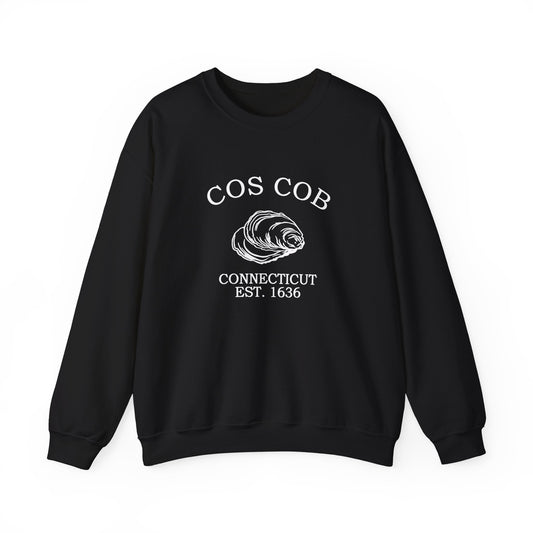
Cos Cob Connecticut Vintage Retro Premium Crewneck Sweatshirt - Black Logo
Regular price $48.00 USDRegular price -
Cos Cob Connecticut Vintage Retro Premium Crewneck Sweatshirt - White Logo
Regular price $48.00 USDRegular price -
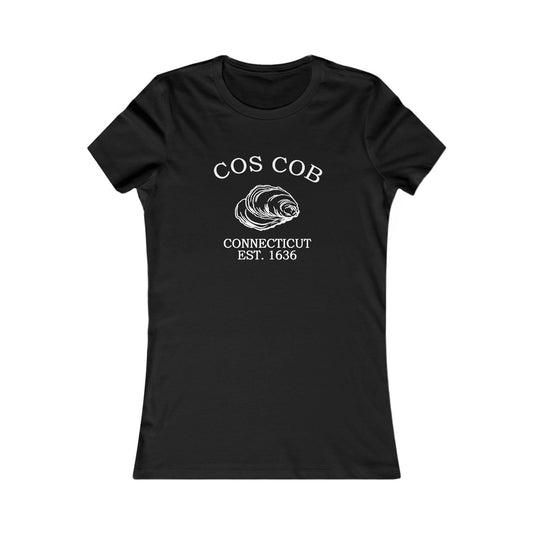
Cos Cob Connecticut Vintage Retro Womens Fitted Ringspun Cotton Tee - Black Logo
Regular price $28.00 USDRegular price -
-
Cos Cob Connecticut Vintage Retro Embroidered Cotton Cap - Black Logo
Regular price $32.00 USDRegular price -
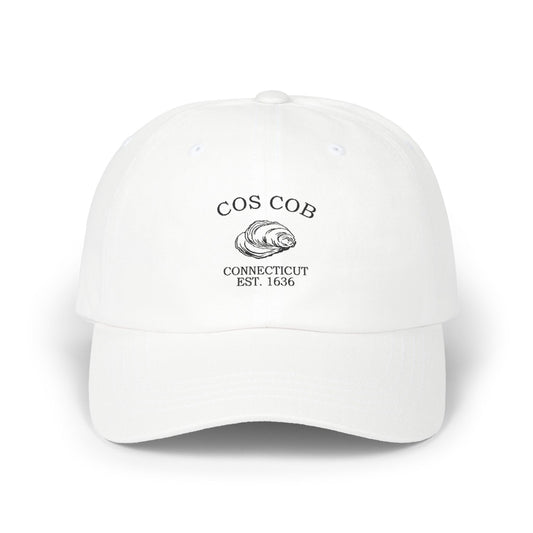
Cos Cob Connecticut Vintage Retro Embroidered Cotton Cap - White Logo
Regular price $32.00 USDRegular price -
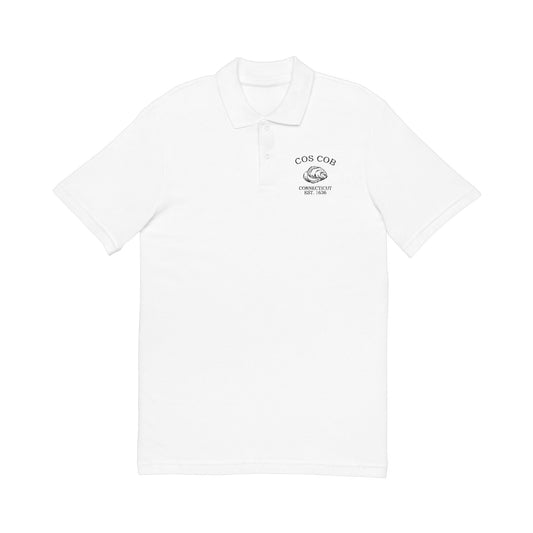
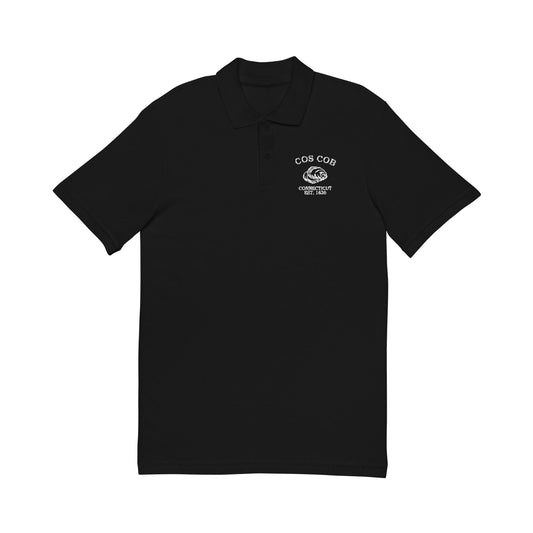
Cos Cob Connecticut Vintage Retro Unisex Embroidered Cotton Polo - Black Logo
Regular price $48.00 USDRegular price -
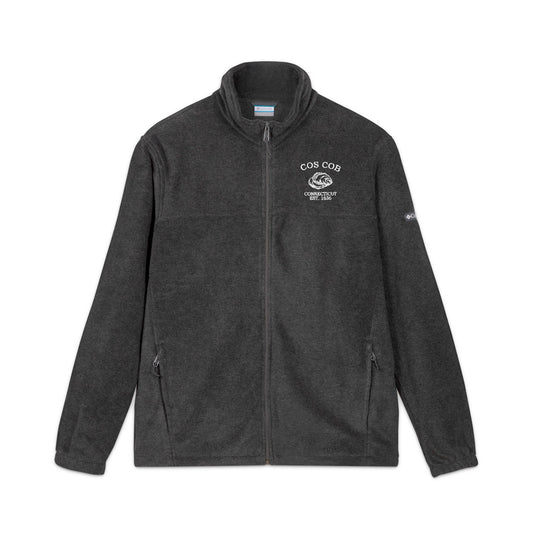
Cos Cob Connecticut Vintage Retro Unisex Embroidered Fleece Jacket - White Logo
Regular price $98.00 USDRegular price -
Cos Cob Connecticut Vintage Retro Vinyl Sticker - Black Logo
Regular price From $6.00 USDRegular price -
Cos Cob Connecticut Vintage Retro Unisex Heavy Cotton Hoodie - Black Logo
Regular price $56.00 USDRegular price -
Cos Cob Connecticut Vintage Retro Unisex Heavy Cotton Hoodie - White Logo
Regular price $56.00 USDRegular price -
Cos Cob Connecticut Vintage Retro Unisex Heavy Cotton Tee - Black Logo
Regular price $22.00 USDRegular price -
Cos Cob Connecticut Vintage Retro Unisex Heavy Cotton Tee - White Logo
Regular price $22.00 USDRegular price -
Cos Cob Connecticut Vintage Retro Ceramic Mug - Black Logo
Regular price From $16.00 USDRegular price -
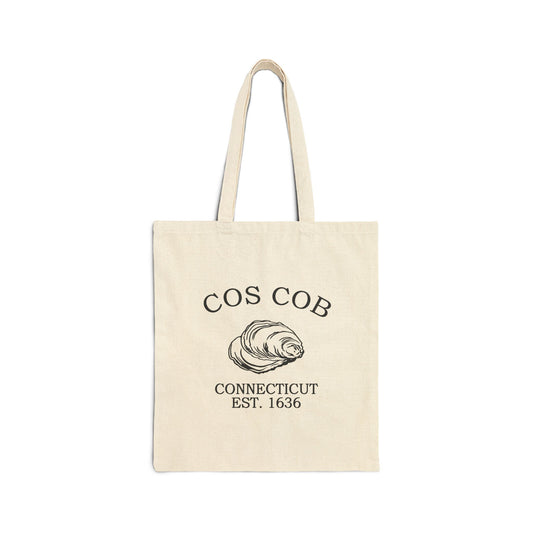
Cos Cob Connecticut Vintage Retro Cotton Canvas Tote Bag - White Logo
Regular price $25.00 USDRegular price -
Cos Cob Connecticut Vintage Retro Thank You Card Set - Black Logo
Regular price From $25.00 USDRegular price -
Cos Cob Connecticut Vintage Retro Cotton Canvas Tote Bag - Black Logo
Regular price $25.00 USDRegular price -
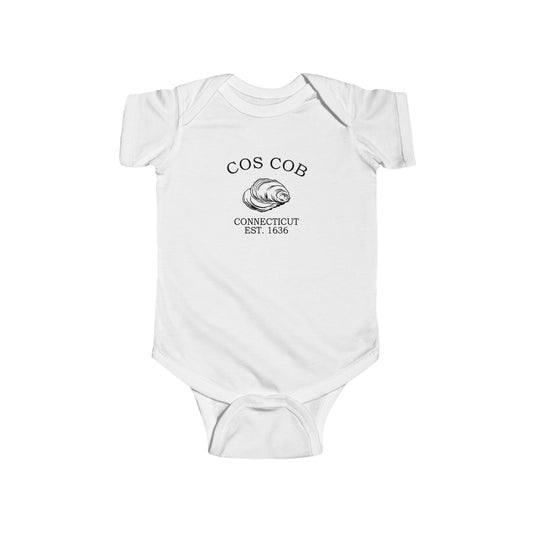
Cos Cob Connecticut Vintage Retro Cotton Jersey Baby Bodysuit - Black Logo
Regular price $26.00 USDRegular price -
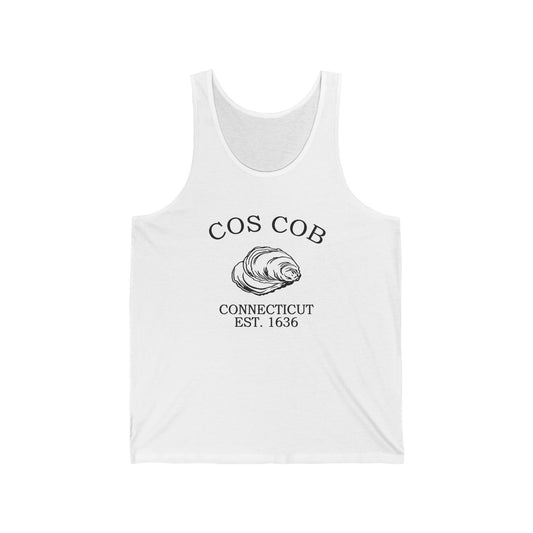
Cos Cob Connecticut Vintage Retro Unisex Cotton Jersey Tank Top - Black Logo
Regular price $28.00 USDRegular price -
Cos Cob Connecticut Vintage Retro Unisex Cotton Jersey Tank Top - White Logo
Regular price $28.00 USDRegular price -
Cos Cob Connecticut Vintage Retro Back Printed Art Series Cotton Tee - Black Logo
Regular price $32.00 USDRegular price -
Cos Cob Connecticut Vintage Retro Giclée Print Art Series Poster
Regular price From $38.00 USDRegular price -
Cos Cob Connecticut Vintage Retro Unisex Heavy Crewneck Sweatshirt - Black Logo
Regular price $44.00 USDRegular price -
Cos Cob Connecticut Vintage Retro Unisex Heavy Crewneck Sweatshirt - White Logo
Regular price $44.00 USDRegular price









Cos Cob Connecticut — Retro Vintage History
What's with the Cos Cob Impressionists? In 1890 the painter John Henry Twachtman, who lived up the road in Greenwich, began holding summer painting classes on the banks of the Mianus River. Two years later J. Alden Weir joined him to teach a summer class for New York's Art Students League, and Childe Hassam, Theodore Robinson, and Ernest Lawson came too. Far from the city, they were free to break with the rules — and what grew up around them became the Cos Cob Art Colony, the first Impressionist art colony in Connecticut and a cradle of American Impressionism.
Wear the HistoryTheir home was the Holley House — today the Bush-Holley House — a colonial saltbox built around 1728 on a hill above Cos Cob Harbor where the Mianus River runs out to the Sound. Josephine and Edward Holley ran it as a boarding house, and the students who came to study with Twachtman took rooms there. In 1896 a young painter named Elmer MacRae arrived as one of those students, fell in love with the Holleys' daughter Constant, married her in 1900, and together they kept the boardinghouse going — and the colony alive — for two more decades.

Why Cos Cob? In a word, the train. The Cos Cob station put the village less than an hour from New York, and the place gave Impressionism everything it wanted: tidal light on the Mianus, a working harbor, weathered clapboard houses, and the old Palmer and Duff shipyard across the water — the very subject of Hassam's painting 'The Red Mill, Cos Cob.' The artists worked outdoors, en plein air, just as the French had done at Giverny, chasing color that changed by the minute, and the Lower Landing of the Mianus handed them a ready-made composition at every tide.
The colony mattered far beyond the village. Twachtman, Weir, and Hassam were among the founders of The Ten American Painters in 1897, the group that carried Impressionism and the new styles across the country, and writers like Willa Cather and Lincoln Steffens stayed at the Holley House as well. For a few remarkable decades, a tiny Connecticut waterfront village sat close to the center of American art. Historians still count Cos Cob among the most important of the early American art colonies, its story set down in Susan Larkin's study, 'The Cos Cob Art Colony: Impressionists on the Connecticut Shore.'
The house was old long before the painters found it. It began about 1728 as the home of the mercantile Bush family, a classic New England saltbox on the harbor, and it stood through the era of the New Nation in the years after the Revolution. The village around it grew as a working Mianus-River waterfront — wharves, a mill, a shipyard, and oyster boats on the Sound — generations before anyone set up an easel on the riverbank.
Cos Cob is one of the historic villages of Greenwich, a stretch of about four and a half square miles in the town's southwest corner along the Mianus, with neighbors like Riverside and Old Greenwich nearby. It keeps the shape that drew the artists: a small harbor on Long Island Sound, the river sliding past old houses, and a quiet, painterly light that has not really changed in more than a century.
The colony faded by the 1920s, but its home was saved. The Greenwich Historical Society bought the Bush-Holley House in 1957 and opened it as a museum the next year; in 1991 it was named a National Historic Landmark. It still tells two stories — the New Nation and the Art Colony — and hangs works by Twachtman, Hassam, Lawson, and MacRae in its galleries, so the painters who once boarded here are still on the walls.
Our Cos Cob logo carries Connecticut's oyster above ‘Connecticut — Est. 1636,’ the shared retro emblem of our Connecticut towns; the oyster recalls the Long Island Sound shellfishing of the old waterfront village, and 1636 marks the founding of the colony. Rendered in black-and-white, like an old crate label, it ties Cos Cob to every other Connecticut town we make. What makes this one Cos Cob is the village behind the shell — the saltbox over the harbor and the painters on the riverbank.
So Cos Cob gathers a colonial saltbox, a boarding house full of painters, and the first Impressionist colony in Connecticut onto the banks of the Mianus. Our Cos Cob designs gather that into wearable form. Wear the history. Where the Impressionists painted the Mianus — Cos Cob, CT.

Cos Cob, Connecticut — Travel Guide
Visiting Cos Cob Today
Cos Cob is a small historic village of Greenwich, set along the Mianus River where it meets Long Island Sound. Its heart is the Bush-Holley House, the colonial saltbox at the center of the Cos Cob Art Colony, ringed by the harbor, the river trails, and a quiet waterfront that the Impressionists came to paint.
The Art Colony, the Mianus & the Harbor
For visitors looking for things to do in Cos Cob, Connecticut:
- Tour the Bush-Holley House, the c.1728 saltbox and National Historic Landmark at the heart of the Cos Cob Art Colony.
- Visit the Greenwich Historical Society at Bush-Holley House for its American Impressionist galleries and gardens.
- Walk the Cos Cob Harbor and Mianus River waterfront, the en-plein-air landscape the painters loved.
- Stroll the Strickland Road Historic District around the Holley House.
- Explore Montgomery Pinetum, a former estate now a town park of conifers and stone bridges.
- Hike the Mianus River Park trails along the tidal river.
- Browse the small shops and cafes of the Cos Cob village center.
- See the historic Cos Cob train station on the Metro-North New Haven Line.
Why People Visit Cos Cob
Cos Cob offers art heritage and green escapes in a small, walkable village. Visitors pair the Bush-Holley House and its Impressionist collection with river paths, harbor overlooks, and quiet historic streets. It is tranquil, residential, and close to the water, with year-round appeal in its parks, paths, and public spaces. History and everyday life sit side by side here, from the saltbox over the harbor to the trails along the Mianus.
Wear the History
Kindred Cities
A warm welcome to visitors from Giverny, France (bienvenue) and St Ives, England — kindred art colonies where the light did the talking.
Cos Cob shares a vocation with two of the world's painted places. Giverny was Monet's garden and a cradle of French Impressionism; St Ives drew Britain's modernists to the Cornish coast. Cos Cob had a colony of its own — the painters who gathered at the Holley House and taught America Impressionism beside the tidal Mianus River.
If you come for the light, you'll understand Cos Cob: a small harbour on the Sound, the Mianus River sliding past clapboard houses, and a painterly quiet that drew artists here more than a century ago. Come and visit us soon.
When you plan the trip, the Town of Greenwich — which Cos Cob calls home — and the Connecticut Office of Tourism are the place to start.
Wear the History

For deeper reading on the Cos Cob history described here — the c.1728 Bush-Holley House and the Bush family of the New Nation era, the Cos Cob Art Colony and the Impressionists who taught beside the Mianus River, The Ten American Painters, and the village's Long Island Sound waterfront — it may be useful to consult (1) the Greenwich Historical Society at the Bush-Holley House and its Library and Archives, (2) the Greenwich Library's local history room, (3) the Connecticut State Library and State Archives, (4) the Town of Greenwich Town Clerk's records office, and (5) the Greenwich Preservation Trust and Historic District Commission. For travel and visitor information, it may be useful to contact (1) the Greenwich Historical Society for Bush-Holley House tours, (2) the Connecticut Office of Tourism, (3) the Greenwich Arts Council, (4) the Bruce Museum, and (5) Metro-North for the Cos Cob station.
- Choosing a selection results in a full page refresh.
- Opens in a new window.