


In the eighteenth and nineteenth centuries, Cos Cob thrived on farming, fishing, and trade. By the late 1800s, it became a hub for artists of the Cos Cob Art Colony. By the 1950s and 1960s, suburban neighborhoods expanded, supported by highways and commuter trains. Its timeline reflects adaptability: colonial fishing hub turned suburban commuter town. Cos Cob’s mid-century decades highlighted suburban optimism and cultural pride, blending heritage with growth. Its story demonstrates Connecticut’s broader resilience, balancing shoreline tradition with suburban identity. Cos Cob became a community defined by heritage, resilience, and cultural continuity.
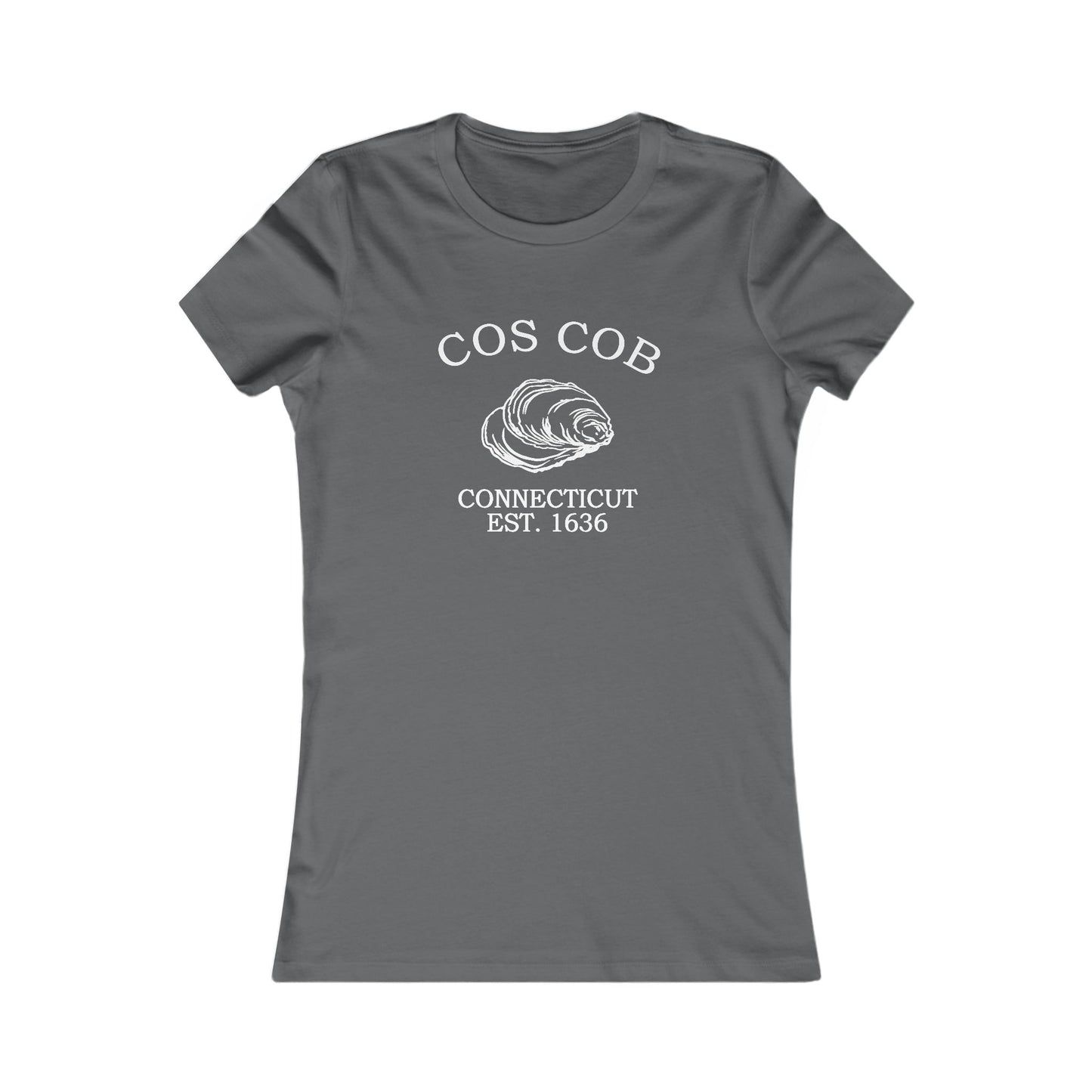
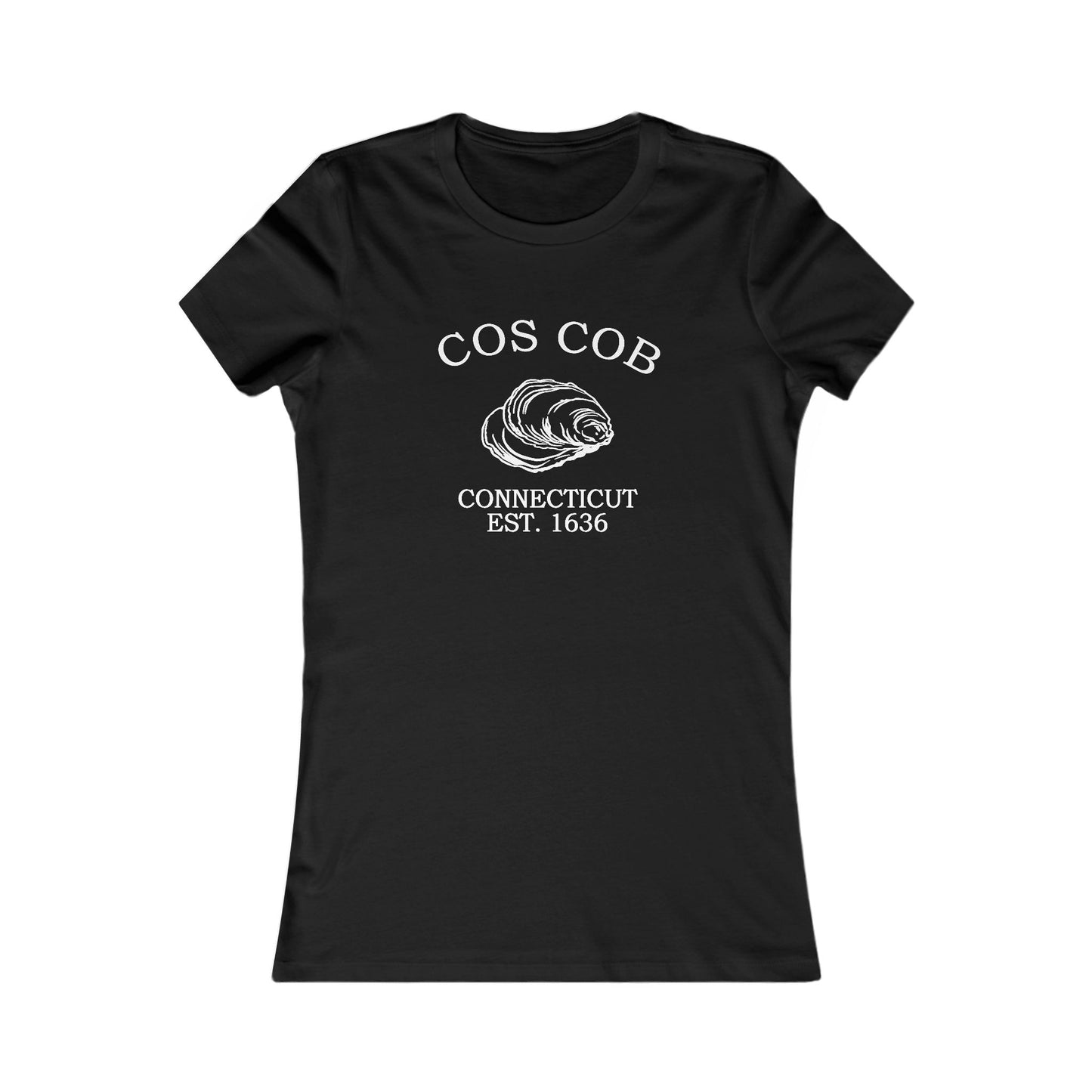
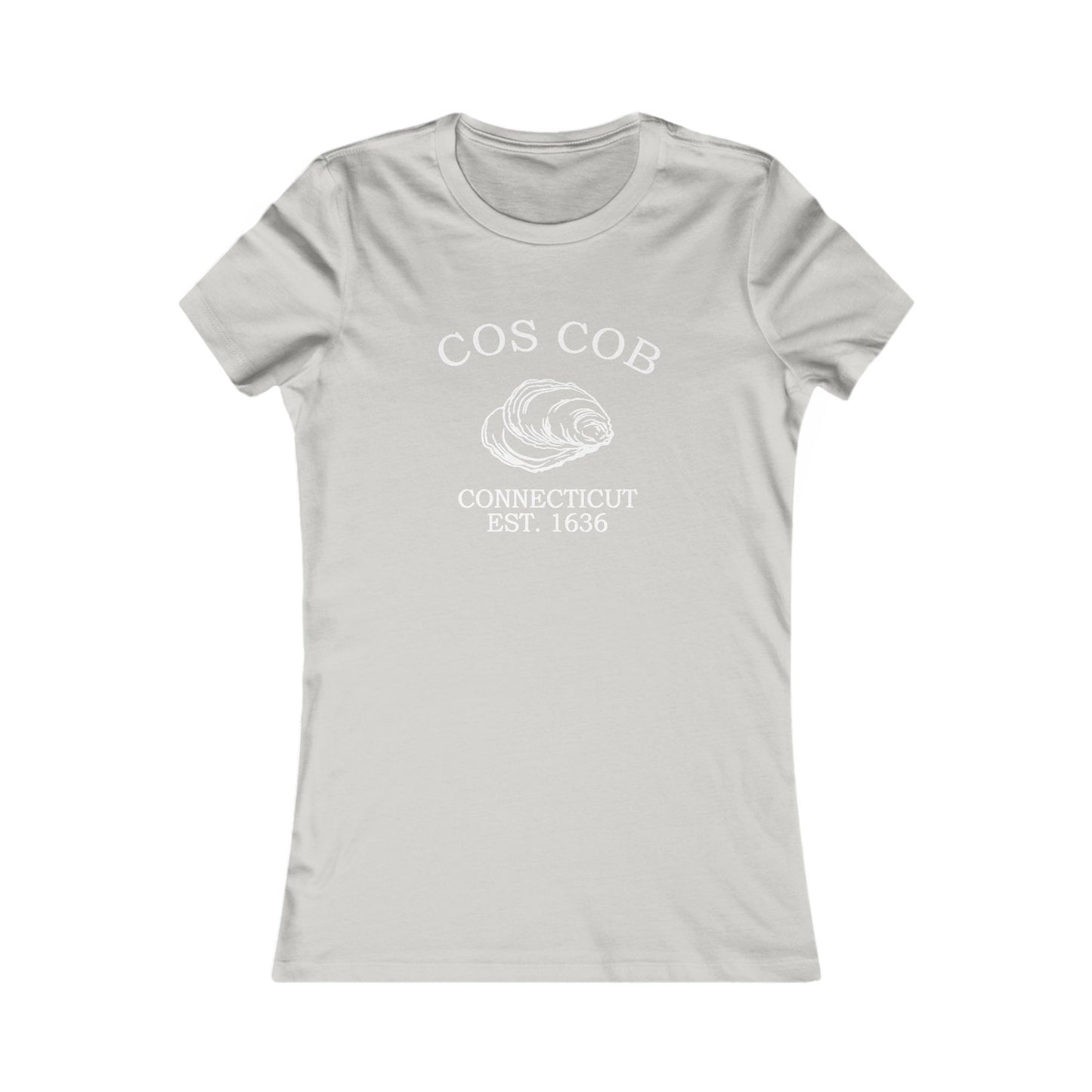
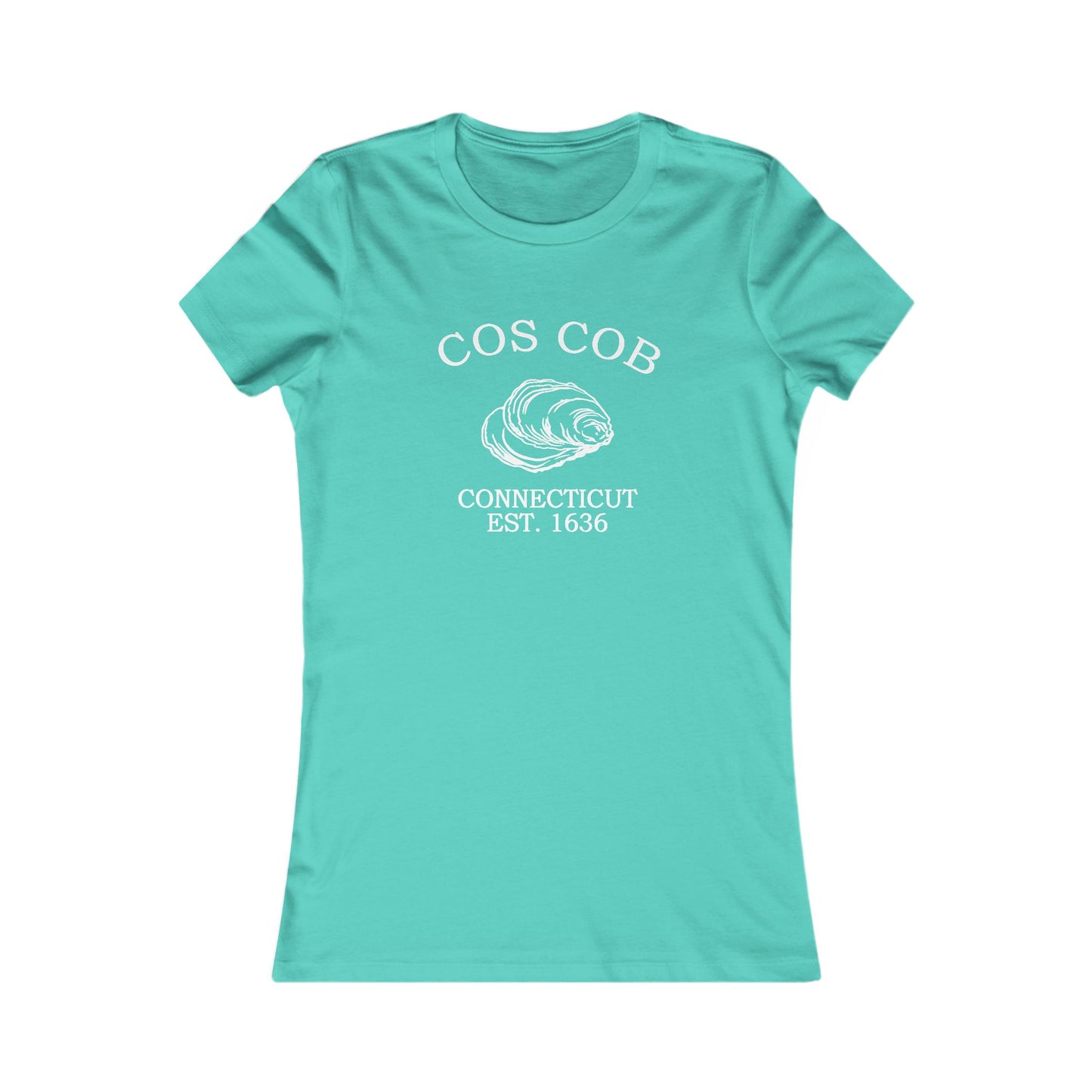
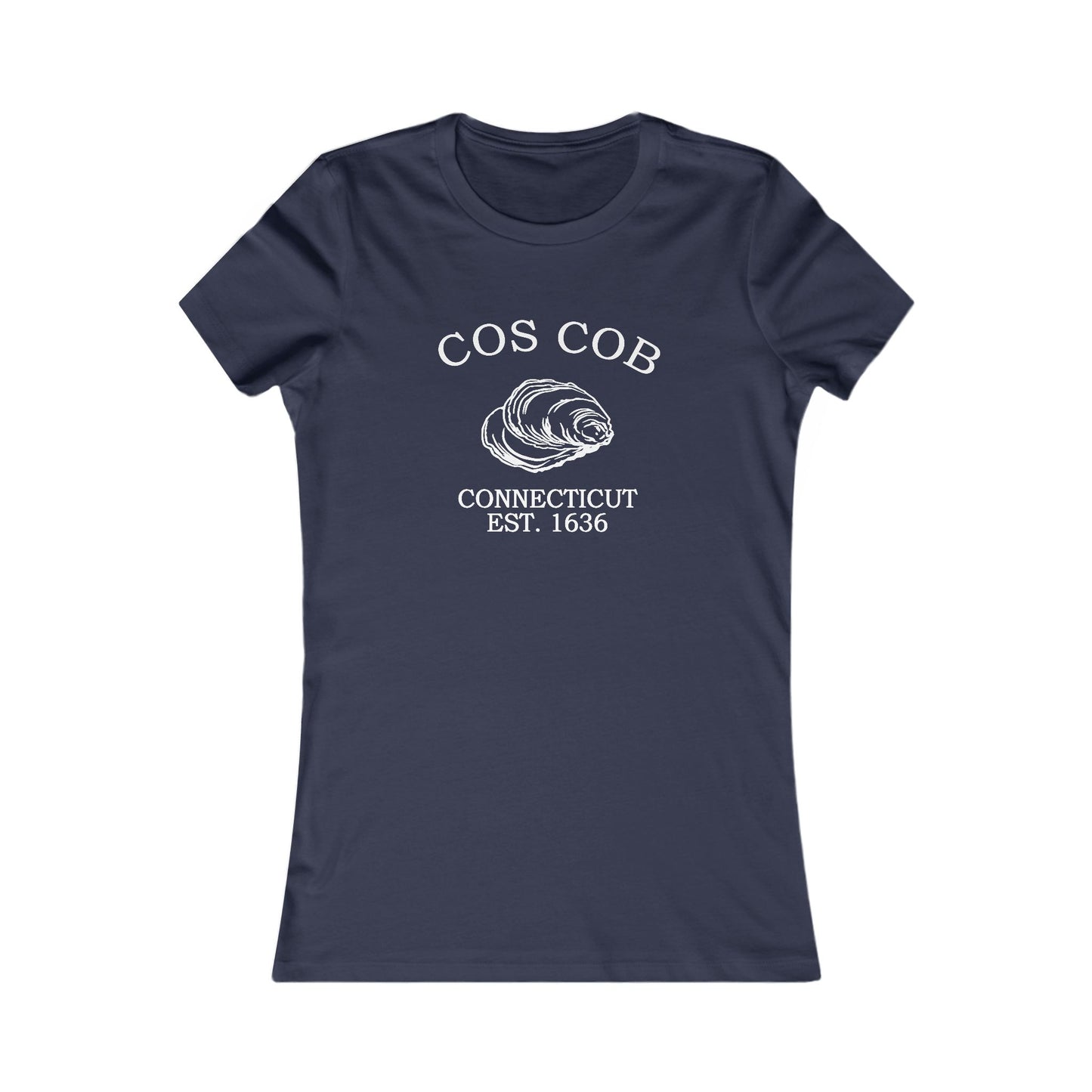
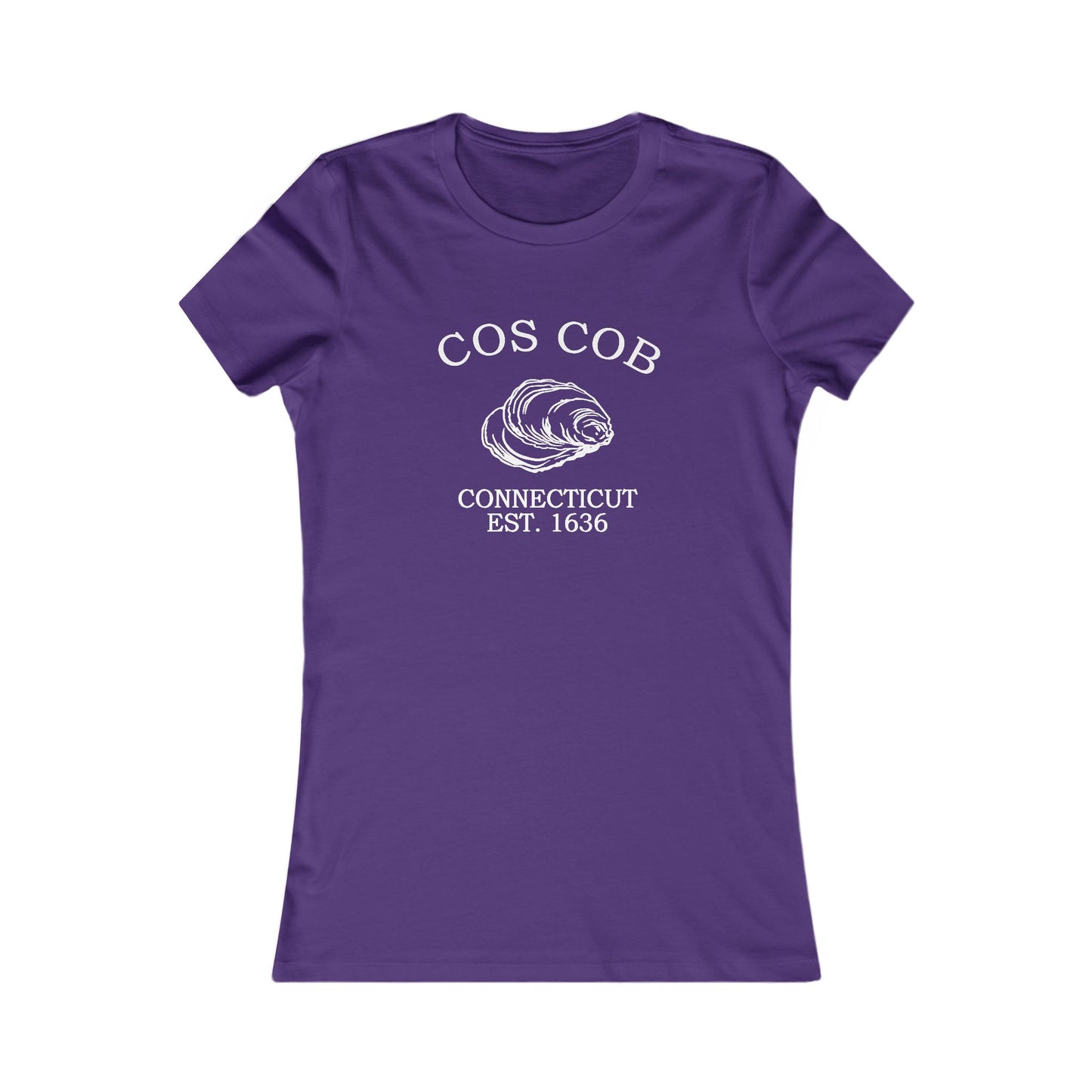
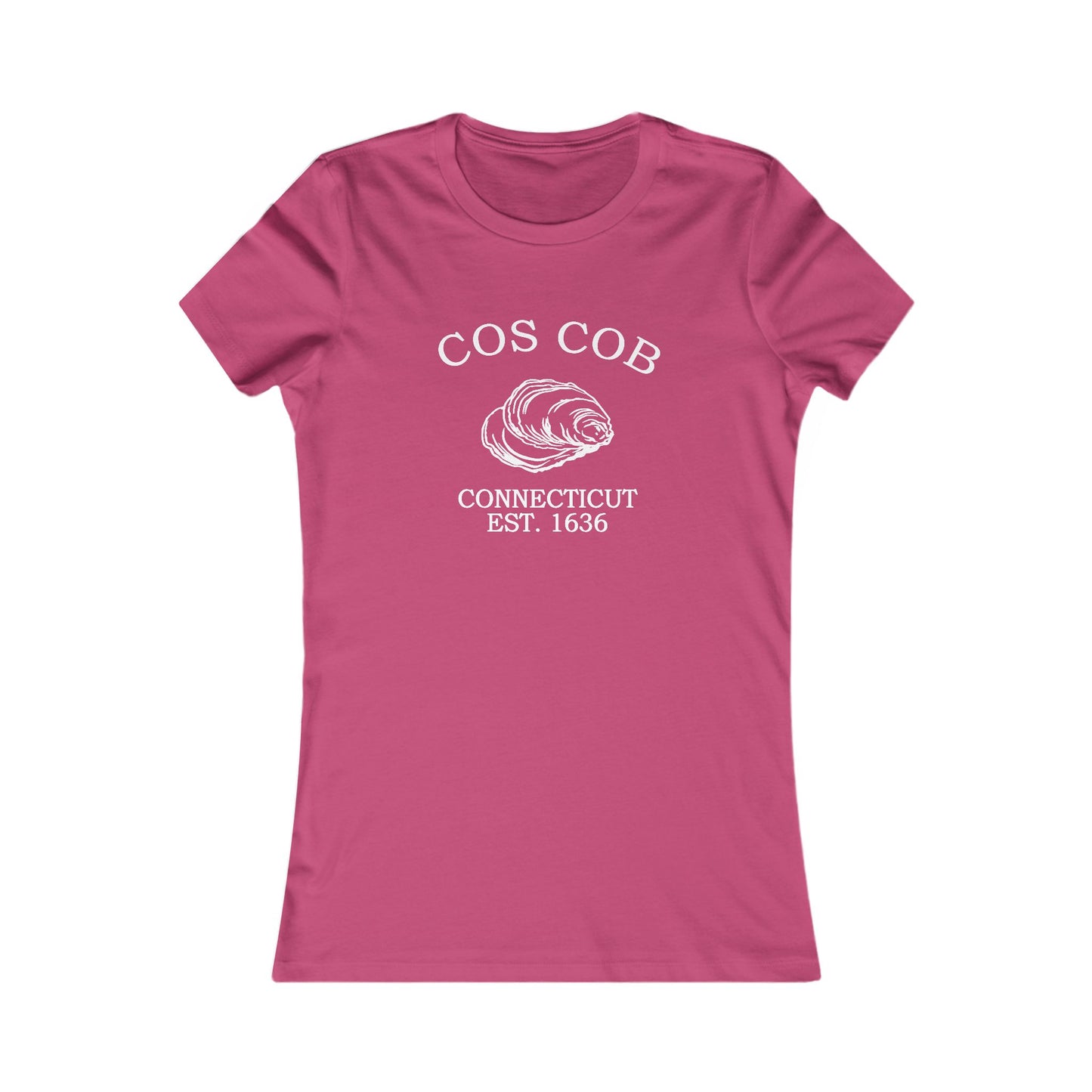
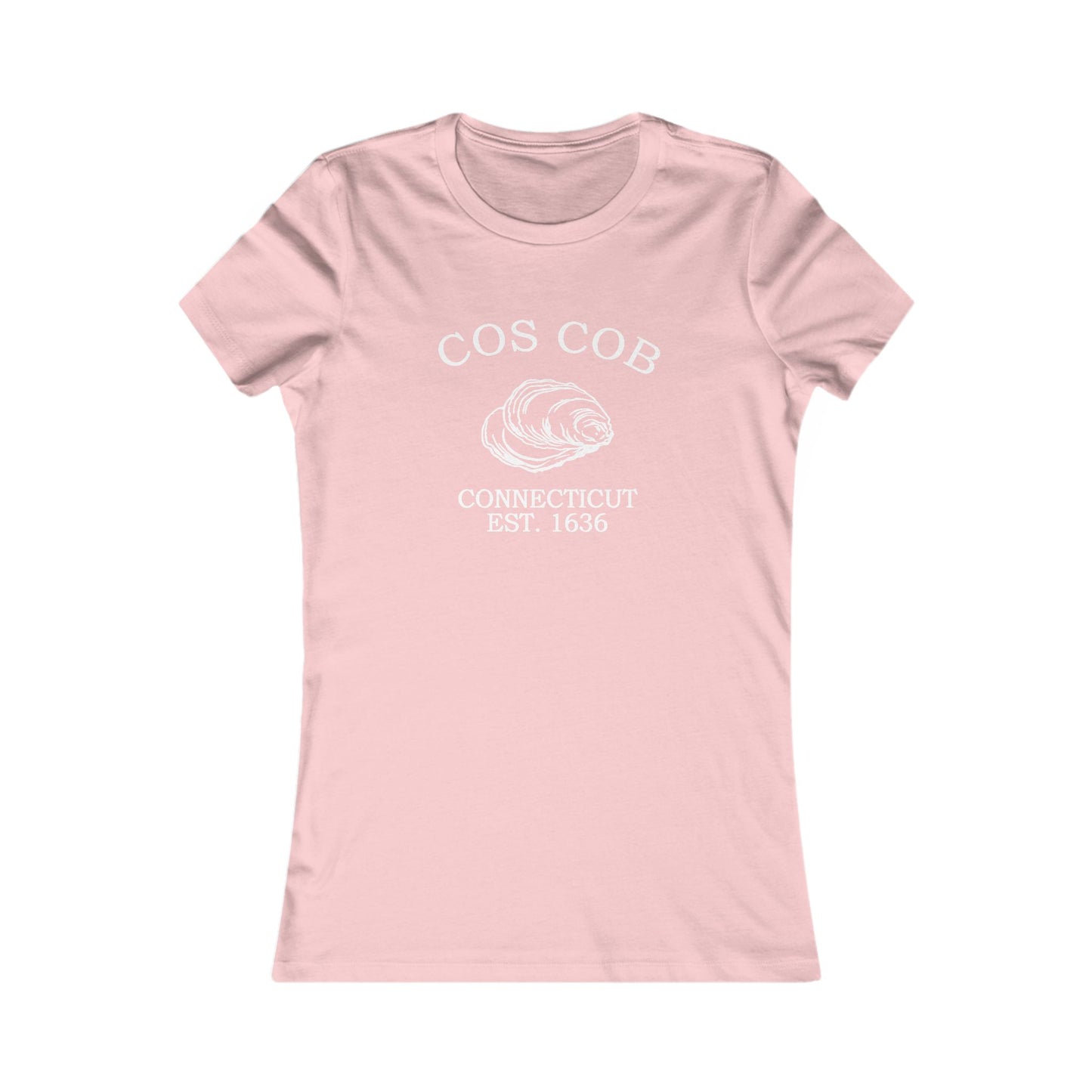
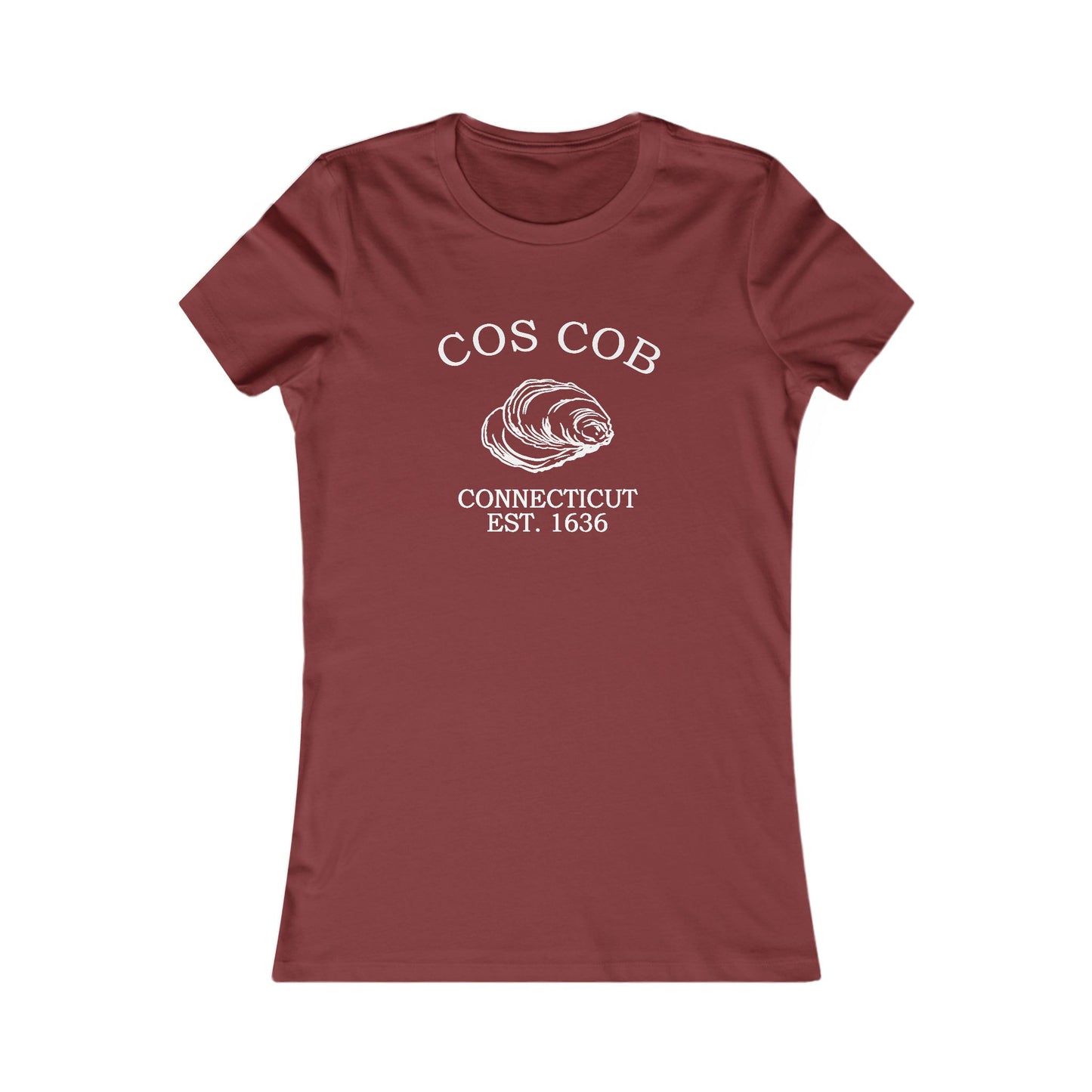
Our Cos Cob retro logo uses Connecticut’s oyster shell motif, symbolizing abundance, heritage, and resilience. The oyster reflects shoreline identity, while “1636” ties the motif to colonial founding. Its black-and-white styling is retro, resembling oyster crate labels and shoreline signage. The motif bridges Cos Cob’s dual identity: colonial hub and suburban art town. On merchandise, it conveys authenticity and pride, retro vintage in tone. The oyster shell emblem honors Cos Cob’s layered identity, making it a vintage symbol of Connecticut resilience. Retro in style, it reflects endurance, authenticity, and cultural pride.
Why People Visit Cos Cob Connecticut
- Tour the Bush Holley House, art colony history and preserved riverside grounds.
- Walk Mianus River trails, bridges and woodlands with mellow elevation changes.
- See Cos Cob Harbor, marinas and classic waterfront scenes by Strickland Road.
- Browse local shops along Riverside Avenue and Strickland Road corridors.
- Visit Montgomery Pinetum, quirky conifer collections and stone bridges in the park.
