


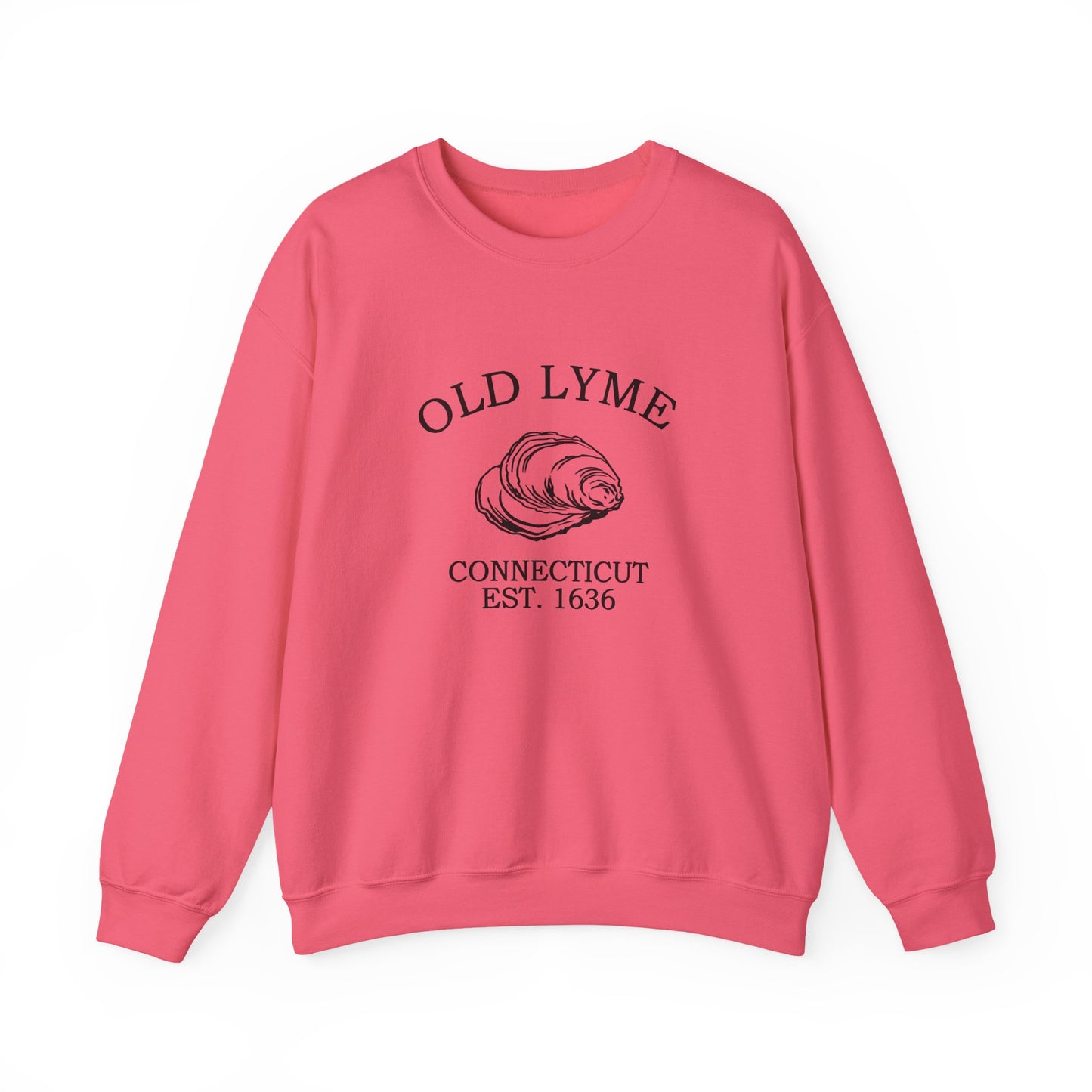
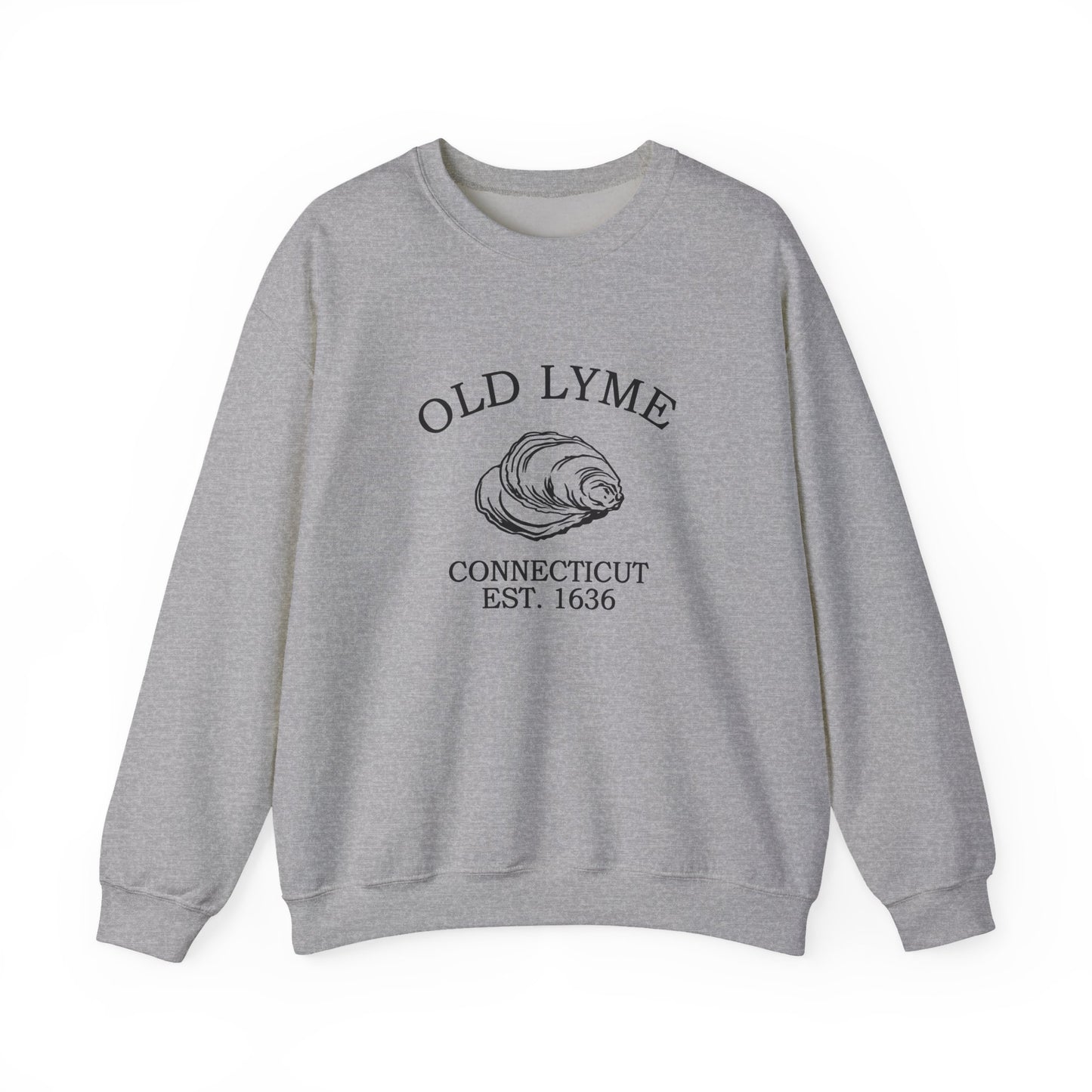
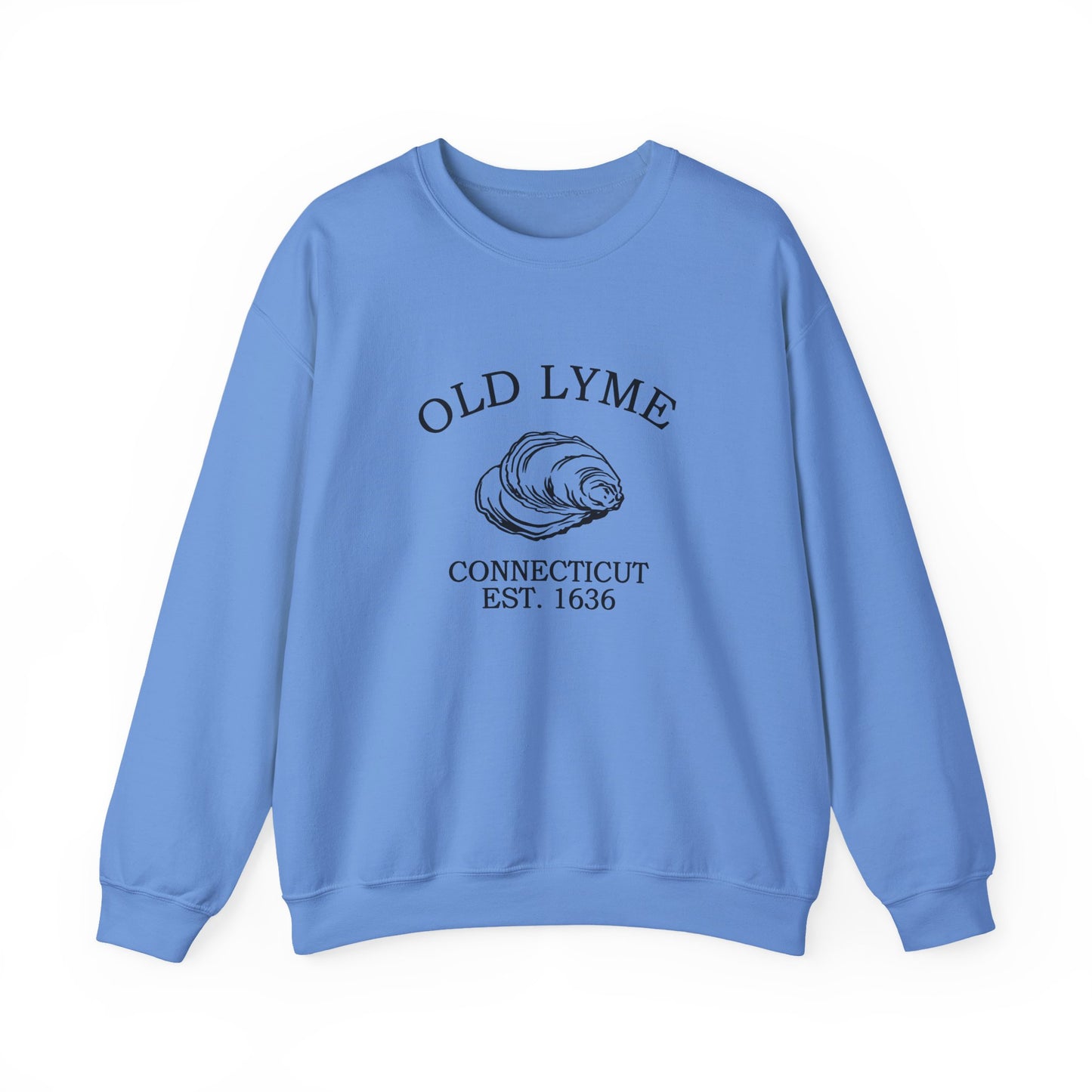
More From Old Lyme Connecticut
-
Old Lyme Connecticut Vintage Retro Unisex Cotton Jersey Tank Top - Black Logo
Regular price $28.00 USDRegular price -
-
Old Lyme Connecticut Classic Cotton Cap - Black Logo
Regular price $32.00 USDRegular price -
Old Lyme Connecticut Vintage Retro Back Printed Art Series Cotton Tee - Black Logo
Regular price $32.00 USDRegular price



The marsh hoards. The marshes here look soft and empty until you slow down, then you notice they are packed with small life and hidden structure: channels, grasses, and bird paths stitched into the green. Marsh Hoards is the local nickname for all those tucked-away riches, the way the wetlands hold more than they show from the road. A quick cue is the pluff-mud pull: if your boot sinks and releases with a slow pop, you are standing on a living sponge that stores water and keeps the shoreline stable. That is ecology, not treasure. At sunset the marsh turns copper, and the hoard becomes light itself — the same light the colony's painters came for.
The Loving Parting. Old Lyme began as the east bank of Saybrook Colony, founded in 1636 at the mouth of the Connecticut River. In 1665 the settlers on the two banks divided the colony in what the records call the "Loving Parting" — one of the gentlest town separations in colonial America — and the east side became Lyme. For the next two centuries the village at the river's mouth lived on farming, fishing, shipbuilding, and trade with the West Indies; the Federal-style mansions of Lyme Street, many built for sea captains, date from that maritime prosperity, and the Lyme Street district — 109 acres of it — was listed on the National Register in 1971. The shoreline village incorporated as its own town, South Lyme, in 1855, and took the name Old Lyme in 1857. In 1975, Yale researchers investigating a cluster of illness in the Lyme towns identified the disease that now carries the name.
Why People Visit Old Lyme Connecticut
Old Lyme balances arts heritage with beaches and greens. Visitors find quiet museums, sculpture paths, and easy seaside stops. It is graceful, creative, and restful. Travelers find year round appeal in parks, paths, and public spaces. The setting combines natural beauty with accessible neighborhoods and landmarks. History and everyday culture sit side by side in a welcoming way.
