


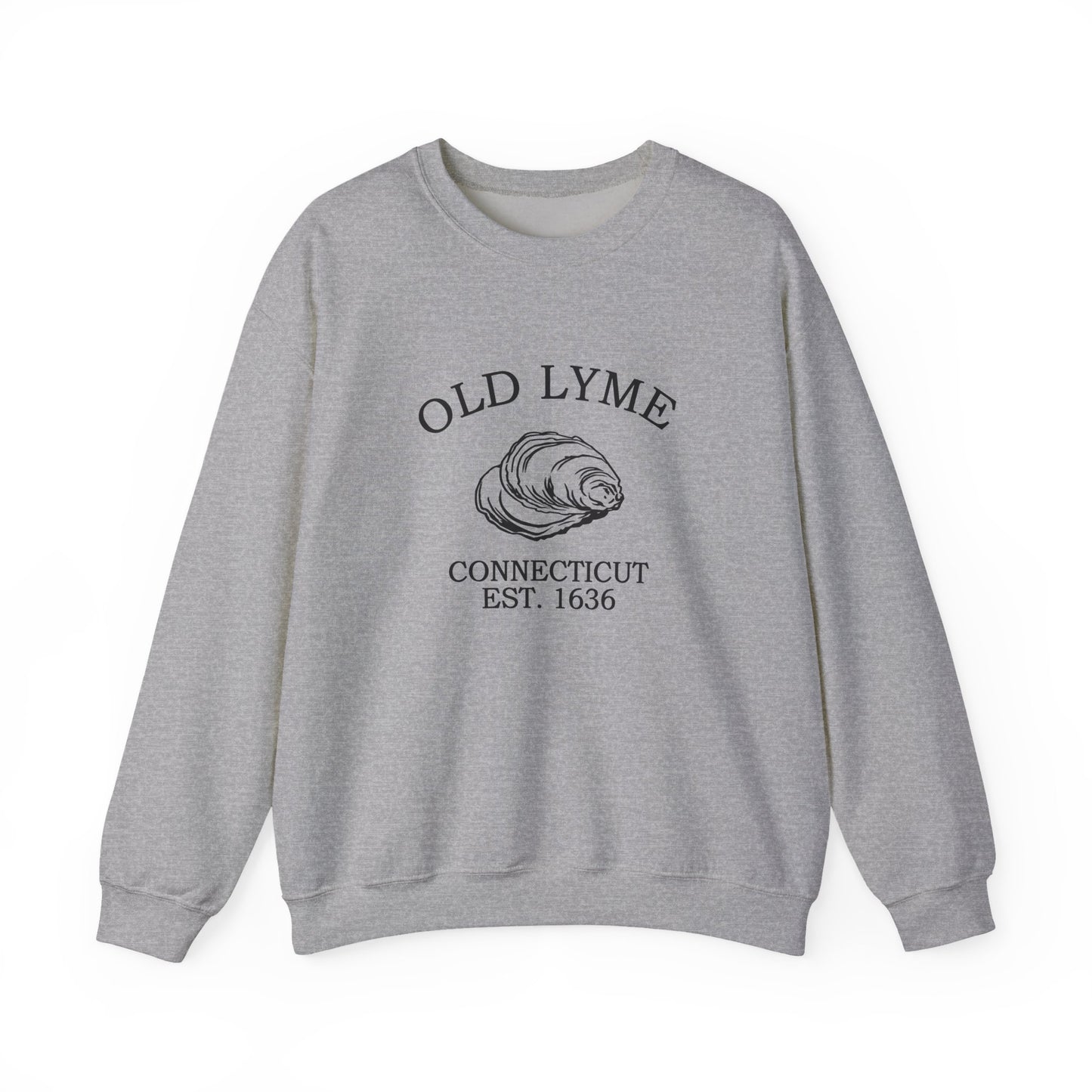
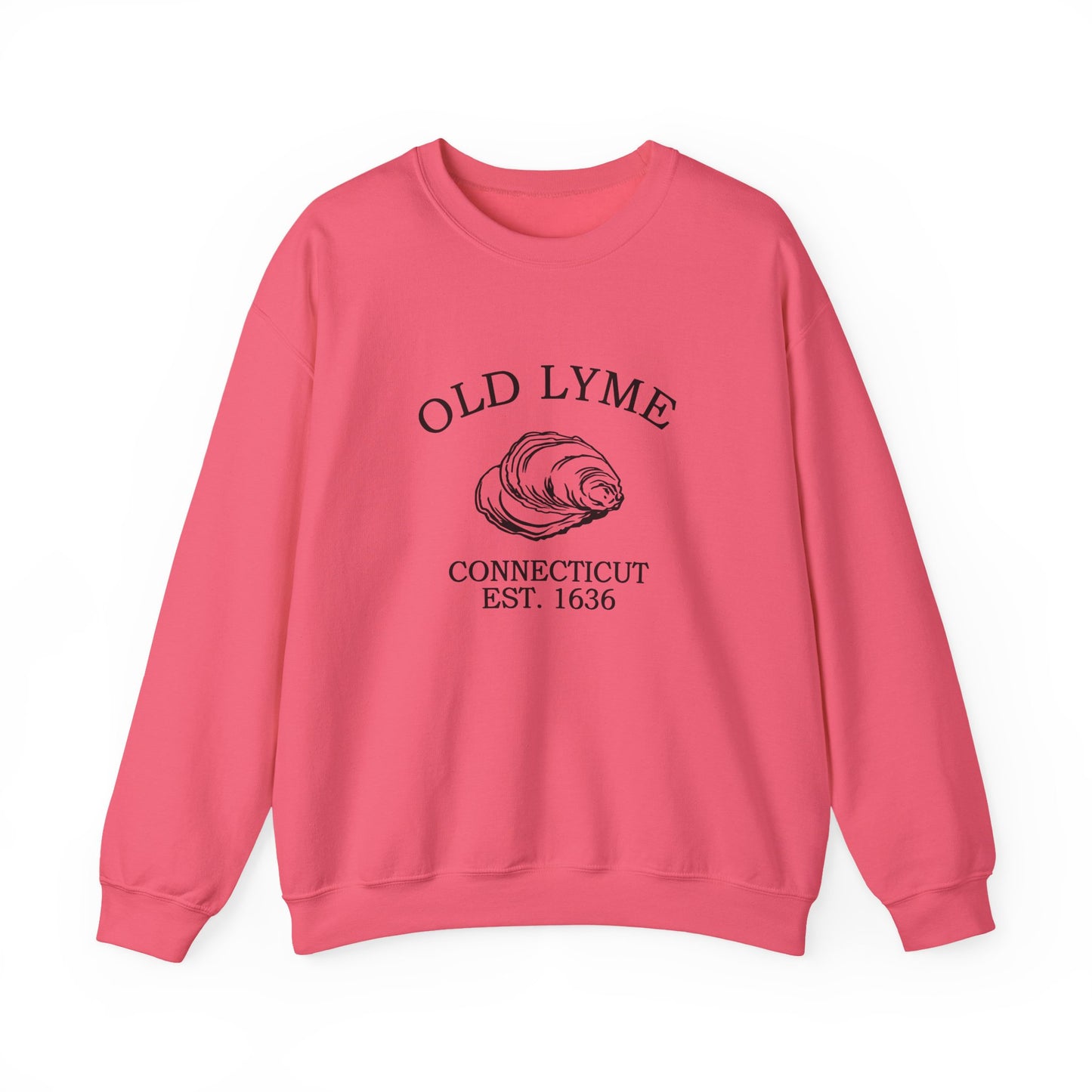
The marsh hoards. The marshes here look soft and empty until you slow down, then you notice they are packed with small life and hidden structure: channels, grasses, and bird paths stitched into the green. Marsh Hoards is the local nickname for all those tucked-away riches, the way the wetlands hold more than they show from the road. A quick cue is the pluff-mud pull: if your boot sinks and releases with a slow pop, you are standing on a living sponge that stores water and keeps the shoreline stable. That is ecology, not treasure. At sunset the marsh turns copper, and the hoard becomes light itself — the same light the colony's painters came for.
The boarding house that became the birthplace of American Impressionism. In the summer of 1899, a New York landscape painter named Henry Ward Ranger took a room at a quiet boarding house on Lyme Street. The house had been built in 1817 by a sea captain named Robert Griswold and was run, by 1899, by his unmarried daughter — Florence Griswold, then 49, supporting herself and a sister with what was left of the family property. Ranger had just returned from Europe, and he saw in the soft summer light along the Lieutenant River something that reminded him of Barbizon, the French village where 19th-century painters had once gathered to paint outdoors from life. He wrote to his New York dealer: "I want to start an American Barbizon here." He returned the next spring with friends. Over the next 38 years, until Florence Griswold's death in 1937, more than 200 American painters lived and worked in that boarding house and the surrounding village. The Lyme Art Colony became the most famous art colony in the United States — and the first in America to adopt Impressionism. The painter Childe Hassam arrived in 1903 and shifted the colony's palette from Ranger's misty Tonalist browns and greens to vivid Impressionist light. Willard Metcalf, Robert Vonnoh, William Chadwick, Matilda Browne, and Henry Rankin Poore followed. They painted the Old Lyme Congregational Church across the green, the Lieutenant River through the trees, the marshes, the orchards, the dirt lanes. Willard Metcalf's 1906 painting May Night, depicting the Griswold house at twilight with Florence Griswold herself walking the path, became the first contemporary American painting purchased by the Corcoran Gallery of Art in Washington. The Griswold House was designated a National Historic Landmark in 1993. The artists are gone, the boarding house is a museum, and the paintings hang in the Met, the National Gallery, the Smithsonian. But the river is still there. The light is still there. And on a summer evening looking down Lyme Street from the church, the village still looks the way Hassam painted it.
Why People Visit Old Lyme Connecticut
Old Lyme balances arts heritage with beaches and greens. Visitors find quiet museums, sculpture paths, and easy seaside stops. It is graceful, creative, and restful. Travelers find year round appeal in parks, paths, and public spaces. The setting combines natural beauty with accessible neighborhoods and landmarks. History and everyday culture sit side by side in a welcoming way.
