




The boarding house that became the birthplace of American Impressionism. In the summer of 1899, a New York landscape painter named Henry Ward Ranger took a room at a quiet boarding house on Lyme Street. The house had been built in 1817 by a sea captain named Robert Griswold and was run, by 1899, by his unmarried daughter — Florence Griswold, then 49, supporting herself and a sister with what was left of the family property. Ranger had just returned from Europe, and he saw in the soft summer light along the Lieutenant River something that reminded him of Barbizon, the French village where 19th-century painters had once gathered to paint outdoors from life. He wrote to his New York dealer: "I want to start an American Barbizon here." He returned the next spring with friends. Over the next 38 years, until Florence Griswold's death in 1937, more than 200 American painters lived and worked in that boarding house and the surrounding village. The Lyme Art Colony became the most famous art colony in the United States — and the first in America to adopt Impressionism. The painter Childe Hassam arrived in 1903 and shifted the colony's palette from Ranger's misty Tonalist browns and greens to vivid Impressionist light. Willard Metcalf, Robert Vonnoh, William Chadwick, Matilda Browne, and Henry Rankin Poore followed. They painted the Old Lyme Congregational Church across the green, the Lieutenant River through the trees, the marshes, the orchards, the dirt lanes. Willard Metcalf's 1906 painting May Night, depicting the Griswold house at twilight with Florence Griswold herself walking the path, became the first contemporary American painting purchased by the Corcoran Gallery of Art in Washington. The Griswold House was designated a National Historic Landmark in 1993. The artists are gone, the boarding house is a museum, and the paintings hang in the Met, the National Gallery, the Smithsonian. But the river is still there. The light is still there. And on a summer evening looking down Lyme Street from the church, the village still looks the way Hassam painted it.
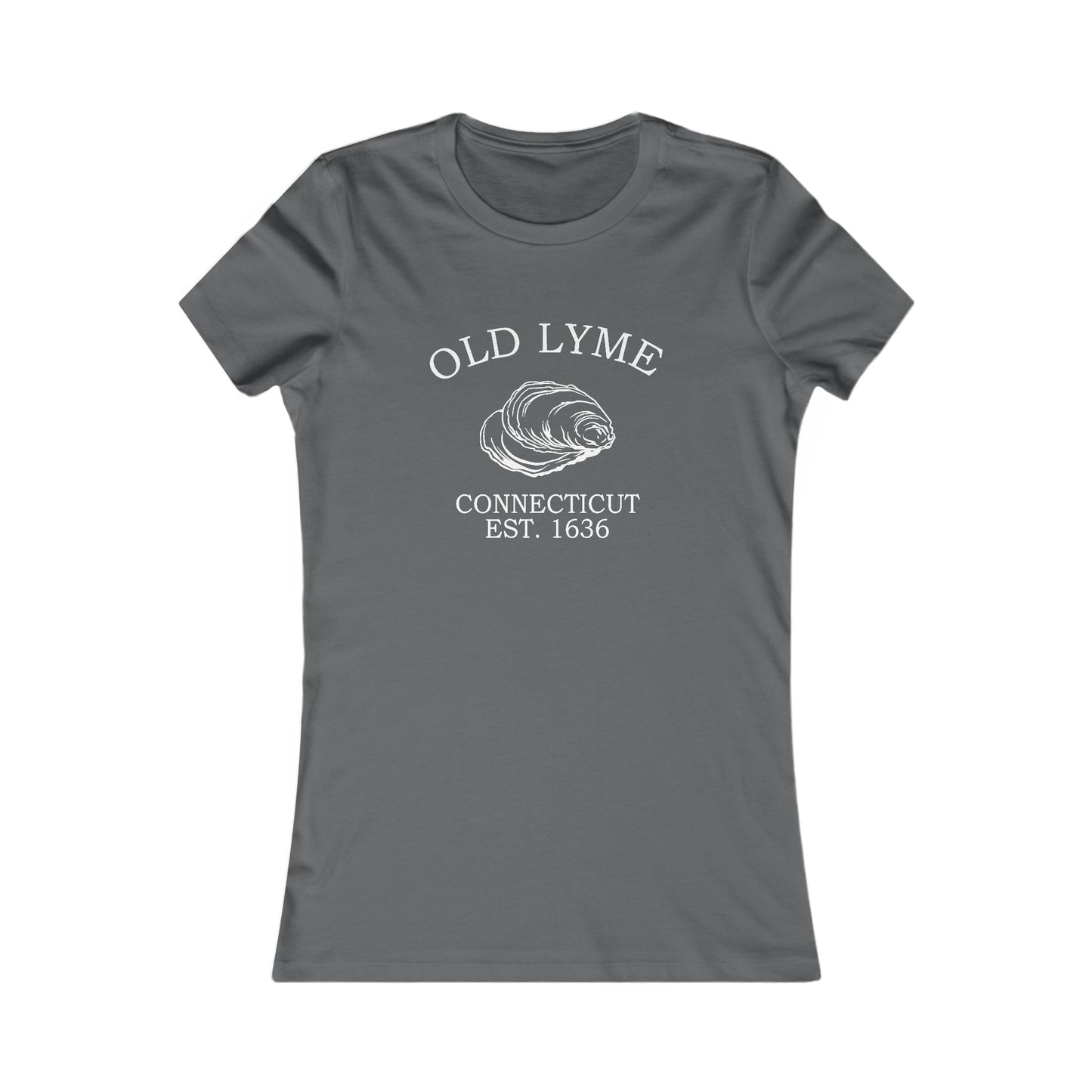
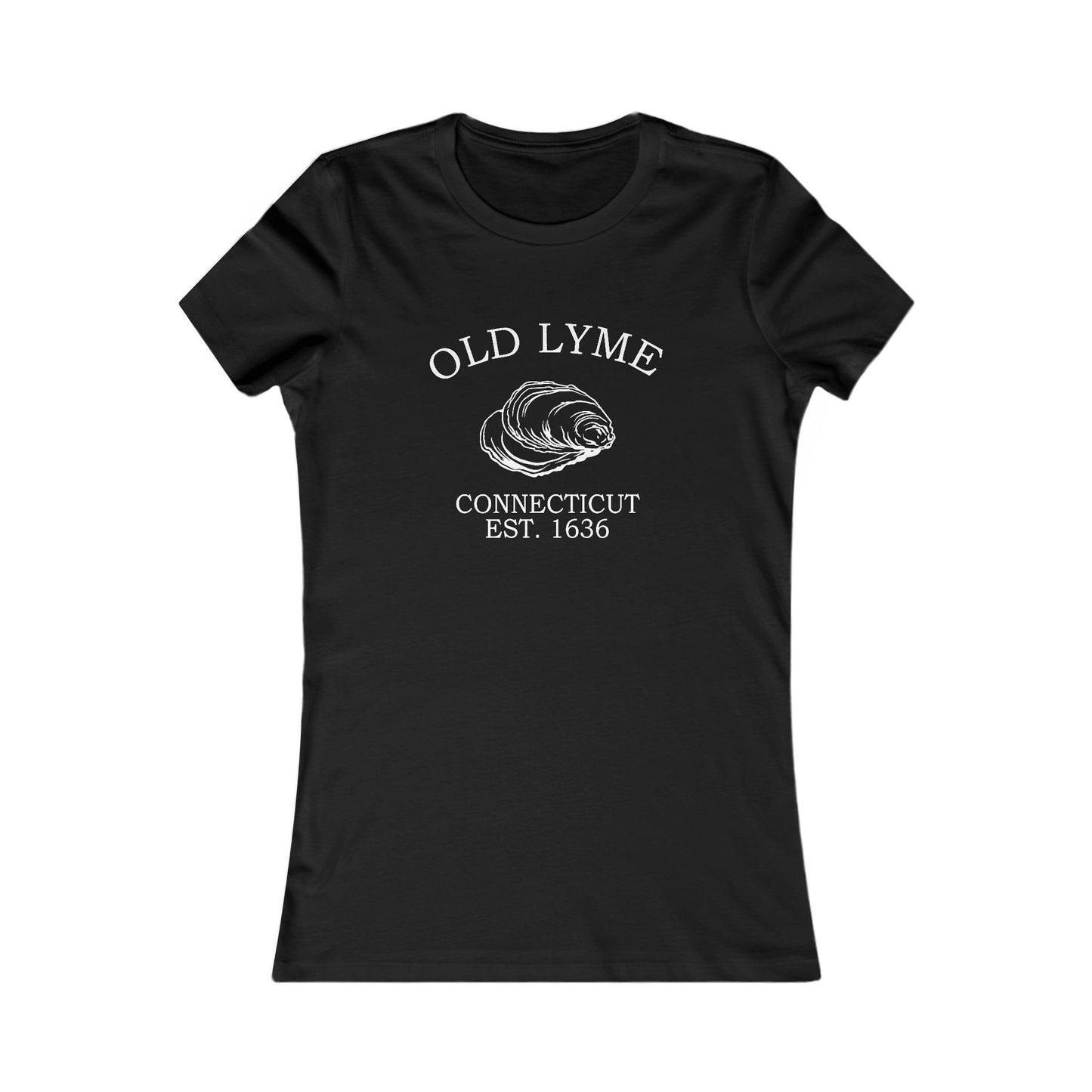
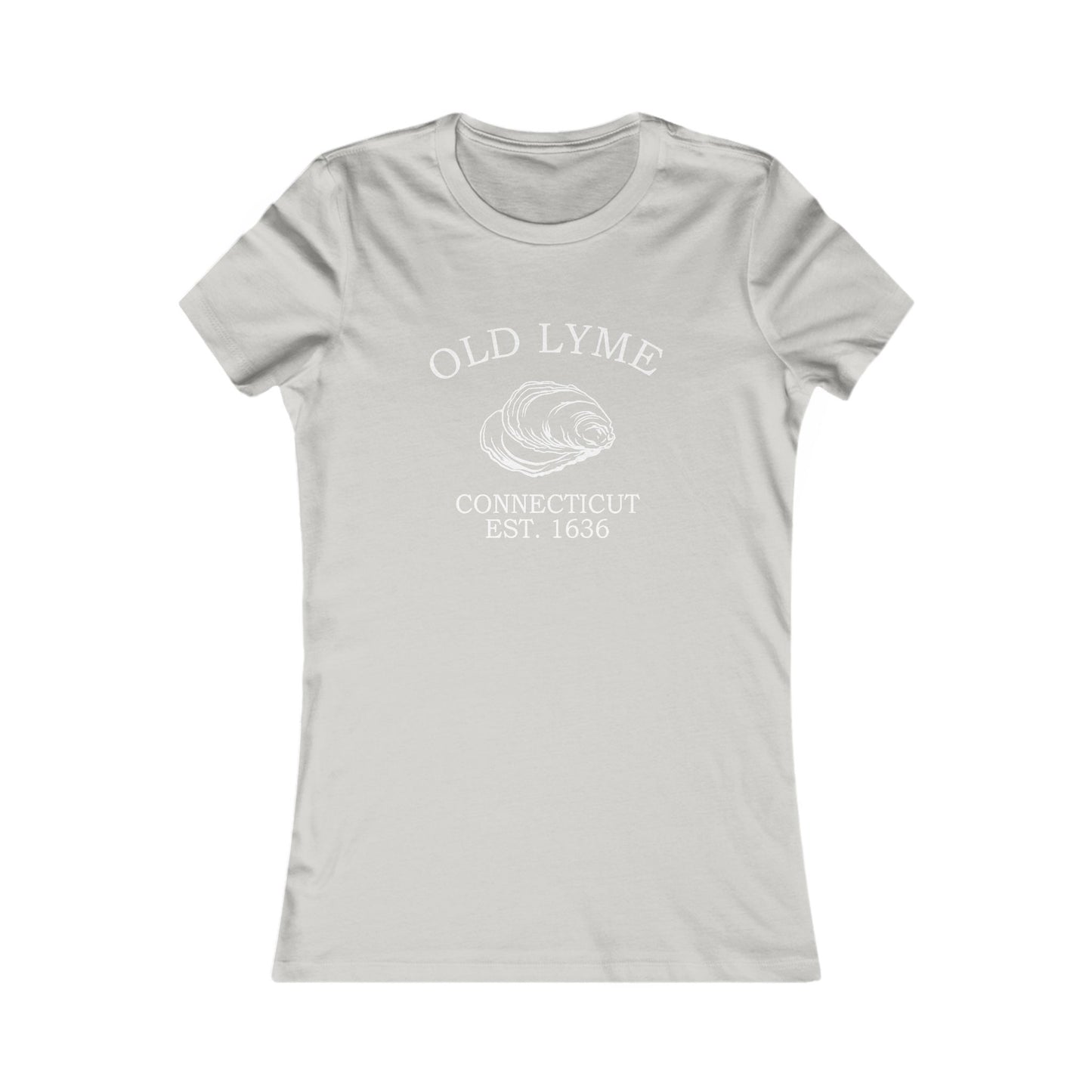
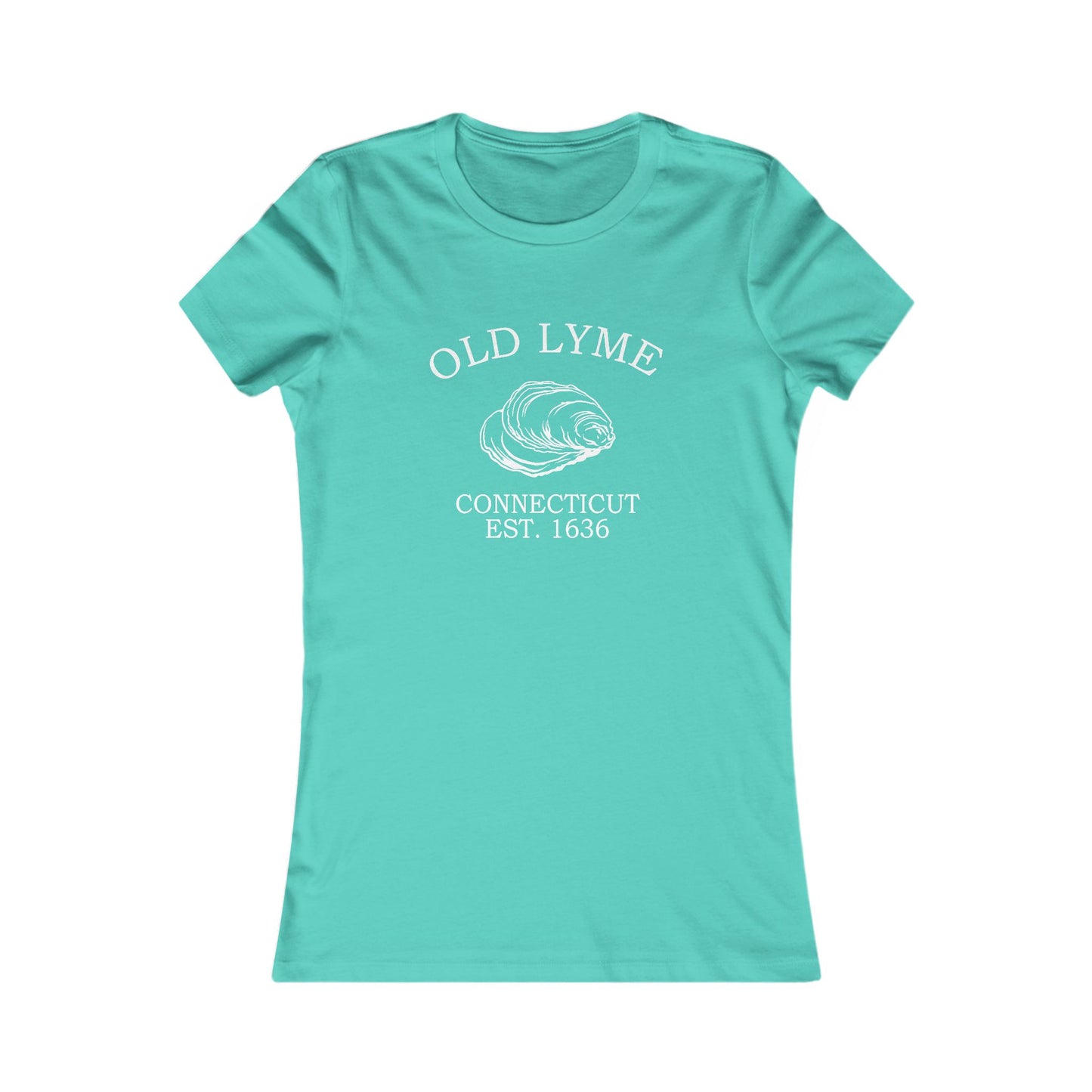
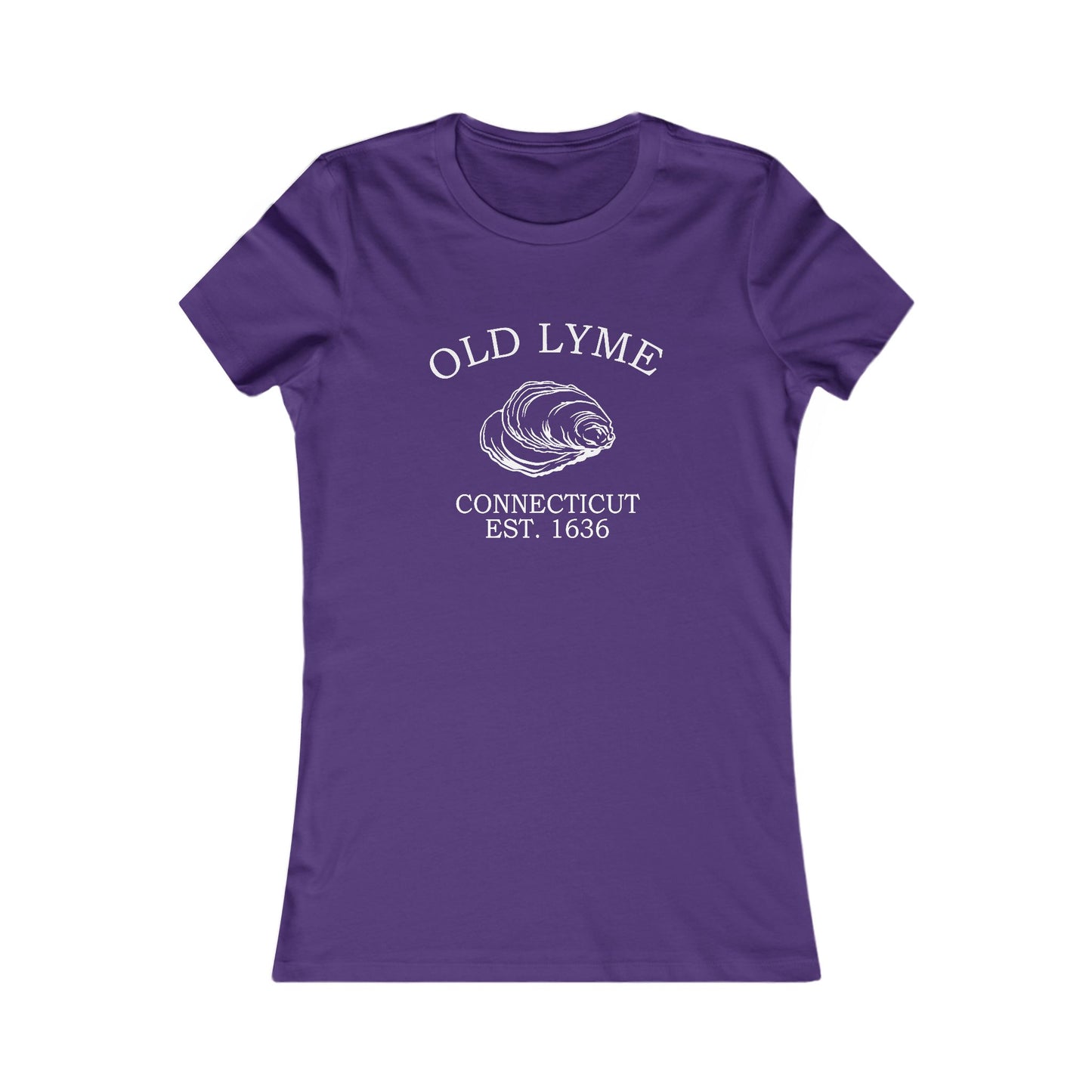
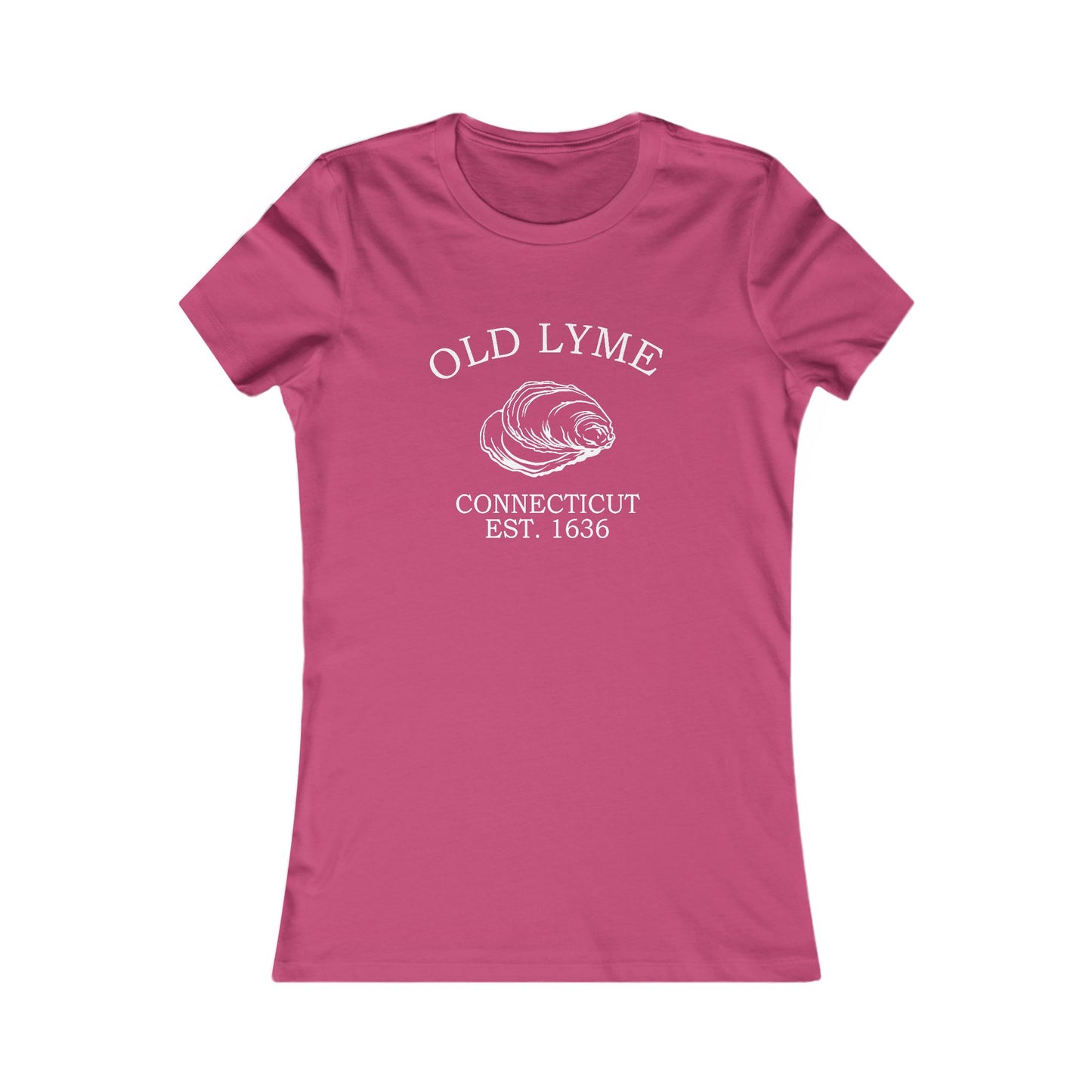
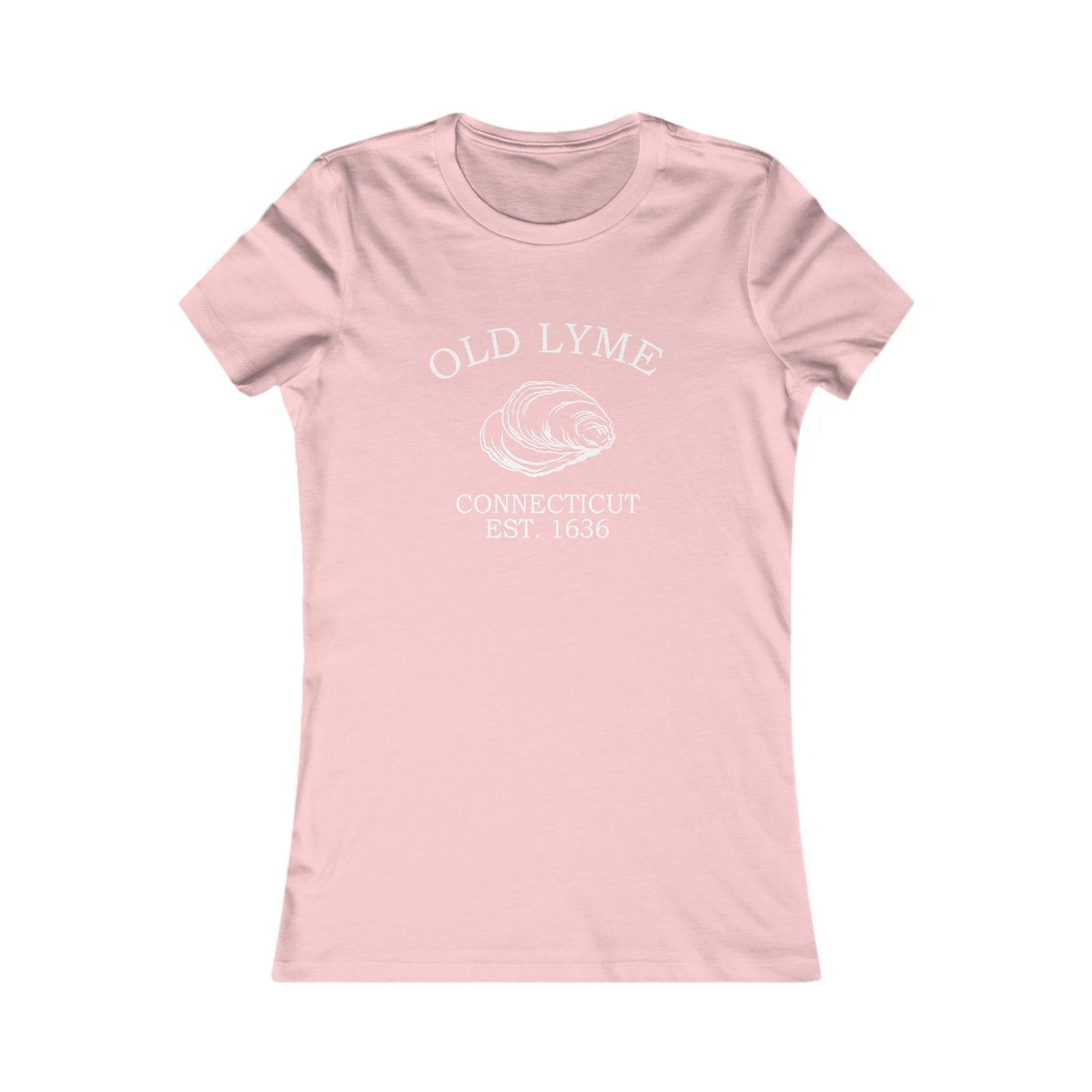
Old Lyme wears its history lightly: a town green the Impressionists painted, a museum where the art is on the walls because the walls are the art, and river light that has been drawing painters for more than a century. Our Old Lyme designs gather that identity — the clam shell, the 1636 emblem, the colony's light — into wearable form. Painting the light since 1899.
Why People Visit Old Lyme Connecticut
- Tour the Florence Griswold Museum, artists colony home with galleries and riverside grounds.
- See the painted panels — 41 works painted directly on the doors and walls of the boarding house.
- Visit Lyme Art Association, historic galleries showcasing regional painters.
- Relax at Sound View Beach, sandy shoreline with gentle surf and boardwalk blocks.
- Walk the Town Green, churches and historic homes along tree lined Lyme Street.
- Enjoy White Sand Beach, neighborhood cove with seasonal access and calm waters.
- Paddle or picnic at Rogers Lake, the freshwater anchor of the town's northern half.
