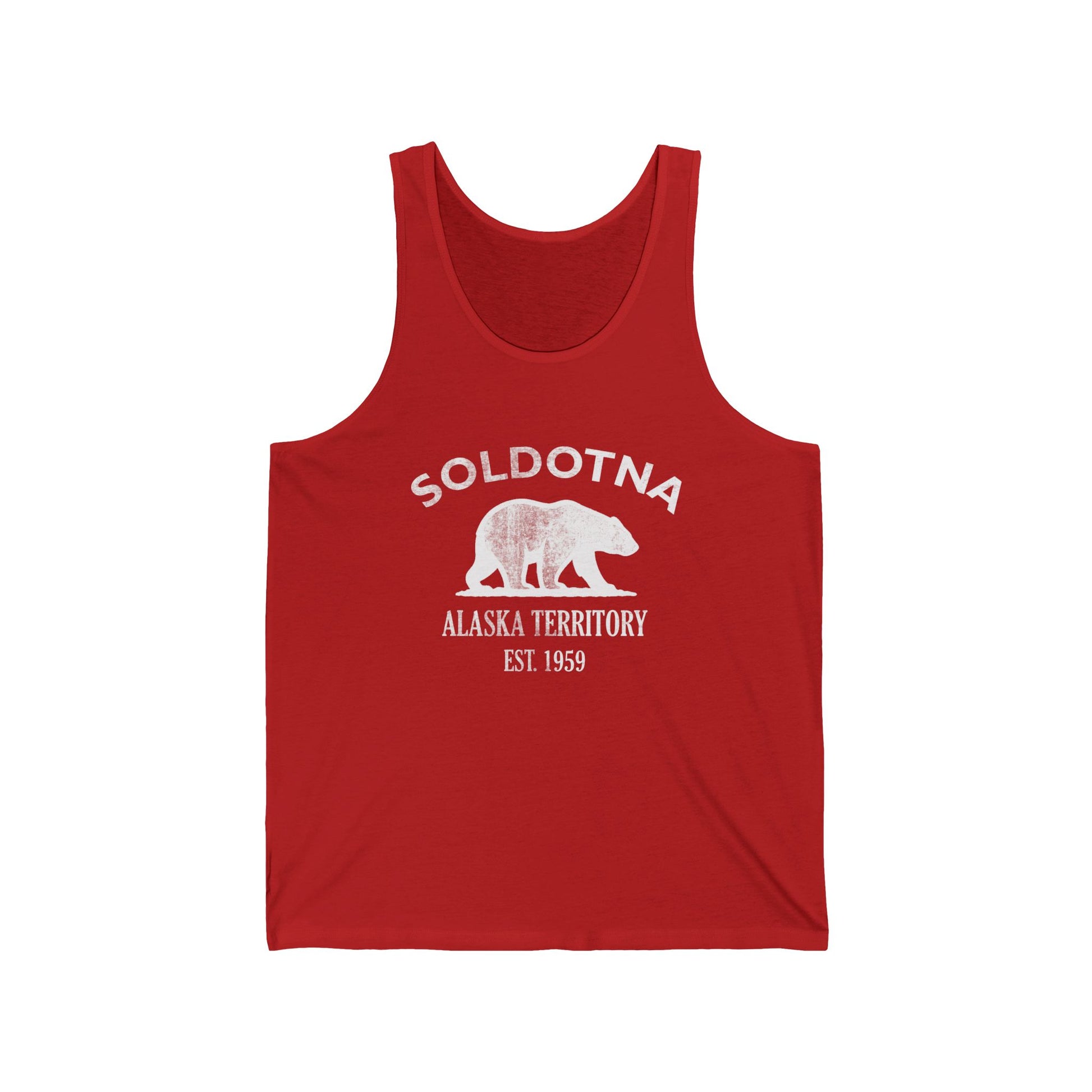
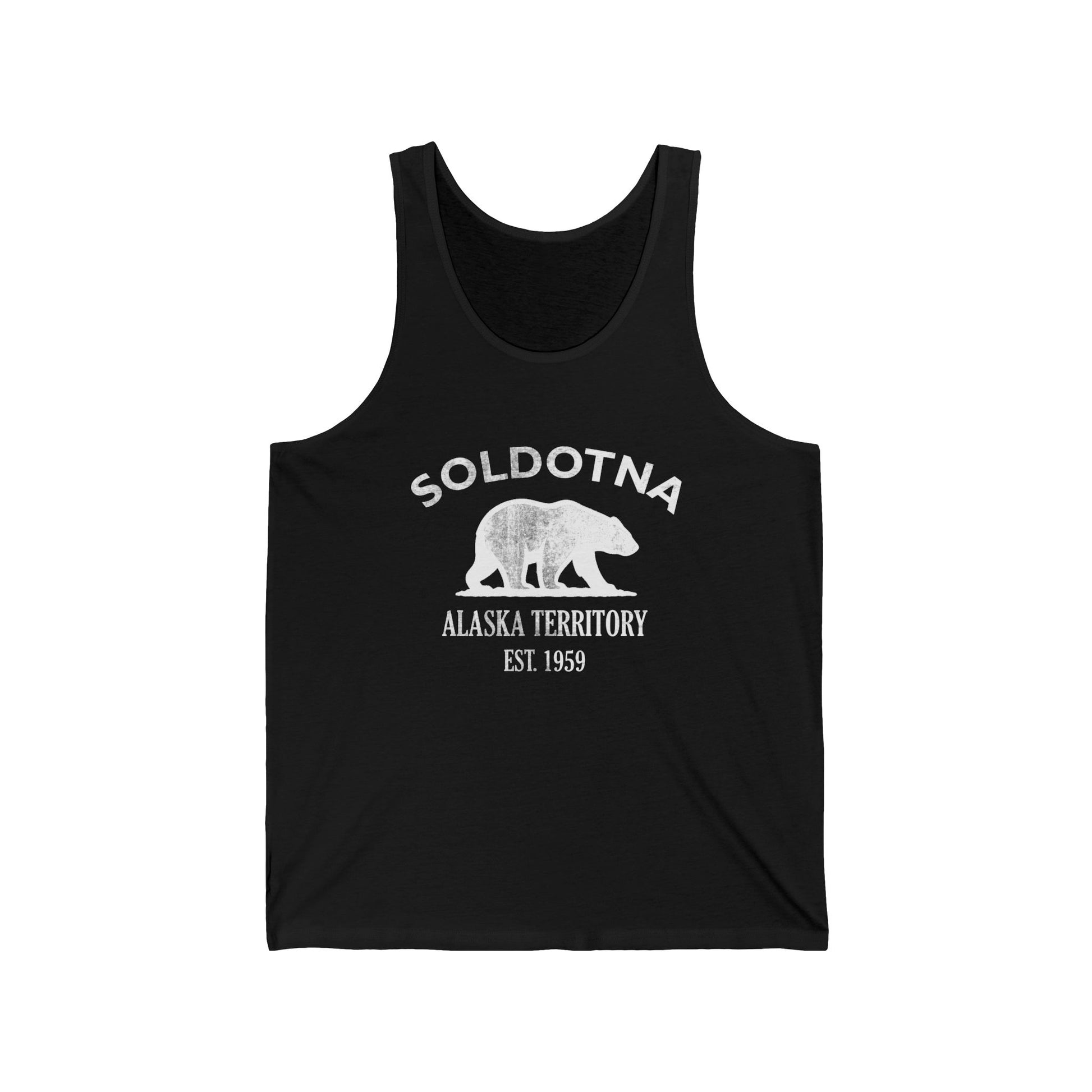
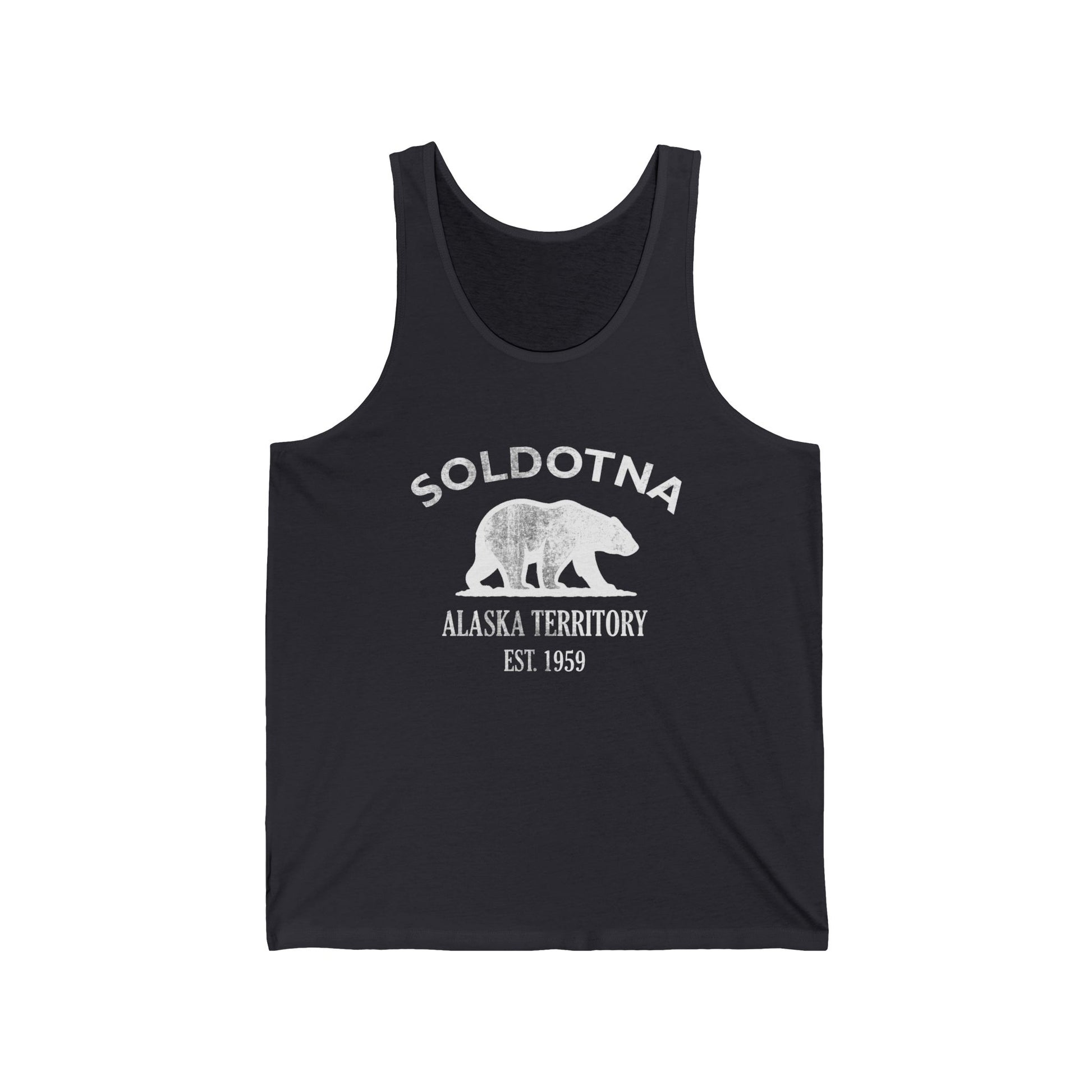
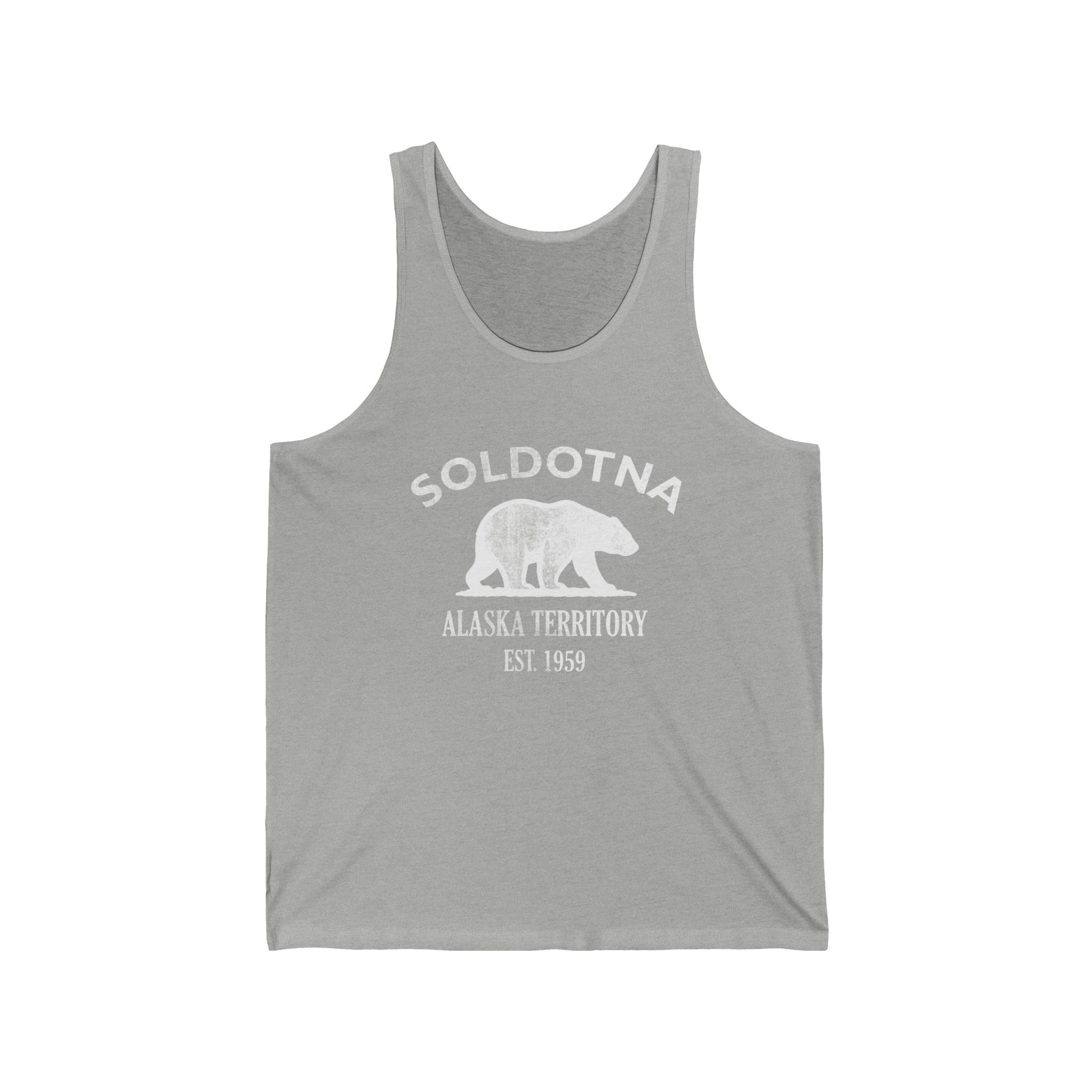
So Soldotna gathers a homestead town, the turquoise Kenai, and the world-record king salmon onto the central Kenai Peninsula. Our Soldotna designs gather that into wearable form. Wear the history. World-record water — Soldotna, on the Kenai River.
Soldotna grew into the seat of the Kenai Peninsula Borough and the headquarters of the 1.92-million-acre Kenai National Wildlife Refuge — 'Alaska in miniature,' with moose, bear, lynx, and trumpeter swans at the town's very edge. Long before any of it, the Dena'ina people of the Kenaitze lived along this river and its salmon, a presence on the Kenai that runs far deeper than the homestead century that followed, and one the Kenaitze Indian Tribe carries forward on the central Peninsula today.
Why People Visit Soldotna
Visitors come to Soldotna for the Kenai River and stay for everything around it — the salmon runs, the wildlife refuge, the homestead history, and an easy, river-centered pace. It is the natural base for the whole central Peninsula, with drift boats and fish camps along the water in summer and the northern lights overhead in winter. Active, welcoming, and built around its river, Soldotna rewards anyone drawn to the great Alaska outdoors in any season.
