Every design is set in hand-lettered vintage type for that old-school, crate-label look. One sample color shown — black and white logo options on every piece. Recently in the national press. Enjoy!
-
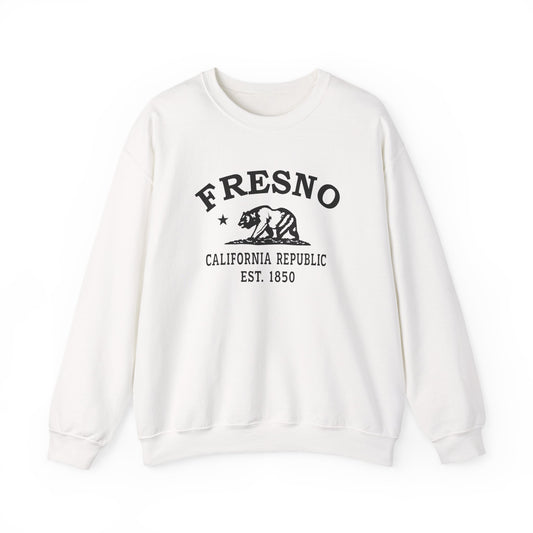
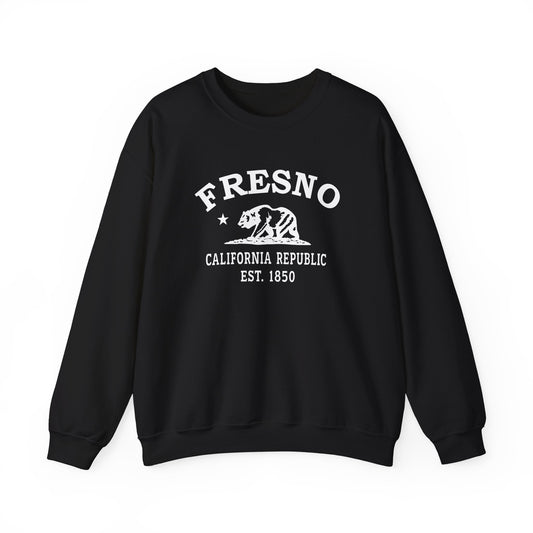
Fresno California Vintage Retro Premium Crewneck Sweatshirt - Black Logo
Regular price $48.00 USDRegular price -
Fresno California Vintage Retro Premium Crewneck Sweatshirt - White Logo
Regular price $48.00 USDRegular price -
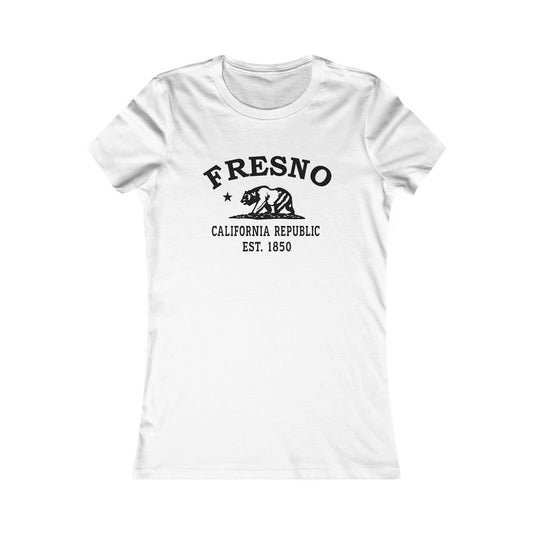
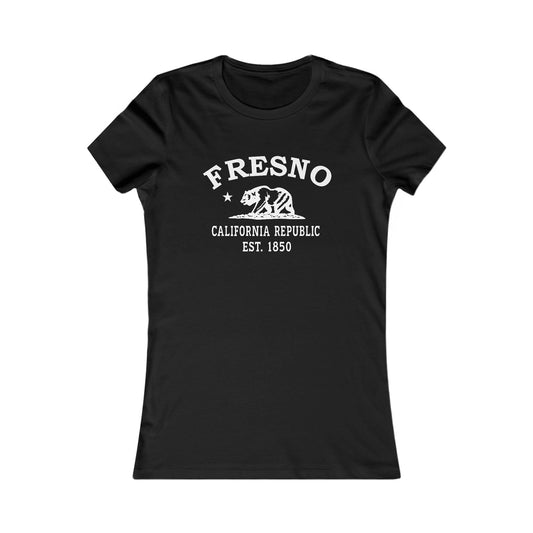
Fresno California Vintage Retro Womens Fitted Ringspun Cotton Tee - Black Logo
Regular price $28.00 USDRegular price -
-
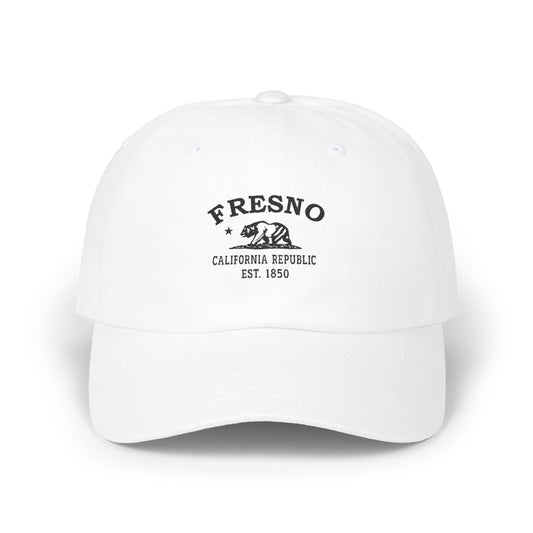
Fresno California Vintage Retro Embroidered Cotton Cap - Black Logo
Regular price $32.00 USDRegular price -
Fresno California Vintage Retro Embroidered Cotton Cap - White Logo
Regular price $32.00 USDRegular price -
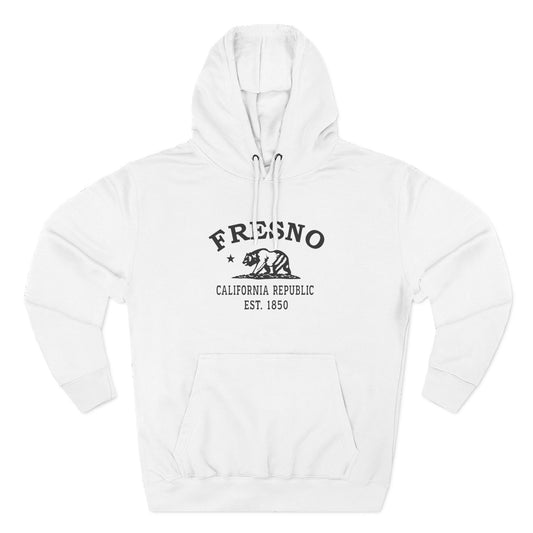
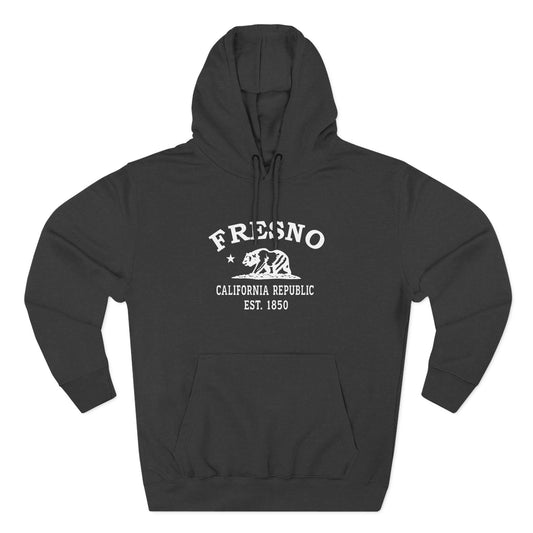
Fresno California Vintage Retro Unisex Heavy Cotton Hoodie - Black Logo
Regular price $56.00 USDRegular price -
Fresno California Vintage Retro Unisex Heavy Cotton Hoodie - White Logo
Regular price $56.00 USDRegular price -
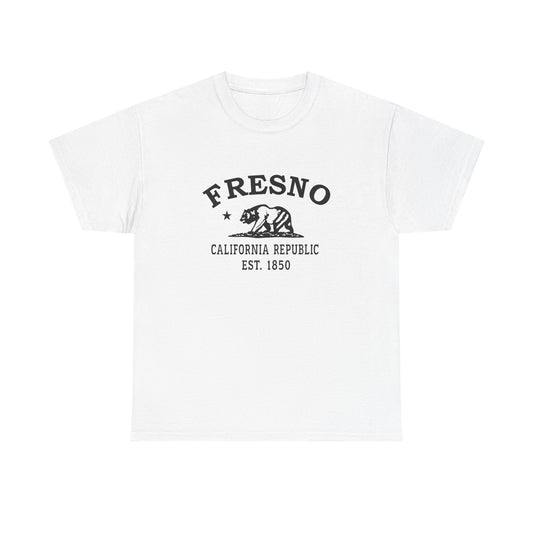
Fresno California Vintage Retro Unisex Heavy Cotton Tee - Black Logo
Regular price $22.00 USDRegular price -
Fresno California Vintage Retro Unisex Heavy Cotton Tee - White Logo
Regular price $22.00 USDRegular price -
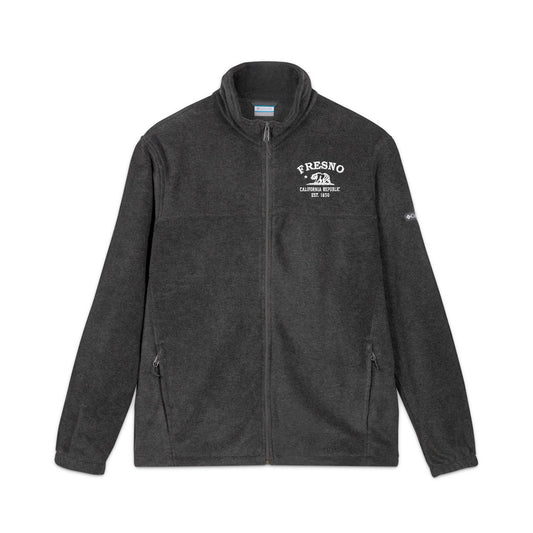
Fresno California Vintage Retro Unisex Embroidered Fleece Jacket - White Logo
Regular price $98.00 USDRegular price -
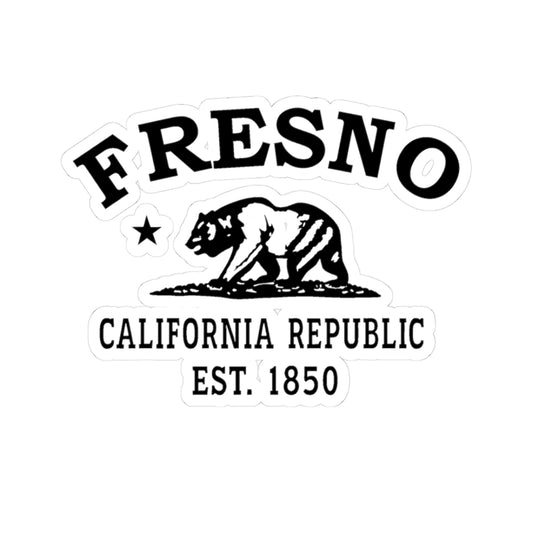
Fresno California Vintage Retro Vinyl Sticker - Black Logo
Regular price From $6.00 USDRegular price -
Fresno California Vintage Retro Ceramic Mug - Black Logo
Regular price From $16.00 USDRegular price -
Fresno California Vintage Retro Cotton Canvas Tote Bag - White Logo
Regular price $25.00 USDRegular price -
Fresno California Vintage Retro Cotton Canvas Tote Bag - Black Logo
Regular price $25.00 USDRegular price -
Fresno California Vintage Retro Thank You Card Set - Black Logo
Regular price From $25.00 USDRegular price -
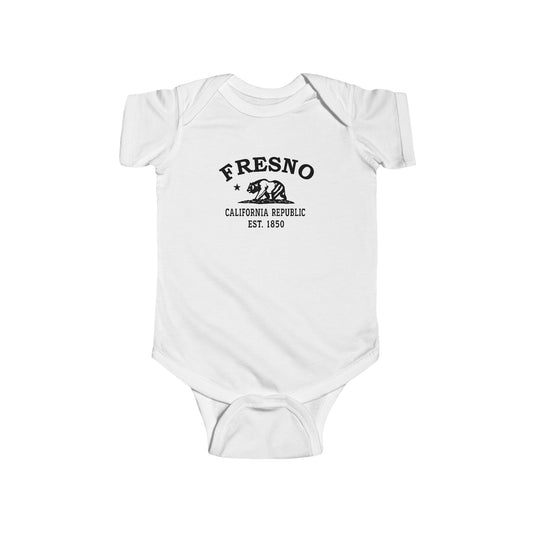
Fresno California Vintage Retro Cotton Jersey Baby Bodysuit - Black Logo
Regular price $26.00 USDRegular price -
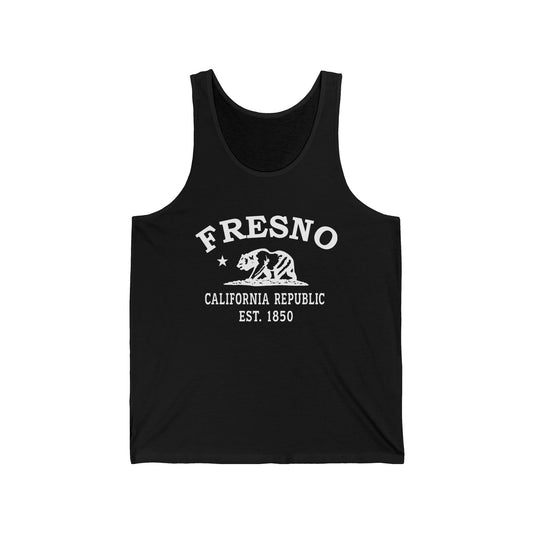
Fresno California Vintage Retro Unisex Cotton Jersey Tank Top - White Logo
Regular price $28.00 USDRegular price -
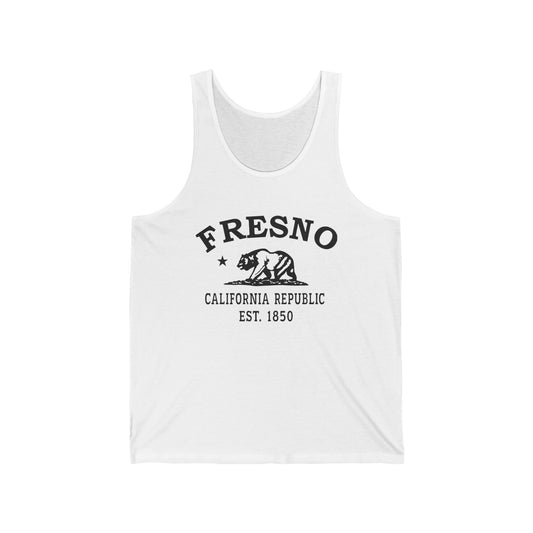
Fresno California Vintage Retro Unisex Cotton Jersey Tank Top - Black Logo
Regular price $28.00 USDRegular price -
Fresno California Vintage Retro Back Printed Art Series Cotton Tee - Black Logo
Regular price $32.00 USDRegular price -
Fresno California Vintage Retro Giclée Print Art Series Poster
Regular price From $38.00 USDRegular price -
Fresno California Vintage Retro Unisex Heavy Crewneck Sweatshirt - Black Logo
Regular price $44.00 USDRegular price -
Fresno California Vintage Retro Unisex Heavy Crewneck Sweatshirt - White Logo
Regular price $44.00 USDRegular price -
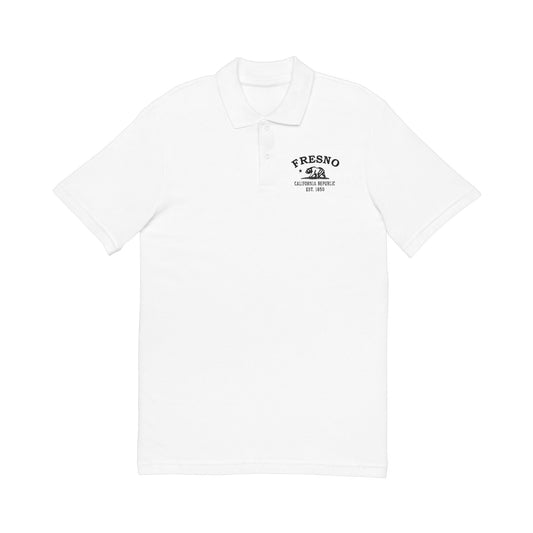
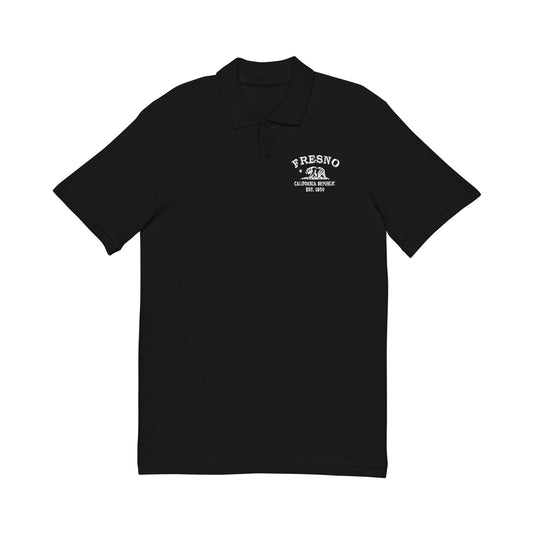
Fresno California Vintage Retro Unisex Embroidered Cotton Polo - Black Logo
Regular price $48.00 USDRegular price






Fresno California — Retro Vintage History
What's with the Raisin Capital? Fresno sits at the center of the most productive farm county in the United States — Fresno County leads the nation in agricultural output, with billions of dollars a year in grapes, almonds, cotton, peaches, and figs grown on the flat, irrigated floor of the San Joaquin Valley. Above all it was raisins: the valley sun turning whole vineyards of grapes to raisins on paper trays, an empire so large that a Fresno land baron named M. Theo Kearney was simply called the Raisin King of California. The old fruit-crate labels, with their bright suns and locomotives and bunches of grapes, are the perfect emblem of the place — a city the desert became a garden.
Wear the HistoryWhere you're from. Where you love. Where you explored. Where you belong.
The name is a quiet clue to how dry it started. ‘Fresno’ is Spanish for the ash trees that grew along the San Joaquin River, and the town began in 1872 as little more than a Central Pacific Railroad station planted on the open plain — the railroad's Leland Stanford is credited with choosing the spot. Fresno County had been carved out a bit earlier, in 1856, in the years after the Gold Rush; Fresno became its seat in 1874 and incorporated as a city in 1885. From the start it sat near the geographic center of California, the largest town for a hundred miles in any direction. (Spell it “Frenso” and the Valley will still know exactly where you mean.)
QUICK FACTS — FRESNO, CA
Fresno County is the most productive farm county in the United States — the Raisin Capital of the World, growing the vast majority of the nation's raisins.
“Fresno” is Spanish for ash tree — named for the ashes along the San Joaquin River; the city began in 1872 as a Central Pacific Railroad station.
The Forestiere Underground Gardens — 65 hand-dug subterranean rooms built by Sicilian immigrant Baldassare Forestiere from 1906 to 1946 — are California Historical Landmark No. 916.
Fresno is the gateway to three national parks: Yosemite and Kings Canyon about 60 miles away, Sequoia about 75.
It is the largest inland city in California and the fifth-largest in the state.
The Old Fresno Water Tower (1894) and the Art Deco Tower Theatre (1939) anchor the city's historic architecture.
Fresno County was formed in 1856; the city became county seat in 1874 and incorporated in 1885.
The Shinzen Friendship Garden in Woodward Park is a gift of Fresno's sister city, Kochi, Japan — a friendship formal since 1965.
It took water to make the desert pay. The valley floor was Yokuts and Miwok homeland, hot and dry, until canal companies in the 1880s — Moses Church's Fresno Canal and Irrigation Company chief among them — began spreading San Joaquin River water across the fields. Irrigation turned the dust into one of the richest agricultural districts on earth, and grapes drying in the long valley sun made Fresno the raisin capital of the world. The crate label and the canal did between them what nothing else could: they made the plain bloom.

The accident that made an empire. Ask how the raisin business started and Fresno will tell you the story: in 1873 a brutal heat wave dried a farmer's Muscat grapes right on the vine — a ruined crop, until a San Francisco grocer sold the shriveled clusters as a delicacy and asked for more. The Valley has been drying grapes in the sun on purpose ever since, by the billions.
The fields drew the world to Fresno. Through the early twentieth century the city filled with immigrants come to work and farm the land — Armenians above all, who built Holy Trinity Church in 1914 and gave Fresno the writer William Saroyan, alongside German-Russian, Japanese, Chinese, and Mexican communities. That mix never left; Fresno today is one of the most diverse cities in the United States, a valley capital built by many hands and many languages.
And one immigrant built something unlike anything else in California. Starting in 1906, a Sicilian named Baldassare Forestiere spent forty years — with shovels, picks, and his own imagination — hand-digging an underground world beneath the hardpan: more than ten acres of rooms, courtyards, and tunnels as deep as twenty-five feet, with citrus trees growing up toward skylights and a microclimate cooler than the brutal valley summer. The Forestiere Underground Gardens, now a registered historic landmark, are still there — Fresno's strangest and most wonderful secret.
Above ground, Fresno grew into a handsome streetcar city. The Romanesque Old Fresno Water Tower went up in 1894, the Santa Fe Depot in 1896, and downtown filled with Victorian storefronts and 1920s highrises. North of the old center, the Tower District grew up around the Tower Theatre, a 1939 Streamline Moderne movie palace whose bright neon still lights the city's most artistic neighborhood, full of cafes, theaters, and shops. It is the closest thing the Valley has to a vintage main-street downtown.
Fresno's other identity is what lies just east. The city is the great gateway to the High Sierra: Yosemite, Kings Canyon, and Sequoia National Parks all sit within about an hour or two, along with the Sierra National Forest and a string of mountain lakes. You can stand among raisin vines on the valley floor in the morning and among the largest trees on earth by afternoon — the airport is even named Fresno Yosemite International. Few cities open onto so much wild country.
Our Fresno logo carries California's grizzly bear above ‘California Republic — Est. 1850,’ the shared retro emblem of our California towns; the bear is the state's own icon, taken from the old Bear Flag Republic, and 1850 marks the year California joined the Union. Rendered in black-and-white, it ties Fresno to every other California town we make. What makes this one Fresno is the country behind the bear — the vineyards and crate labels of the Valley floor, and the Sierra rising on the eastern horizon.
So Fresno gathers the ash-tree namesake, the raisin empire, an immigrant's hand-dug underground gardens, and the gateway to three national parks onto one stretch of valley floor. Our Fresno designs gather that into wearable form. Wear the history. The Valley's heart, the High Sierra's gateway.

Fresno, California — Travel Guide
Visiting Fresno Today
Fresno is the capital of California's San Joaquin Valley, set near the geographic center of the state. It mixes a vintage farm-and-railroad downtown, a Sicilian immigrant's hand-dug underground gardens, and a neon arts district with its biggest draw of all — the gateway to Yosemite, Kings Canyon, and Sequoia, all within about an hour or two.
The Underground Gardens, the Tower District & the Sierra Gateway
For visitors looking for things to do in Fresno, California:
- Tour the Forestiere Underground Gardens, with hand-carved tunnels, courtyards, and citrus patios below ground.
- Explore the Tower District around the neon 1939 Tower Theatre, with its cafes, theaters, and shops.
- Walk Woodward Park and the Shinzen Friendship Garden, the gift of sister city Kochi, Japan.
- Visit the Fresno Chaffee Zoo in Roeding Park.
- Tour the Kearney Mansion, the 'Raisin King's' estate and home of the Fresno County Historical Society.
- See the Romanesque Old Fresno Water Tower of 1894 downtown.
- Use Fresno as a base for Yosemite, Kings Canyon, and Sequoia National Parks, all within about an hour or two.
- Browse Old Town Clovis nearby for vintage shops and railroad-era charm.
Why People Visit Fresno
Visitors choose Fresno for its unique gardens, family-friendly parks, and gateway convenience. The Tower District and downtown highlight history and everyday culture, and the city's central location makes regional day trips simple — most of all into the High Sierra. Travelers find year-round appeal in its parks, paths, and public spaces, where vintage farm-town California and the wild mountains beyond sit side by side in a welcoming way.
Wear the History
Where you're from. Where you love. Where you explored. Where you belong.
Kindred Cities
A warm welcome to friends from Kochi, Japan (ようこそ) and Münster, Germany (willkommen) — Fresno's longest and steadiest friendships abroad.
Fresno sits at the heart of California's farm country, and its sisters are cities of substance too. Kochi, on Japan's Shikoku coast, gave Fresno the Shinzen Friendship Garden that anchors Woodward Park; Münster is a Westphalian university city of bicycles and old brick. Half a world apart, both have traded students and goodwill with the Central Valley for generations.
Kochi has been Fresno's sister since 1965, its oldest and unbroken — a friendship whose roots reach back to Nakahama Manjirō, the shipwrecked Kochi fisherman an American ship carried to Massachusetts in 1841, who later helped open Japan to the West.
Arrive from Kochi, and find the piece of home Fresno already keeps: the Shinzen garden your city gave us, the long warm valley sun, and farm country that, like Shikoku's, feeds a nation. Come and visit us soon.
When you plan the trip, Visit Fresno County — the region's tourism bureau — is the place to start.
Wear the History
Where you're from. Where you love. Where you explored. Where you belong.

For deeper reading on the Fresno history described here — the ash-tree namesake and the 1872 railroad founding, the 1856 county and 1885 incorporation, the 1880s irrigation boom and the raisin empire, the Armenian and other immigrant communities, the Forestiere Underground Gardens, and the Tower District and Sierra-gateway history — it may be useful to consult (1) the Fresno County Historical Society at the Kearney Mansion, (2) the Fresno County Public Library's Heritage Center and California History Room, (3) the Meux Home Museum, (4) the California State Library and State Archives, and (5) the City of Fresno Historic Preservation office and the local-history collections of the Fresno City and County libraries. For travel and visitor information, it may be useful to contact (1) Visit Fresno County, (2) Visit California, (3) the National Park Service for Yosemite, Kings Canyon & Sequoia, (4) the City of Fresno PARCS Department, and (5) Fresno Yosemite International Airport (FAT).
- Choosing a selection results in a full page refresh.
- Opens in a new window.