-
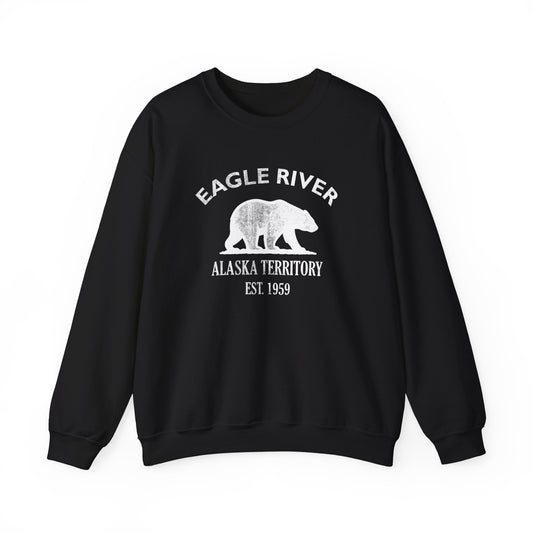
Eagle River Alaska Vintage Retro Premium Crewneck Sweatshirt - Black Logo
Regular price $48.00 USDRegular price -
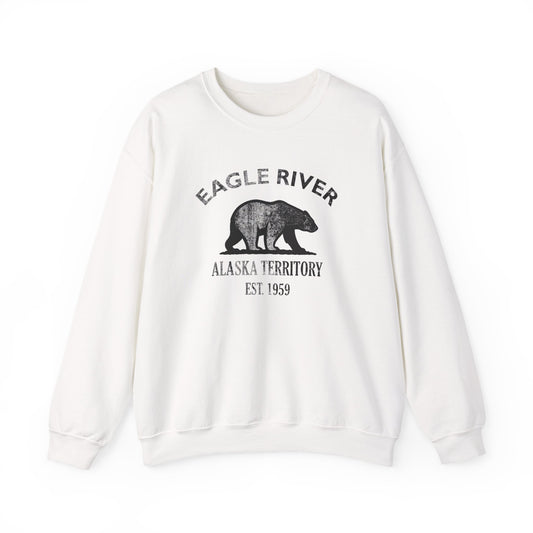
Eagle River Alaska Vintage Retro Premium Crewneck Sweatshirt - White Logo
Regular price $48.00 USDRegular price -
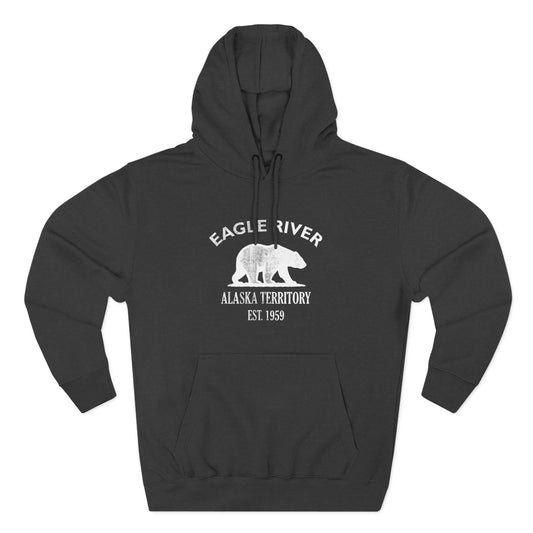
Eagle River Alaska Vintage Retro Unisex Heavy Cotton Hoodie - White Logo
Regular price $56.00 USDRegular price -
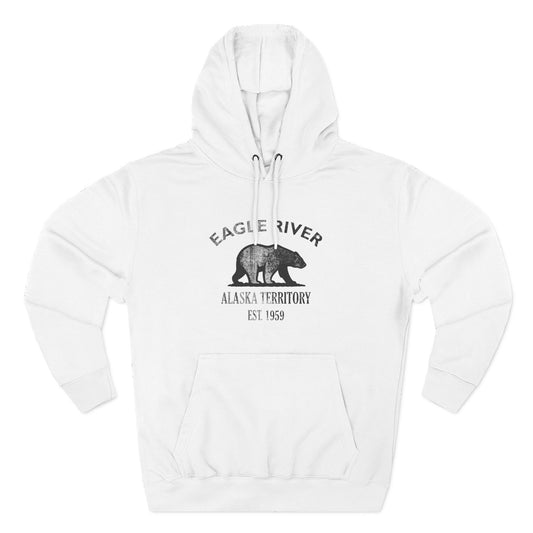
Eagle River Alaska Vintage Retro Unisex Heavy Cotton Hoodie - Black Logo
Regular price $56.00 USDRegular price -
Eagle River Alaska Vintage Retro Back Printed Art Series Cotton Tee - Black Logo
Regular price $32.00 USDRegular price -
Eagle River Alaska Vintage Retro Giclée Print Art Series Poster
Regular price From $38.00 USDRegular price -
Eagle River Alaska Vintage Retro Unisex Heavy Cotton Tee - White Logo
Regular price $22.00 USDRegular price -
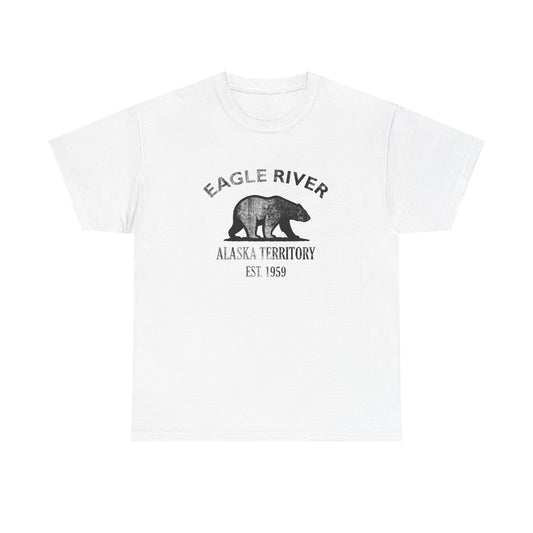
Eagle River Alaska Vintage Retro Unisex Heavy Cotton Tee - Black Logo
Regular price $22.00 USDRegular price -
Eagle River Alaska Vintage Retro Embroidered Cotton Cap - White Logo
Regular price $32.00 USDRegular price -
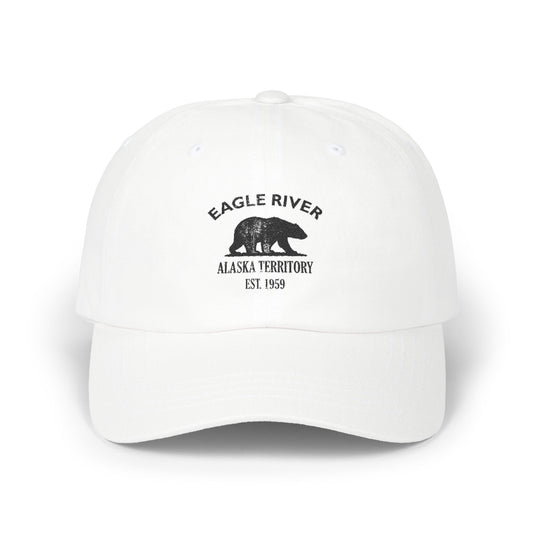
Eagle River Alaska Vintage Retro Embroidered Cotton Cap - Black Logo
Regular price $32.00 USDRegular price -
-
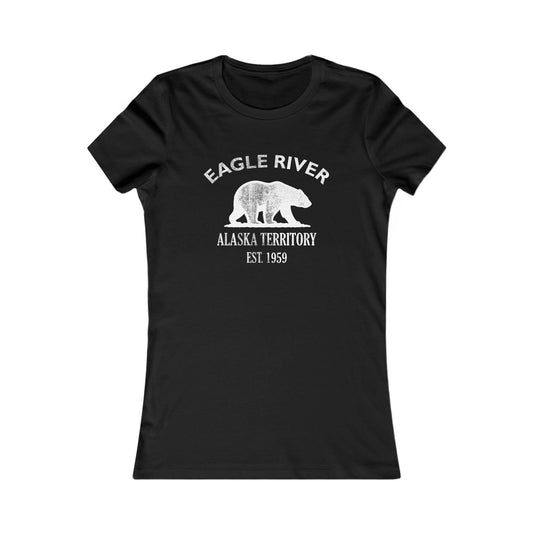
Eagle River Alaska Vintage Retro Womens Fitted Ringspun Cotton Tee - Black Logo
Regular price $28.00 USDRegular price -
Eagle River Alaska Vintage Retro Unisex Heavy Crewneck Sweatshirt - White Logo
Regular price $44.00 USDRegular price -
Eagle River Alaska Vintage Retro Unisex Heavy Crewneck Sweatshirt - Black Logo
Regular price $44.00 USDRegular price -
Eagle River Alaska Vintage Retro Unisex Embroidered Fleece Jacket - White Logo
Regular price $98.00 USDRegular price -
Eagle River Alaska Vintage Retro Cotton Canvas Tote Bag - White Logo
Regular price $25.00 USDRegular price -
Eagle River Alaska Vintage Retro Cotton Canvas Tote Bag - Black Logo
Regular price $25.00 USDRegular price -
Eagle River Alaska Vintage Retro Vinyl Sticker - Black Logo
Regular price From $6.00 USDRegular price -
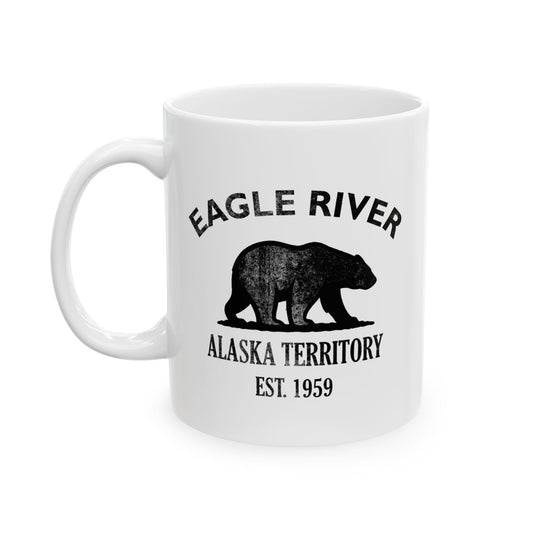
Eagle River Alaska Vintage Retro Ceramic Mug - Black Logo
Regular price From $16.00 USDRegular price -
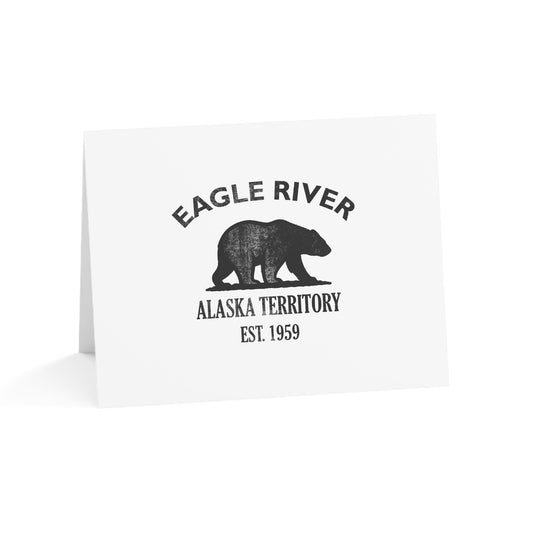
Eagle River Alaska Vintage Retro Thank You Card Set - Black Logo
Regular price From $25.00 USDRegular price -
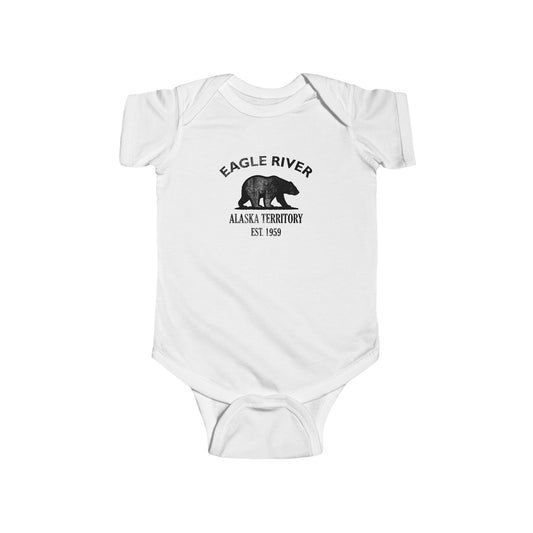
Eagle River Alaska Vintage Retro Cotton Jersey Baby Bodysuit - Black Logo
Regular price $26.00 USDRegular price -
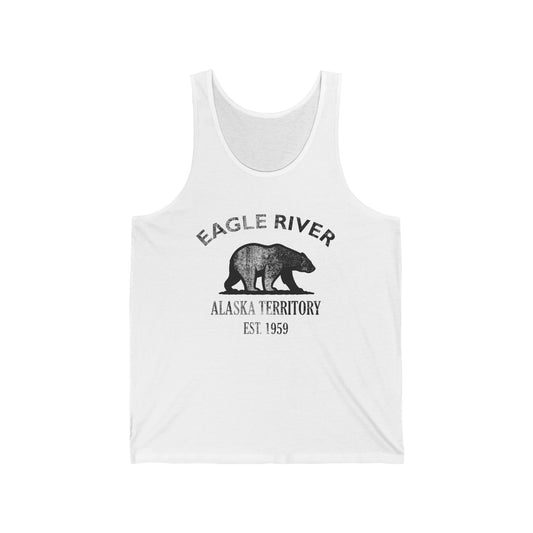
Eagle River Alaska Vintage Retro Unisex Cotton Jersey Tank Top - White Logo
Regular price $28.00 USDRegular price -
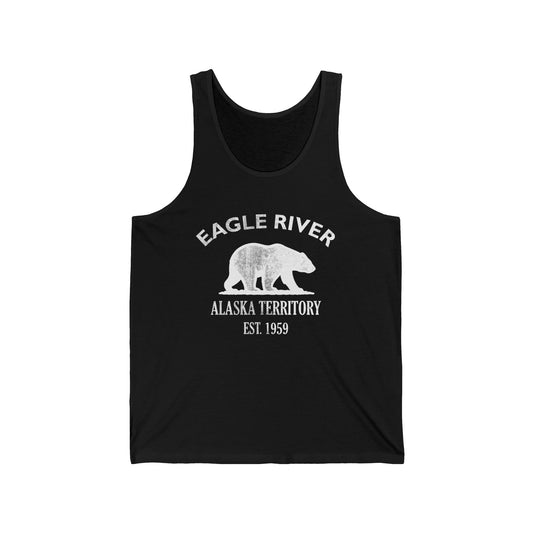
Eagle River Alaska Vintage Retro Unisex Cotton Jersey Tank Top - Black Logo
Regular price $28.00 USDRegular price -
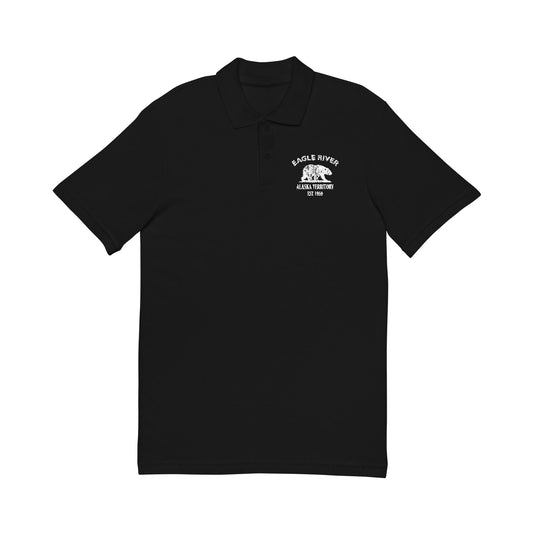
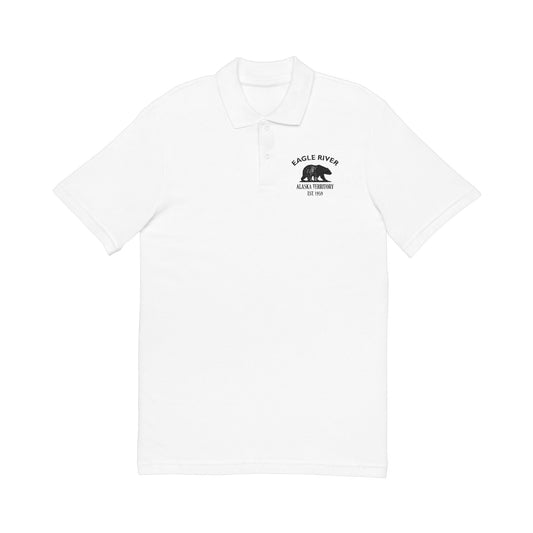
Eagle River Alaska Vintage Retro Unisex Embroidered Cotton Polo - Black Logo
Regular price $48.00 USDRegular price





Eagle River Alaska — Retro Vintage History
What's with the gateway? Just north of Anchorage, where the Eagle River pours down out of the mountains, the town of Eagle River sits at the doorstep of Chugach State Park — at nearly half a million acres, the third-largest state park in the country. The Eagle River Nature Center marks the way in, and from there the trails climb straight into some of the wildest country any city has ever kept in its own backyard. That is the town's whole identity, and the reason people who live here put up with the commute: this is the place where the suburb stops and the Chugach begins.
Wear the HistoryLong before there was a town, this was Dena'ina Athabascan country. For thousands of years the Dena'ina hunted and fished the Eagle River drainage and the tide flats of Knik Arm, moving with the salmon runs and the seasons, and they knew the river by their own name for it, Yukla Hina. Their presence in the upper Cook Inlet basin is unbroken — Dena'ina people are still here, still tied to this water and this country — and any honest account of Eagle River starts not with the homesteaders but with the people who read this valley for a hundred generations before a single cabin went up.
The river gives the valley its shape and its name. It begins as meltwater at the foot of Eagle Glacier, high in the Chugach, and runs some forty miles down through a steep glacial valley to Eagle Bay on Knik Arm, an arm of Cook Inlet. The Chugach front range walls the eastern edge of town, and Mount Baldy rises straight up behind the houses — a short, steep climb that locals treat as a backyard hike and that rewards you with the whole valley and the inlet laid out below. It is mountain country pressed right up against a neighborhood, and that closeness is the point.

The modern town is a post-war story. After the Second World War, returning servicemembers took up homesteads in the Chugiak–Eagle River valley, and the community grew up alongside the great Anchorage military posts — Elmendorf Air Force Base and Fort Richardson, today joined as Joint Base Elmendorf-Richardson, or JBER, just to the south. As Anchorage expanded outward, Eagle River became its mountain-side bedroom community, and in 1975 the valley was folded into the unified Municipality of Anchorage. It has carried a double identity ever since: fifteen minutes from a downtown, fifteen minutes from genuine wilderness.
The country also carries one of Alaska's real historic routes. Over the Chugach behind town runs Crow Pass, and the 26-mile Crow Pass Trail traces the original overland Iditarod Trail — the gold-rush-era mail and freight route that crossed the mountains toward Girdwood and the gold country beyond. Hikers still walk it past Raven Glacier and the ruins of the old Monarch Mine, and the modern ceremonial Iditarod connection keeps the sled-trail heritage alive. The Eagle River Nature Center, at the valley's head, is the gateway to all of it: the trail, the park, and the braided river below.
For all the wilderness at its back, Eagle River is a real town with its own rhythms. Every July the Bear Paw Festival fills the streets with a parade, a carnival, and the famous Slippery Salmon Olympics — the community's big summer gathering. For the many military families rotating through JBER, Eagle River becomes a place that stays with them: a valley they hiked, a river they fished, a hometown for a few years that turns up on a hoodie long after the next set of orders. It is a town that knows exactly what it is.
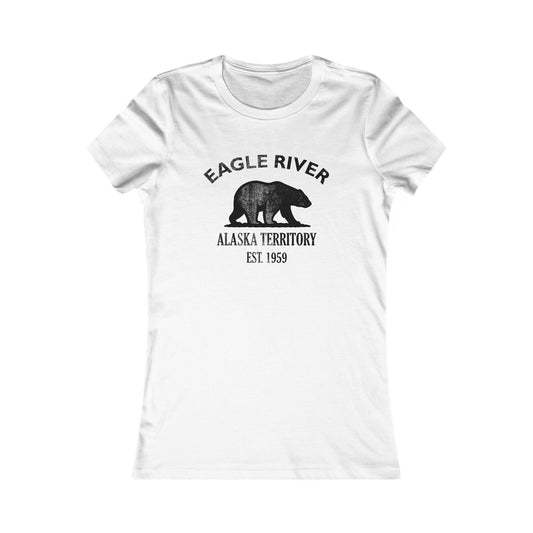
Our Eagle River logo carries Alaska's bear over "Alaska Territory · Est. 1959," the year Alaska became the forty-ninth state — the shared emblem of every Merlin Classics Alaska place. Printed in a distressed black-and-white that reads like an old outfitter's stamp, the bear is the Last Frontier in shorthand: rugged, wild, and at home in the cold. The bear is the through-line that ties Eagle River to every other Alaska town we make. What makes this one Eagle River is the country standing behind it — the Chugach front range, the glacier-fed river, and the historic pass over the mountains.
Today Eagle River is the gateway community of the Chugach — a valley town set between Alaska's biggest city and its third-largest state park, with a glacier-fed river running through the middle of it and the mountains right out the back door. Its story runs from a Dena'ina homeland through a post-war homestead valley to a modern military-and-mountain town that never lost its wilderness edge. Our Eagle River designs gather that identity into wearable form — the bear-and-1959 emblem, the Chugach, and the gateway spirit. Eagle River, Alaska: where the city ends and the mountains begin.

Eagle River, Alaska — Travel Guide
Visiting Eagle River Today
Eagle River sits in its own valley about fifteen minutes north of downtown Anchorage, off the Glenn Highway and framed by the Chugach front range. It makes a relaxed, uncrowded base for Southcentral Alaska — quieter and greener than the city, with trailheads right in town that put you in alpine country within the hour, and with Anchorage's airport and amenities a short drive away.
Chugach, Crow Pass & Valley Life in Eagle River
For visitors looking for things to do in Eagle River, Alaska:
- Start at the Eagle River Nature Center, the main gateway into Chugach State Park, with viewing decks, naturalist programs, and easy interpretive loops along the river.
- Hike Mount Baldy, the short, steep local favorite, for a panorama over the valley and Knik Arm.
- Walk a stretch of the historic Crow Pass Trail — the original Iditarod Trail route — along the upper Eagle River.
- Watch for moose, Dall sheep, and bears along the river corridor and the Chugach slopes above town.
- Take in the Chugach front range that walls the eastern side of the valley, snow-capped well into summer.
- Time a summer visit with the Bear Paw Festival in July, the town's parade-and-carnival weekend.
Why People Visit Eagle River
Eagle River offers a rare balance: easy access to a real Alaskan city paired with immediate, serious wilderness. Visitors come for the Chugach trailheads, the glacier-fed river, and the big mountain scenery, all minutes from town, and they stay for how unhurried it feels compared with the highway towns. It is a genuine four-season valley — hiking and fishing in the long summer light, skiing and snow on the peaks deep into spring.
Wear the History

For deeper reading on the Eagle River history described here — the Dena'ina Athabascan heritage of the Eagle River drainage and Knik Arm, the post-war homesteading of the Chugiak–Eagle River valley, the community's growth alongside the Anchorage military posts, the Crow Pass section of the historic Iditarod Trail, and the 1975 unification with the Municipality of Anchorage — it may be useful to consult (1) the Chugiak-Eagle River Historical Society, (2) the Alaska State Library, Archives and Museum and the Alaska Historical Society, (3) the Anchorage Museum and the Alaska Office of History and Archaeology, (4) the Native Village of Eklutna and Dena'ina cultural resources for the Indigenous history of the upper Cook Inlet basin, and (5) the Municipality of Anchorage records office. For travel and visitor information, it may be useful to contact (1) Visit Anchorage, (2) the Chugiak-Eagle River Chamber of Commerce, (3) Alaska State Parks and the Eagle River Nature Center for Chugach State Park and the Crow Pass Trail, (4) the Municipality of Anchorage parks and recreation department, and (5) the National Weather Service Anchorage for Southcentral road and winter-weather advisories.
- Choosing a selection results in a full page refresh.
- Opens in a new window.