-
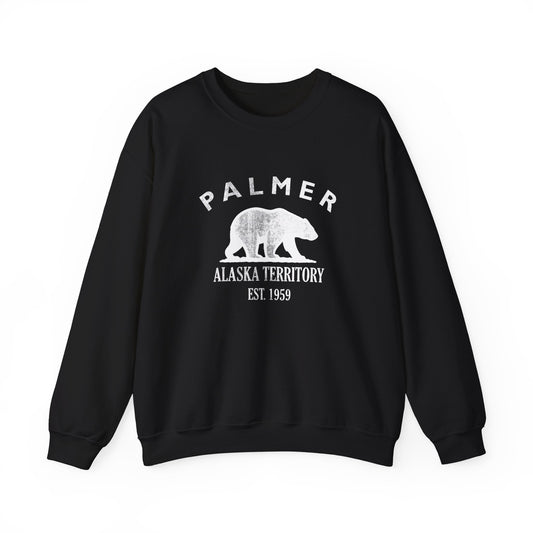
Palmer Alaska Vintage Retro Premium Crewneck Sweatshirt - Black Logo
Regular price $48.00 USDRegular price -
Palmer Alaska Vintage Retro Premium Crewneck Sweatshirt - White Logo
Regular price $48.00 USDRegular price -
Palmer Alaska Vintage Retro Unisex Heavy Cotton Hoodie - White Logo
Regular price $56.00 USDRegular price -
Palmer Alaska Vintage Retro Unisex Heavy Cotton Hoodie - Black Logo
Regular price $56.00 USDRegular price -
Palmer Alaska Vintage Retro Unisex Heavy Cotton Tee - White Logo
Regular price $22.00 USDRegular price -
Palmer Alaska Vintage Retro Unisex Heavy Cotton Tee - Black Logo
Regular price $22.00 USDRegular price -
Palmer Alaska Vintage Retro Vinyl Sticker - Black Logo
Regular price From $6.00 USDRegular price -
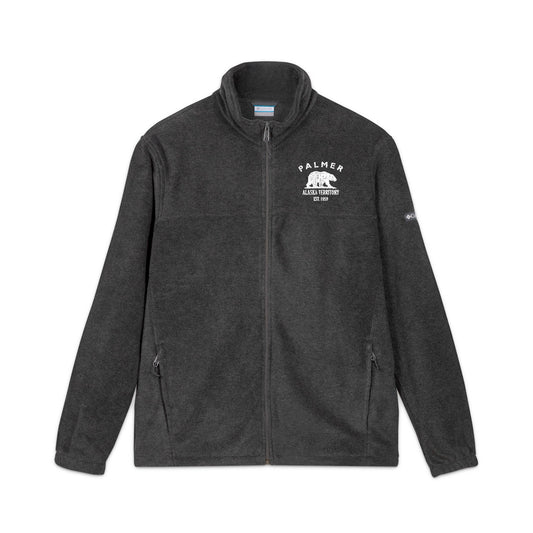
Palmer Alaska Vintage Retro Unisex Embroidered Fleece Jacket - White Logo
Regular price $98.00 USDRegular price -
-
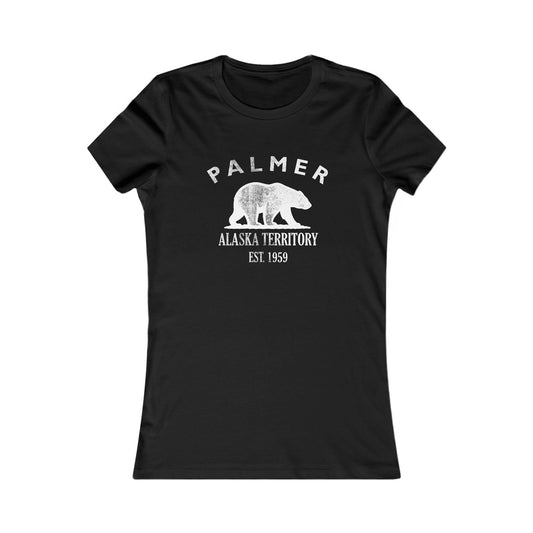
Palmer Alaska Vintage Retro Womens Fitted Ringspun Cotton Tee - Black Logo
Regular price $28.00 USDRegular price -
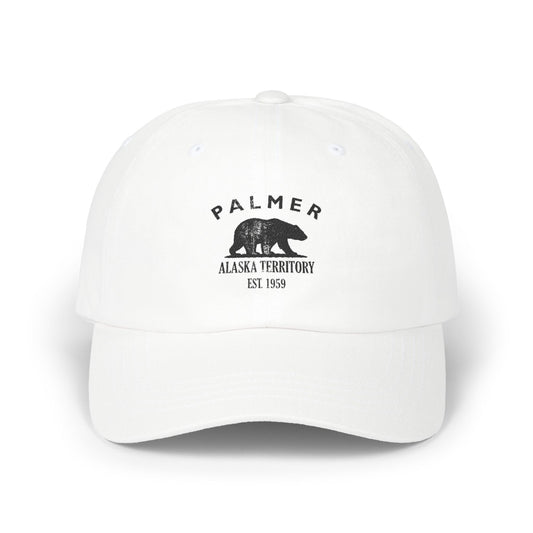
Palmer Alaska Vintage Retro Embroidered Cotton Cap - White Logo
Regular price $32.00 USDRegular price -
Palmer Alaska Vintage Retro Embroidered Cotton Cap - Black Logo
Regular price $32.00 USDRegular price -
Palmer Alaska Vintage Retro Back Printed Art Series Cotton Tee - Black Logo
Regular price $32.00 USDRegular price -
Palmer Alaska Vintage Retro Giclée Print Art Series Poster
Regular price From $38.00 USDRegular price -
Palmer Alaska Vintage Retro Ceramic Mug - Black Logo
Regular price From $16.00 USDRegular price -
Palmer Alaska Vintage Retro Cotton Canvas Tote Bag - White Logo
Regular price $25.00 USDRegular price -
Palmer Alaska Vintage Retro Cotton Canvas Tote Bag - Black Logo
Regular price $25.00 USDRegular price -
Palmer Alaska Vintage Retro Thank You Card Set - Black Logo
Regular price From $25.00 USDRegular price -
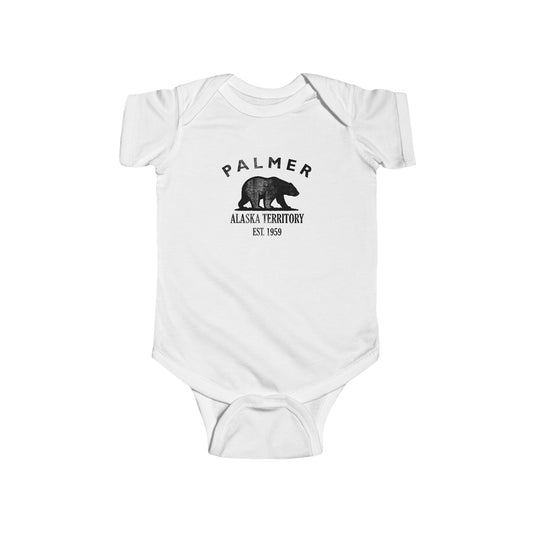
Palmer Alaska Vintage Retro Cotton Jersey Baby Bodysuit - Black Logo
Regular price $26.00 USDRegular price -
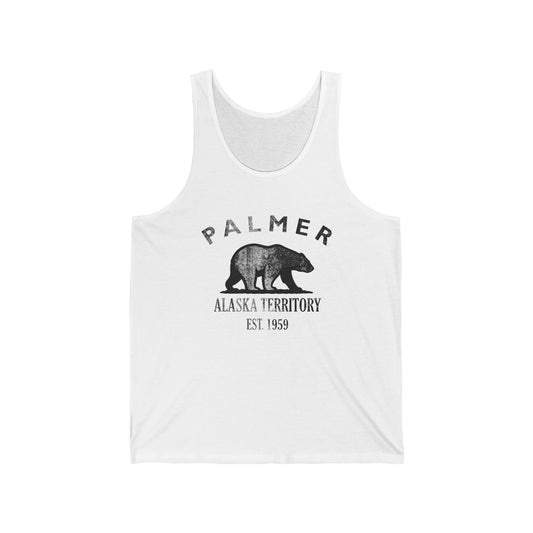
Palmer Alaska Vintage Retro Unisex Cotton Jersey Tank Top - White Logo
Regular price $28.00 USDRegular price -
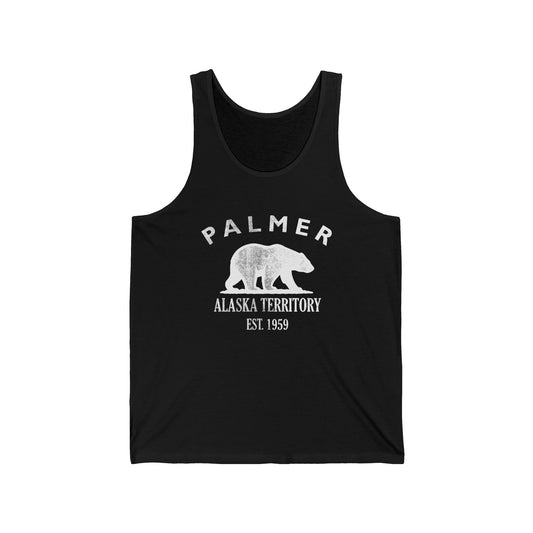
Palmer Alaska Vintage Retro Unisex Cotton Jersey Tank Top - Black Logo
Regular price $28.00 USDRegular price -
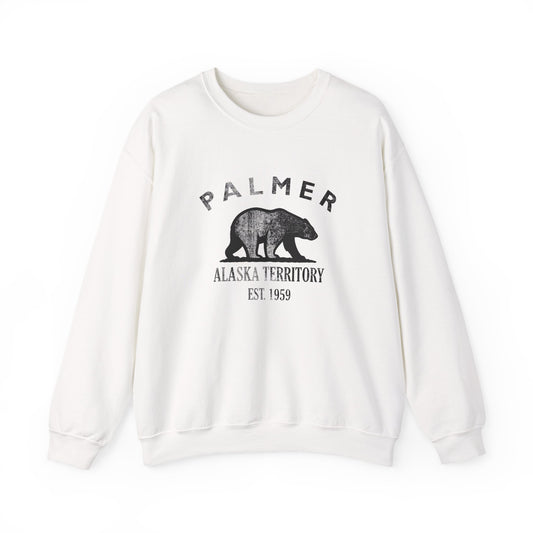
Palmer Alaska Vintage Retro Unisex Heavy Crewneck Sweatshirt - Black Logo
Regular price $44.00 USDRegular price -
Palmer Alaska Vintage Retro Unisex Heavy Crewneck Sweatshirt - White Logo
Regular price $44.00 USDRegular price -
Palmer Alaska Vintage Retro Unisex Embroidered Cotton Polo - Black Logo
Regular price $48.00 USDRegular price






Palmer Alaska — Retro Vintage History
What's with the Colony at the End of the New Deal? In the spring of 1935, in the depths of the Depression, the federal government loaded 203 farm families onto trains and ships and sent them from Michigan, Minnesota, and Wisconsin to a stretch of subarctic valley most had never heard of. They drew lots for 40-acre tracts, spent the first summer in a tent city, and set about building farms under the midnight sun — the Matanuska Colony, a New Deal experiment to plant Depression-hit Midwesterners in Alaska's one pocket of good farmland. It made Palmer the only town in Alaska born as a farm colony, and the gambrel-roofed colony barns they raised still stand along the valley roads.
Wear the HistoryThe valley was not empty when they arrived. The Matanuska-Susitna Valley is Dena'ina and Ahtna Athabascan homeland, hunted and fished for centuries; the Athabascan people were displaced over the decades before the colony by traders, the railroad, miners, and homesteaders, a history worth stating plainly. The town's own thread begins with George Palmer, a Pennsylvania-born trader who ran valley trading posts in the 1890s and lent his name to the place. The Alaska Railroad laid a siding called Palmer in 1916, and a federal agricultural experiment station opened in 1917 to test whether crops could really grow this far north. They could.
The colony itself was a hard, uneven thing, and the honest version is the better one. Of the 203 families, perhaps a third had little real farming experience; the first years brought mud, mosquitoes, supply shortages, and a famously tangled bureaucracy. Some families thrived and some gave up — a fair number returned south within a few years, and by the 1960s only about twenty of the original 203 remained on their tracts. But enough stayed to make it work. They cleared land, raised the big trussed barns, built a church and a school and a railroad-depot town, and proved that a farm community could hold on in the Matanuska Valley.

What the valley had that nowhere else in Alaska did was light. Through the long summer the sun stays up some nineteen hours a day, and in the rich glacial-silt soil the crops simply do not stop growing. The result is the stuff of legend and of fact both: cabbages the size of wagon wheels and pumpkins that take a forklift. The Alaska State Fair, held in Palmer since 1936, turned that quirk into a tradition, and its giant-vegetable weigh-offs still draw record-breakers and crowds every Labor Day, including a cabbage that topped 138 pounds, among the largest ever grown.
Around the farms, the valley filled in with the rest of an Alaska story. Up Hatcher Pass, miners had been chasing gold since before the colony, and the Independence Mine buildings still cling to the alpine bowl. The Musk Ox Farm raises shaggy Ice-Age survivors for their qiviut wool. Pioneer Peak and Matanuska Peak stand over the fields, the Matanuska Glacier grinds down its valley to the east, and the Mat-Su as a whole grows more than half of all the vegetables raised in Alaska. Farm country, with mountains for fences.
Palmer incorporated as a city in 1951 and is now the seat of the Matanuska-Susitna Borough, a farm-and-commuter town forty-some miles up the Glenn Highway from Anchorage. The original colonists have mostly passed on, but their barns, their farms along Farm Loop Road, and their fair are still here, and the town still measures its year by planting, the midnight sun, and the long subarctic winter. It remains, proudly, Alaska's farm town.
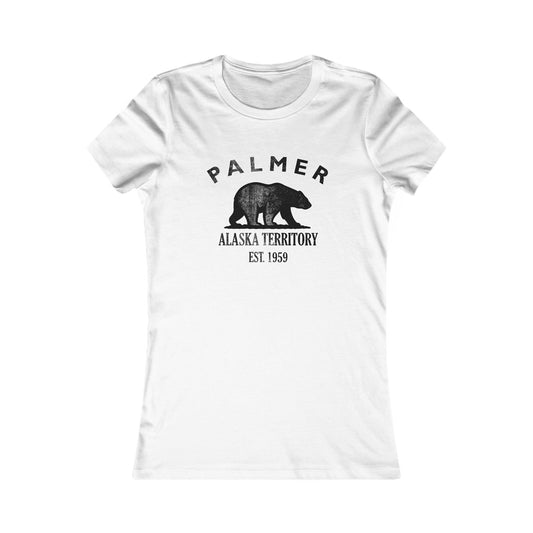
Our Palmer logo carries the Alaska bear above "Alaska Territory — Est. 1959," the shared retro emblem of our Alaska towns, drawn in worn black-and-white like an old outfitter's stamp or a crate label. The 1959 date marks Alaska statehood, and the bear is the through-line that links Palmer to every other Alaska town we make. The detail that makes this one Palmer is the colony itself — the New Deal farm families, the gambrel barns, the giant cabbages, and the Mat-Su Valley under Pioneer Peak.
Palmer is Alaska's farm town — a New Deal colony where Midwest families grew cabbages the size of wagon wheels under the midnight sun, in the shadow of Pioneer Peak. Our Palmer designs gather that into wearable form. Wear the Matanuska Colony. Colony-grown under the midnight sun.

Palmer, Alaska — Travel Guide
Visiting Palmer Today
Palmer sits in the Matanuska Valley about forty miles up the Glenn Highway from Anchorage — a small farm-and-fair town ringed by big mountains. Expect long, bright summer days and a genuine agricultural heart: colony barns and farm stands, the state fairgrounds, and quick access to alpine Hatcher Pass. Late August into early September, around the Alaska State Fair, is the marquee window; winters are long, dark, and aurora-lit.
The Colony, the Fair & Hatcher Pass
For visitors looking for things to do in Palmer, Alaska:
- Tour the Colony House Museum, a restored 1935 colonist home, and drive Farm Loop Road past the surviving colony barns.
- Time a visit for the Alaska State Fair (late Aug-early Sept) and its world-record giant vegetables.
- Visit the Musk Ox Farm to meet the herd and learn about qiviut wool.
- Drive up Hatcher Pass to the Independence Mine State Historical Park and its alpine trails.
- Stop by the Reindeer Farm for hands-on encounters with the herd.
- Walk Matanuska River Park or hike toward Pioneer Peak for valley views.
- See the Matanuska Glacier, a short drive east up the Glenn Highway.
Why People Visit Palmer
Palmer offers something rare in Alaska — real farm country, set against glaciers and peaks. Visitors come for the colony heritage and the State Fair, stay for the Hatcher Pass alpine and the Musk Ox Farm, and leave understanding why this one valley, under all that summer light, became the place Alaska grows its food.
Wear the History

For deeper reading on the Palmer history described here — the Dena'ina and Ahtna homeland, George Palmer's trading posts and the 1916 railroad siding, the 1935 Matanuska Colony and its 203 families, the Alaska State Fair, and the Hatcher Pass mining era — it may be useful to consult (1) the Palmer Historical Society and the Colony House Museum, (2) the University of Alaska Anchorage Archives (Matanuska Colony records), (3) the Alaska State Library and Historical Collections, (4) the Matanuska-Susitna Borough and its cultural resources, and (5) the Alaska Office of History and Archaeology. For travel and visitor information, it may be useful to contact (1) Travel Alaska, (2) the Mat-Su Convention & Visitors Bureau, (3) the City of Palmer, (4) Alaska State Parks (Hatcher Pass / Independence Mine), (5) the Greater Palmer Chamber of Commerce, and (6) the U.S. National Archives, which holds the New Deal colony and relief-agency records.
- Choosing a selection results in a full page refresh.
- Opens in a new window.