Long before there was a town, this was Dena'ina Athabascan country. For thousands of years the Dena'ina hunted and fished the Eagle River drainage and the tide flats of Knik Arm, moving with the salmon runs and the seasons, and they knew the river by their own name for it, Yukla Hina. Their presence in the upper Cook Inlet basin is unbroken — Dena'ina people are still here, still tied to this water and this country — and any honest account of Eagle River starts not with the homesteaders but with the people who read this valley for a hundred generations before a single cabin went up.
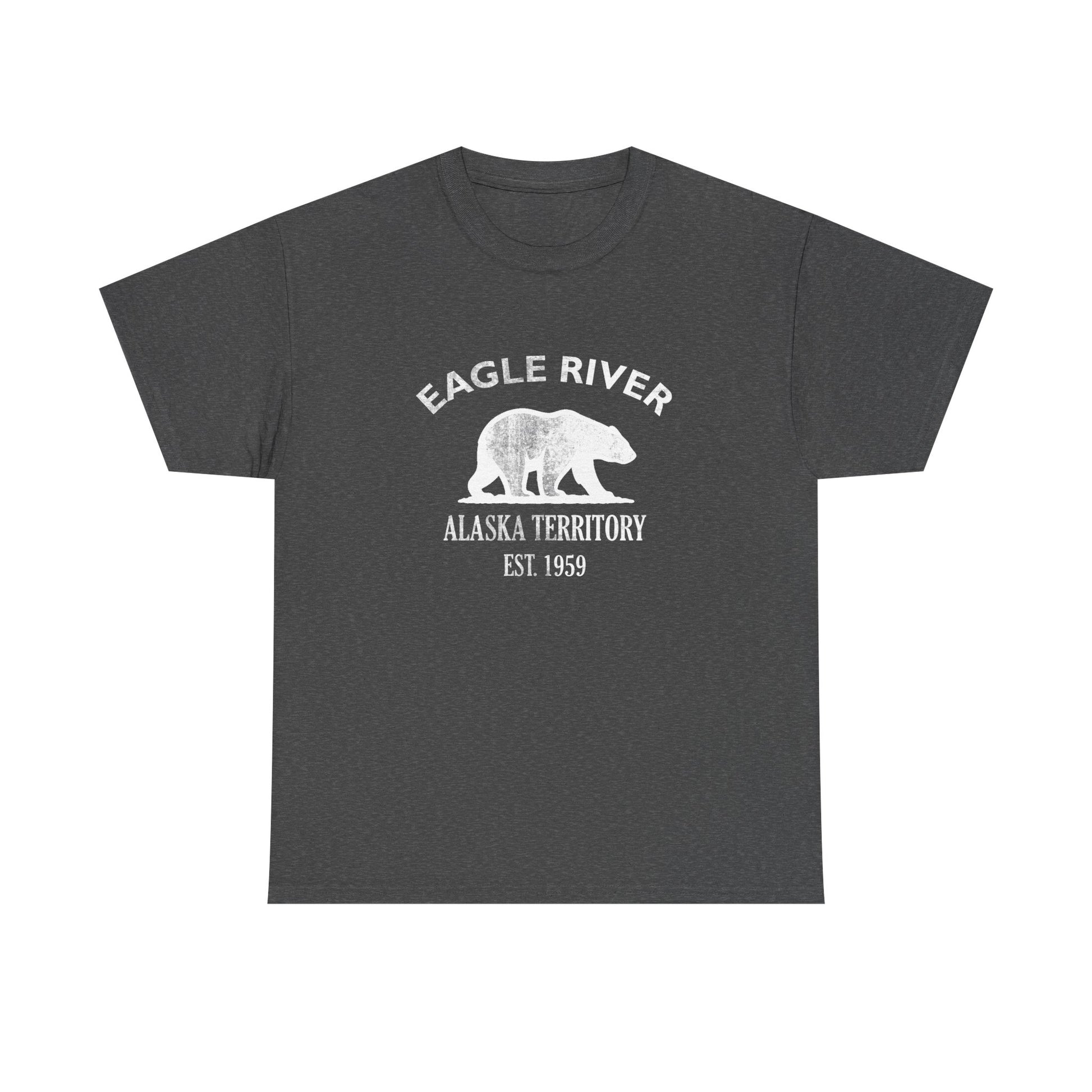
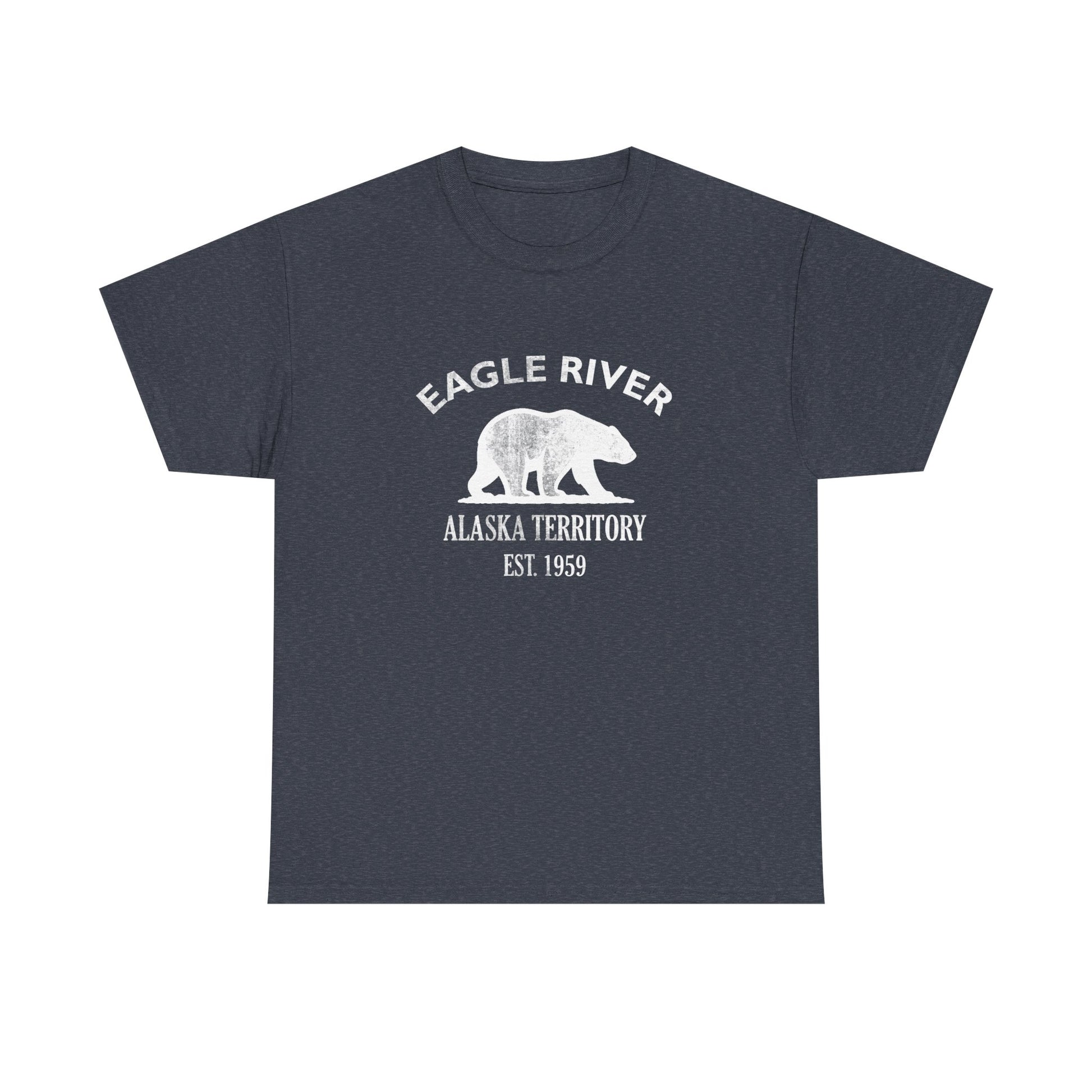
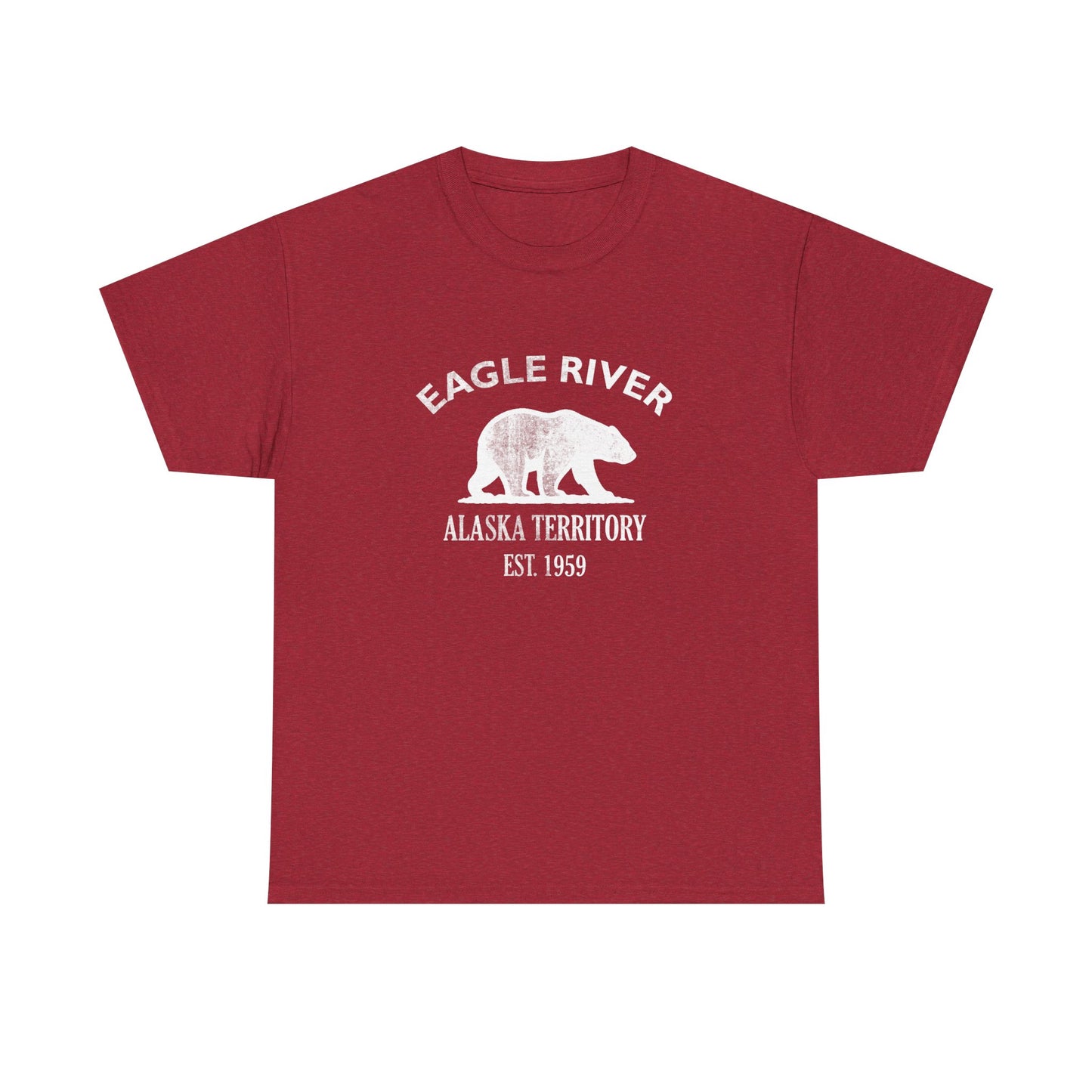
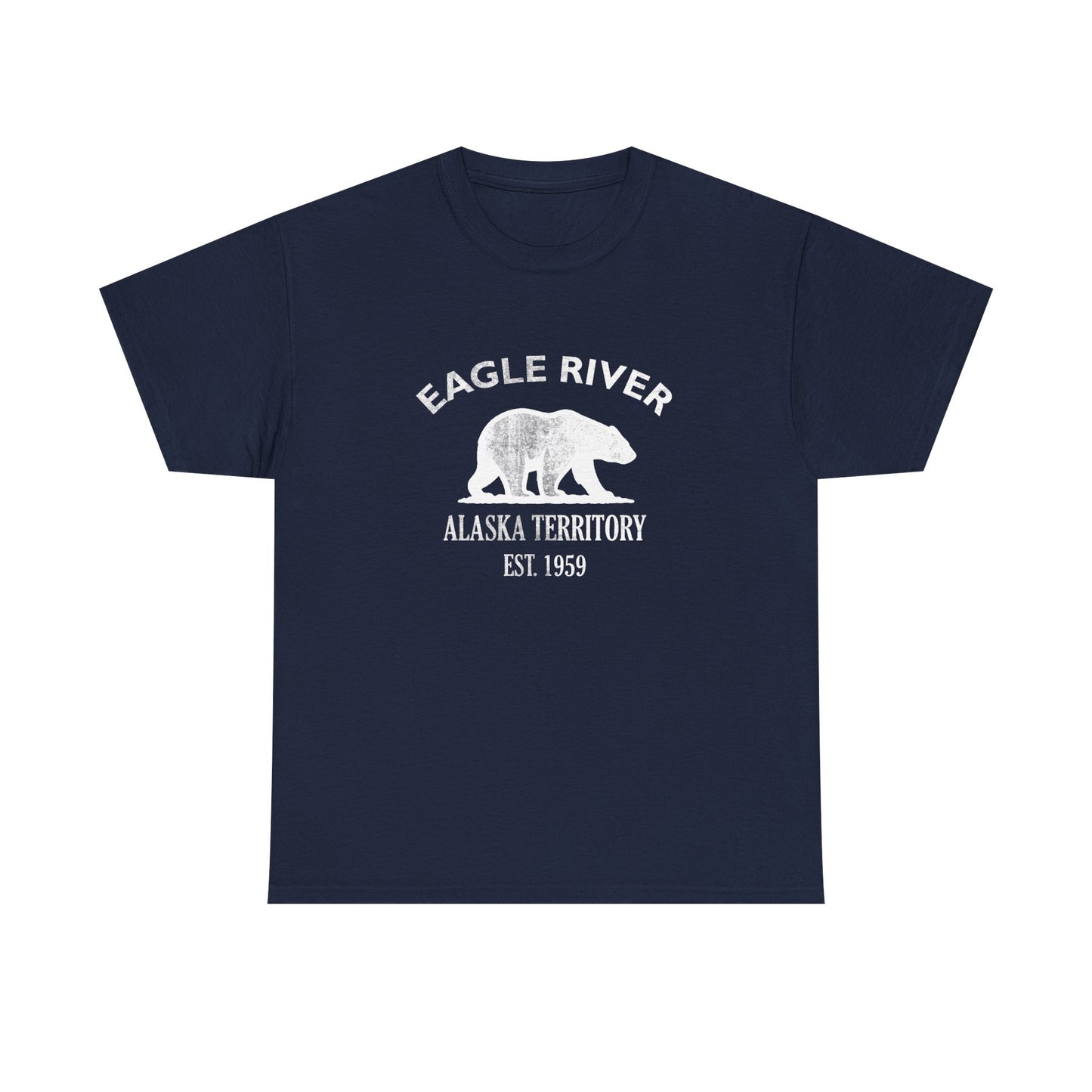
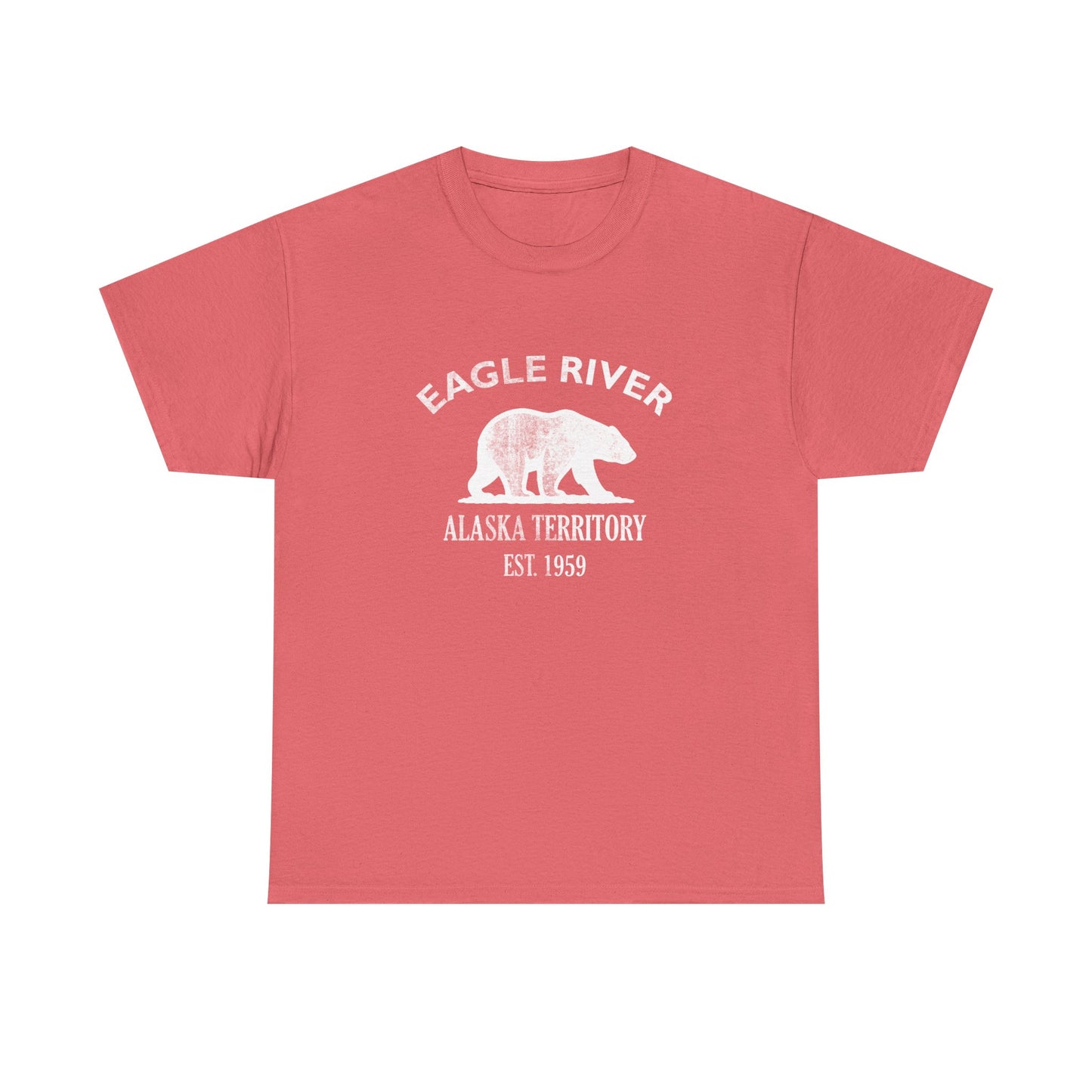
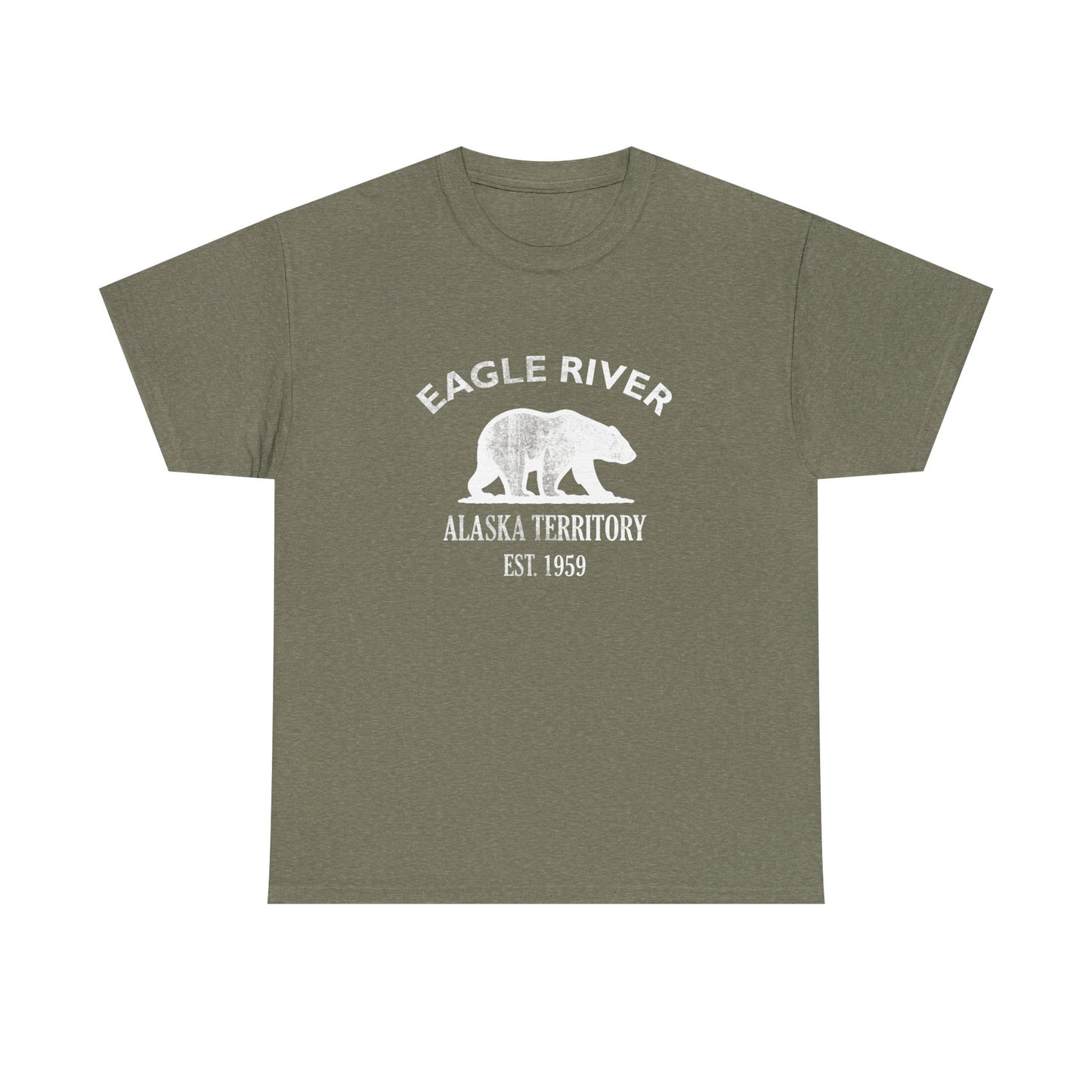
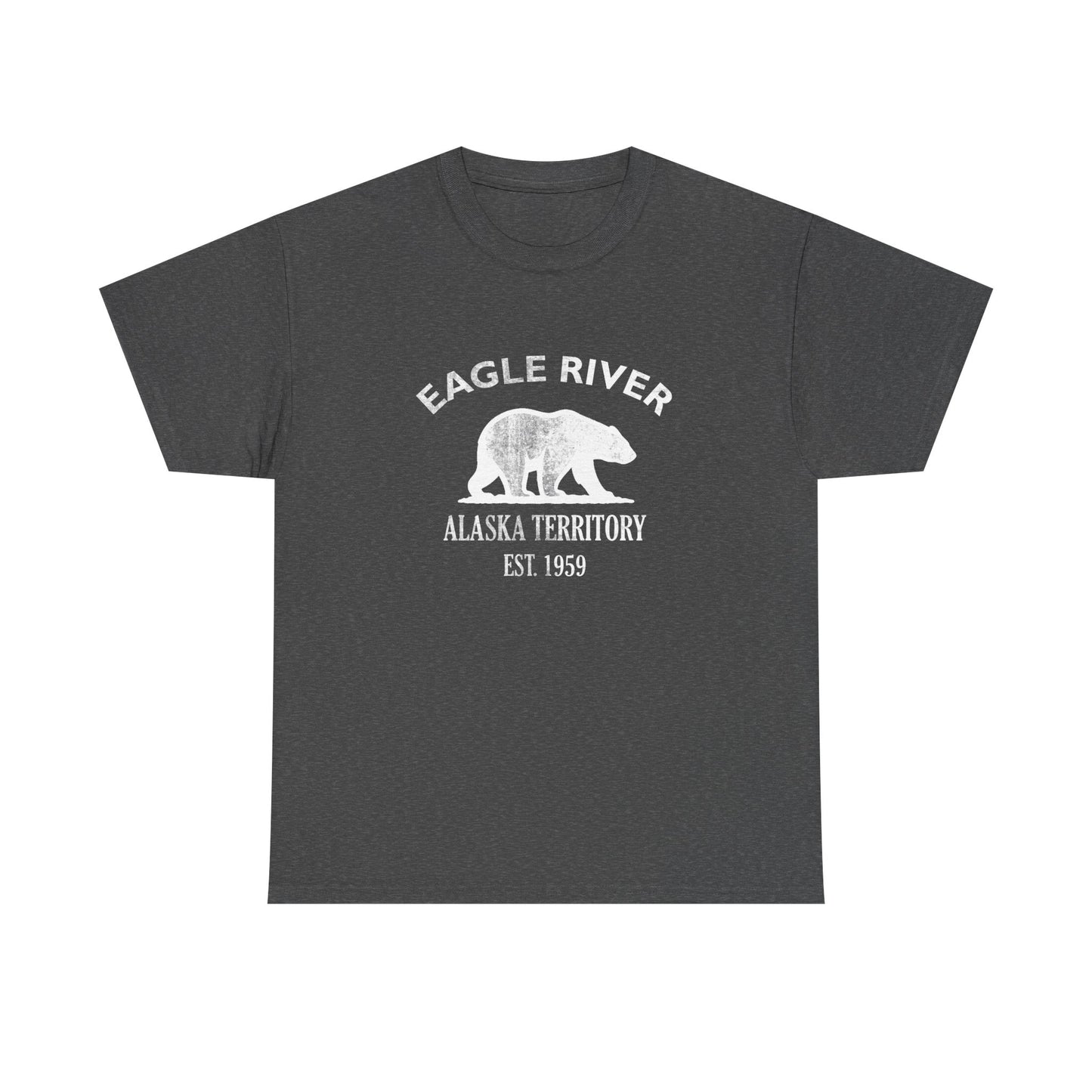
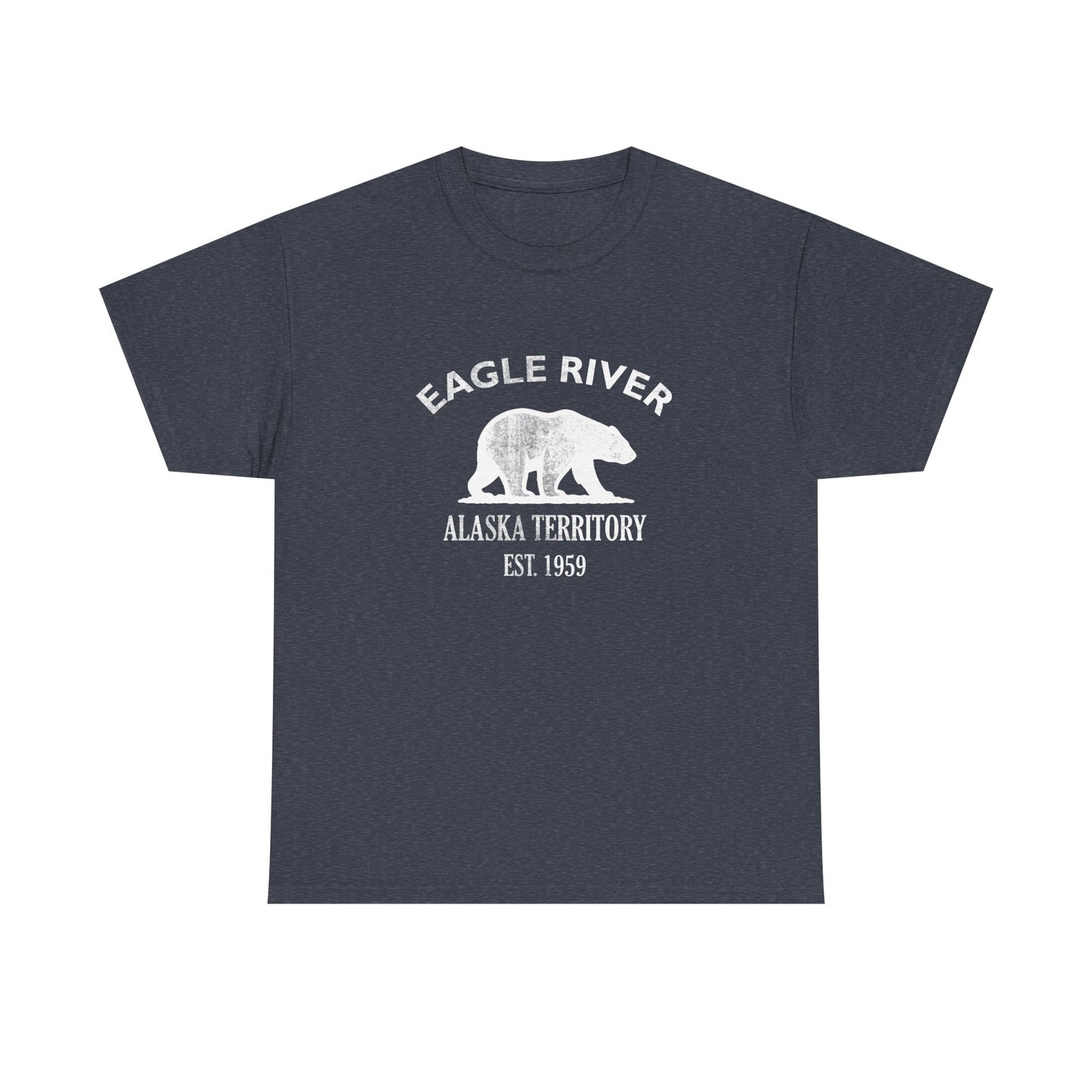
Today Eagle River is the gateway community of the Chugach — a valley town set between Alaska's biggest city and its third-largest state park, with a glacier-fed river running through the middle of it and the mountains right out the back door. Its story runs from a Dena'ina homeland through a post-war homestead valley to a modern military-and-mountain town that never lost its wilderness edge. Our Eagle River designs gather that identity into wearable form — the bear-and-1959 emblem, the Chugach, and the gateway spirit. Eagle River, Alaska: where the city ends and the mountains begin.
Why People Visit Eagle River
Eagle River offers a rare balance: easy access to a real Alaskan city paired with immediate, serious wilderness. Visitors come for the Chugach trailheads, the glacier-fed river, and the big mountain scenery, all minutes from town, and they stay for how unhurried it feels compared with the highway towns. It is a genuine four-season valley — hiking and fishing in the long summer light, skiing and snow on the peaks deep into spring.
