-
Dillingham Alaska Vintage Retro Premium Crewneck Sweatshirt - Black Logo
Regular price $48.00 USDRegular price -
Dillingham Alaska Vintage Retro Premium Crewneck Sweatshirt - White Logo
Regular price $48.00 USDRegular price -
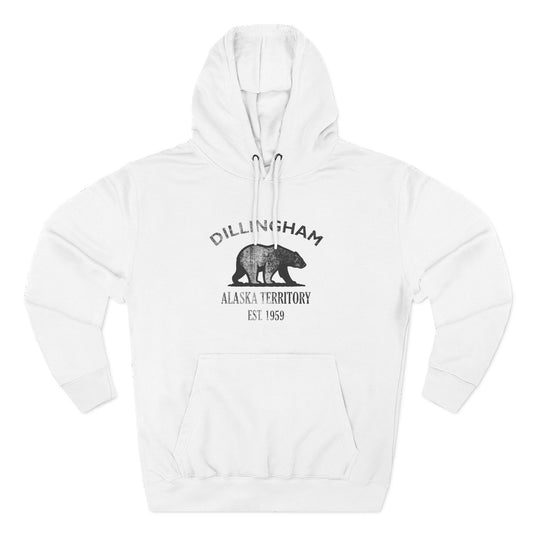
Dillingham Alaska Vintage Retro Unisex Heavy Cotton Hoodie - Black Logo
Regular price $56.00 USDRegular price -
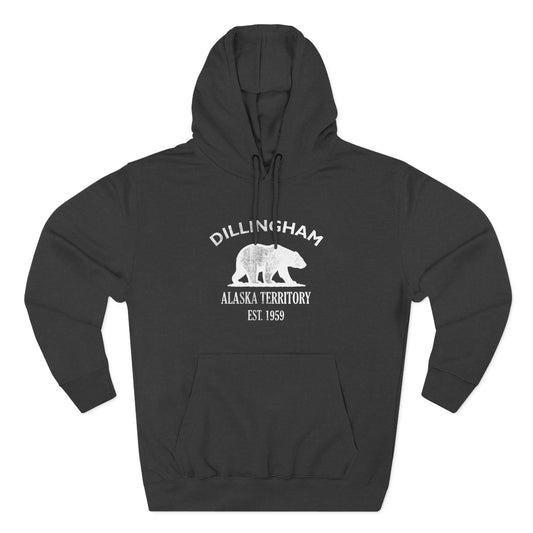
Dillingham Alaska Vintage Retro Unisex Heavy Cotton Hoodie - White Logo
Regular price $56.00 USDRegular price -
-
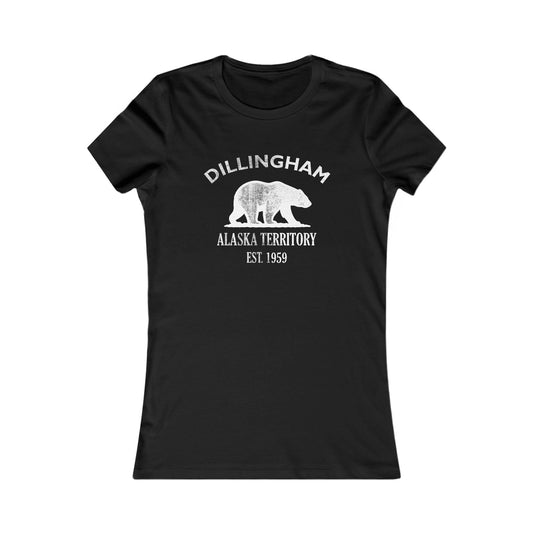
Dillingham Alaska Vintage Retro Womens Fitted Ringspun Cotton Tee - Black Logo
Regular price $28.00 USDRegular price -
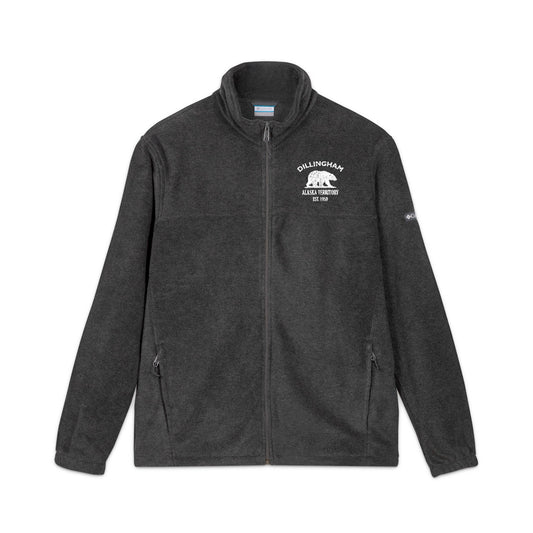
Dillingham Alaska Vintage Retro Unisex Embroidered Fleece Jacket - White Logo
Regular price $98.00 USDRegular price -
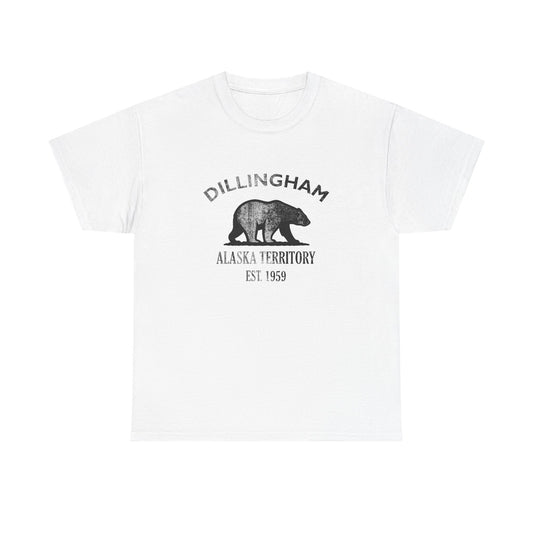
Dillingham Alaska Vintage Retro Unisex Heavy Cotton Tee - Black Logo
Regular price $22.00 USDRegular price -
Dillingham Alaska Vintage Retro Unisex Heavy Cotton Tee - White Logo
Regular price $22.00 USDRegular price -
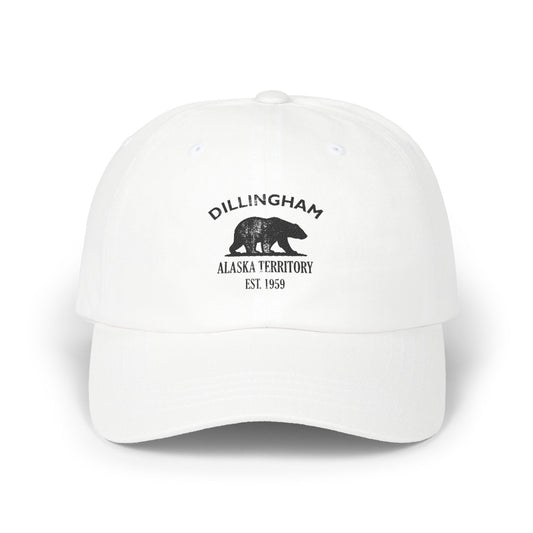
Dillingham Alaska Vintage Retro Embroidered Cotton Cap - Black Logo
Regular price $32.00 USDRegular price -
Dillingham Alaska Vintage Retro Embroidered Cotton Cap - White Logo
Regular price $32.00 USDRegular price -
Dillingham Alaska Vintage Retro Back Printed Art Series Cotton Tee - Black Logo
Regular price $32.00 USDRegular price -
Dillingham Alaska Vintage Retro Giclée Print Art Series Poster
Regular price From $38.00 USDRegular price -
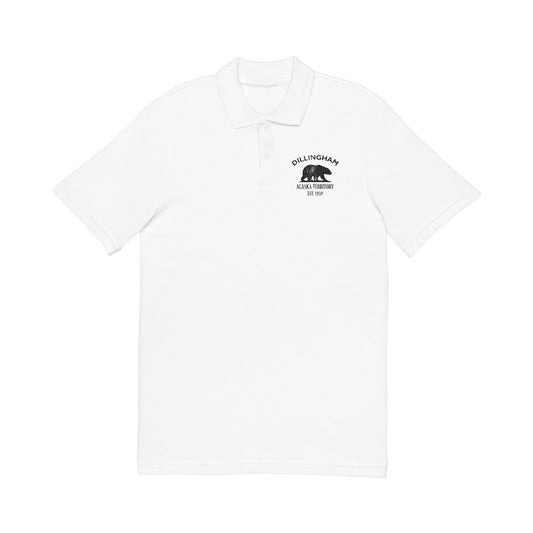
Dillingham Alaska Vintage Retro Unisex Embroidered Cotton Polo - Black Logo
Regular price $48.00 USDRegular price -
Dillingham Alaska Vintage Retro Cotton Canvas Tote Bag - Black Logo
Regular price $25.00 USDRegular price -
Dillingham Alaska Vintage Retro Cotton Canvas Tote Bag - White Logo
Regular price $25.00 USDRegular price -
Dillingham Alaska Vintage Retro Vinyl Sticker - Black Logo
Regular price From $6.00 USDRegular price -
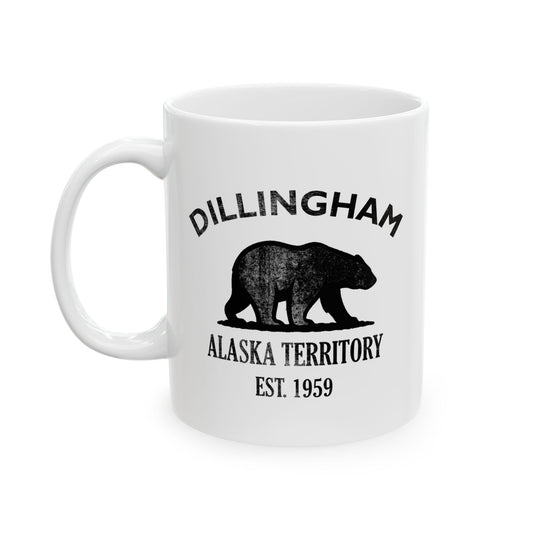
Dillingham Alaska Vintage Retro Ceramic Mug - Black Logo
Regular price From $16.00 USDRegular price -
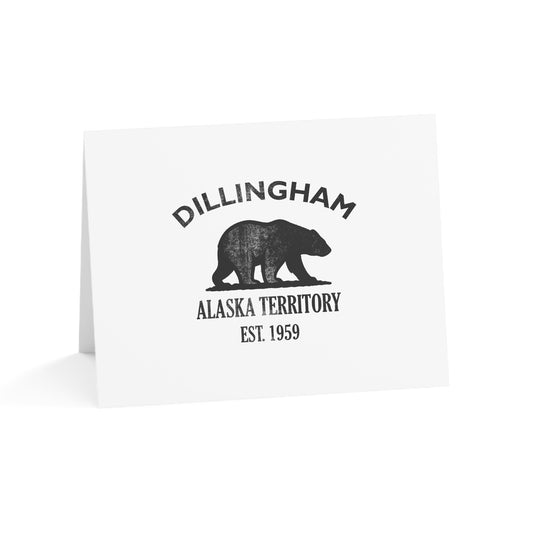
Dillingham Alaska Vintage Retro Thank You Card Set - Black Logo
Regular price From $25.00 USDRegular price -
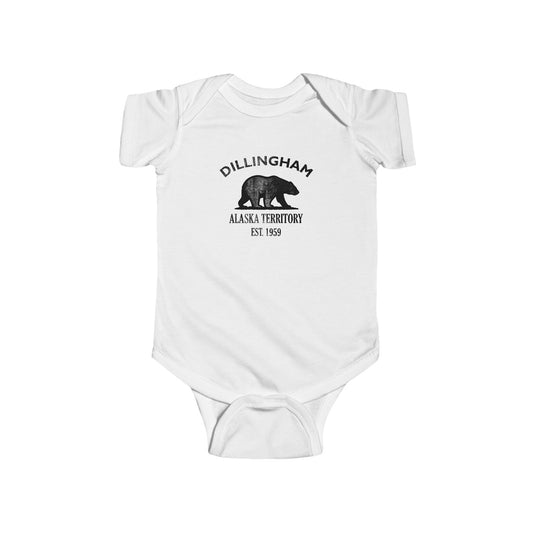
Dillingham Alaska Vintage Retro Cotton Jersey Baby Bodysuit - Black Logo
Regular price $26.00 USDRegular price -
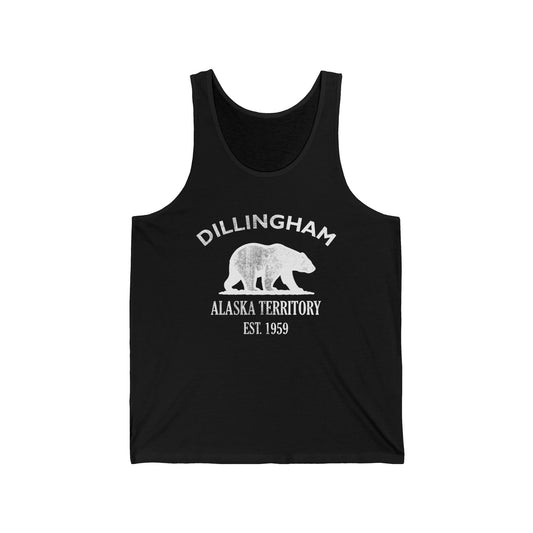
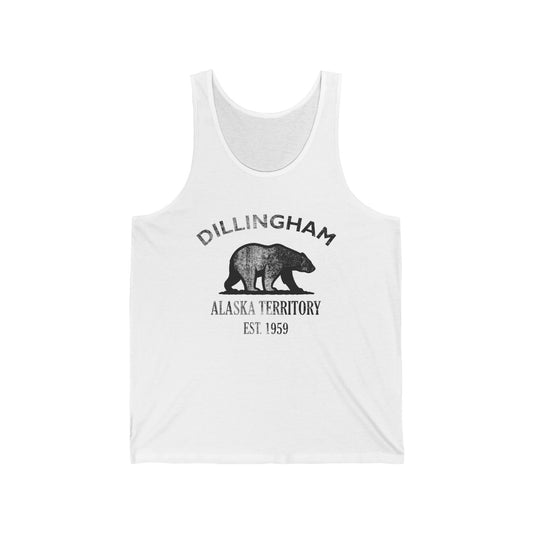
Dillingham Alaska Vintage Retro Unisex Cotton Jersey Tank Top - White Logo
Regular price $28.00 USDRegular price -
Dillingham Alaska Vintage Retro Unisex Cotton Jersey Tank Top - Black Logo
Regular price $28.00 USDRegular price -
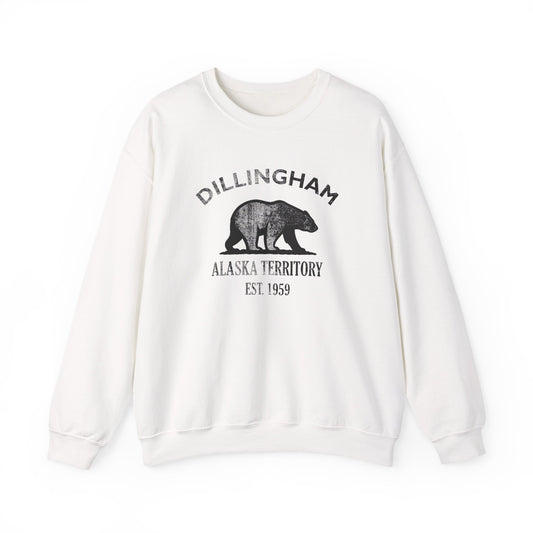
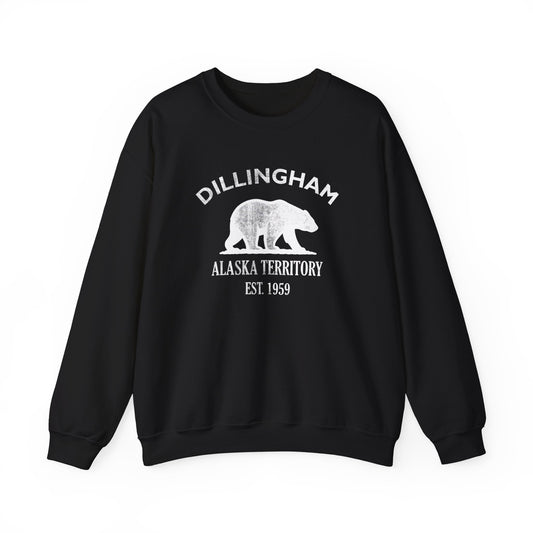
Dillingham Alaska Vintage Retro Unisex Heavy Crewneck Sweatshirt - Black Logo
Regular price $44.00 USDRegular price -
Dillingham Alaska Vintage Retro Unisex Heavy Crewneck Sweatshirt - White Logo
Regular price $44.00 USDRegular price





Dillingham Alaska — Retro Vintage History
Every summer the largest wild sockeye salmon run on Earth pours into Bristol Bay, and Dillingham is the town it runs through. Set at the head of Nushagak Bay where the Wood River meets the Nushagak, this is the regional hub of the bay — the government, medical, and freight center for a fishery that has topped fifty million fish for eleven straight years and crested near seventy-nine million in the record run of 2022. The Nushagak District off Dillingham's own waterfront is among the strongest in the bay, and each June the town's population nearly doubles as drift boats, set-netters, and processors converge on the red-salmon return. The Central Yup'ik people, who have lived on the Nushagak drainage for centuries, named the point of land where the two rivers meet Curyung — loosely, "the point where the clear and muddy waters meet," the clear water of the Wood and the silt-heavy Nushagak braiding together below the bluff. Later mapmakers called it Snag Point. The Russians built the Alexandrovski Redoubt trading post near the site at Nushagak in 1818, and a Russian Orthodox mission followed in 1837, but it was salmon that made the modern town: canneries rose along Nushagak Bay through the 1880s, and the growing settlement took the name Dillingham in 1904, after the United States senator from Vermont who had toured the territory on inspection. The City of Dillingham incorporated in 1963. Thirty miles to the north sits the credential few towns anywhere can claim — Wood-Tikchik State Park, established in 1978 and, at roughly 1.6 million acres, the largest state park in the United States, more than half of all Alaska's state-park land gathered into one roadless wilderness of interconnected clear-water lakes that are themselves the spawning grounds of the bay's salmon. Dillingham is the headquarters of the 4.7-million-acre Togiak National Wildlife Refuge as well, and there is no road from any of it to the rest of Alaska — the town is reached by plane or by boat, with one twenty-mile paved road running north to Aleknagik and the edge of the park. Clear water and muddy water, lake systems the size of small states, and a salmon run with no equal on the planet: Dillingham is the working front door to all of it.
Wear the HistoryWhat's with the Endless Runs of Dillingham? Here the water and rivers define the calendar, and when the season is on, movement feels nonstop: boats, nets, and long daylight stretching work into late hours. Endless Runs points to that steady pulse of fish and effort, when the bay seems to keep sending more life through the same channels. A repeatable cue is the gull line: if birds stack in a straight row over one stretch of water, something is pushing bait or salmon beneath them. That is food and current, not a sign from nowhere, but it reads like one. With tides turning and clouds sliding low, the runs can feel endless, like the bay is breathing in and out all day.
Dillingham, Alaska, sits at the head of Bristol Bay, home to Indigenous Yup’ik people who fished salmon and hunted for centuries. Russian traders arrived in the eighteenth century, and the town grew during the twentieth century as a fishing hub. Its name honors Senator William Dillingham, though local heritage remained central. The founding identity reflects both Indigenous survival and colonial influence, tied to the sea. Dillingham’s story highlights a community built on fishing, resilience, and resourcefulness, where survival in harsh conditions required endurance and cultural pride. Its roots emphasize Alaska’s broader frontier narrative of resilience.

Dillingham developed into a major salmon fishing and canning center in the twentieth century. By the 1950s and 1960s, canneries dominated its economy, with residents balancing subsistence traditions and commercial work. Schools, churches, and civic buildings anchored the community. Its timeline reflects continuity: Indigenous heritage and modern industry coexisting. The mid-century decades highlighted resilience, as residents rebuilt after storms and economic swings. Dillingham’s growth showed adaptability and endurance, ensuring fishing remained central. Its story mirrors Alaska’s larger identity: resilience, subsistence, and pride, rooted in both Native tradition and modern industry.
Dillingham’s stories include salmon runs so abundant they seemed endless, remembered in festivals and myths. Families recall working in canneries, balancing subsistence with cash economy. Myths describe spirits of rivers blessing fishermen or storms testing endurance. Mid-century tales highlight resilience against floods and economic downturns, with residents rebuilding each time. These stories emphasize Dillingham’s identity: tough, resourceful, and proud of fishing traditions. Myth and fact together illustrate resilience and heritage, ensuring Dillingham remained a cultural anchor of Bristol Bay. The lore reflects Alaska’s story: resourceful survival in a wilderness environment shaped by sea and storms.
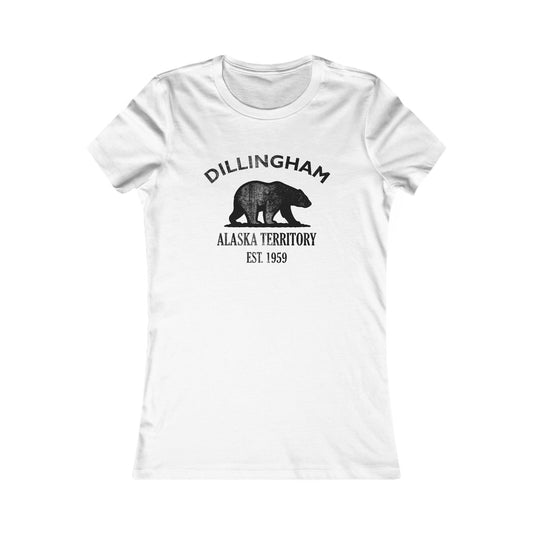
Our Dillingham retro logo uses Alaska’s distressed bear motif, representing strength, resilience, and wilderness identity. The bear reflects both Indigenous reverence and frontier endurance, while “1959” grounds the motif in Alaska’s statehood. Its black-and-white styling is rugged and vintage, resembling crate labels or outfitter branding. The motif bridges Dillingham’s dual identity: Native subsistence and modern fishing industry. On merchandise, it conveys authenticity, pride, and toughness, retro in tone. The bear emblem honors Dillingham’s story: resilience, heritage, and fishing pride. Retro in style, it is a vintage emblem of Alaska’s maritime and frontier endurance.
Today Dillingham is known as a cultural and fishing hub of Bristol Bay. Its story reflects Indigenous heritage, commercial fishing, and resilience against storms. Our Dillingham designs celebrate this layered identity, pairing the bear motif with vintage styling. They invite you to explore the Dillingham collection and carry forward a reminder of Alaska’s resilience. Retro in tone, the motif reflects authenticity, endurance, and cultural pride. Dillingham’s logo honors both heritage and modern industry, making it a vintage emblem of Alaska’s fishing culture. Explore the collection and share in its story of endurance and pride.

Dillingham Alaska — Travel Guide
Visiting Dillingham Alaska Today
Dillingham sits on Nushagak Bay at the head of Bristol Bay in southwestern Alaska, the regional hub for the entire bay region. There is no road connection to the rest of Alaska — the town is reached by plane (roughly 330 air miles from Anchorage) or by boat, with a single twenty-mile paved road running north to Aleknagik. It is a working fishing town first and a destination second, which makes the visit feel honest. Summer is salmon season, when the population nearly doubles; bring rain layers and bear awareness.
Bristol Bay Salmon Country, Wood-Tikchik, and the Working Harbor
For visitors searching for things to do in Dillingham Alaska:
- Drive the road north to Aleknagik and Lake Aleknagik — the single twenty-mile paved route out of town and the southern gateway to the Wood River Lakes.
- Fly into Wood-Tikchik State Park — at roughly 1.6 million acres the largest state park in the United States, a roadless wilderness of interconnected clear-water lakes; outfitters in Dillingham rent inflatable kayaks, rafts, and canoes, and a paddle from Lake Kulik back to Dillingham runs close to 140 miles over ten to fourteen days.
- Walk the small-boat harbor — the working docks of the Nushagak District fleet, drift boats and set-net skiffs, with views across the bay toward low mountains.
- Stroll the beaches along Kanakanak Road — tidal flats and the long changing light on Nushagak Bay.
- Learn the region's story at local cultural and heritage centers when open — the Yup'ik history of Curyung and the Bristol Bay fishery.
- Visit the headquarters of Togiak National Wildlife Refuge — 4.7 million acres of walrus, seals, migratory birds, and one of the largest wild herring fisheries.
- Watch for eagles, seabirds, and brown bears along shoreline pullouts and quiet overlooks — this is bear country, salmon country, and a major flyway all at once.
- Time a visit to summer salmon season — June and July, when the largest wild sockeye run on Earth fills the bay and the town runs around the clock.
Why People Visit Dillingham Alaska
Dillingham offers the rare combination of a genuine working fishery and an unmatched wilderness backyard: the regional hub of Bristol Bay, set where the clear Wood River meets the muddy Nushagak at the Yup'ik place called Curyung, the service center of the largest wild sockeye salmon run on Earth, the gateway to Wood-Tikchik State Park — the largest state park in the United States — and the headquarters of the 4.7-million-acre Togiak National Wildlife Refuge. There is no road in; the town is reached by plane or boat, which keeps it unhurried and close to the water. Working town. Working harbor. Salmon country at the edge of the largest state park in the nation.
Wear the History

For deeper reading on Dillingham, Alaska history described here — the centuries of Central Yup'ik habitation of Curyung at the confluence of the Wood and Nushagak rivers, the 1818 construction of the Russian Alexandrovski Redoubt at Nushagak near the present site, the 1837 establishment of the Russian Orthodox mission at Nushagak, the 1880s rise of the Nushagak Bay salmon canneries, the 1904 naming of the town for U.S. Senator William Paul Dillingham of Vermont, the twentieth-century salmon-canning era, the January 3 1959 Alaska statehood as the 49th state of the Union, the 1963 incorporation of the City of Dillingham, the 1978 establishment of Wood-Tikchik State Park as the largest state park in the United States at roughly 1.6 million acres, and the modern Bristol Bay working-harbor era as the service center of the largest wild sockeye salmon run on Earth — it may be useful to consult (1) the Alaska State Library Historical Collections in Juneau and the Alaska Historical Society for the Bristol Bay regional records and the long-running Alaska scholarly literature, (2) the Alaska State Archives in Juneau for the territorial-era and municipal records, (3) the Sam Fox Museum in Dillingham for the Bristol Bay regional history and Yup'ik cultural collections, (4) the Library of Congress and the National Archives for the Russian-American Company-era Nushagak records and the 1867 Alaska Purchase documents, (5) the U.S. Fish and Wildlife Service for the Togiak National Wildlife Refuge records, (6) the Alaska Department of Natural Resources Division of Parks and Outdoor Recreation for the Wood-Tikchik State Park records, (7) the Alaska Department of Fish and Game commercial-fisheries division in Dillingham for the Bristol Bay and Nushagak District sockeye-salmon run records, (8) the University of Alaska Fairbanks and the University of Washington Alaska Salmon Program for the Bristol Bay watershed and Wood River research literature, (9) the Bristol Bay Native Association and Choggiung, Ltd. for the regional Yup'ik and Aleut cultural and corporate heritage, and (10) the Curyung Tribal Council for the Central Yup'ik heritage of the Nushagak drainage. For deeper local Dillingham research, it may be useful to reach out to (1) the Sam Fox Museum, (2) the Dillingham Public Library, (3) the Bristol Bay Native Association, (4) Choggiung, Ltd., (5) the Curyung Tribal Council, and (6) the Alaska State Library Historical Collections. For travel and visitor information in Dillingham, it may be useful to contact (1) the Dillingham Chamber of Commerce, (2) the City of Dillingham, (3) the U.S. Fish and Wildlife Service Togiak National Wildlife Refuge office, (4) the Alaska State Parks Wood-Tikchik State Park office in Dillingham, (5) the Alaska Department of Fish and Game Dillingham office for sport-fishing and subsistence information, and (6) Dillingham Airport for regional flight information. Readers interested in the broader cultural reception of Dillingham and its Bristol Bay identity — the centuries of Yup'ik heritage at the Wood-Nushagak confluence, the 1818 Alexandrovski Redoubt, the 1837 Nushagak Orthodox mission, the 1880s cannery era, the 1904 naming, the 1959 Alaska statehood, the 1963 city incorporation, the 1978 establishment of Wood-Tikchik State Park, and the modern working-harbor era as the service center of the largest wild sockeye salmon run on Earth — will find that the named places (Dillingham, Bristol Bay, Nushagak Bay, the Nushagak River, the Wood River, Curyung / Snag Point, Wood-Tikchik State Park, Togiak National Wildlife Refuge, Aleknagik, Kanakanak, the Wood River Lakes, the Tikchik Lakes, the Bering Sea, Nushagak, Anchorage, and Bethel) and the named historical moments (the centuries of Yup'ik habitation, the 1818 Alexandrovski Redoubt, the 1837 Nushagak mission, the 1880s cannery rise, the 1904 naming, the 1959 statehood, the 1963 incorporation, the 1978 Wood-Tikchik establishment, and the modern sockeye-fishery era) recur across all of these traditions as a shared cultural grammar of foundational Dillingham history grounded specifically at the head of Bristol Bay, where the clear water of the Wood River meets the muddy water of the Nushagak at the point the Yup'ik call Curyung, the working front door to the largest state park in the nation and the largest wild sockeye salmon run on Earth.
- Choosing a selection results in a full page refresh.
- Opens in a new window.