Every design is set in hand-lettered vintage type for that old-school, crate-label look. One sample color shown — black and white logo options on every piece. Recently in the national press. Enjoy!
-
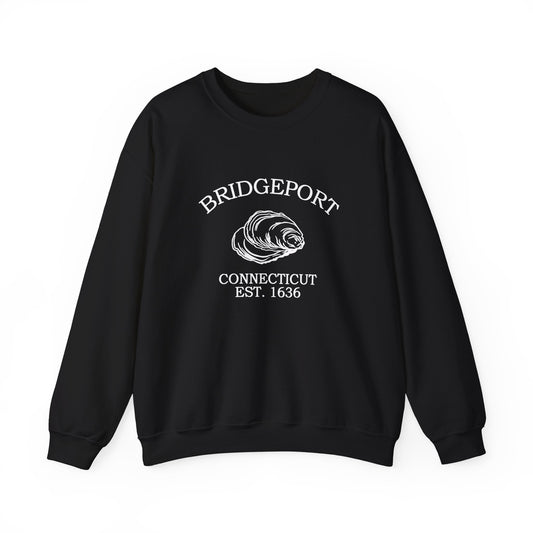
Bridgeport Connecticut Vintage Retro Premium Crewneck Sweatshirt - Black Logo
Regular price $48.00 USDRegular price -
Bridgeport Connecticut Vintage Retro Premium Crewneck Sweatshirt - White Logo
Regular price $48.00 USDRegular price -
Bridgeport Connecticut Vintage Retro Unisex Heavy Cotton Hoodie - White Logo
Regular price $56.00 USDRegular price -
Bridgeport Connecticut Vintage Retro Unisex Heavy Cotton Hoodie - Black Logo
Regular price $56.00 USDRegular price -
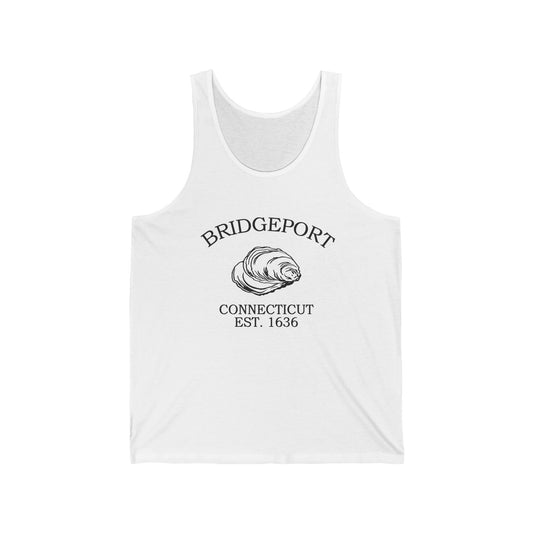
Bridgeport Connecticut Vintage Retro Unisex Cotton Jersey Tank Top - White Logo
Regular price $28.00 USDRegular price -
Bridgeport Connecticut Vintage Retro Unisex Cotton Jersey Tank Top - Black Logo
Regular price $28.00 USDRegular price -
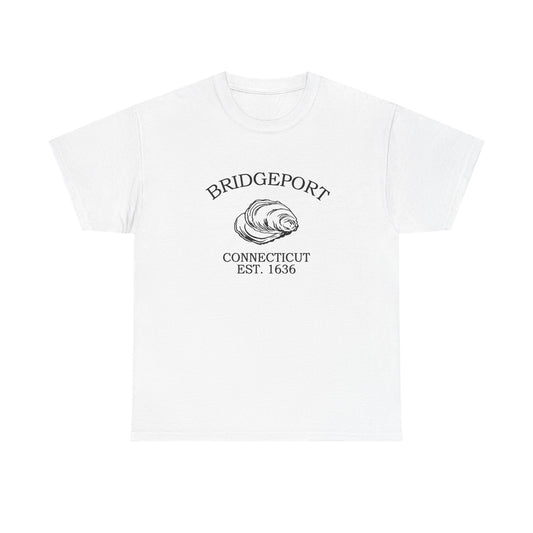
Bridgeport Connecticut Vintage Retro Unisex Heavy Cotton Tee - White Logo
Regular price $22.00 USDRegular price -
Bridgeport Connecticut Vintage Retro Unisex Heavy Cotton Tee - Black Logo
Regular price $22.00 USDRegular price -
Bridgeport Connecticut Vintage Retro Vinyl Sticker - Black Logo
Regular price From $6.00 USDRegular price -
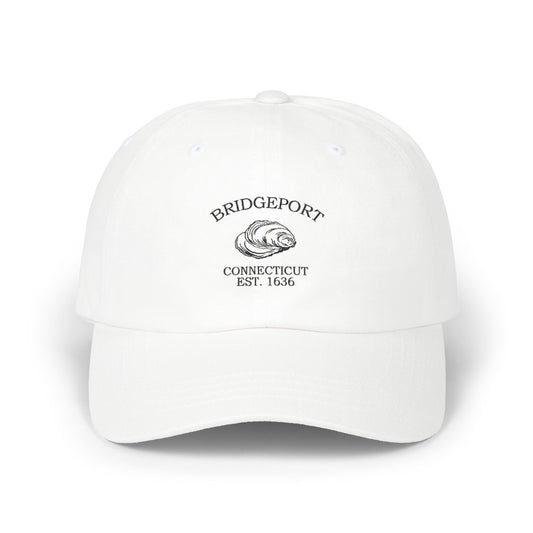
Bridgeport Connecticut Vintage Retro Embroidered Cotton Cap - White Logo
Regular price $32.00 USDRegular price -
Bridgeport Connecticut Vintage Retro Embroidered Cotton Cap - Black Logo
Regular price $32.00 USDRegular price -
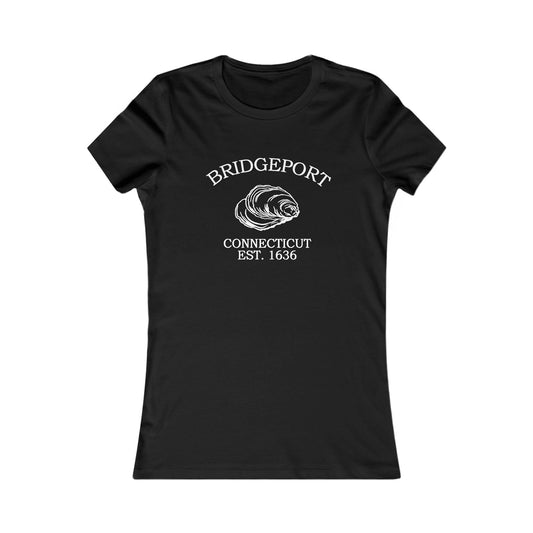
Bridgeport Connecticut Vintage Retro Womens Fitted Ringspun Cotton Tee - Black Logo
Regular price $28.00 USDRegular price -
-
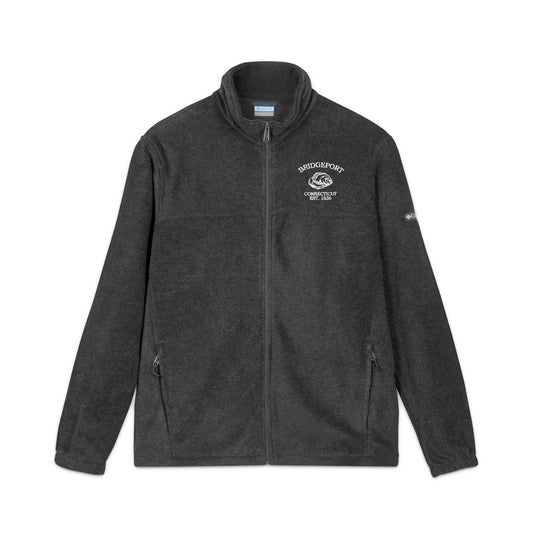
Bridgeport Connecticut Vintage Retro Unisex Embroidered Fleece Jacket - White Logo
Regular price $98.00 USDRegular price -
Bridgeport Connecticut Vintage Retro Ceramic Mug - Black Logo
Regular price From $16.00 USDRegular price -
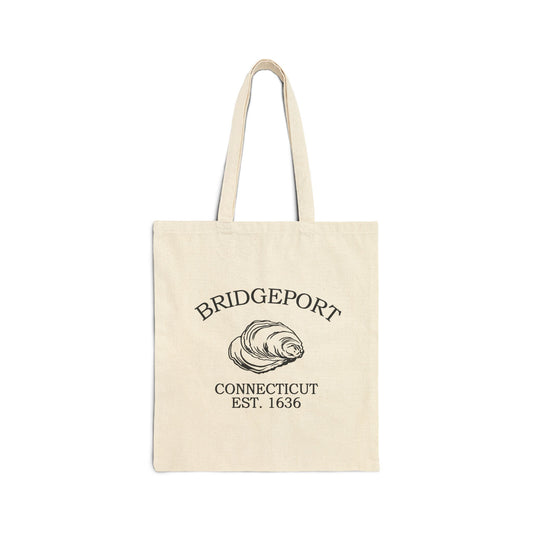
Bridgeport Connecticut Vintage Retro Cotton Canvas Tote Bag - White Logo
Regular price $25.00 USDRegular price -
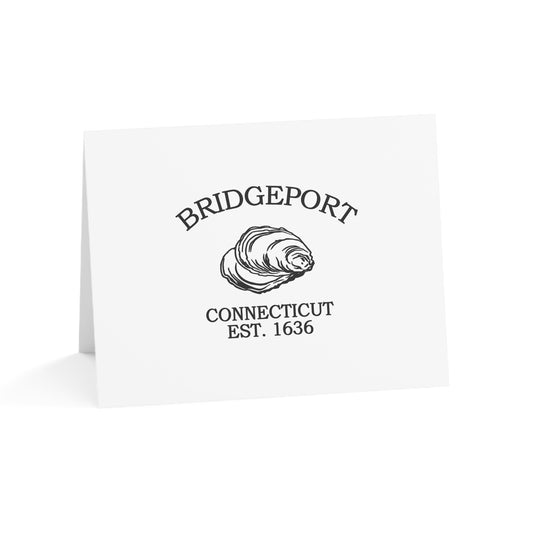
Bridgeport Connecticut Vintage Retro Thank You Card Set - Black Logo
Regular price From $25.00 USDRegular price -
Bridgeport Connecticut Vintage Retro Cotton Canvas Tote Bag - Black Logo
Regular price $25.00 USDRegular price -
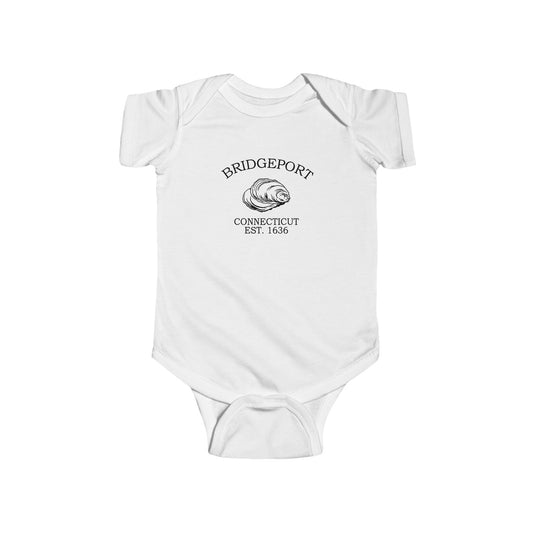
Bridgeport Connecticut Vintage Retro Cotton Jersey Baby Bodysuit - Black Logo
Regular price $26.00 USDRegular price -
Bridgeport Connecticut Vintage Retro Back Printed Art Series Cotton Tee - Black Logo
Regular price $32.00 USDRegular price -
Bridgeport Connecticut Vintage Retro Giclée Print Art Series Poster
Regular price From $38.00 USDRegular price -
Bridgeport Connecticut Vintage Retro Unisex Heavy Crewneck Sweatshirt - Black Logo
Regular price $44.00 USDRegular price -
Bridgeport Connecticut Vintage Retro Unisex Heavy Crewneck Sweatshirt - White Logo
Regular price $44.00 USDRegular price -
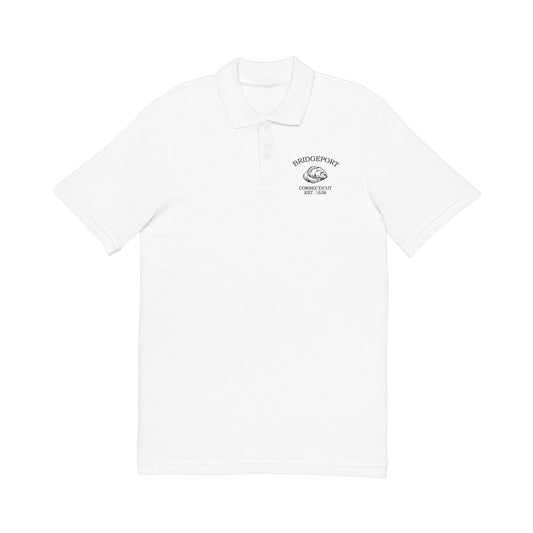
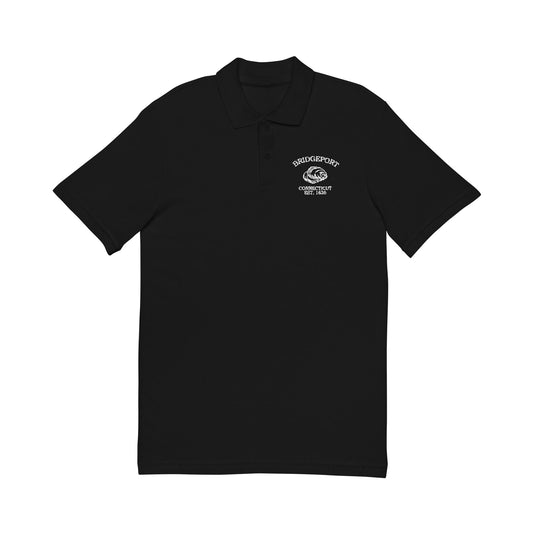
Bridgeport Connecticut Vintage Retro Unisex Embroidered Cotton Polo - Black Logo
Regular price $48.00 USDRegular price










Bridgeport Connecticut — Retro Vintage History
What's with the Park City? Bridgeport wears the nickname because it gave its waterfront away on purpose. In the 1860s the great showman P.T. Barnum — who wintered his circus here, boosted the city at every turn, and went on to serve a term as mayor — joined the landscape architect Frederick Law Olmsted to lay out Seaside Park along the shore of Long Island Sound, a gift of open green to a hard-working industrial town. Beardsley Park followed, then more, until the city counted well over a thousand acres of parkland. Connecticut's largest city turned out to be its most generous with grass and shoreline. That is the Park City: a mill town that always kept the Sound in view.
Wear the HistoryThe city began at the water. Long before the English arrived, the Paugussett people lived along the Pequonnock River where it empties into the Sound, fishing the tidal flats and the oyster beds. English settlers put down farms and wharves at the river mouth around 1639, and for two centuries the place grew slowly on fishing, coastal trade, and a deep natural harbor. The harbor was the making of it. Bridgeport took its name from the drawbridge over the Pequonnock, and in 1836 — by then a busy port — it was chartered as a city.

Through the mid-1800s the deep harbor drew shipbuilding, whaling, and oystering, and then the railroad arrived and changed the scale of everything. Factories rose along the water and the rail lines, and Bridgeport began its long second life as one of New England's great manufacturing cities. Workers came from across Europe and, later, from the American South and the Caribbean, filling brick tenements within walking distance of the plants. By the close of the nineteenth century the quiet port had become a city that made things for the whole country.
No one shaped Bridgeport's character more than Phineas Taylor Barnum. The showman made the city his home, wintered his circus on its outskirts, promoted its growth as a tireless booster, and in 1875 was elected its mayor. His friend and most famous performer, Charles S. Stratton — known the world over as General Tom Thumb — was born in Bridgeport in 1838. Barnum poured his fortune back into the place: the Seaside Park land, public improvements, and the institution that became the Barnum Museum, opened in 1893 and today a National Historic Landmark. The greatest showman of his age chose to be a Bridgeport man.
What the city built in those years reads like a roll call of American industry. Singer made sewing machines here; the Bridgeport milling machine became a fixture of machine shops everywhere; Warner, Crane, Underwood, and others ran great plants along the water. Two smaller firsts left an outsized mark — the Frisbie Pie Company, whose empty tins students learned to sail through the air, gave the world the flying disc, and in 1965 the very first Subway sandwich shop opened on a Bridgeport corner. A city of machinists and inventors, Bridgeport had a knack for sending its ideas out into the world.
And always there were the parks. Olmsted's Seaside Park, founded in 1864, still curves for two miles along the Sound; Beardsley Park, laid out in 1878, holds Connecticut's only zoo. Add the smaller greens and the city's parkland runs past thirteen hundred acres. From Captain's Cove on the harbor to the beaches at the end of the peninsula, the waterfront stayed public and close at hand, and the Bridgeport–Port Jefferson ferry has crossed the Sound to Long Island since 1883. For a hard-working industrial city, Bridgeport kept an unusual amount of room to breathe.
Our Bridgeport logo carries Connecticut's oyster above ‘Connecticut — Est. 1636,’ the shared retro emblem of our Connecticut towns. The oyster is the state shellfish and a nod to the shoreline trade that once made Bridgeport, New Haven, and Norwalk among the busiest oyster ports in the country; the 1636 date marks the founding of the Connecticut Colony. The emblem is the through-line that links Bridgeport to every other Connecticut town we make. What makes this one Bridgeport is the city pride stamped above it — the Park City, biggest and boldest on the Sound.
Today Bridgeport is Connecticut's largest and most diverse city, a working harbor town finding new life in its old brick mills and along its public shore. Its days mix park afternoons and zoo mornings with the rhythm of a place that has always made and remade itself, all facing the same Sound the oyster boats once worked. Our Bridgeport designs gather that into wearable form. Wear the history. The Park City still faces the water.

Bridgeport, Connecticut — Travel Guide
Visiting Bridgeport Today
Bridgeport sits on Long Island Sound in southwestern Connecticut, the largest city in the state and the heart of Fairfield County. It pairs a working harbor and a deep industrial history with more than thirteen hundred acres of parks, a shoreline zoo, and an easy ferry ride across the Sound, with the rest of the Connecticut coast close at hand.
The Parks, the Zoo & the Showman's City
For visitors looking for things to do in Bridgeport, Connecticut:
- Spend an afternoon at Seaside Park, two miles of Olmsted-designed shoreline, beaches, and open lawns along the Sound.
- Visit Connecticut's Beardsley Zoo, the state's only zoo, set inside Olmsted's leafy Beardsley Park.
- Tour the Barnum Museum downtown for the story of P.T. Barnum, General Tom Thumb, and the great age of the circus.
- Walk Captain's Cove Seaport, with its boardwalk, marina, and bright dockside buildings on the harbor.
- Ride the Bridgeport–Port Jefferson ferry across Long Island Sound, a working crossing since 1883.
- Explore downtown's theaters, murals, and historic blocks, the civic heart of the Park City.
Why People Visit Bridgeport
Bridgeport balances big-city history with shoreline ease. Visitors pair the Barnum story and the downtown blocks with park afternoons, a morning at the zoo, and a ferry ride across the Sound. It is varied, historic, and coastal, with year-round appeal in its parks, paths, and public waterfront. History and everyday culture sit side by side here in a welcoming way.
Wear the History
Kindred Cities
Greetings to visitors from Liverpool, England and Hamburg, Germany (willkommen) — like-minded port cities that have always worked for a living.
Great working harbours wear their grit as a badge, and Bridgeport knows the type. Liverpool and Hamburg built themselves on industry and shipping, took their knocks, and never lost the swagger or the music — the two of them made the Beatles between them. Bridgeport made Barnum and a manufacturing waterfront, and faces the Sound the same proud way.
Arrive from a city of docks and reinvention, and Bridgeport will read true: a deep harbour on the Sound, brick mills finding second lives, and a skyline that has always faced the water. Come and visit us soon.
When you plan the trip, the City of Bridgeport and the Connecticut Office of Tourism are the place to start.
Wear the History

For deeper reading on the Bridgeport history described here — the Paugussett and Pequonnock presence at the river mouth, the 1639 English settlement and the 1836 city charter, the maritime and oystering decades, the rise of the great manufacturing plants, and the era of P.T. Barnum, General Tom Thumb, and the Olmsted parks — it may be useful to consult (1) the Bridgeport History Center at the Bridgeport Public Library, (2) the Barnum Museum, (3) the Connecticut Museum of Culture and History (formerly the Connecticut Historical Society), (4) the Fairfield Museum and History Center, and (5) the Connecticut State Library and its State Archives. For travel and visitor information, it may be useful to contact (1) the City of Bridgeport, (2) the Connecticut Office of Tourism (CTvisit), (3) Connecticut's Beardsley Zoo, (4) the Bridgeport & Port Jefferson Steamboat Company for ferry schedules, and (5) the Western Regional Tourism District, which promotes travel across this part of Connecticut.
- Choosing a selection results in a full page refresh.
- Opens in a new window.