Every design is set in hand-lettered vintage type for that old-school, crate-label look. One sample color shown — black and white logo options on every piece. Recently in the national press. Enjoy!
-
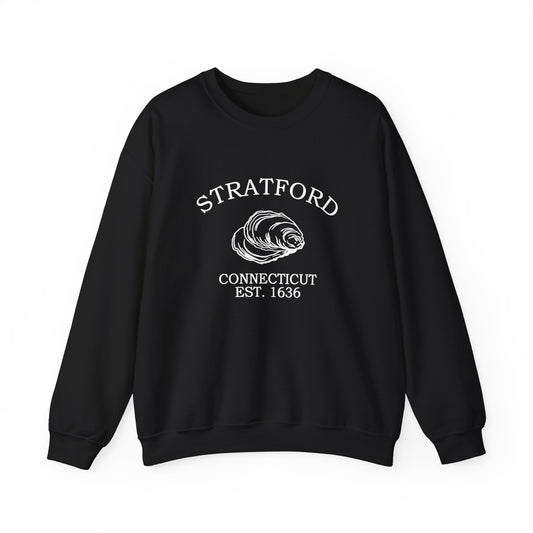
Stratford Connecticut Vintage Retro Premium Crewneck Sweatshirt - Black Logo
Regular price $48.00 USDRegular price -
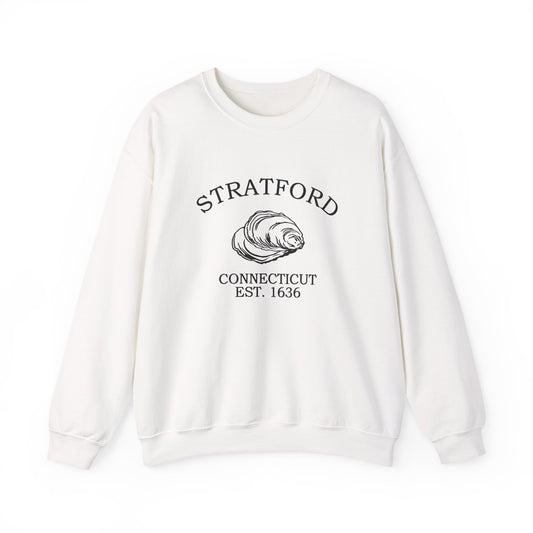
Stratford Connecticut Vintage Retro Premium Crewneck Sweatshirt - White Logo
Regular price $48.00 USDRegular price -
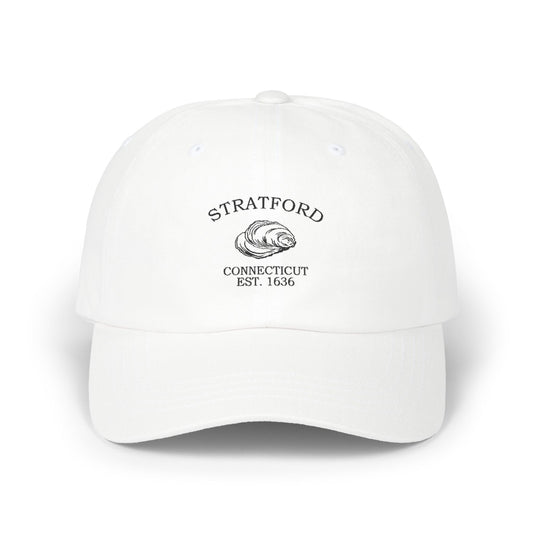
Stratford Connecticut Vintage Retro Embroidered Cotton Cap - White Logo
Regular price $32.00 USDRegular price -
Stratford Connecticut Vintage Retro Embroidered Cotton Cap - Black Logo
Regular price $32.00 USDRegular price -
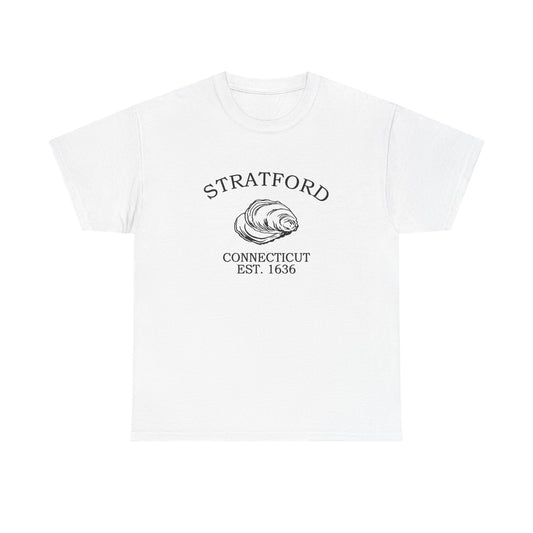
Stratford Connecticut Vintage Retro Unisex Heavy Cotton Tee - White Logo
Regular price $22.00 USDRegular price -
Stratford Connecticut Vintage Retro Unisex Heavy Cotton Tee - Black Logo
Regular price $22.00 USDRegular price -
Stratford Connecticut Vintage Retro Unisex Heavy Cotton Hoodie - White Logo
Regular price $56.00 USDRegular price -
Stratford Connecticut Vintage Retro Unisex Heavy Cotton Hoodie - Black Logo
Regular price $56.00 USDRegular price -
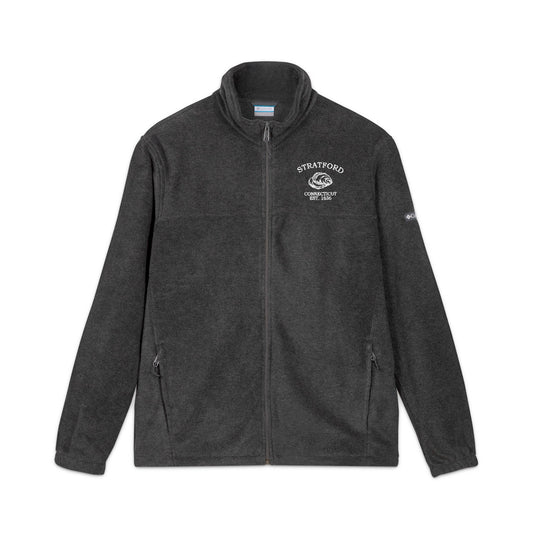
Stratford Connecticut Vintage Retro Unisex Embroidered Fleece Jacket - White Logo
Regular price $98.00 USDRegular price -
Stratford Connecticut Vintage Retro Vinyl Sticker - Black Logo
Regular price From $6.00 USDRegular price -
-
Stratford Connecticut Vintage Retro Womens Fitted Ringspun Cotton Tee - Black Logo
Regular price $28.00 USDRegular price -
Stratford Connecticut Vintage Retro Cotton Canvas Tote Bag - White Logo
Regular price $25.00 USDRegular price -
Stratford Connecticut Vintage Retro Cotton Canvas Tote Bag - Black Logo
Regular price $25.00 USDRegular price -
Stratford Connecticut Vintage Retro Cotton Jersey Baby Bodysuit - Black Logo
Regular price $26.00 USDRegular price -
Stratford Connecticut Vintage Retro Ceramic Mug - Black Logo
Regular price From $16.00 USDRegular price -
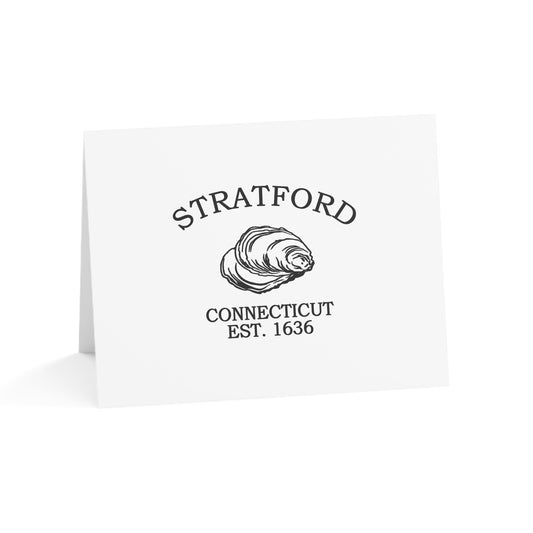
Stratford Connecticut Vintage Retro Thank You Card Set - Black Logo
Regular price From $25.00 USDRegular price -
Stratford Connecticut Vintage Retro Unisex Cotton Jersey Tank Top - Black Logo
Regular price $28.00 USDRegular price -
Stratford Connecticut Vintage Retro Unisex Cotton Jersey Tank Top - White Logo
Regular price $28.00 USDRegular price -
Stratford Connecticut Vintage Retro Back Printed Art Series Cotton Tee - Black Logo
Regular price $32.00 USDRegular price -
Stratford Connecticut Vintage Retro Unisex Heavy Crewneck Sweatshirt - White Logo
Regular price $44.00 USDRegular price -
Stratford Connecticut Vintage Retro Unisex Heavy Crewneck Sweatshirt - Black Logo
Regular price $44.00 USDRegular price -
Stratford Connecticut Vintage Retro Giclée Print Art Series Poster
Regular price From $38.00 USDRegular price -
Stratford Connecticut Vintage Retro Unisex Embroidered Cotton Polo - Black Logo
Regular price $48.00 USDRegular price












Stratford Connecticut — Retro Vintage History
What's with the oyster? Long before the aircraft factories, Stratford was an oyster town. The tidal flats where the Housatonic meets Long Island Sound made some of the best shellfish beds in New England, and oystering and shipbuilding anchored the colonial economy for generations. That is why our Stratford emblem is an oyster shell — the honest symbol of a Connecticut harbor town. Paired with "1636," the year of the Connecticut Colony, the oyster shell reads as shoreline New England in shorthand: tide, harbor, and the long maritime history of the Sound. (Type “Startford” in a hurry and the Sound-side town still answers.)
Wear the HistoryWhere you're from. Where you love. Where you explored. Where you belong.
The first real helicopter on Earth lifted off here. On a September morning in 1939, Igor Sikorsky's VS-300 rose into the air over the Housatonic River, and the American helicopter industry was born in Stratford. But the town is three centuries older than that flight — a 1639 Puritan harbor at the mouth of the river on Long Island Sound, named for Shakespeare's Stratford, with oyster boats, a colonial sea-captain's house, and a lighthouse on the Sound. This is Stratford, Connecticut, and this page tells its story.
QUICK FACTS — STRATFORD, CT
Stratford is the birthplace of the American helicopter: Igor Sikorsky's VS-300 made the world's first practical helicopter flight here on September 14, 1939.
Every presidential Marine One helicopter has been built in Stratford since 1957.
The town was settled in 1639 and officially named Stratford on April 13, 1643 — for Shakespeare's Stratford-upon-Avon.
The Paugussett called this shore Cupheag — “place of shelter” — at the mouth of the Housatonic River on Long Island Sound.
Boothe Memorial Park preserves the Boothe brothers' eccentric 32-acre collection of buildings — a clocktower museum, chapel, blacksmith shop, windmill, trolley station, and an original Merritt Parkway tollbooth.
The Captain David Judson House (1750) is one of Connecticut's finest Georgian colonial homes.
The American Shakespeare Theatre opened here in 1955 — an 1,100-seat festival stage that drew the era's greatest actors.
So many towns borrowed the name that even Stratford, New York was named after Stratford, Connecticut.
The Paugussett who lived along the Housatonic called this shore Cupheag — "place of shelter." In 1639 a group of Puritan families led by the Reverend Adam Blakeman settled at the river's mouth, and in 1643 the town was formally named Stratford, for Shakespeare's Stratford-upon-Avon in England. For its first two centuries Stratford lived off the water: oystering and shipbuilding on the Housatonic, wharves and fishing boats, the 1750 Georgian house of Captain David Judson still standing as a reminder of the colonial harbor town.

Then, in 1939, Stratford changed the world's idea of flight. Igor Sikorsky's VS-300 made the first practical helicopter flight here on September 14, and the town became the cradle of the American helicopter — every presidential Marine One has been built in Stratford since 1957. For a small Connecticut harbor, it is an outsized claim to fame: the place where the helicopter went from dream to working machine, on the same riverbank where oyster sloops had worked the tide two centuries before.
The brothers who collected buildings. Ask Stratford for its strangest story and you'll be sent to Boothe Memorial Park: two brothers, David and Stephen Boothe, spent the early twentieth century filling their family homestead with structures nobody could quite explain — a clocktower museum, a chapel, a blacksmith shop, a windmill, a trolley station, and, in time, an original Merritt Parkway tollbooth. They willed all thirty-two acres to the people of Stratford, and the town has been happily puzzled by it ever since.
Today Stratford is a Connecticut shoreline town in the Bridgeport metro, where colonial harbor history meets twentieth-century aviation. Boothe Memorial Park spreads its salvaged history across 32 acres above the river, Stratford Point Light still marks the mouth of the Housatonic, and the Lordship beaches face out onto Long Island Sound. Our Stratford designs gather that identity into wearable form — the oyster shell, the lighthouse, the harbor, the Sound. From a 1639 oyster harbor to the birthplace of the American helicopter — wear a little of Stratford's Connecticut history.
Our Stratford logo carries that oyster shell over "1636," the year of the Connecticut Colony and the shared emblem of every Merlin Classics Connecticut place. Printed black-and-white with the worn look of an old oyster-crate label or a seaside sign, the shell reads as shoreline Connecticut: the harbor, the Sound, the long maritime past. What makes this one Stratford is the place behind it — the 1639 oyster town, the lighthouse on the Sound, Shakespeare's namesake on the Housatonic, and the birthplace of the American helicopter.
So Stratford holds two histories in one harbor: the tide that made an oyster town, and the rotor wash that made an aviation capital. Our Stratford designs gather both into wearable form. From a 1639 oyster harbor to the birthplace of the American helicopter — wear a little of Stratford's Connecticut history.

Stratford Connecticut — Travel Guide
Visiting Stratford Connecticut Today
Stratford sits on Long Island Sound at the mouth of the Housatonic River, a Connecticut shoreline town where colonial oyster-harbor history meets twentieth-century aviation. It pairs beaches, a lighthouse, and a 32-acre historic park with deep maritime and aviation heritage.
Harbor History, the Shoreline & Aviation in Stratford Connecticut
For visitors searching for things to do in Stratford, Connecticut:
- Tour Boothe Memorial Park, a 32-acre former estate with an eclectic collection of historic buildings on the Housatonic.
- Visit the Captain David Judson House (1750), the Stratford Historical Society's colonial Georgian home.
- See Stratford Point Light, the lighthouse marking the mouth of the river on Long Island Sound.
- Relax at the Lordship beaches and seawall, facing out onto the Sound.
- Explore the National Helicopter Museum and the Connecticut Air & Space Center, telling the town's aviation story.
Why People Visit Stratford Connecticut
Stratford draws visitors with a rare mix of colonial harbor history, Long Island Sound shoreline, and aviation heritage. Travelers find it both a 1639 oyster town with a lighthouse and beaches and the birthplace of the American helicopter, with the quiet, layered character of the Connecticut shore. It is historic, maritime, and unmistakably New England.
Wear the History
Where you're from. Where you love. Where you explored. Where you belong.
Kindred Cities
We're glad to welcome visitors from Stratford-upon-Avon and York — like-minded English towns of history and the stage.
Stratford took its name from Shakespeare's own town, and the bond is more than a name. Stratford-upon-Avon is the Bard's birthplace, where his plays still fill the riverside theatres; York guards its medieval walls, its great Minster and centuries of English history; Connecticut's Stratford, on the Housatonic, once drew theatre-lovers to its own American Shakespeare Festival stage. Three towns that keep the language and the drama of England close to heart.
And there is a third Stratford in the family: Stratford, Ontario, whose own Shakespeare festival has run since 1953 — three Stratfords, three theater traditions, one name traded across an ocean and a border. Even the confusion is a kind of kinship.
Stratford rewards the visitor who likes a town with a story: the Housatonic running down to the Sound, the legacy of its Shakespeare theatre, Sikorsky's helicopters built in its yards, and an easy seat between the New York and New England shores. Come and visit us soon.
When you plan the trip, the Town of Stratford and the Connecticut Office of Tourism are the place to start.
Wear the History
Where you're from. Where you love. Where you explored. Where you belong.

For deeper reading on the Stratford, Connecticut history described here — the Paugussett "Cupheag" shore, the 1639 Puritan founding under the Reverend Adam Blakeman, the 1643 naming for Stratford-upon-Avon, the colonial oystering and shipbuilding era, the 1750 Captain David Judson House, the 1939 first practical helicopter flight, and the town's aviation heritage — it may be useful to consult (1) the Stratford Historical Society and the Captain David Judson House, (2) the Stratford Library local-history collection, (3) the Connecticut State Library and the State Historic Preservation Office, (4) the Town of Stratford clerk's records office, and (5) the Stratford Historic District Commission. For travel and visitor information, it may be useful to contact (1) the Town of Stratford and the Stratford Chamber of Commerce, (2) Visit Fairfield County CT / the Connecticut Office of Tourism, (3) the Stratford Parks and Recreation Department, (4) Boothe Memorial Park and the National Helicopter Museum / Connecticut Air & Space Center, and (5) the regional Metro-North and visitor information desks.
- Choosing a selection results in a full page refresh.
- Opens in a new window.