


Long before the road or the pier, this stretch of coast was home to the Tongva — the Gabrielino people — who lived along Santa Monica Bay for centuries, fishing its waters and trading along the shore. A Spanish expedition under Portolá camped nearby in 1769 and left the name of a saint on the place; through the Mexican era the land lay in ranchos, and Tongva Park downtown now carries the first people's name at the center of the city.
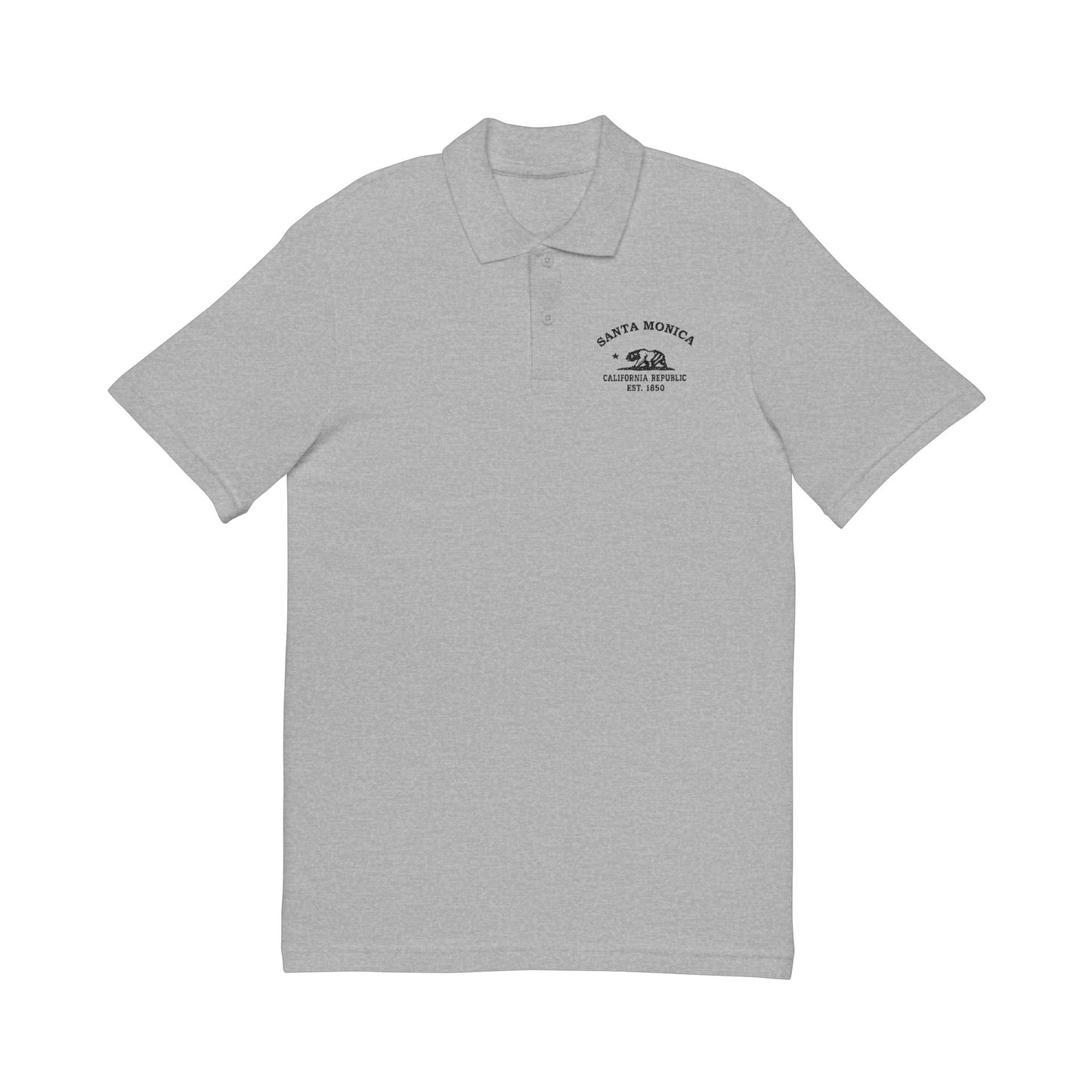
Today Santa Monica is California's beach and the end of America's road. Its story runs from the Tongva coast and the senator's 1875 resort, through the amusement-pier era, the birth of Douglas Aircraft, and the 1936 arrival of Route 66, to the solar wheel turning over the Pacific tonight. Wear a little of the place where the road runs out and the ocean begins.
Why People Visit Santa Monica
Santa Monica rewards visitors with a rare mix — a historic amusement pier, the western end of Route 66, miles of state beach, and one of America's great walking downtowns, all on a bright Pacific bay. People come for the pier and the End of the Trail, and stay for the sunsets off the bluffs and the easy, salt-aired grace of California's beach city.
