


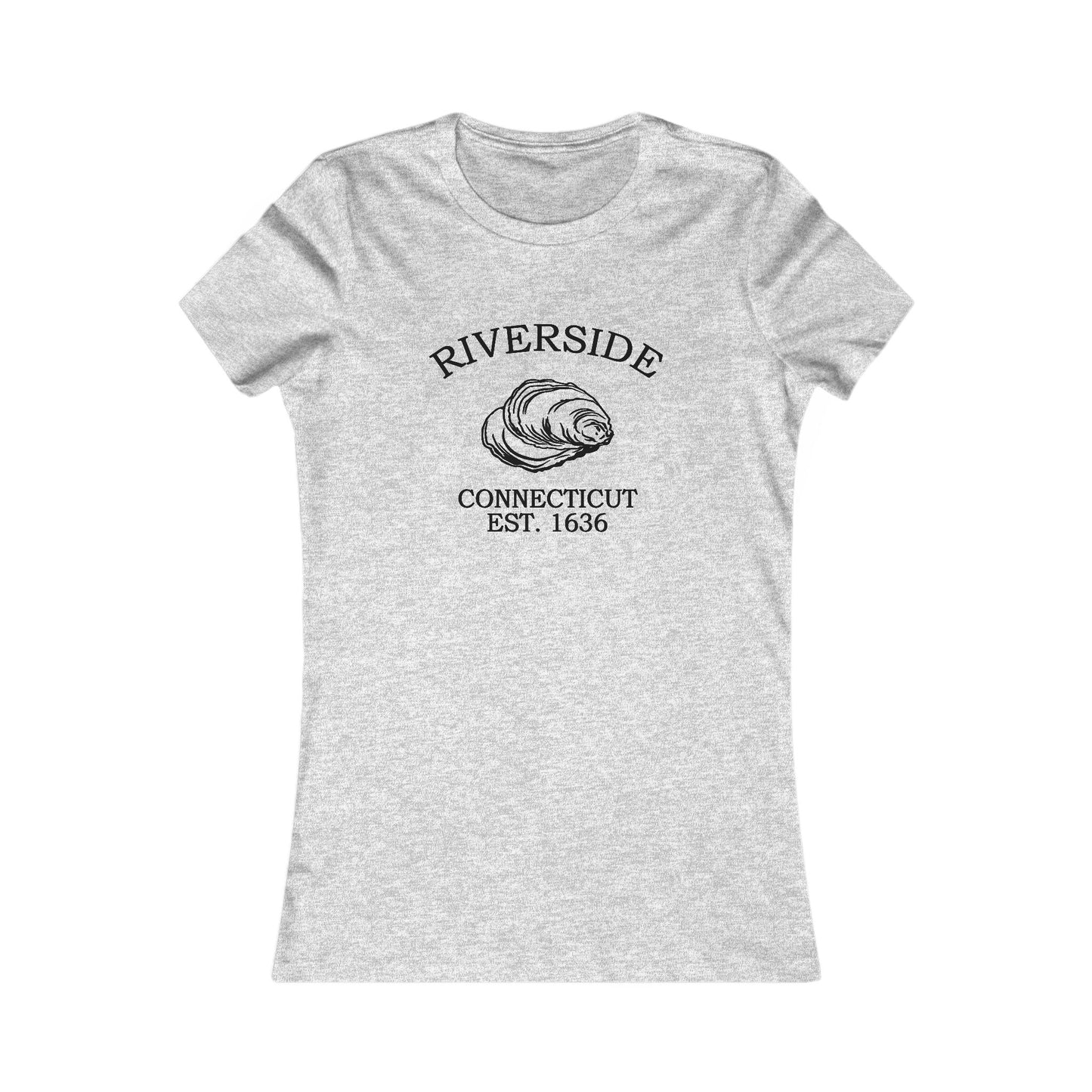
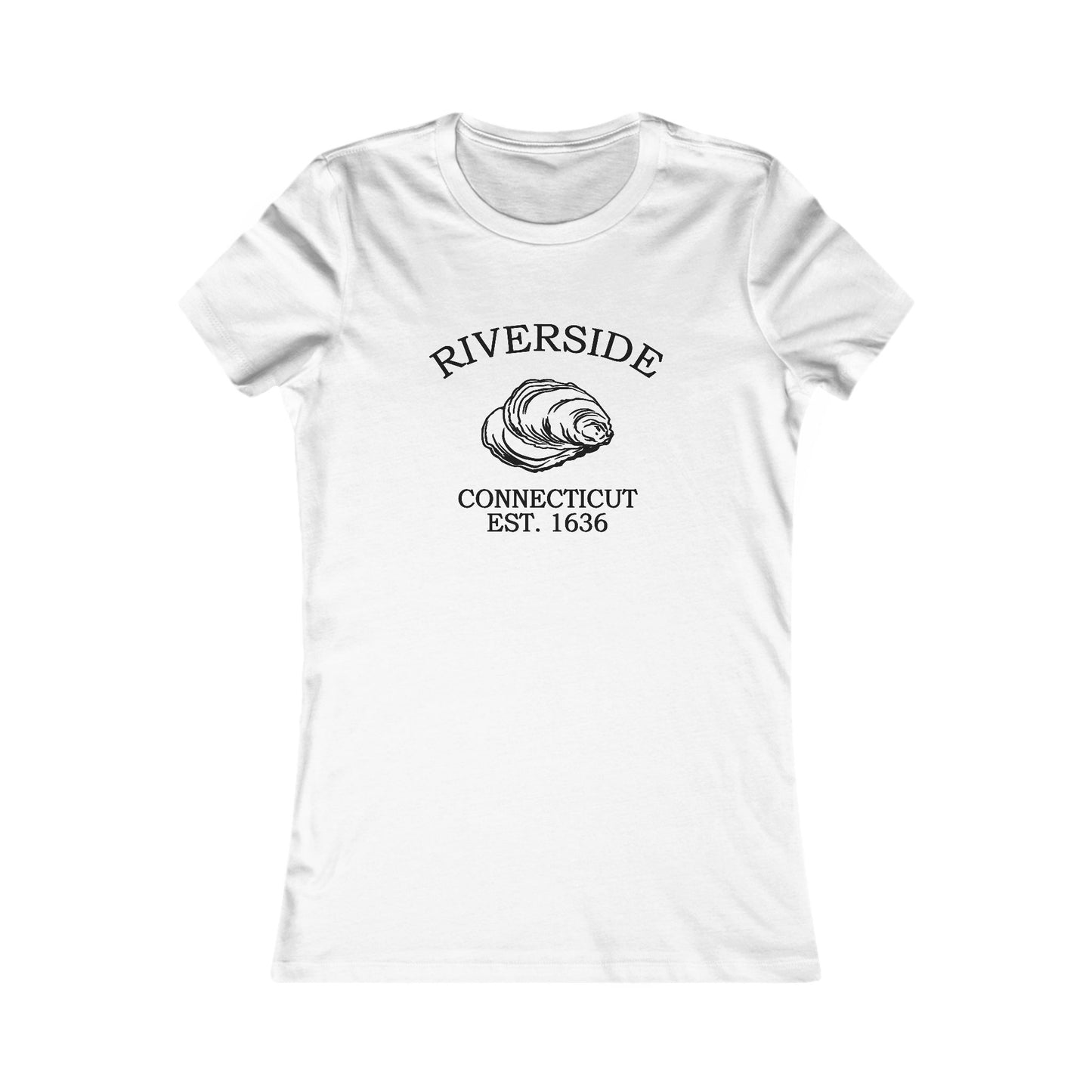
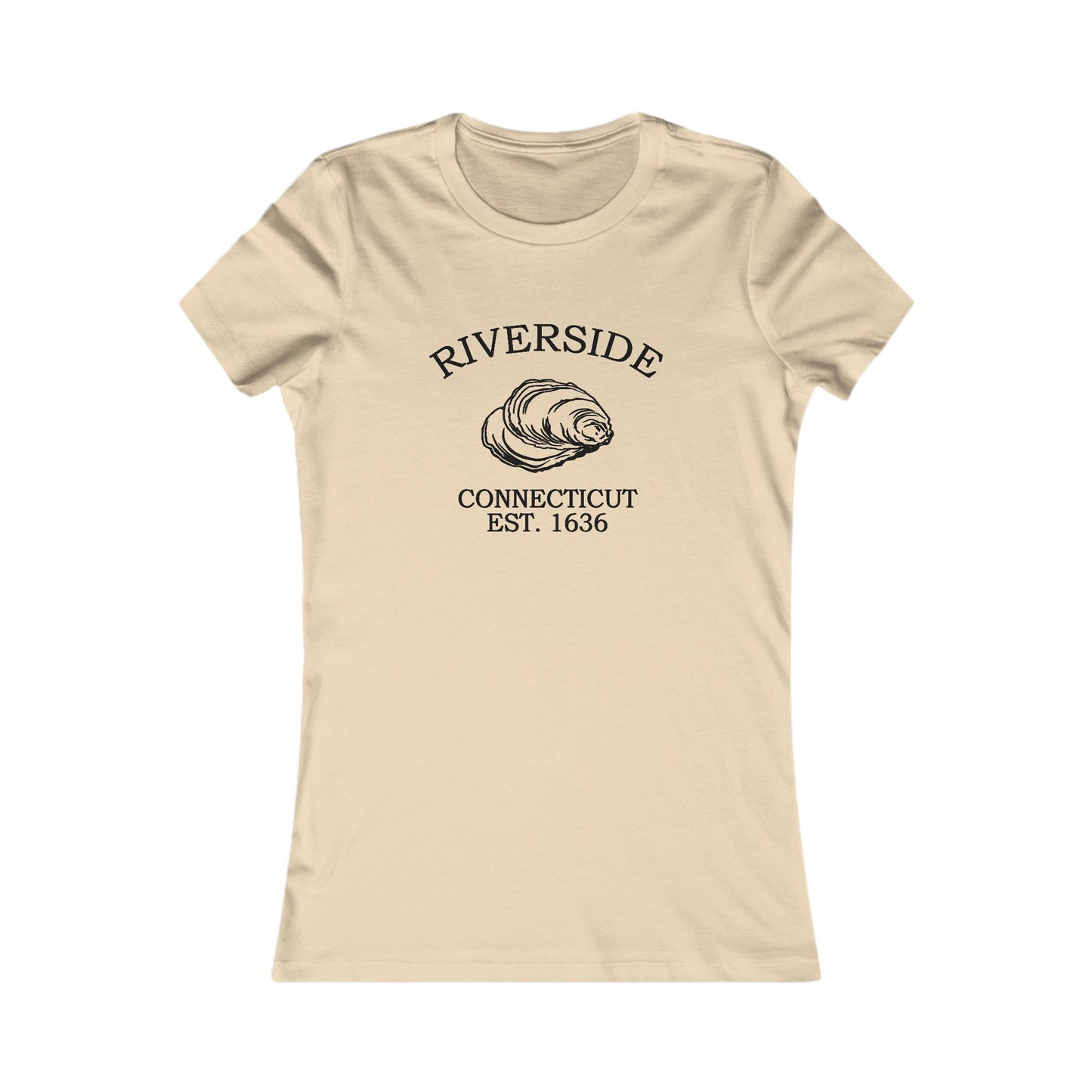
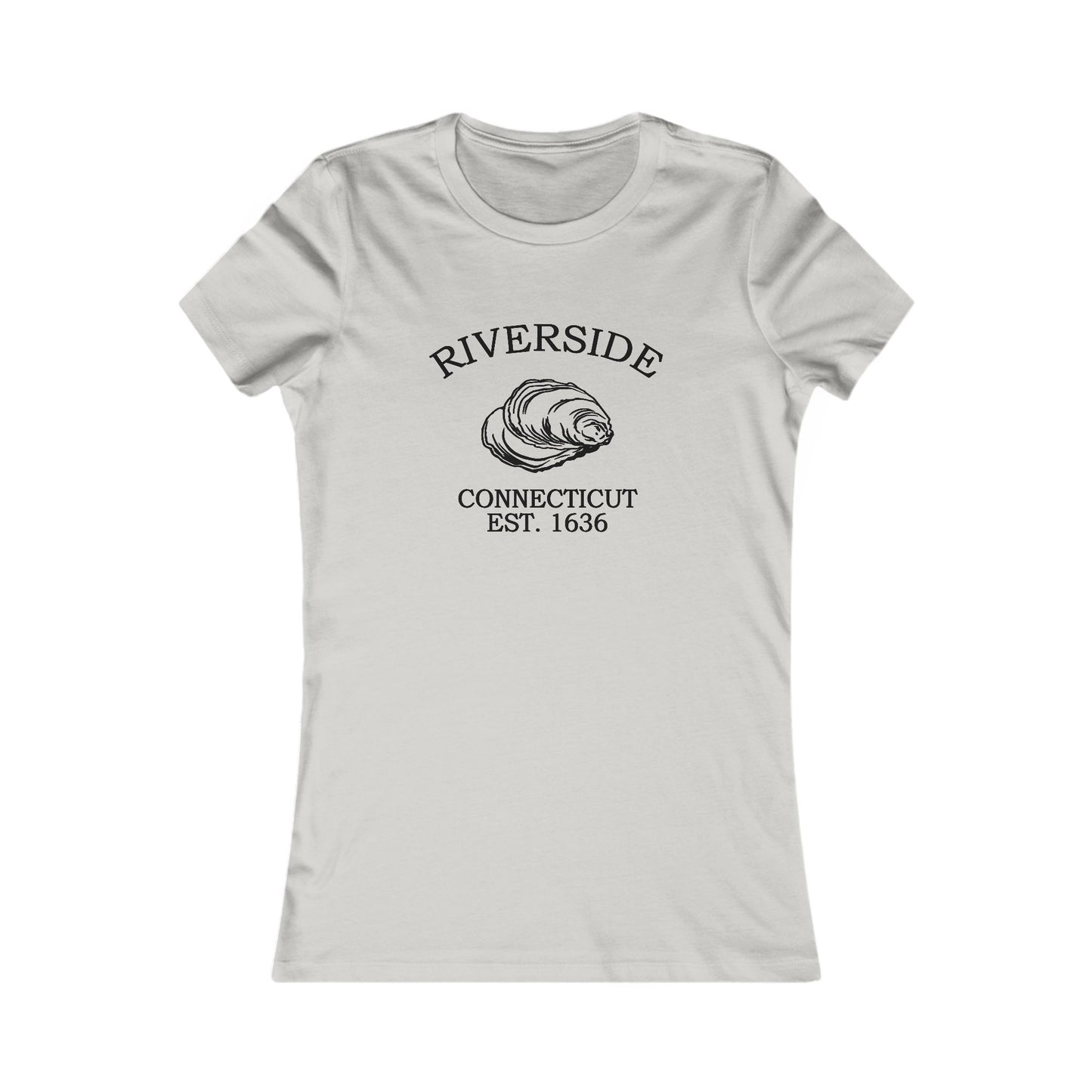

Riverside, part of Greenwich along the Connecticut shoreline, developed in the seventeenth century when settlers built farms and docks along the Mianus River. Indigenous Algonquian peoples lived here for generations, relying on fishing and shellfish before colonial settlement reshaped the landscape. By the nineteenth century, Riverside became a small maritime community, where boatyards and mills supported daily life. Its name reflects the river that defined it, anchoring a heritage tied to water, land, and resilience. Early Riverside life balanced agriculture, fishing, and coastal trade, forming a lasting shoreline identity.
Riverside’s stories highlight its maritime and suburban character. Families recall oyster harvesting, clambakes, and fishing on the Mianus River. Local tales describe shipbuilding and river trade that once defined the shoreline. Residents also remember mid-century parades, fairs, and beach gatherings that celebrated community spirit. Myths and memories blend in stories of storms and resilience, as neighbors rebuilt after hardship. These narratives capture Riverside’s enduring pride, blending coastal tradition with suburban optimism, and reinforcing its role as part of Connecticut’s shoreline heritage.
Why People Visit Riverside Connecticut
Riverside balances commuter convenience with easy nature stops. Visitors enjoy parks, harbor views, and simple local errands. It is quiet, tidy, and close to the water. Travelers find year round appeal in parks, paths, and public spaces. The setting combines natural beauty with accessible neighborhoods and landmarks. History and everyday culture sit side by side in a welcoming way.
