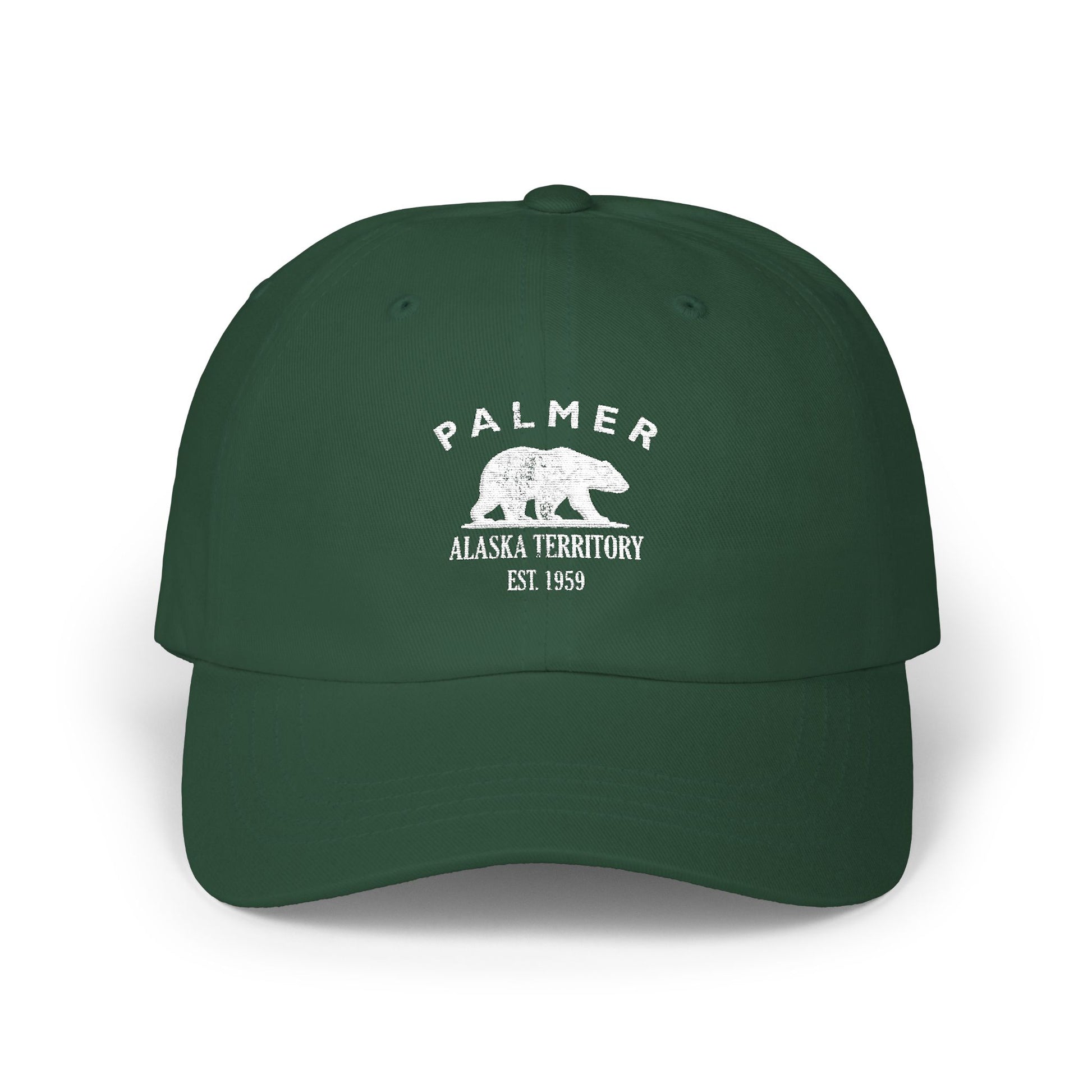
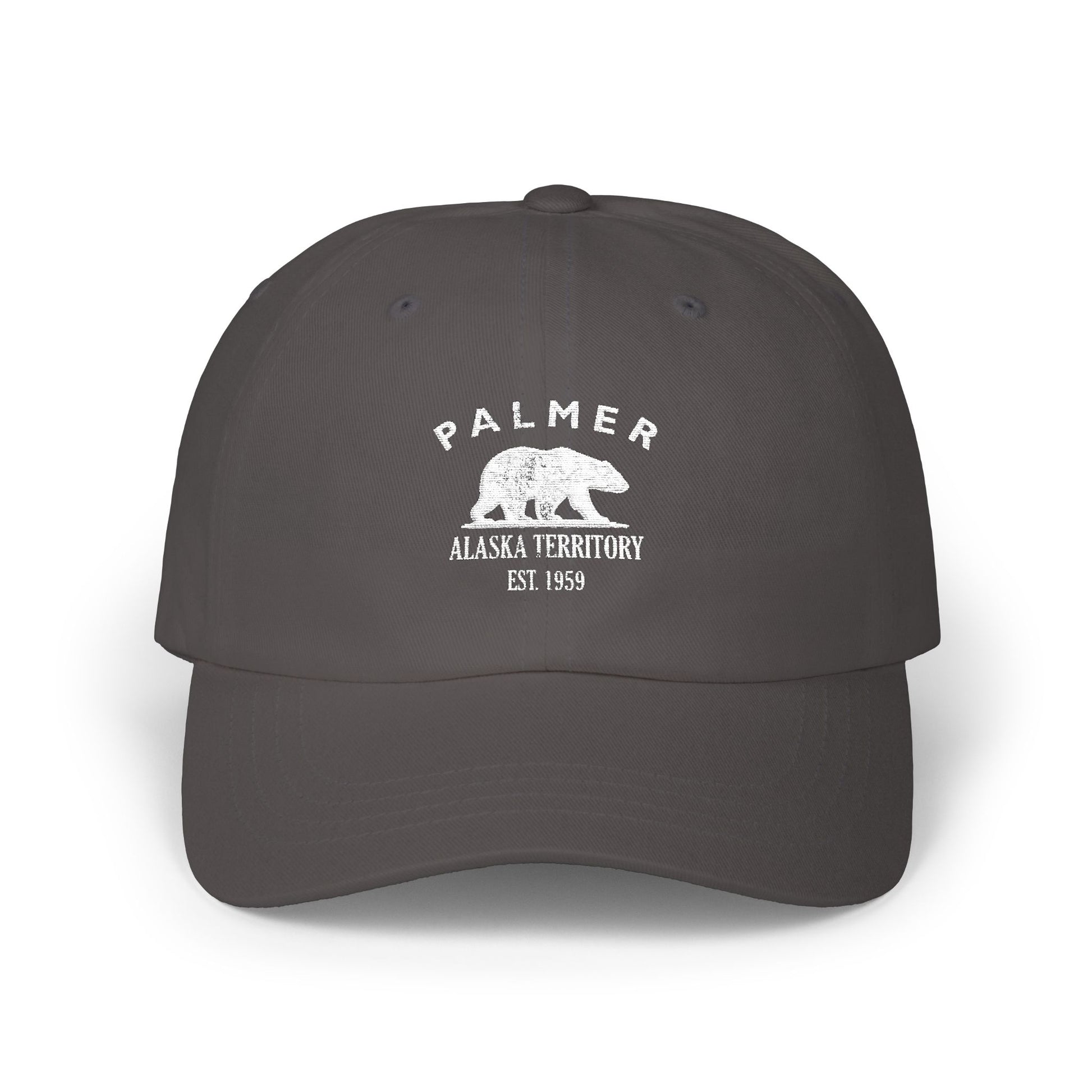
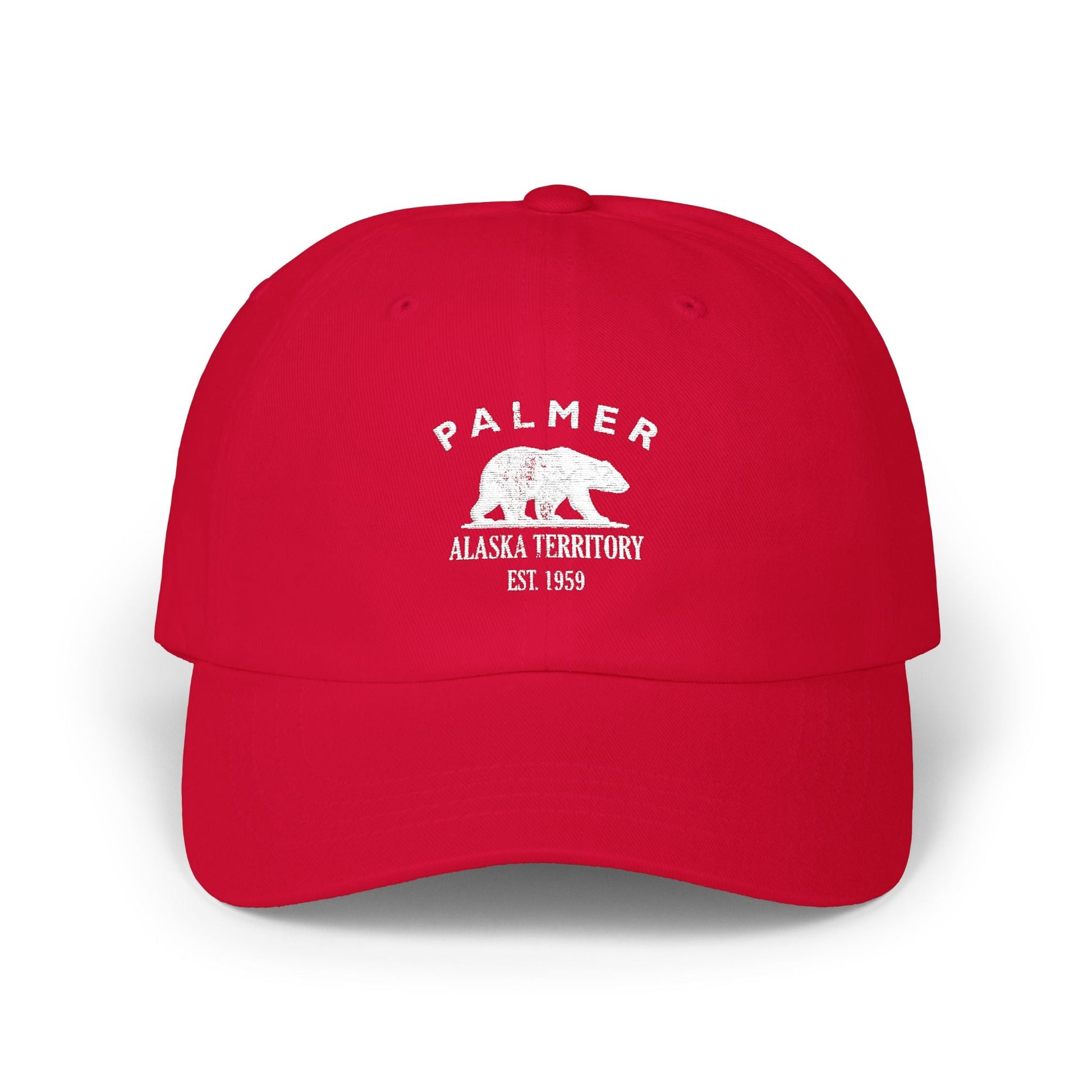
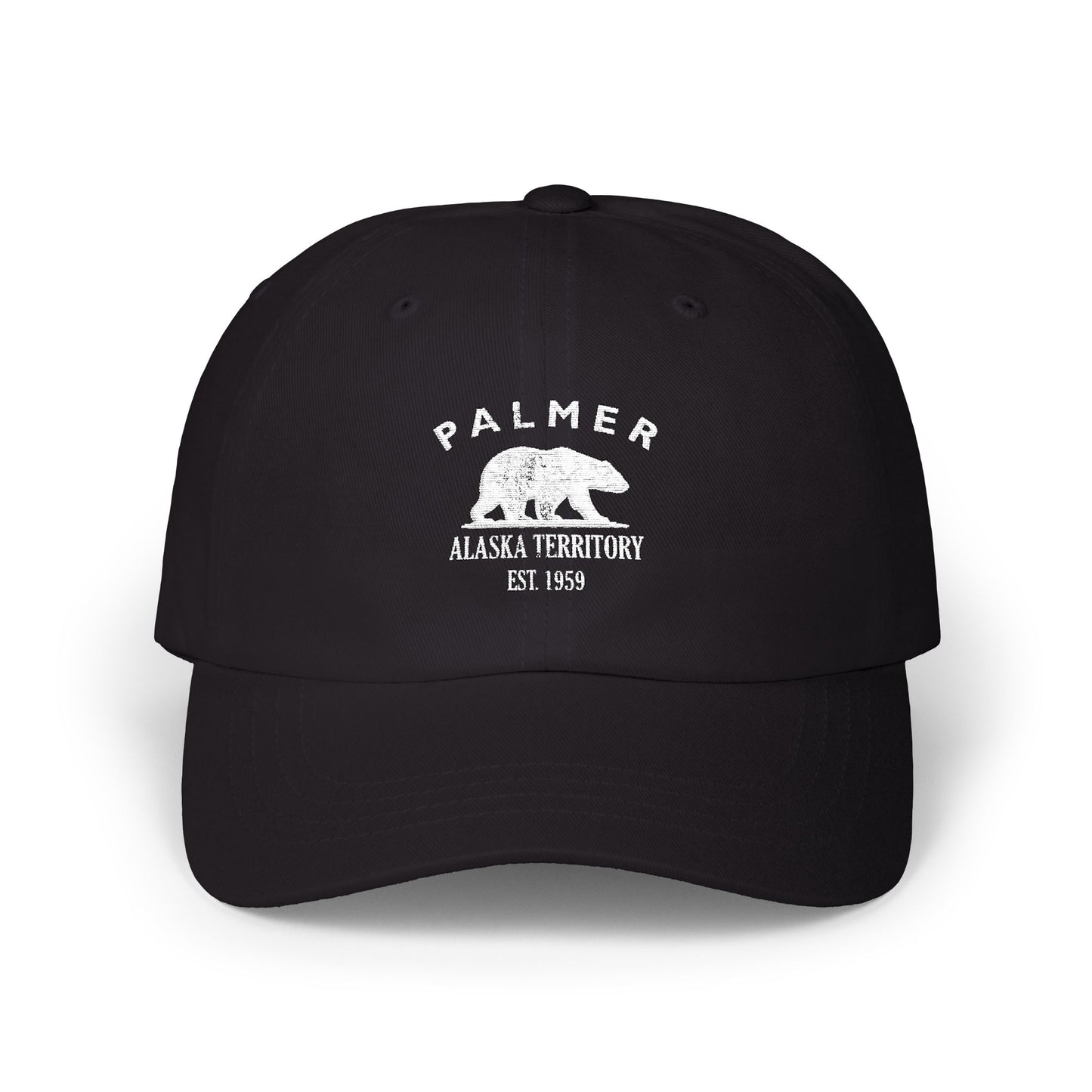
Palmer is Alaska's farm town — a New Deal colony where Midwest families grew cabbages the size of wagon wheels under the midnight sun, in the shadow of Pioneer Peak. Our Palmer designs gather that into wearable form. Wear the Matanuska Colony. Colony-grown under the midnight sun.
What the valley had that nowhere else in Alaska did was light. Through the long summer the sun stays up some nineteen hours a day, and in the rich glacial-silt soil the crops simply do not stop growing. The result is the stuff of legend and of fact both: cabbages the size of wagon wheels and pumpkins that take a forklift. The Alaska State Fair, held in Palmer since 1936, turned that quirk into a tradition, and its giant-vegetable weigh-offs still draw record-breakers and crowds every Labor Day, including a cabbage that topped 138 pounds, among the largest ever grown.
Why People Visit Palmer
Palmer offers something rare in Alaska — real farm country, set against glaciers and peaks. Visitors come for the colony heritage and the State Fair, stay for the Hatcher Pass alpine and the Musk Ox Farm, and leave understanding why this one valley, under all that summer light, became the place Alaska grows its food.
