


More From Nome Alaska
-
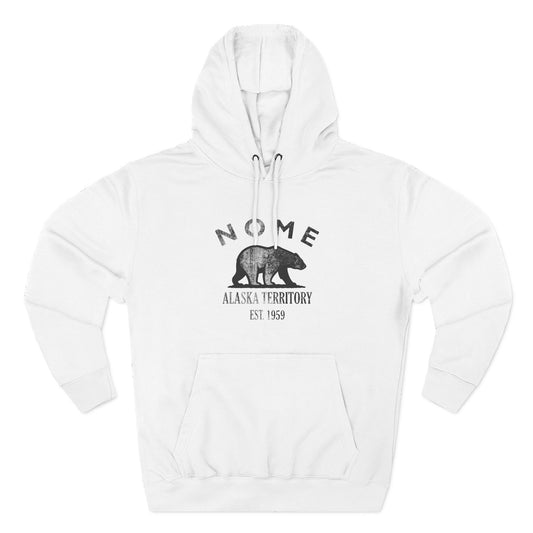
Nome Alaska Vintage Retro Unisex Heavy Cotton Hoodie - Black Logo
Regular price $56.00 USDRegular price -
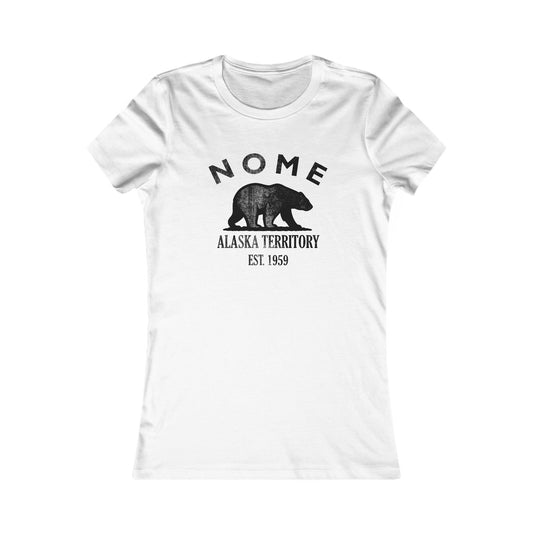
Nome Alaska Vintage Retro Womens Fitted Ringspun Cotton Tee - Black Logo
Regular price $28.00 USDRegular price -
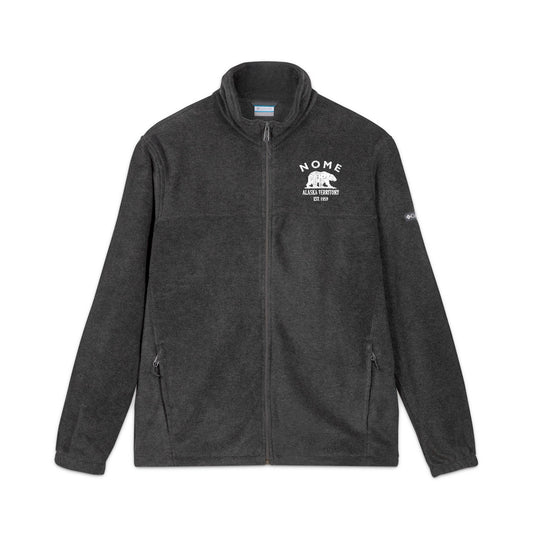
Nome Alaska Vintage Retro Unisex Embroidered Fleece Jacket - White Logo
Regular price $98.00 USDRegular price -
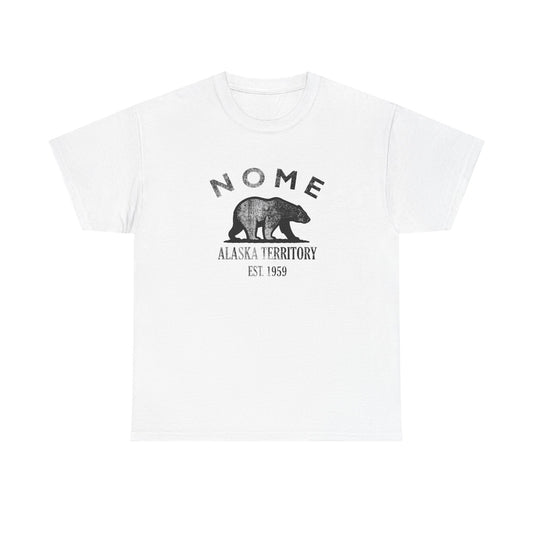
Nome Alaska Vintage Retro Unisex Heavy Cotton Tee - Black Logo
Regular price $28.00 USDRegular price
The Iñupiat were here first, and they are here still. The coast around Sitŋasuaq — the Iñupiaq name for the Nome area — had been fished and hunted for centuries before any prospector arrived, part of a network of Seward Peninsula communities living by salmon, seal, walrus, and caribou. Roughly half of Nome’s people today are Alaska Native, and the town remains a hub for the surrounding Iñupiat villages of the region. Whatever gold built here, the deeper story of this coast is continuity — a homeland that long predates the stampede and outlasts it.
Front Street collected characters. Wyatt Earp — the Tombstone lawman — arrived in 1899 and ran the Dexter Saloon for two years as a businessman rather than a marshal; biographers estimate he left Nome with about $80,000, more than his lawman years ever paid him. The rush also drew a subtler kind of prospector: in 1900, political boss Alexander McKenzie and federal judge Arthur H. Noyes worked a scheme to seize the richest claims — including the Swedes’ — through the court itself, until a federal appeals panel shut it down and jailed McKenzie. Rex Beach turned the affair into his 1906 novel The Spoilers. Nome incorporated as a city on April 9, 1901; storms and fires — the worst in 1913 and 1934 — later took most of the original gold-rush buildings, though St. Joseph’s Church of 1901 still stands.
Why People Visit Nome Alaska
Nome combines gold-rush history, sled-dog tradition, Bering Strait geography, and open tundra in a way no other town can. Visitors come for race week in March, for the beach where the last great American gold rush ended, for muskox and wildflowers in the long summer light, for the aurora, and for the plain fact that the road runs out here. Remote, resilient, unforgettable.
