


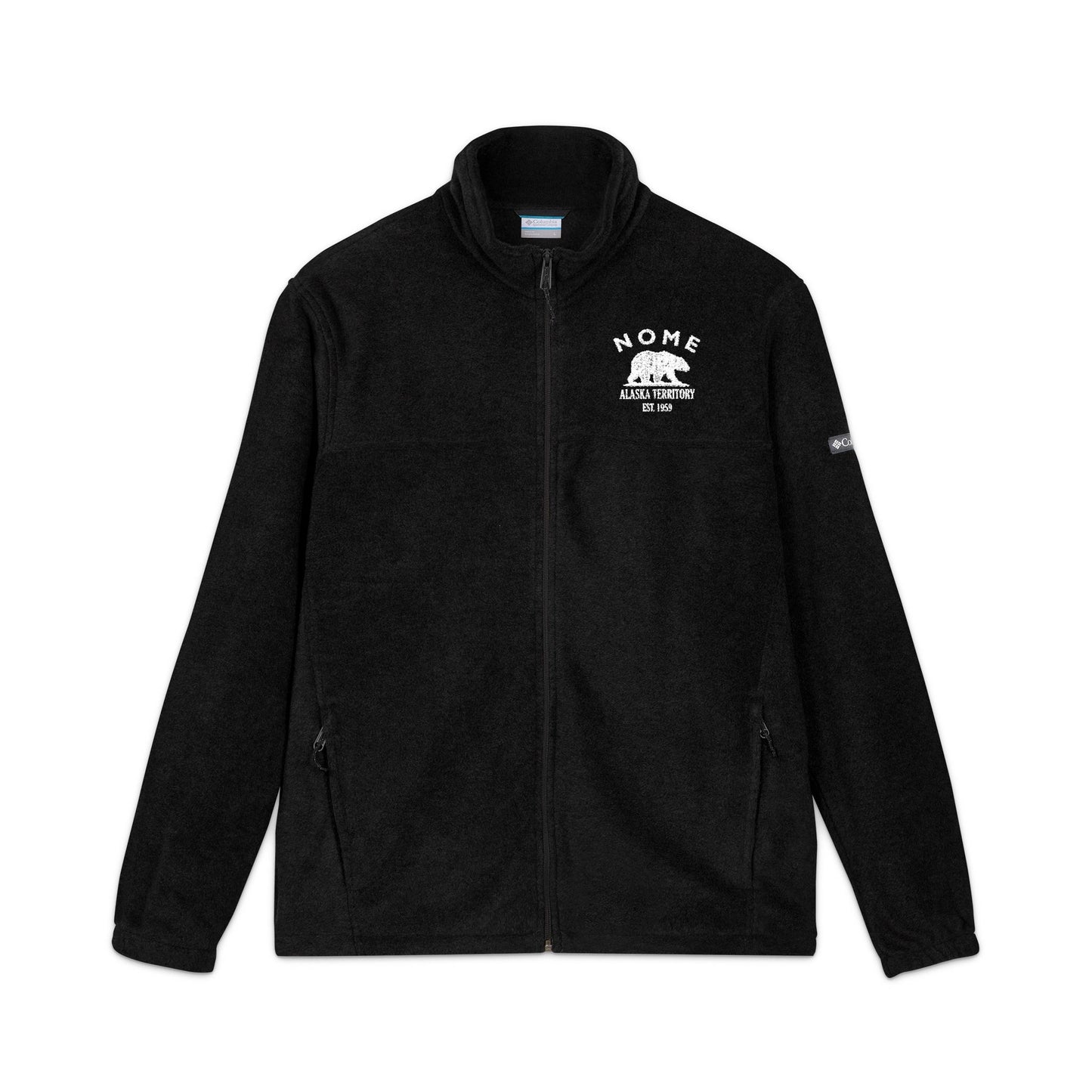
What’s with the Three Lucky Swedes? The Three Lucky Swedes struck gold on Anvil Creek on September 22, 1898 — the strike that set off the last great American gold rush. The prospectors — Jafet Lindeberg, Erik Lindblom, and John Brynteson — were working a few miles above the Bering Sea beach on the Seward Peninsula. Two were Swedish; Lindeberg was Norwegian; the nickname stuck anyway, and the “Three Lucky Swedes” entered Alaska legend. The tent city that sprang up on the shore below — briefly called Anvil City — became Nome. Within two years the luckiest beach in the north held one of the largest cities on the Pacific coast above Seattle, out at the edge of the continent, facing Siberia.
In January 1925, diphtheria broke out in Nome, and the nearest serum sat 674 miles away in Nenana. Twenty mushers and their dog teams ran it west in relay — 127 hours through interior cold that fell below minus forty. Leonhard Seppala and his lead dog Togo drove the longest and most dangerous leg, roughly 260 miles including a shortcut across the shifting sea ice of Norton Sound; Gunnar Kaasen and Balto brought the serum the final 55 miles into town through an eighty-mile-an-hour blizzard, arriving at 5:30 on the morning of February 2. The epidemic was stopped. The Great Race of Mercy made national heroes of the mushers and both dogs — and Alaskans will tell you Togo’s run was the harder one.
Why People Visit Nome Alaska
Nome combines gold-rush history, sled-dog tradition, Bering Strait geography, and open tundra in a way no other town can. Visitors come for race week in March, for the beach where the last great American gold rush ended, for muskox and wildflowers in the long summer light, for the aurora, and for the plain fact that the road runs out here. Remote, resilient, unforgettable.
