


More From Nome Alaska
-
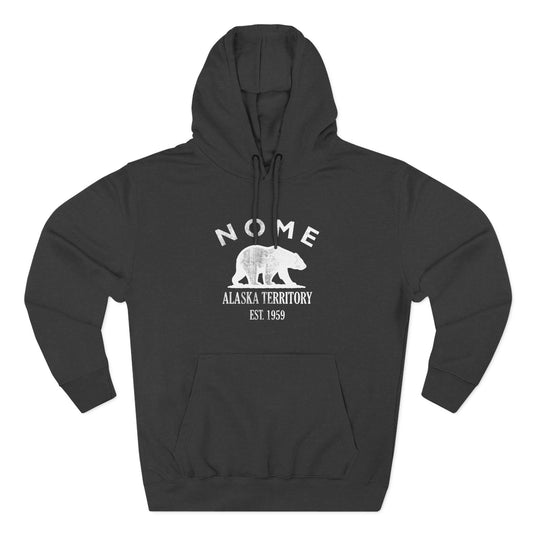
Nome Alaska Vintage Retro Unisex Heavy Cotton Hoodie - White Logo
Regular price $56.00 USDRegular price -
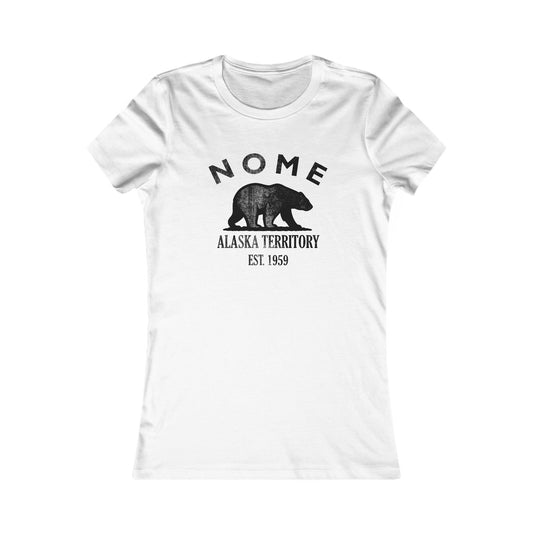
Nome Alaska Vintage Retro Womens Fitted Ringspun Cotton Tee - Black Logo
Regular price $28.00 USDRegular price -
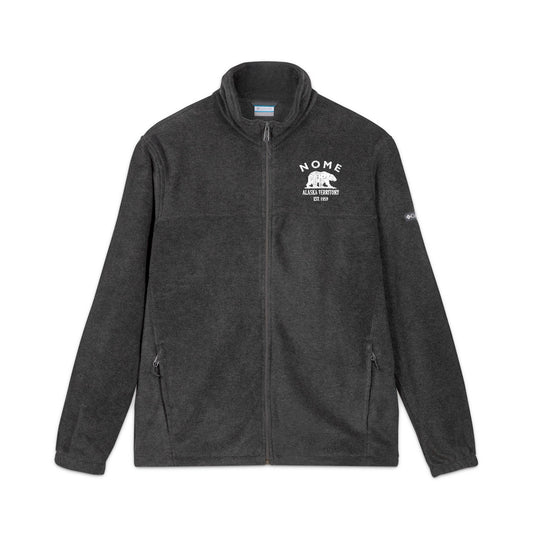
Nome Alaska Vintage Retro Unisex Embroidered Fleece Jacket - White Logo
Regular price $98.00 USDRegular price -
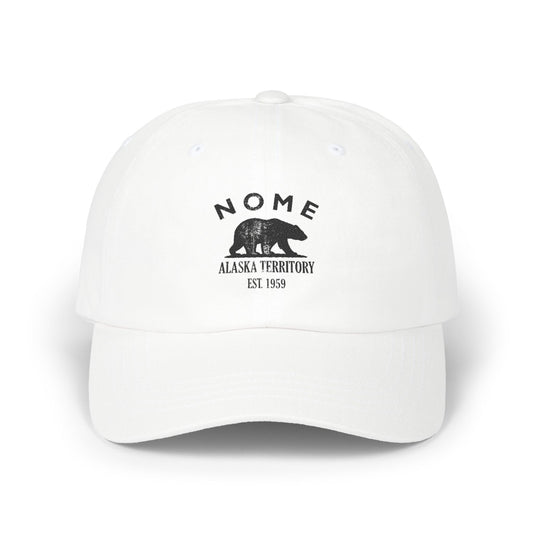
Nome Alaska Vintage Retro Embroidered Cotton Cap - Black Logo
Regular price $32.00 USDRegular price
Front Street collected characters. Wyatt Earp — the Tombstone lawman — arrived in 1899 and ran the Dexter Saloon for two years as a businessman rather than a marshal; biographers estimate he left Nome with about $80,000, more than his lawman years ever paid him. The rush also drew a subtler kind of prospector: in 1900, political boss Alexander McKenzie and federal judge Arthur H. Noyes worked a scheme to seize the richest claims — including the Swedes’ — through the court itself, until a federal appeals panel shut it down and jailed McKenzie. Rex Beach turned the affair into his 1906 novel The Spoilers. Nome incorporated as a city on April 9, 1901; storms and fires — the worst in 1913 and 1934 — later took most of the original gold-rush buildings, though St. Joseph’s Church of 1901 still stands.
In January 1925, diphtheria broke out in Nome, and the nearest serum sat 674 miles away in Nenana. Twenty mushers and their dog teams ran it west in relay — 127 hours through interior cold that fell below minus forty. Leonhard Seppala and his lead dog Togo drove the longest and most dangerous leg, roughly 260 miles including a shortcut across the shifting sea ice of Norton Sound; Gunnar Kaasen and Balto brought the serum the final 55 miles into town through an eighty-mile-an-hour blizzard, arriving at 5:30 on the morning of February 2. The epidemic was stopped. The Great Race of Mercy made national heroes of the mushers and both dogs — and Alaskans will tell you Togo’s run was the harder one.
Why People Visit Nome Alaska
Nome combines gold-rush history, sled-dog tradition, Bering Strait geography, and open tundra in a way no other town can. Visitors come for race week in March, for the beach where the last great American gold rush ended, for muskox and wildflowers in the long summer light, for the aurora, and for the plain fact that the road runs out here. Remote, resilient, unforgettable.
