Skip to product information
1 of 4

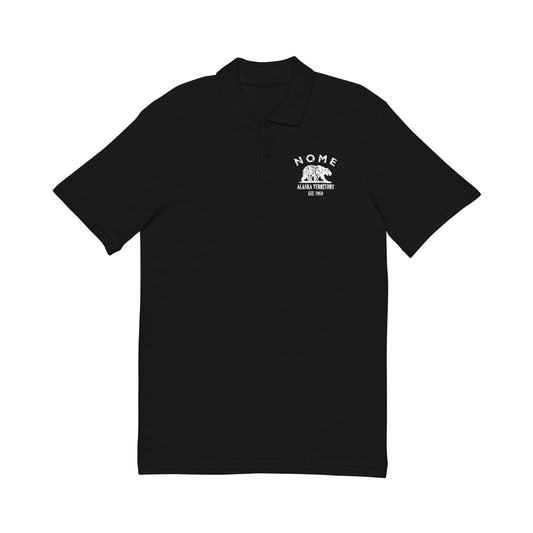
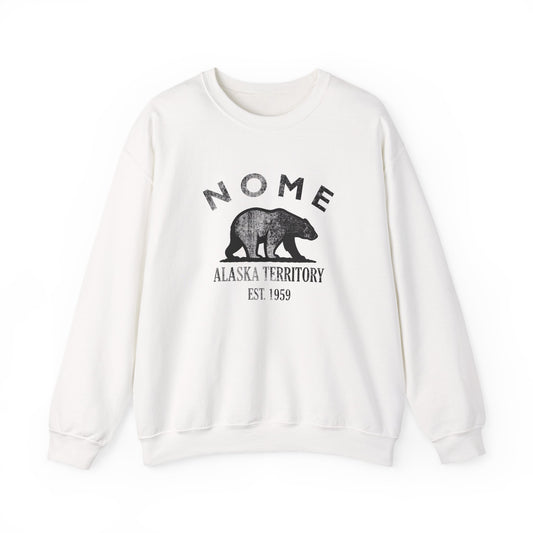
Nome Alaska Vintage Retro Unisex Heavy Cotton Hoodie - White Logo

Nome Alaska Vintage Retro Unisex Heavy Cotton Hoodie - White Logo

Regular price $56.00 USD
Regular price Sale price $56.00 USD
Sale
Free U.S. Shipping
Size
Color
Quantity


The Nome hoodie, for the town that is the finish line of the Iditarod. A medium-heavy cotton pullover with the Nome vintage retro logo across the chest in white, made to be worn from the first cold morning to the last.

If you are buying one Nome piece, this is the one that gets worn most: warm enough for the sideline, the dock and the drive home, and the hoodie that gets borrowed and never returned. It is the gift for the one who moved away from Nome, and the one that arrives in time for the holidays if you order now.

Unisex pullover hoodie made from a medium-heavy fleece for warmth and durability. Regular fit with a three-panel hood, ribbed cuffs and waistband, and double-needle stitching at key seams; tear-away label. Runs true to size for adults. Fabric is 80% combed ring-spun cotton / 20% polyester; heather colors may use cotton–poly blends.

The Three Lucky Swedes found gold at Anvil Creek on September 22, 1898, the beach itself turned out to be gold in 1899, and a tent city of ten thousand or more rose on the Bering Sea; Wyatt Earp ran the Dexter Saloon from 1899 to 1901 and the city incorporated in 1901. In the serum run of 1925 twenty mushers relayed diphtheria antitoxin 700 miles in 127 hours to save the town.

Every March since 1973 the Iditarod has ended under the Burled Arch on Front Street, and the 1901 St. Joseph’s Church survived the 1913 storm and the 1934 fire that took the rest of gold-rush Nome. Russia lies 161 miles across the Bering Strait. There is no place like Nome, and it is the mark on this piece.


QUICK FACTS — NOME AK HEAVY COTTON HOODIE

Town: Nome, Alaska

Founded: Gold strike 1898; incorporated 1901

Known for: Finish line of the Iditarod since 1973; the 1898 gold rush at Anvil Creek; the 1925 serum run; 161 miles from Russia

Art: Nome vintage retro logo, white (printed)

Blank: Unisex pullover hoodie, medium-heavy fleece, regular fit

Fabric: 80% combed ring-spun cotton / 20% polyester; heathers cotton–poly

Details: Three-panel hood, ribbed cuffs and waistband, tear-away label

Sizes: S, M, L, XL, 2XL

Made to order in the USA


Made to order and shipped free in the U.S. More Nome pieces, and the rest of Alaska, are one button away.


View full details

Wear Local. Feed Local. Stay Classic.

Product FAQs

How does your sizing work?

Every item is made to order, so please check the size chart on this page before you buy. Women's fitted tees run small; size up for a looser fit. Caps are one size with an adjustable strap.

How are items made and when will they arrive?

We make each item to order using premium blanks, embroidery and soft-hand prints. Production takes 2-5 business days (weekends and holidays excluded), then 4-10 days in transit via USPS, UPS or FedEx to U.S. addresses; most orders arrive within 6-15 business days. You'll get a tracking link the moment it ships. Any current shipping offer is shown in the bar at the top of every page and applies automatically at checkout, no code needed.

How do I send a gift?

Enter the recipient's address as the shipping address and your own as the billing address at checkout. Nothing ships with a price; the package includes a plain packing slip. Tracking goes to your email, not theirs. For birthdays and holidays, order two weeks ahead to be safe.

What's the return policy?

Made-to-order items can't be returned or exchanged for size or color, so please use the size chart and photos before ordering. If anything arrives defective, misprinted or damaged, send a photo and your order number within 30 days and we'll replace it or refund you.

How do I care for my item?

Apparel: wash cold, inside out, with like colors; no bleach; tumble dry low or hang dry. Embroidered pieces: iron inside out to protect the stitching. Caps: spot clean. Printed glasses and water bottles: hand wash only, no dishwasher, so the artwork lasts. Mugs and engraved glasses are dishwasher safe. Any item-specific care notes are in the description above.

Who makes this?

Merlin Classics is a small Connecticut brand making original retro designs for the towns people love. Every piece is printed, embroidered or engraved to order in the USA, and the business supports hunger relief in the communities our collections celebrate.

Front Street collected characters. Wyatt Earp — the Tombstone lawman — arrived in 1899 and ran the Dexter Saloon for two years as a businessman rather than a marshal; biographers estimate he left Nome with about $80,000, more than his lawman years ever paid him. The rush also drew a subtler kind of prospector: in 1900, political boss Alexander McKenzie and federal judge Arthur H. Noyes worked a scheme to seize the richest claims — including the Swedes’ — through the court itself, until a federal appeals panel shut it down and jailed McKenzie. Rex Beach turned the affair into his 1906 novel The Spoilers. Nome incorporated as a city on April 9, 1901; storms and fires — the worst in 1913 and 1934 — later took most of the original gold-rush buildings, though St. Joseph’s Church of 1901 still stands.

In January 1925, diphtheria broke out in Nome, and the nearest serum sat 674 miles away in Nenana. Twenty mushers and their dog teams ran it west in relay — 127 hours through interior cold that fell below minus forty. Leonhard Seppala and his lead dog Togo drove the longest and most dangerous leg, roughly 260 miles including a shortcut across the shifting sea ice of Norton Sound; Gunnar Kaasen and Balto brought the serum the final 55 miles into town through an eighty-mile-an-hour blizzard, arriving at 5:30 on the morning of February 2. The epidemic was stopped. The Great Race of Mercy made national heroes of the mushers and both dogs — and Alaskans will tell you Togo’s run was the harder one.

Why People Visit Nome Alaska

Nome combines gold-rush history, sled-dog tradition, Bering Strait geography, and open tundra in a way no other town can. Visitors come for race week in March, for the beach where the last great American gold rush ended, for muskox and wildflowers in the long summer light, for the aurora, and for the plain fact that the road runs out here. Remote, resilient, unforgettable.

Nome Alaska Merlin Classics retro vintage logo featuring the distressed bear motif and 1959 Alaska statehood year