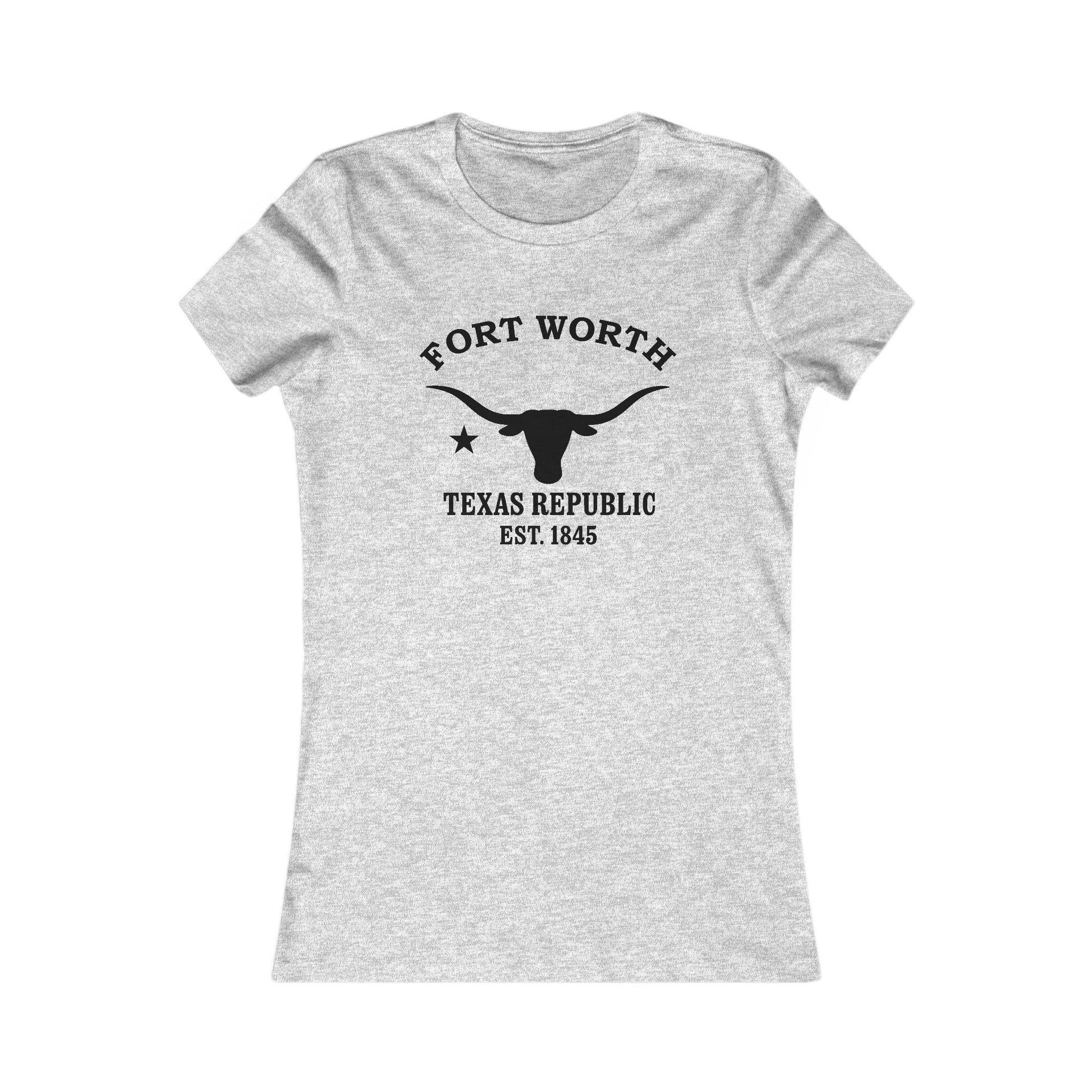
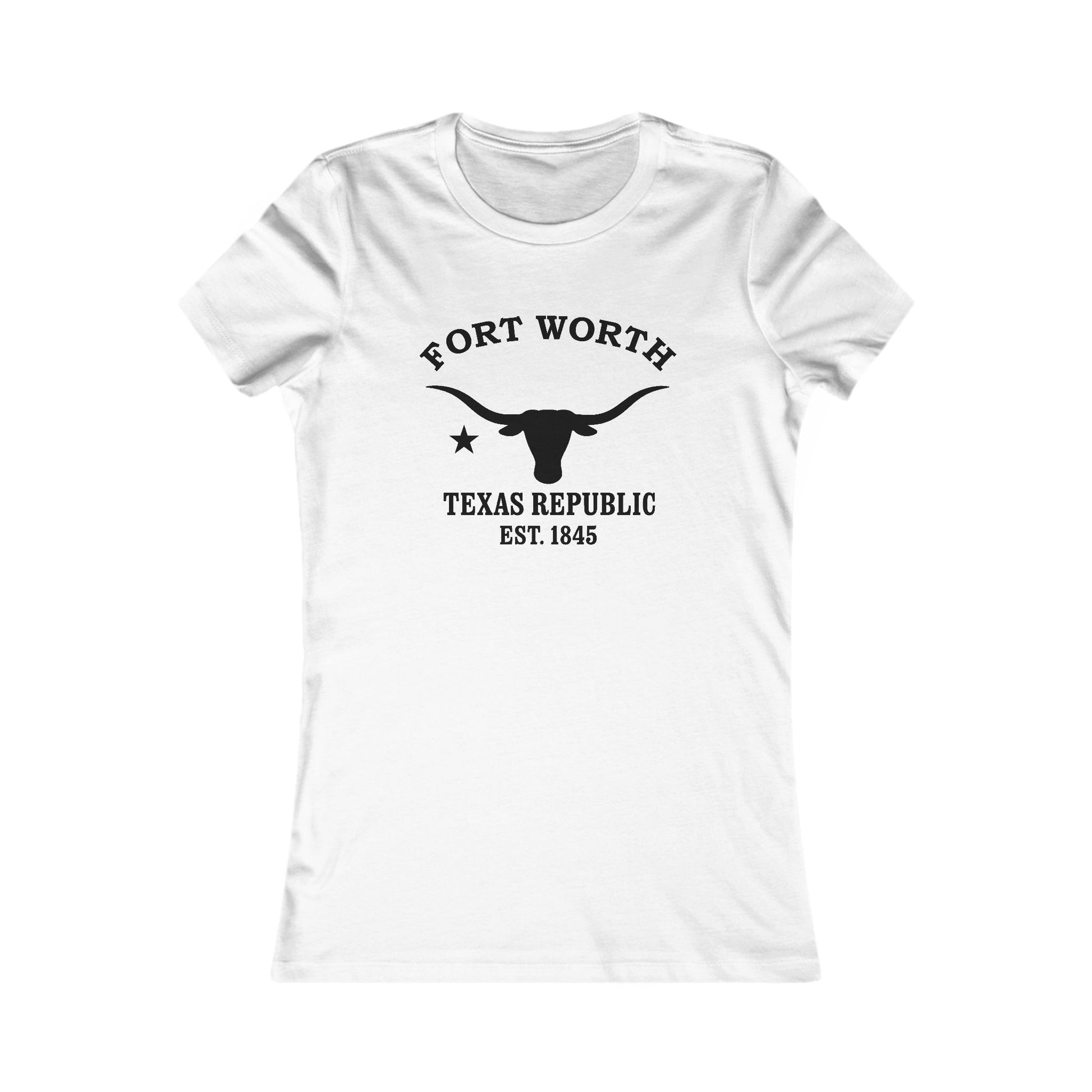
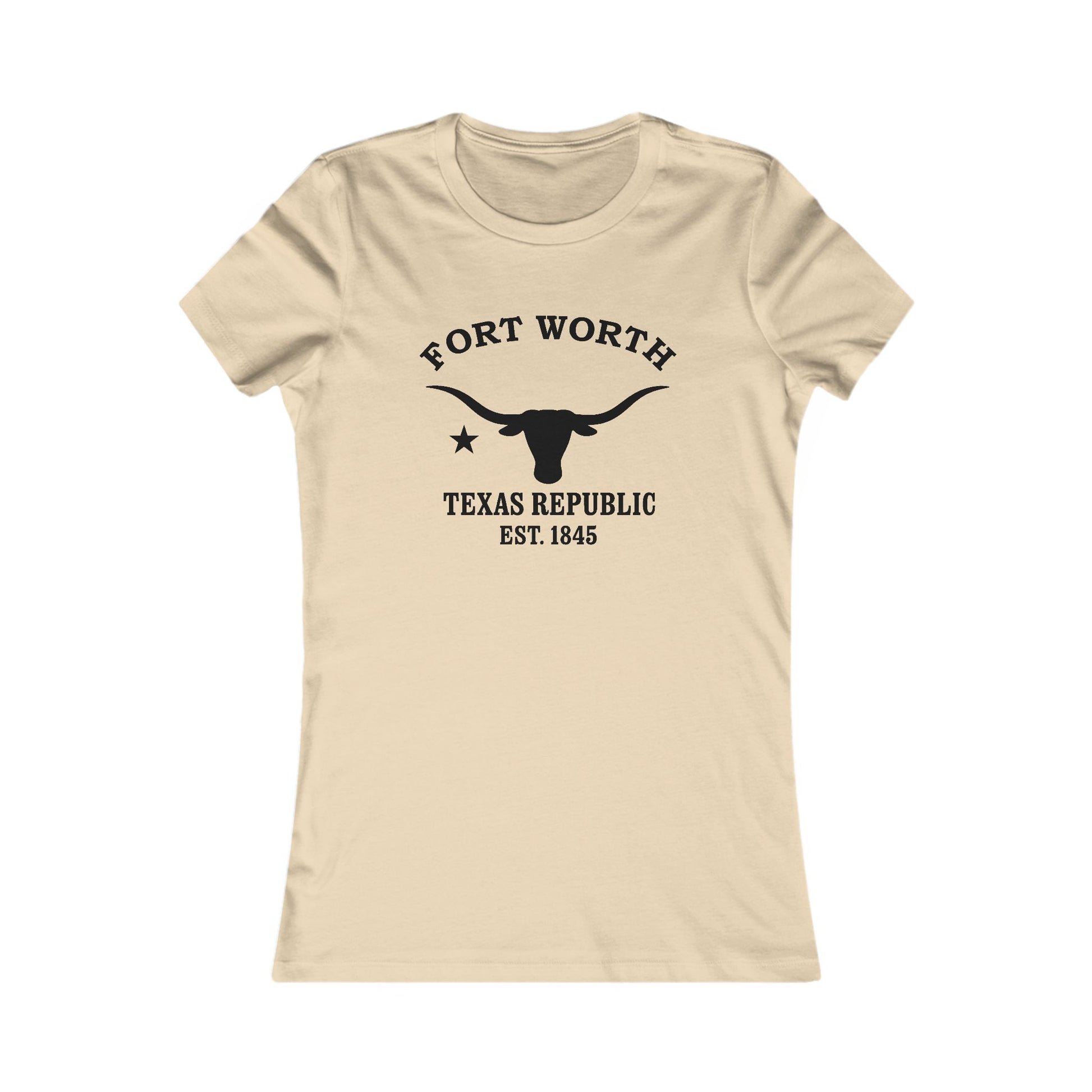
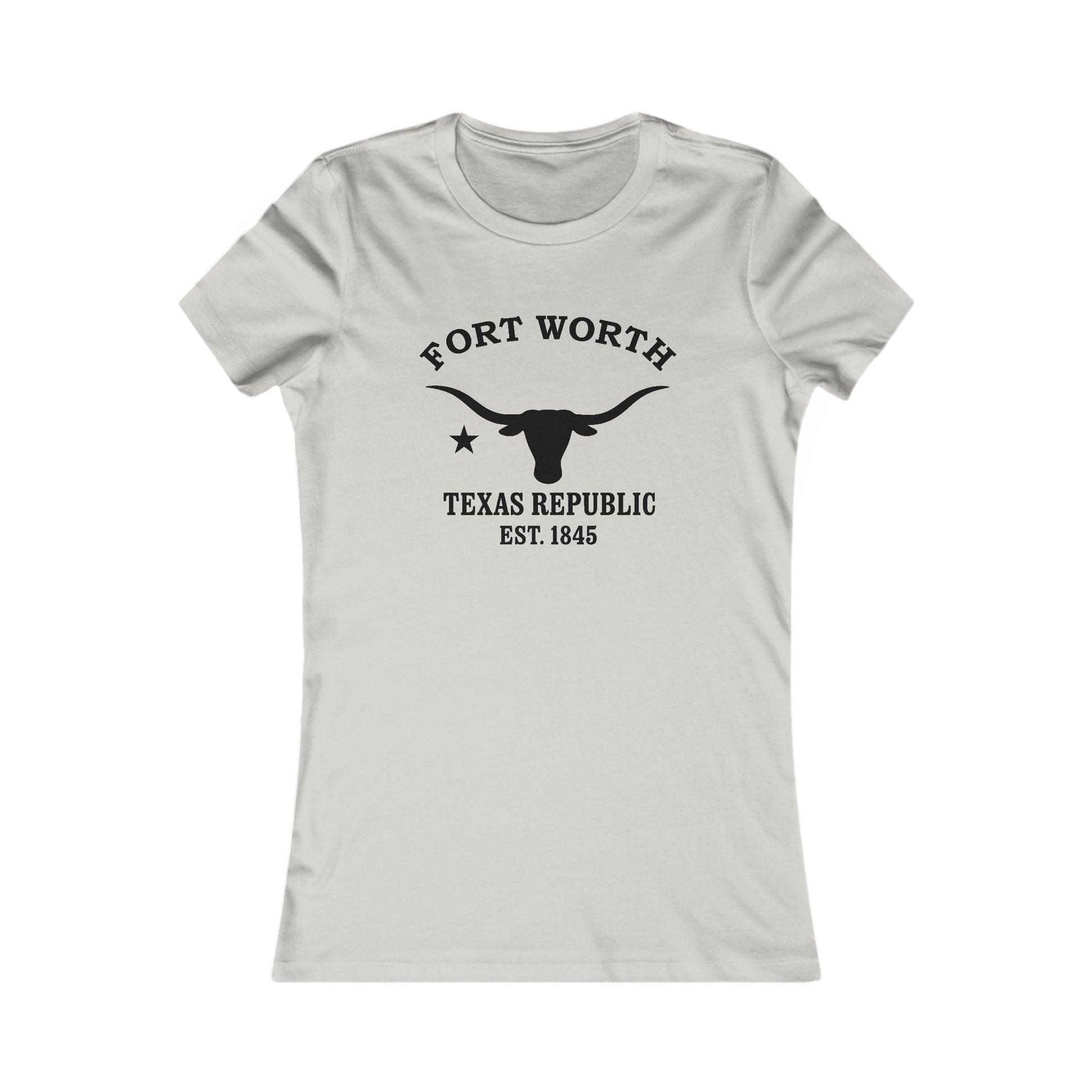
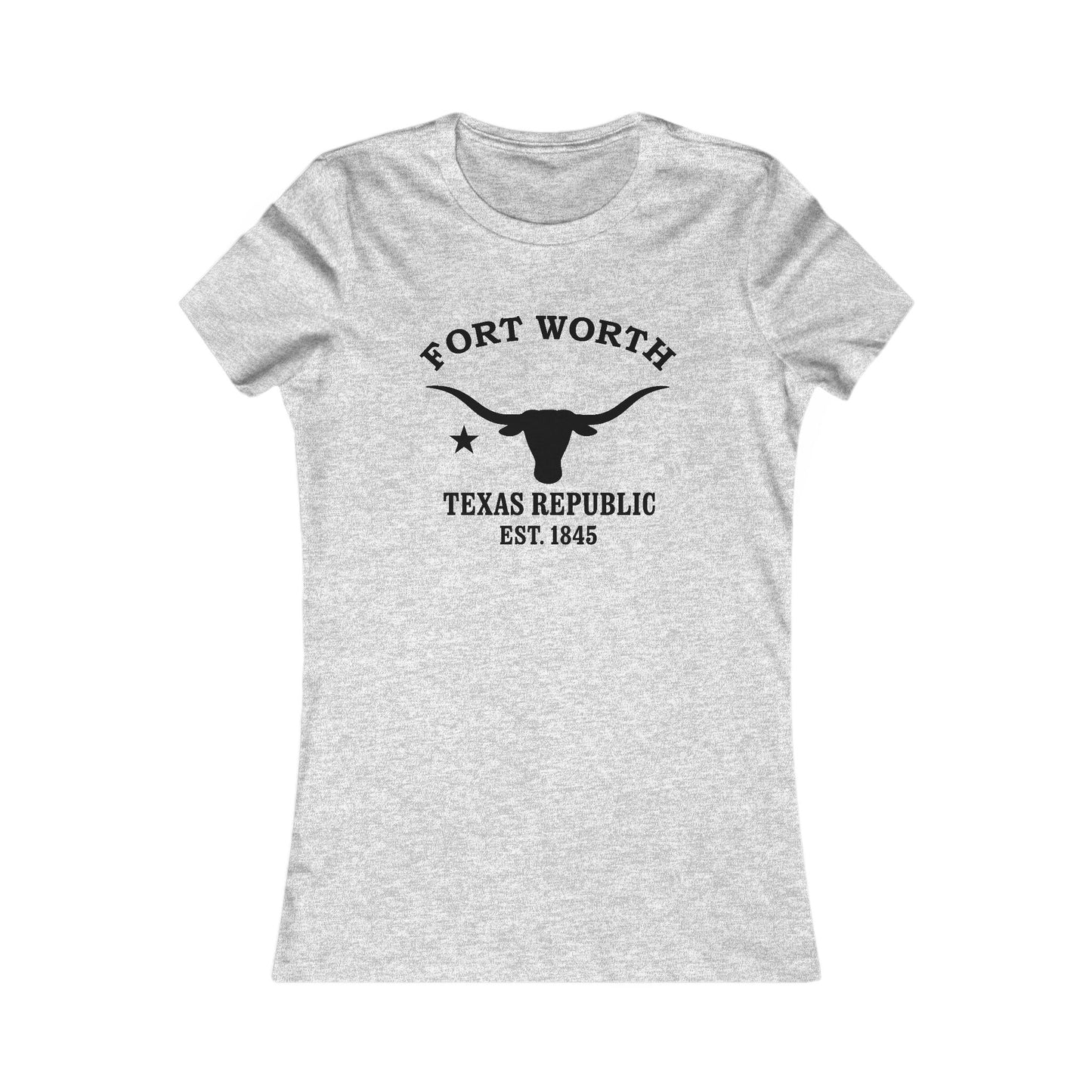
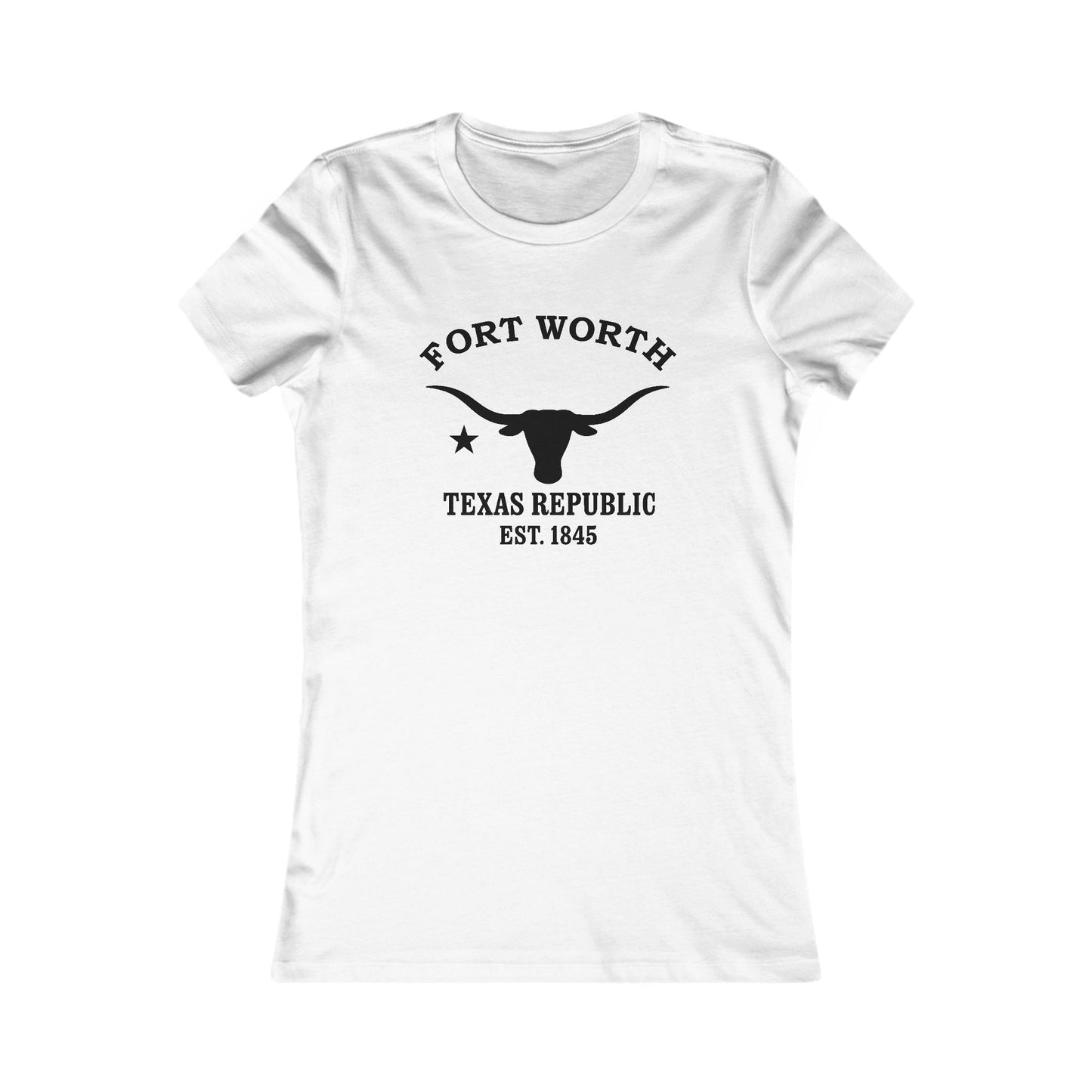
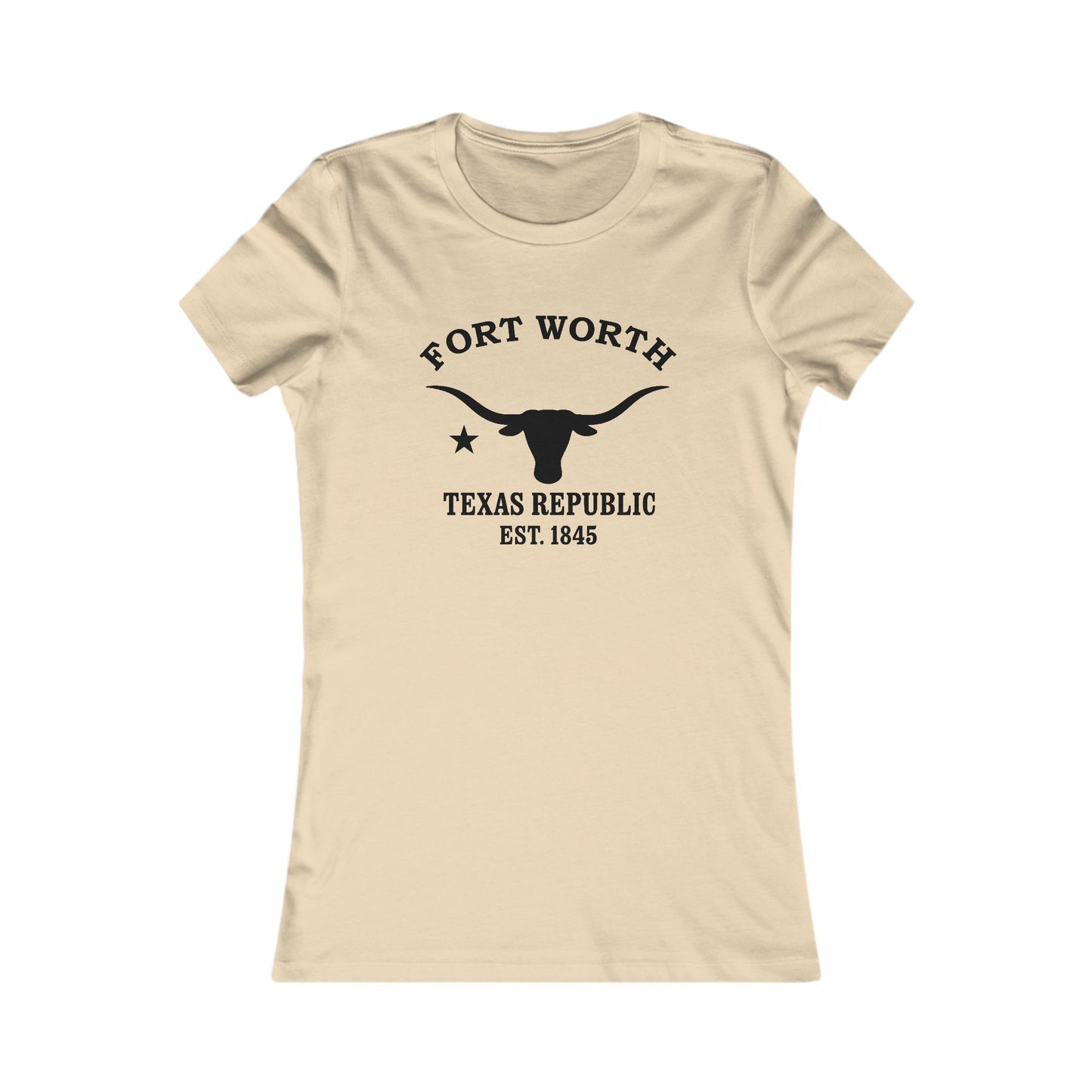
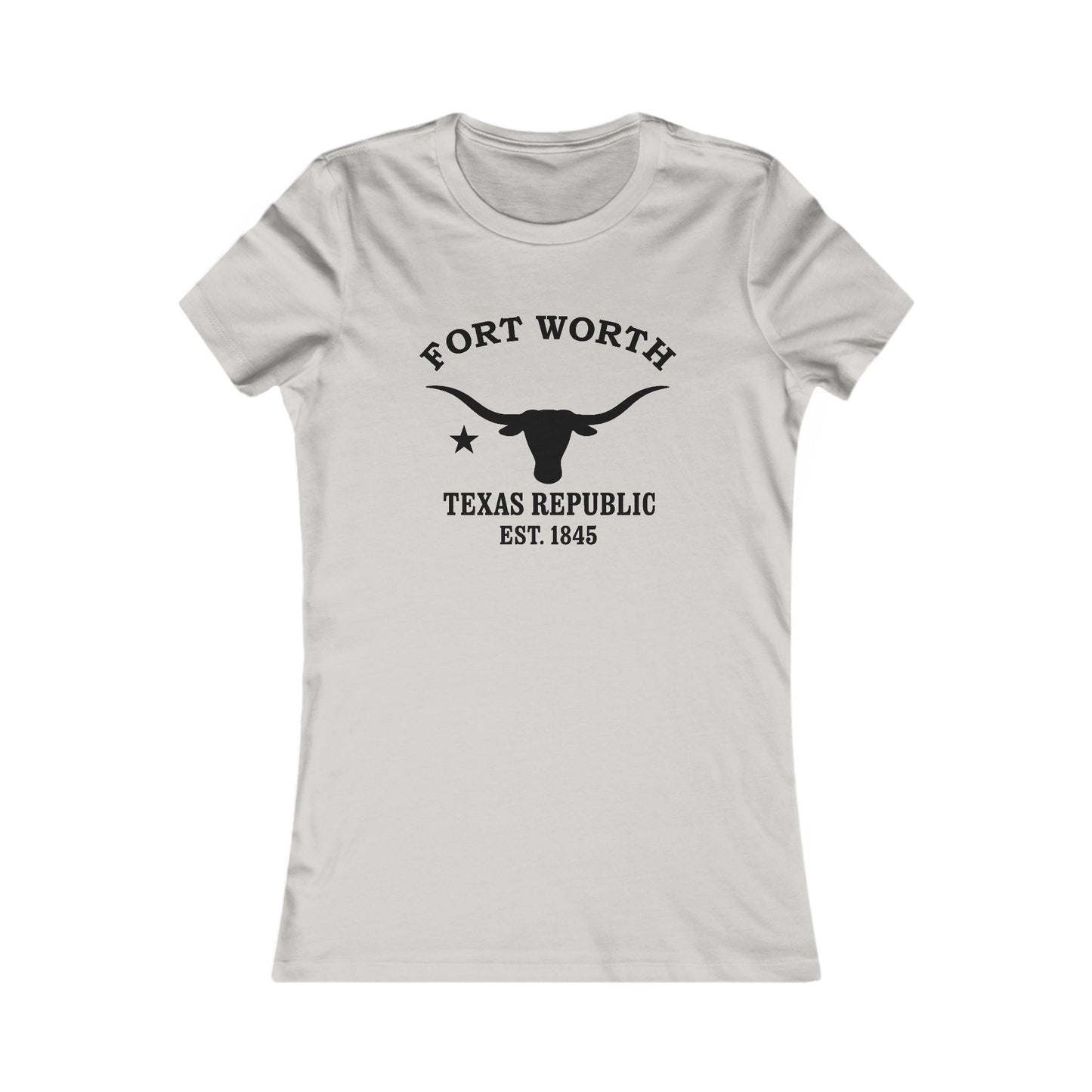
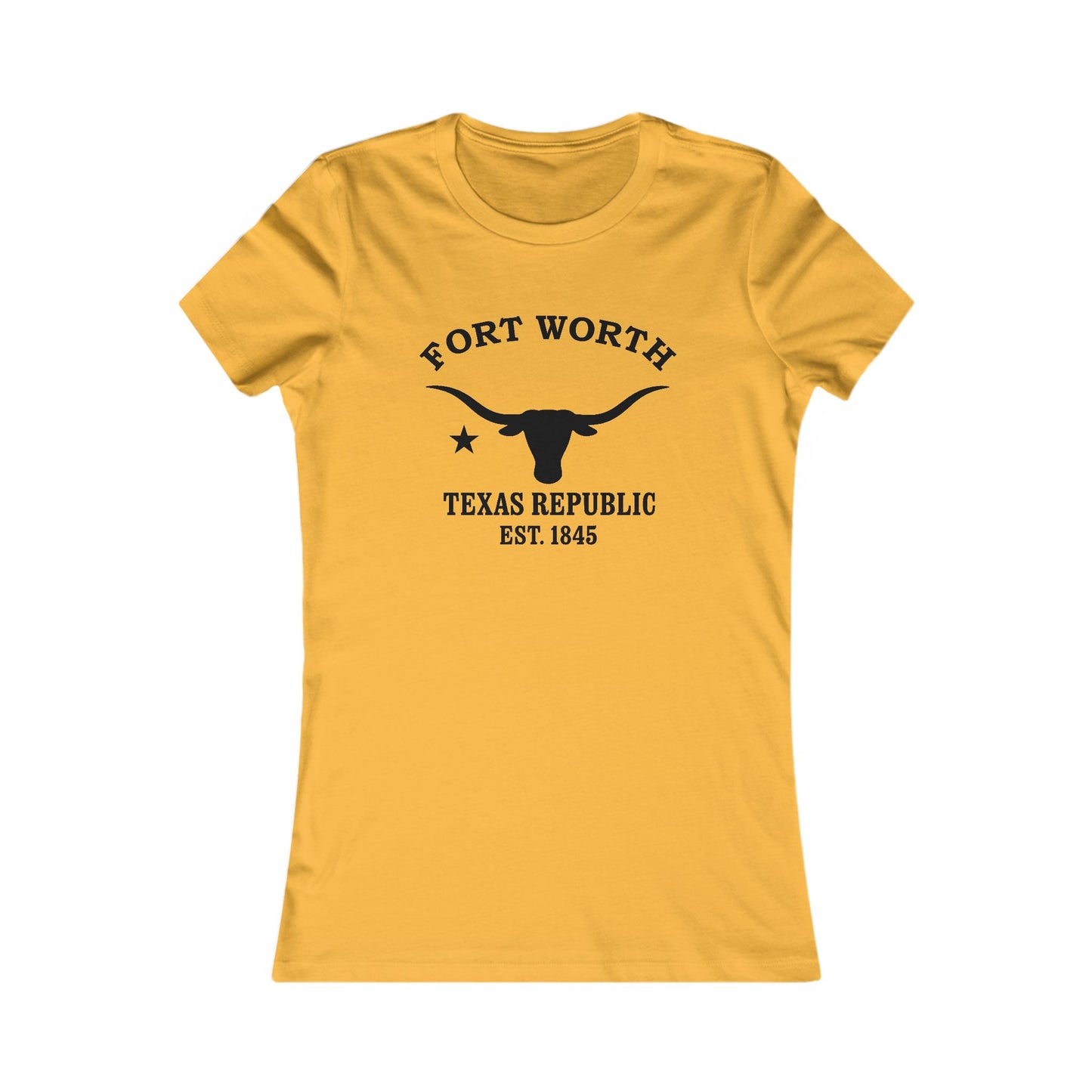
Today Fort Worth wears two hats at once. North of downtown, the Stockyards keep the cowboy past alive in brick and neon; west of it, the Cultural District holds some of the finest museums in America — Louis Kahn's Kimbell, Tadao Ando's Modern, and the Amon Carter — within walking distance of one another. Between them sit Sundance Square, the Fort Worth Water Gardens, and the Botanic Garden, the oldest in Texas. A fast-growing city of skyscrapers and aerospace plants, Fort Worth has held onto the thing that made it: the sense that you are standing exactly where the West begins.
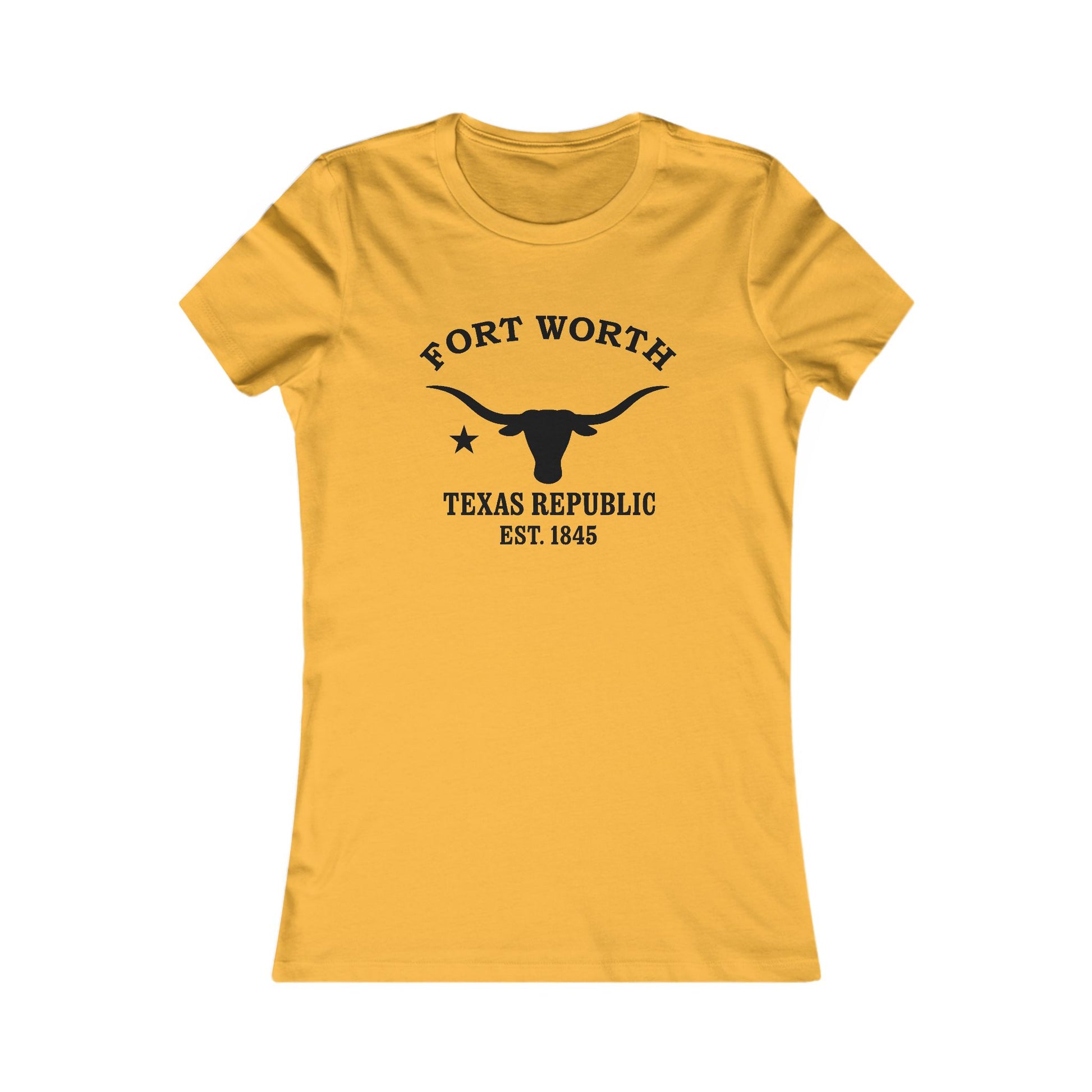
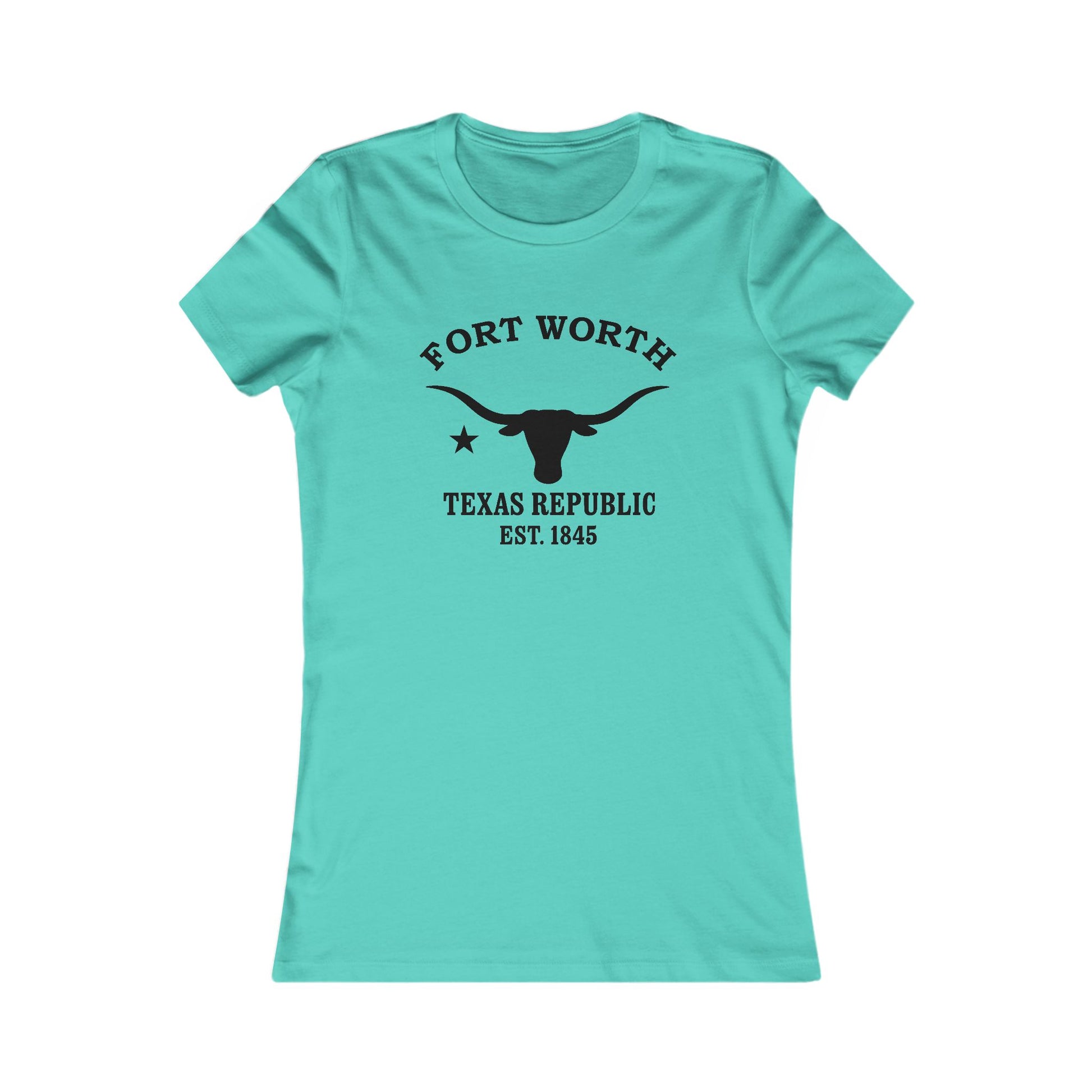
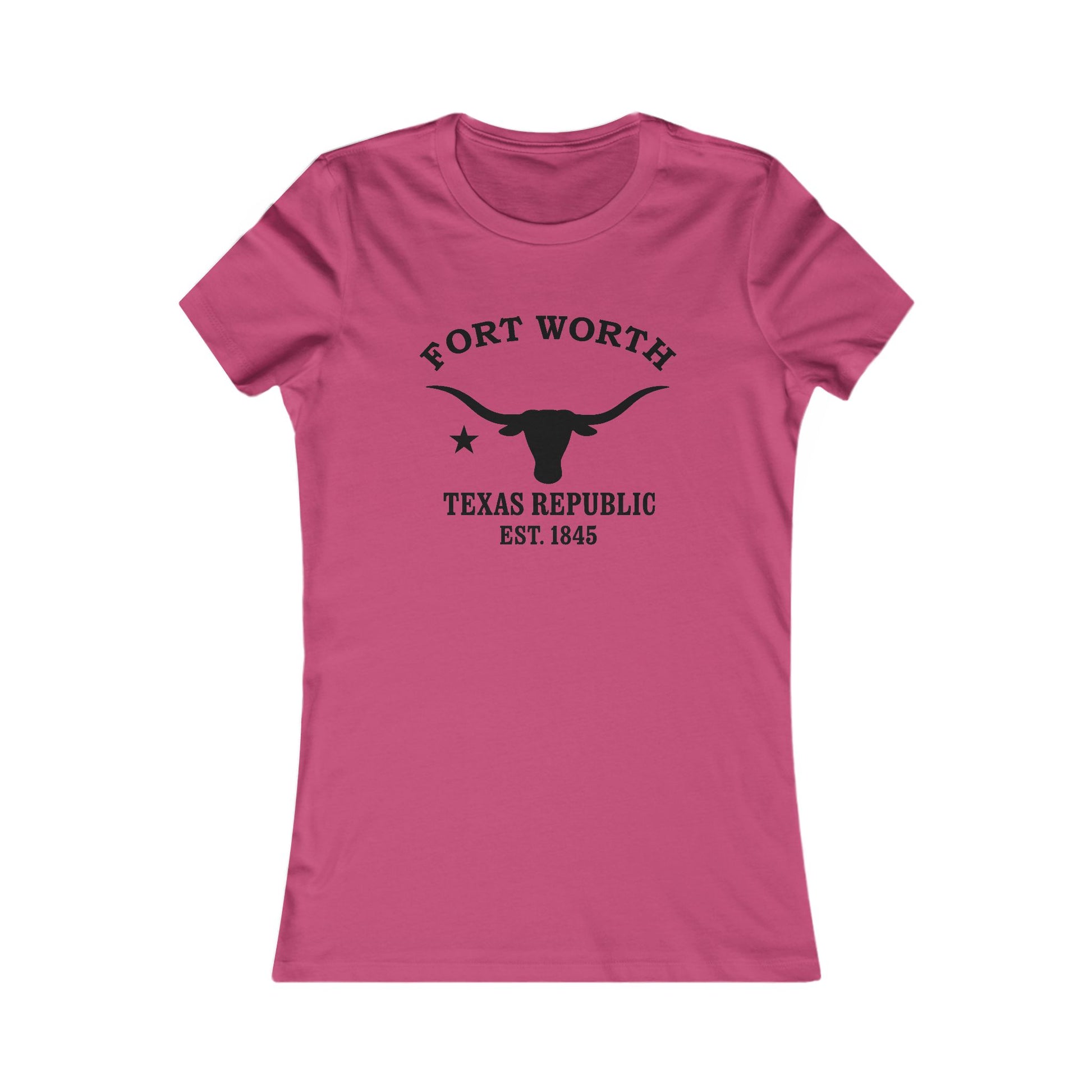
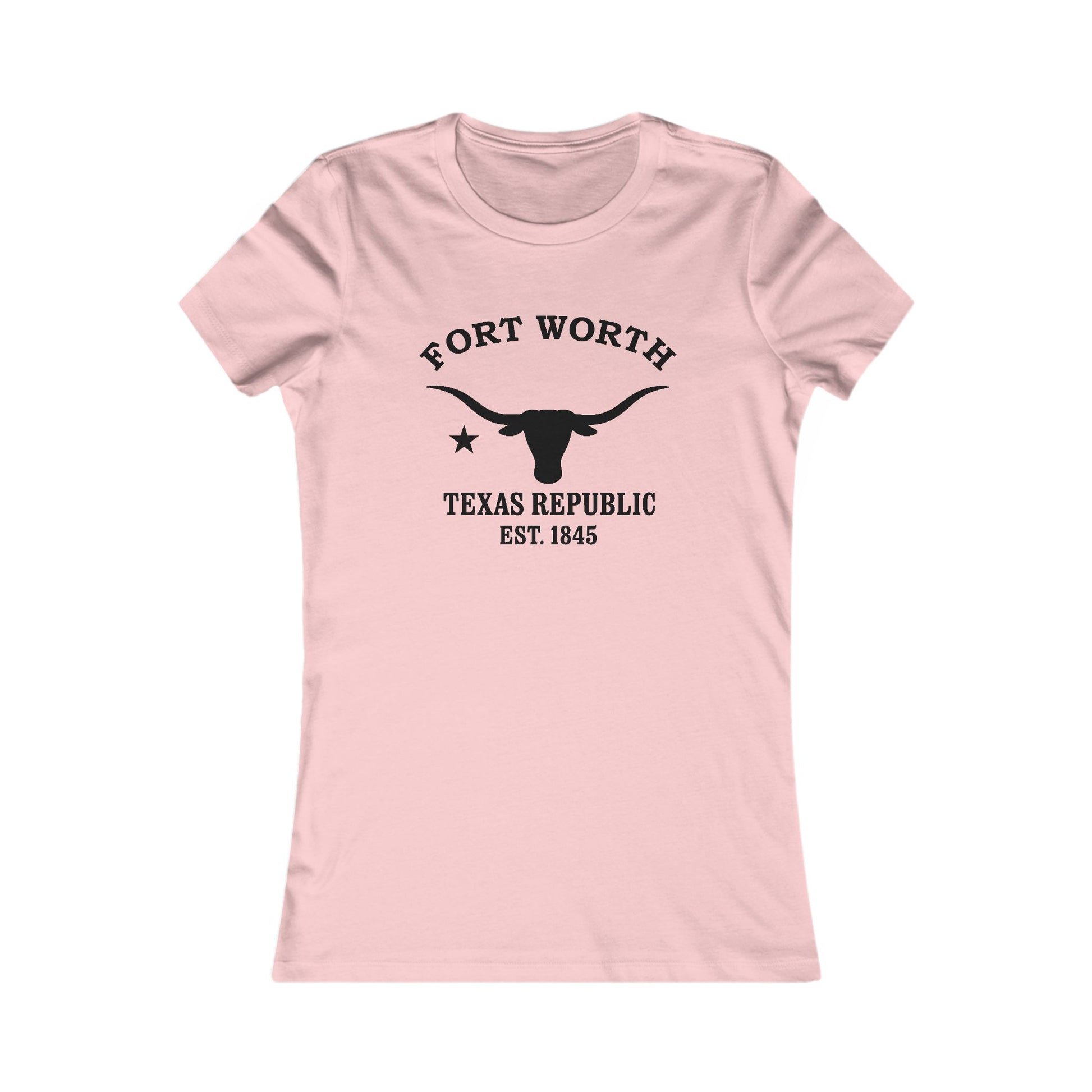
Our Fort Worth logo carries the Texas longhorn and the Lone Star above "Texas Republic — Est. 1845," the shared retro emblem of our Texas towns; the longhorn is pure Cowtown, and 1845 marks the year Texas joined the Union — the state's birthday, not the city's, which came four years later in 1849. Rendered in worn black-and-white, like an old rodeo poster, a cattle brand, or stockyard signage, it ties Fort Worth to every other Texas town we make. What makes this one Fort Worth is the story behind it — the fort, the Chisholm Trail, and the place where the West begins.
Why People Visit Fort Worth
Visitors come to Fort Worth for the rare combination it offers: a real working cowboy past in the Stockyards, where the longhorns still walk, and a world-class art scene minutes away in the Cultural District. Add Sundance Square, the Water Gardens, the Botanic Garden, and the winter rodeo, and a single day can hold cattle pens and fine paintings. Proud, friendly, and unmistakably Texan, Fort Worth rewards anyone who wants the West and the wider world in the same town.
