


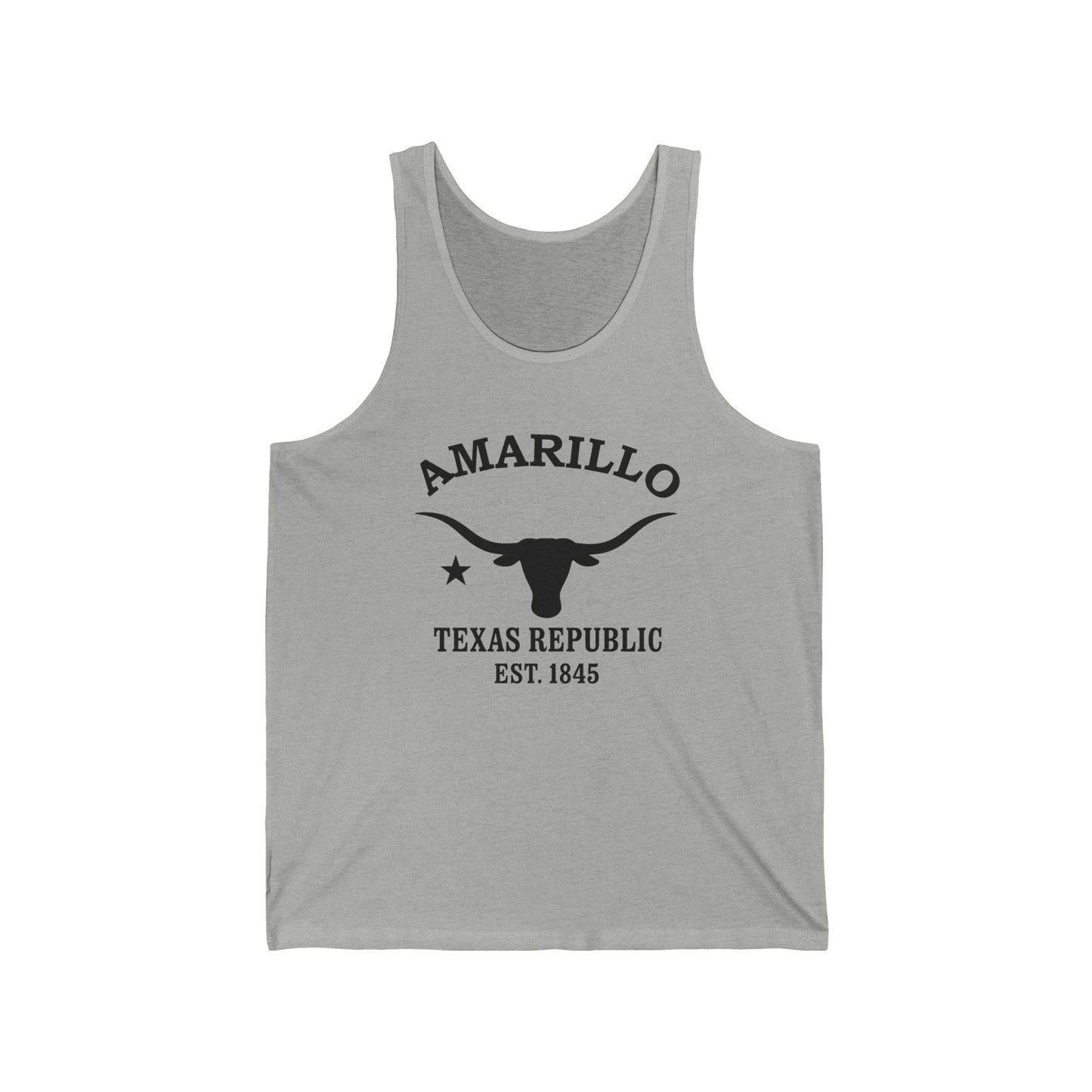
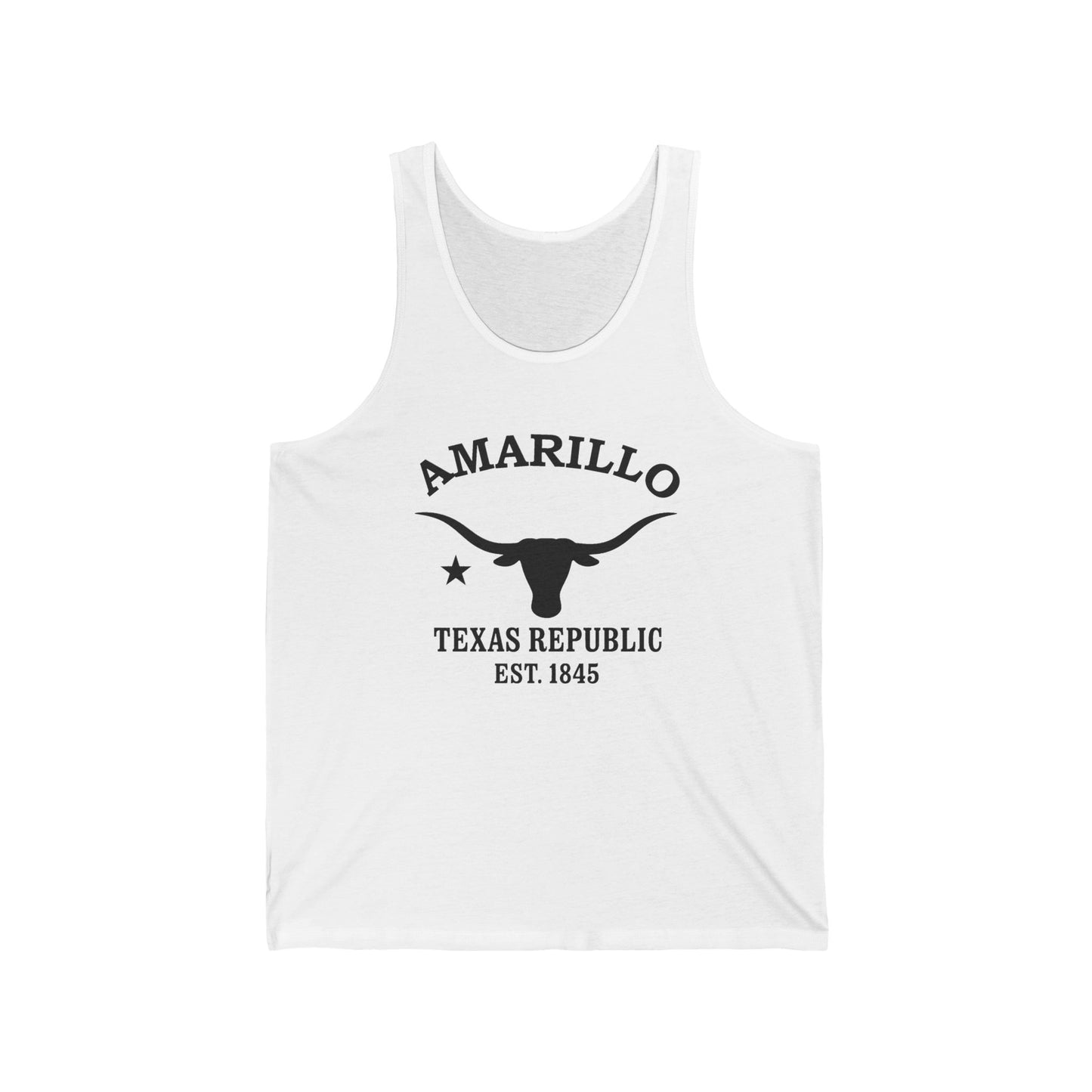
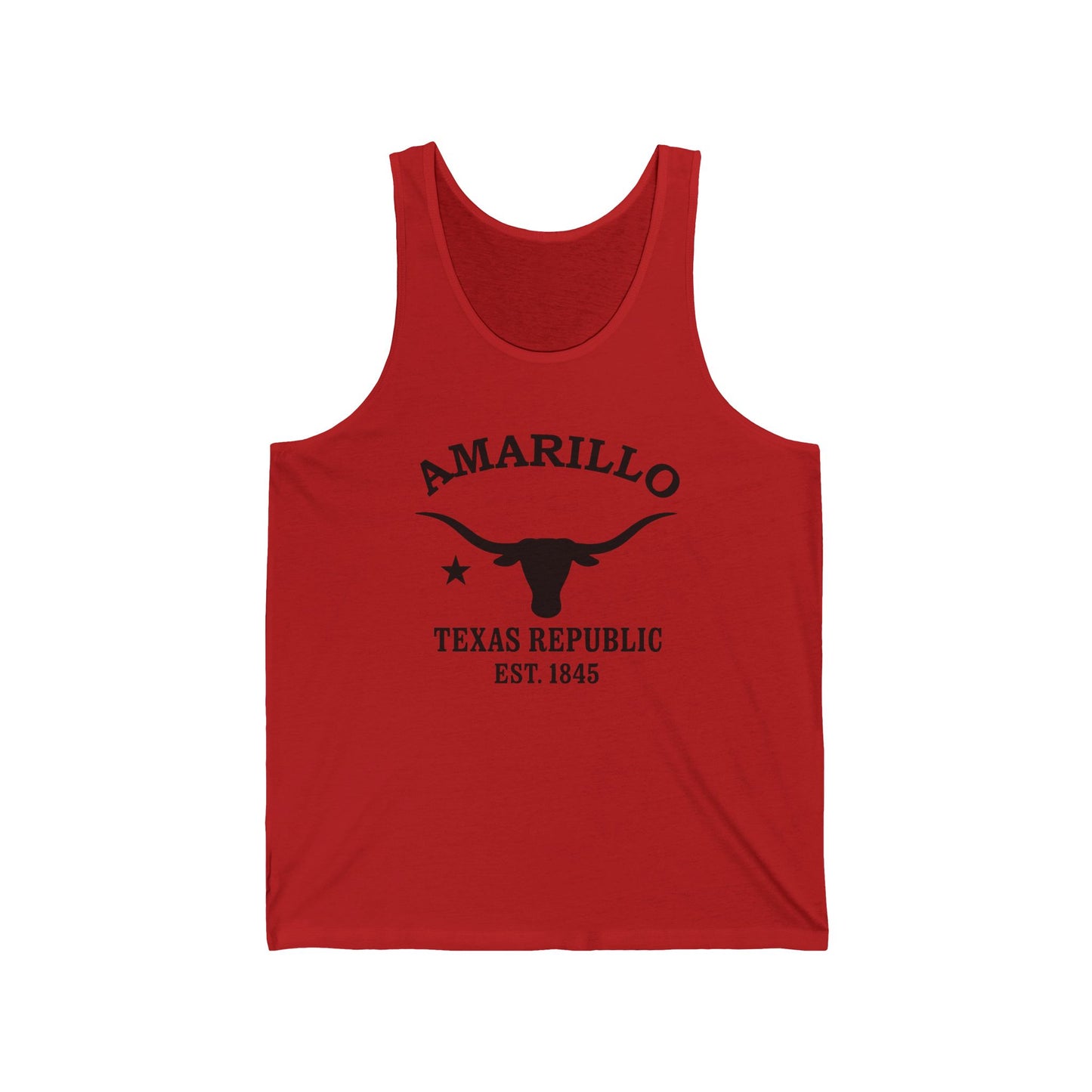
And then there is the land itself. Palo Duro Canyon — the second-largest canyon in the United States, carved by a fork of the Red River into 800-foot walls of layered red and gold — opens up about 25 miles southeast, with the Lighthouse Rock formation as its signature and rim-to-floor trails for hikers and campers. West of town on the old Route 66 alignment stands Cadillac Ranch, the 1974 installation by the art collective Ant Farm: ten Cadillacs buried nose-down in a wheat field, repainted daily by visitors, as pure a piece of American roadside art as exists anywhere.
A creek named yellow, a town painted to match, the busiest cattle pens on earth, and a highway that carried the whole country through town — Amarillo wears its story the way the Panhandle wears its sky: wide open. Amarillo, Texas — the Yellow City of the Panhandle, on Route 66 since 1926. Wear a little of it wherever the road takes you.
Why People Visit Amarillo Texas
- Drive a stretch of historic Route 66 through the Sixth Street Historic District, with vintage storefronts, antiques, and diners.
- Visit Palo Duro Canyon State Park, the "Grand Canyon of Texas" and the second-largest canyon in the country.
- Tour the American Quarter Horse Hall of Fame and Museum, honoring the West's working horse.
- See Cadillac Ranch, the famous row of nose-down Cadillacs along Interstate 40.
- Stop at the Big Texan Steak Ranch, a Route 66 icon of Panhandle cattle country.
