Cordova Alaska — Retro Vintage History
What’s with the Million Dollar Bridge? About fifty miles up the Copper River from Cordova, a steel railroad bridge stands between two glaciers — Childs on one bank, Miles on the other — both of them calving icebergs into the river as it works. Built in 1909–10 at a cost of $1.4 million, which gave it its name, the Miles Glacier Bridge carried copper trains across one of the most hostile spots in Alaska. Engineers were told it couldn’t be done; they raised four great Pennsylvania-truss spans across the gap anyway, racing a federal deadline through sub-zero winters. The Good Friday earthquake of 1964 knocked one span off its pier, where it hung at an angle for forty years before being repaired. It still stands — the iconic landmark of Cordova’s copper age.
Wear the HistoryThe bridge existed for one reason: copper. In the early 1900s some of the richest copper ore on earth was found in the mountains at Kennecott, and the Alaska Syndicate — J.P. Morgan and the Guggenheim family — set out to haul it to tidewater. They hired Michael Heney, the “Irish Prince” who had helped build the White Pass railroad, to run a line 196 miles down the Copper River to an ice-free port. Heney chose the spot, named it Cordova in 1906 after an old Spanish name for the harbor, and the town was founded in 1908 as the railroad’s ocean terminus. From 1911 to 1938, Kennecott copper rolled down the rails and onto ships bound south.
For a few decades Cordova was a copper town. Then, in 1938, the ore ran out, the mines closed, and the last train left. The railway was abandoned — its rails pulled up, its trestles left to the weather — and the Million Dollar Bridge carried its final load. A lesser town might have vanished with the copper. Cordova didn’t, because it had something the mountains could neither give nor take away: a river full of salmon.

Every spring the first wild salmon of the season come up the Copper River, and chefs from Seattle to New York wait for them. Copper River reds and kings are prized above almost any fish in America — rich, deep-colored, and fatty, because they fuel up for one of the longest, hardest river migrations anywhere, fighting glacial current for nearly three hundred miles to spawn. The first catch of the year is news; the first box flown south is a small celebration. When the copper mines closed, Cordova turned to the water, and the salmon fleet has been the heart of the town ever since.
Cordova sits at the end of the road — which is to say, off it entirely. No highway connects it to the rest of Alaska; you arrive by ferry across Prince William Sound or by floatplane, the way people always have. The town wraps around a small-boat harbor on Orca Inlet, under Eyak Mountain and beside Lake Eyak, in a temperate rainforest that takes on something like a hundred and sixty inches of rain a year. Beyond it spread the Copper River Delta — one of the great shorebird stopovers on the continent — and the glaciers, and the Sound.
People were here long before the copper. The Eyak made the Copper River Delta and this corner of Prince William Sound their home, fishing the same runs that feed the town today and trading along the coast between their Tlingit and Alutiiq neighbors. The first cannery opened on Orca Inlet in 1889 — before the railroad, before the town — proof that the fish came first and have stayed longest. Cordova’s deepest story is not copper but salmon, and the people who have always known it.
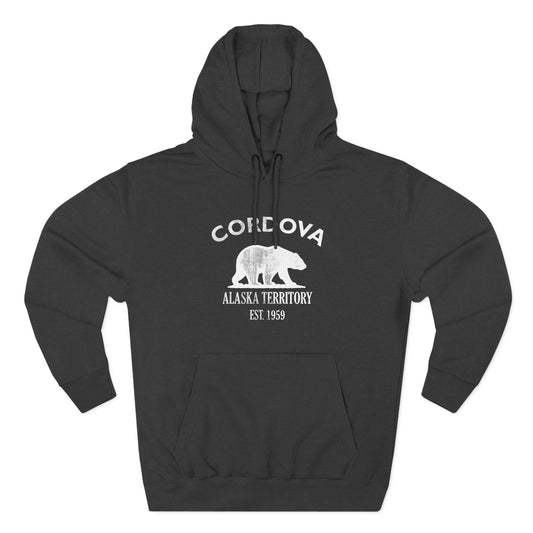
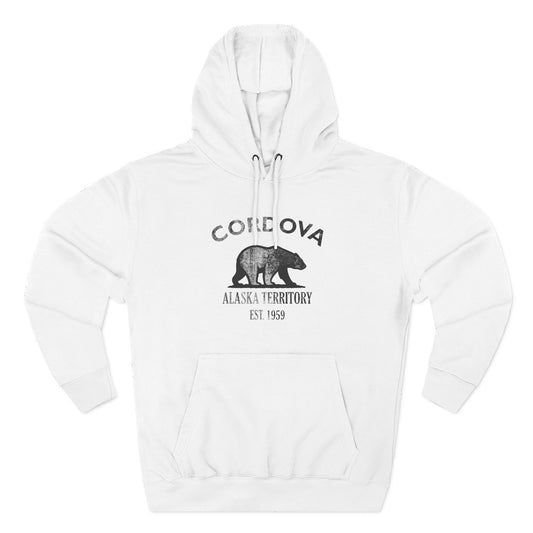
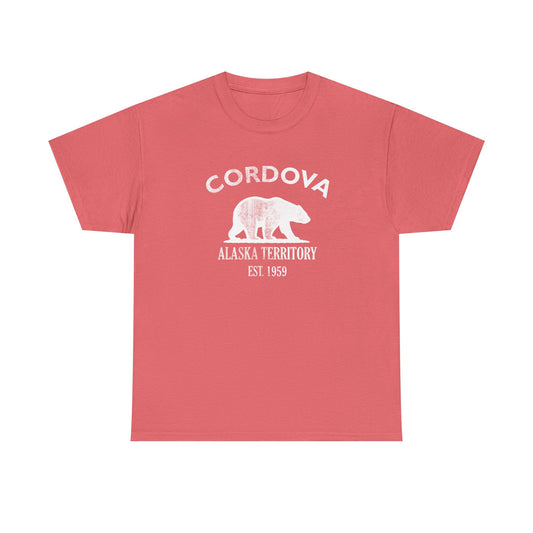
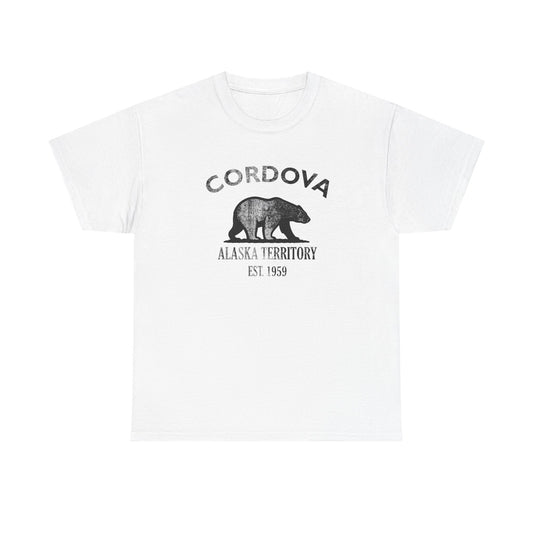
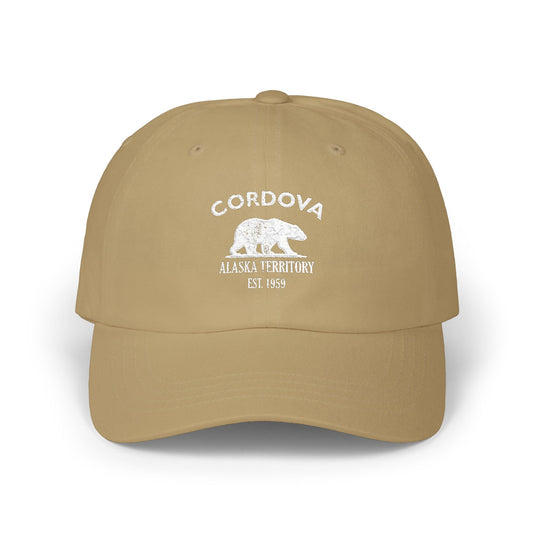
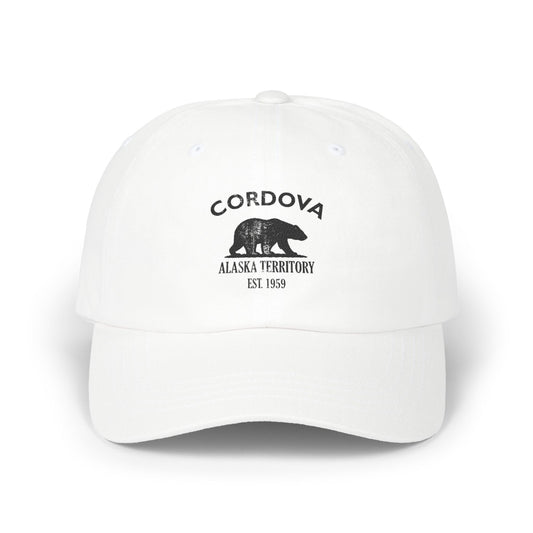
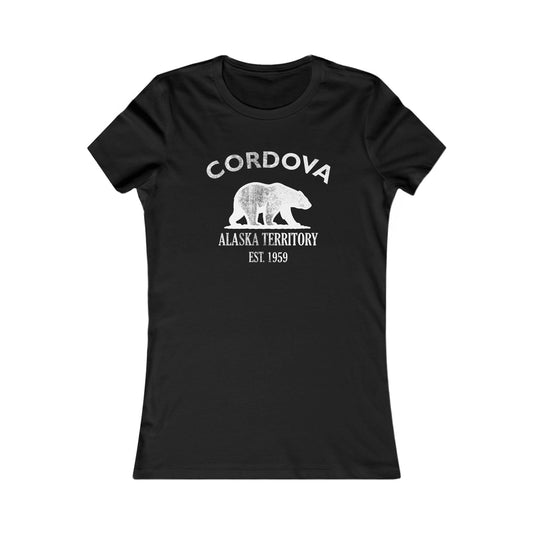
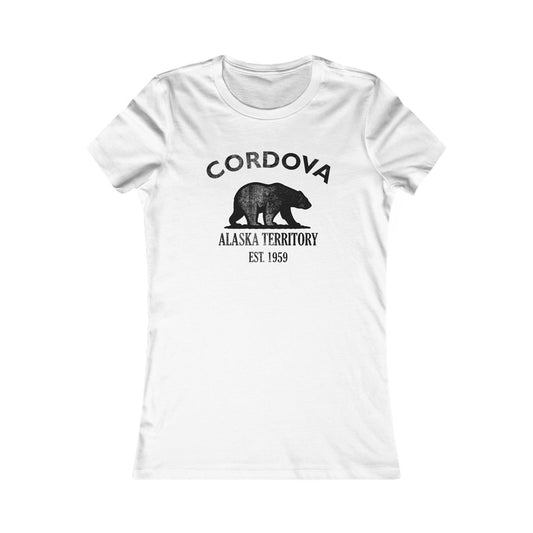
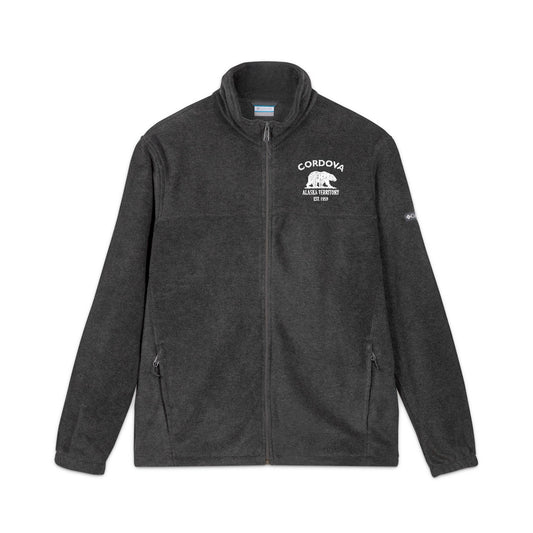
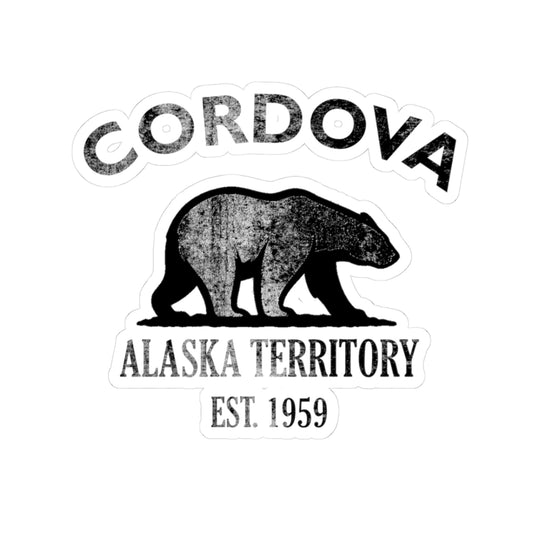
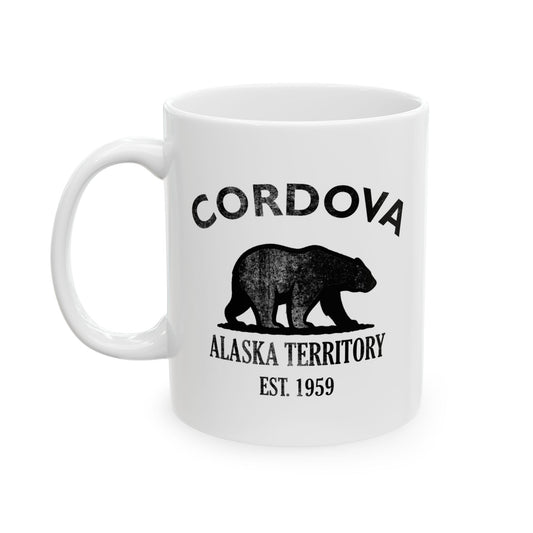
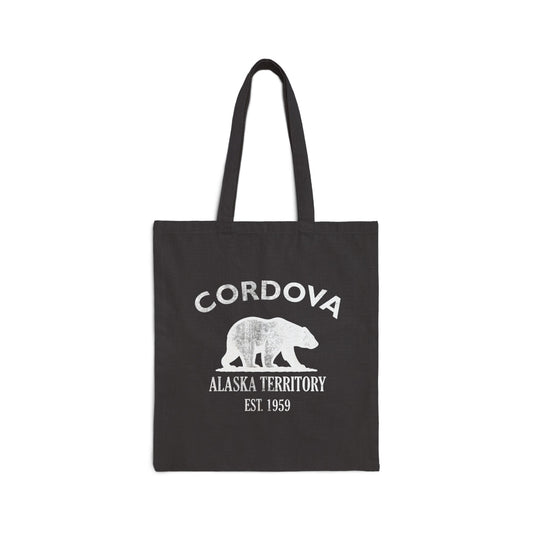
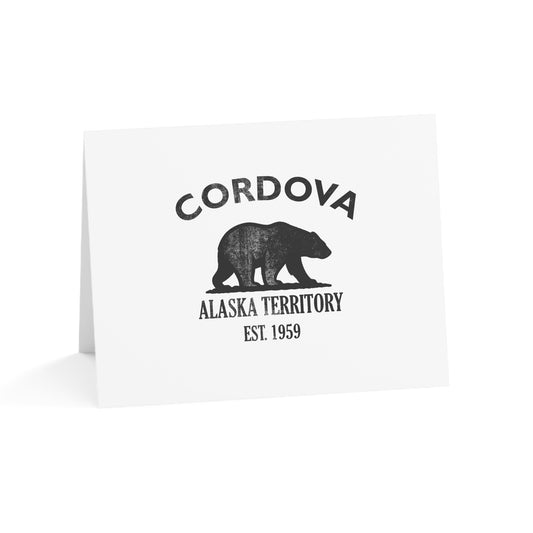
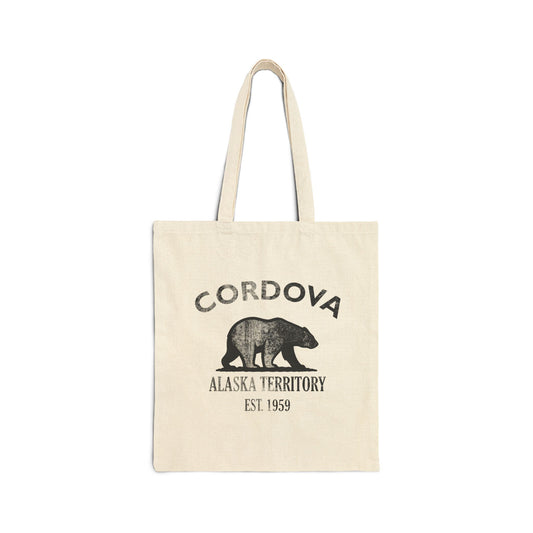
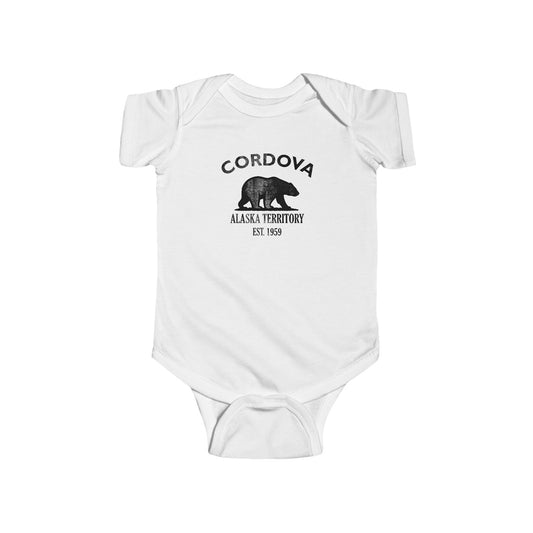
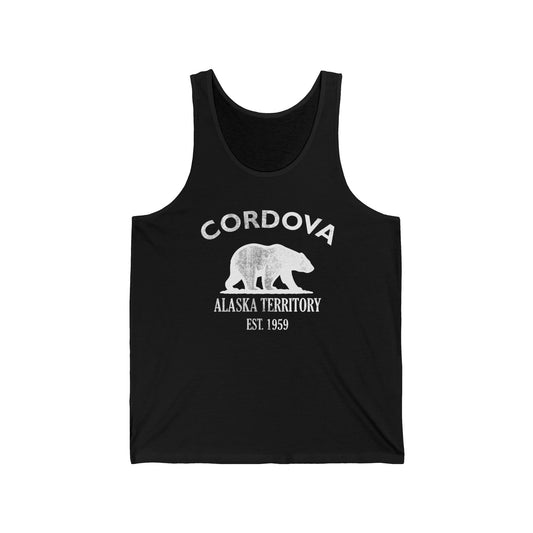
Our Cordova logo carries the Alaska bear over “Alaska Territory · Est. 1959,” the year Alaska became a state — the shared emblem of every Merlin Classics Alaska town. Printed in clean, distressed retro black-and-white that reads like an old cannery crate stamp or an outfitter’s brand, the bear stands for Alaska as a whole; what makes this one Cordova is everything behind it — the Million Dollar Bridge between its glaciers, the copper trains and the abandoned rails, the Copper River reds, and a fishing town you can only reach by boat or plane.
Today Cordova is a working fishing town at the edge of the wild — harbor and rainforest, glaciers and delta, and the best wild salmon on earth running past its door. Our Cordova designs gather that identity — the bear emblem, the Million Dollar Bridge, the Copper River reds — into wearable form. Cordova, Alaska — end of the road, home of the Copper River reds, where the rails once ran for copper and the salmon still run wild.
Wear the History
Cordova, Alaska — Travel Guide
Visiting Cordova Today
Cordova sits between steep, forested mountains and Prince William Sound, wrapped around a working small-boat harbor with the vast Copper River Delta at its doorstep. There is no road in — you come by ferry or floatplane — and that remoteness is the point: harbor life, rainforest, glaciers, and some of the best birding and fishing in Alaska.
The Harbor, the Delta & the Bridge
For visitors looking for things to do in Cordova, Alaska:
- Walk the small-boat harbor and the working waterfront on Orca Inlet.
- Drive the Copper River Highway across the delta toward the Million Dollar Bridge and its glaciers (as far as road conditions allow).
- Watch shorebirds on the Copper River Delta — one of the continent’s great migrations, celebrated each May.
- Visit the Cordova Museum for rail, cannery, and Eyak history, and the Ilanka Cultural Center.
- Stop at the Prince William Sound Science Center for marine exhibits.
- Relax by Lake Eyak, or ski Mt. Eyak above town in winter.
- Time a winter trip for the Iceworm Festival in February, when a giant “iceworm” parades through town.
- Arrive by Alaska Marine Highway ferry or by floatplane — there is no road in.
Why People Visit Cordova
Cordova rewards travelers who want the real, working edge of Alaska: a fishing fleet at the dock, glaciers and a great river delta within reach, world-class birding and salmon, and a town you have to make an effort to reach. Bring rain gear and time.
Wear the History
Kindred Cities
A warm welcome to friends from Bergen, Norway (velkommen) and Prince Rupert, Canada — like-minded fishing ports of the rainy northern coast.
Wedged between cold water and steep mountains, Cordova is the kind of town Bergen and Prince Rupert would know on sight — fishing towns where the rain is near-constant, the boats are everything, and the salmon run defines the year. Cordova lives by the Copper River; the others by their own fjords and inlets. Same weather, same nets, same patience.
Cordova suits anyone at home in a harbour under the clouds: a fleet at the dock, glaciers and the Sound at the edge of town, and Copper River salmon worth crossing an ocean for. Bring rain gear and no hurry. Come and visit us soon.
Getting here takes a boat or a plane — start with the Cordova Chamber of Commerce and the Travel Alaska visitor service.
Wear the History

For deeper reading on the Cordova history described here — the Eyak homeland of the Copper River Delta and the 1889 first cannery, Michael Heney’s naming of the town (1906) and the 1908 founding, the Copper River & Northwestern Railway and the Kennecott copper boom, the 1910 Million Dollar (Miles Glacier) Bridge, and the 1938 turn from copper to the salmon fleet — it may be useful to consult (1) the Cordova Historical Society and the Cordova Museum, (2) the Ilanka Cultural Center for Eyak and regional Native heritage, (3) the Alaska State Library Historical Collections and the Alaska State Archives in Juneau, (4) the Prince William Sound Science Center, and (5) the City of Cordova clerk and records office. For travel and visitor information, it may be useful to contact (1) the Cordova Chamber of Commerce, (2) Travel Alaska, (3) the Cordova parks and recreation department, (4) the Chugach National Forest and Alaska state-parks offices, and (5) the Alaska Marine Highway ferry and Merle K. “Mudhole” Smith Airport information desks.
Shop the Cordova Alaska collection
View full collection-
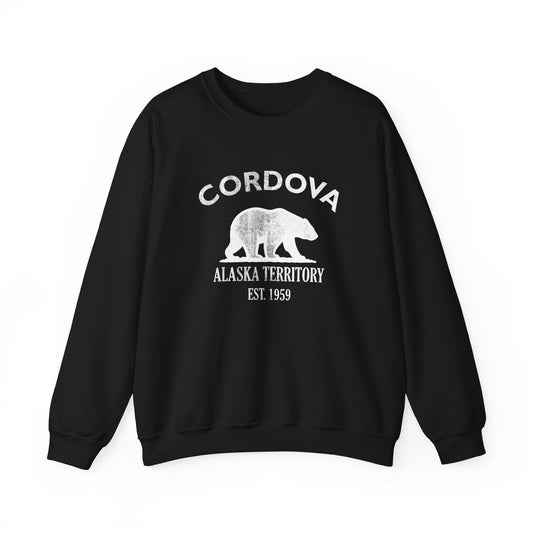
Cordova Alaska Vintage Retro Premium Crewneck Sweatshirt - Black Logo
Regular price $48.00 USDRegular price -
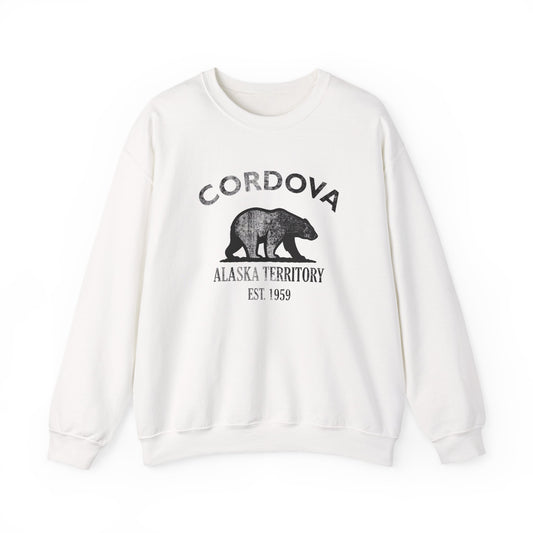
Cordova Alaska Vintage Retro Premium Crewneck Sweatshirt - White Logo
Regular price $48.00 USDRegular price -
Cordova Alaska Vintage Retro Unisex Heavy Cotton Hoodie - White Logo
Regular price $56.00 USDRegular price -
Cordova Alaska Vintage Retro Unisex Heavy Cotton Hoodie - Black Logo
Regular price $56.00 USDRegular price -
Cordova Alaska Vintage Retro Unisex Heavy Cotton Tee - White Logo
Regular price $22.00 USDRegular price -
Cordova Alaska Vintage Retro Unisex Heavy Cotton Tee - Black Logo
Regular price $22.00 USDRegular price -
Cordova Alaska Vintage Retro Embroidered Cotton Cap - White Logo
Regular price $32.00 USDRegular price -
Cordova Alaska Vintage Retro Embroidered Cotton Cap - Black Logo
Regular price $32.00 USDRegular price -
-
Cordova Alaska Vintage Retro Womens Fitted Ringspun Cotton Tee - Black Logo
Regular price $28.00 USDRegular price -
Cordova Alaska Vintage Retro Unisex Embroidered Fleece Jacket - White Logo
Regular price $98.00 USDRegular price -
Cordova Alaska Vintage Retro Giclée Print Art Series Poster
Regular price From $38.00 USDRegular price -
Cordova Alaska Vintage Retro Back Printed Art Series Cotton Tee - Black Logo
Regular price $32.00 USDRegular price -
Cordova Alaska Vintage Retro Vinyl Sticker - Black Logo
Regular price From $6.00 USDRegular price -
Cordova Alaska Vintage Retro Ceramic Mug - Black Logo
Regular price From $16.00 USDRegular price -
Cordova Alaska Vintage Retro Cotton Canvas Tote Bag - White Logo
Regular price $25.00 USDRegular price -
Cordova Alaska Vintage Retro Thank You Card Set - Black Logo
Regular price From $25.00 USDRegular price -
Cordova Alaska Vintage Retro Cotton Canvas Tote Bag - Black Logo
Regular price $25.00 USDRegular price -
Cordova Alaska Vintage Retro Cotton Jersey Baby Bodysuit - Black Logo
Regular price $26.00 USDRegular price -
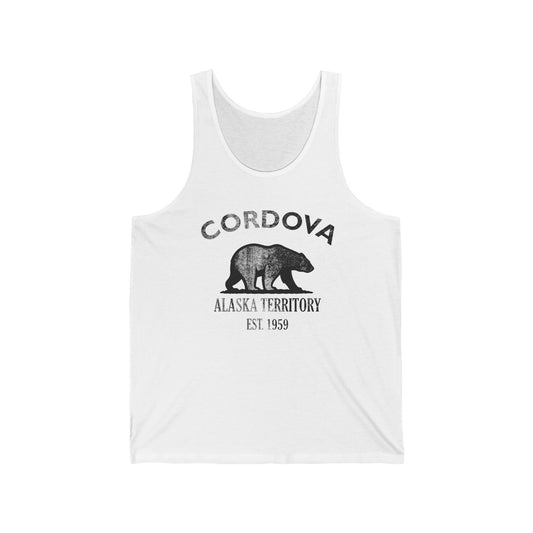
Cordova Alaska Vintage Retro Unisex Cotton Jersey Tank Top - White Logo
Regular price $28.00 USDRegular price -
Cordova Alaska Vintage Retro Unisex Cotton Jersey Tank Top - Black Logo
Regular price $28.00 USDRegular price -
Cordova Alaska Vintage Retro Unisex Heavy Crewneck Sweatshirt - Black Logo
Regular price $44.00 USDRegular price -
Cordova Alaska Vintage Retro Unisex Heavy Crewneck Sweatshirt - White Logo
Regular price $44.00 USDRegular price -
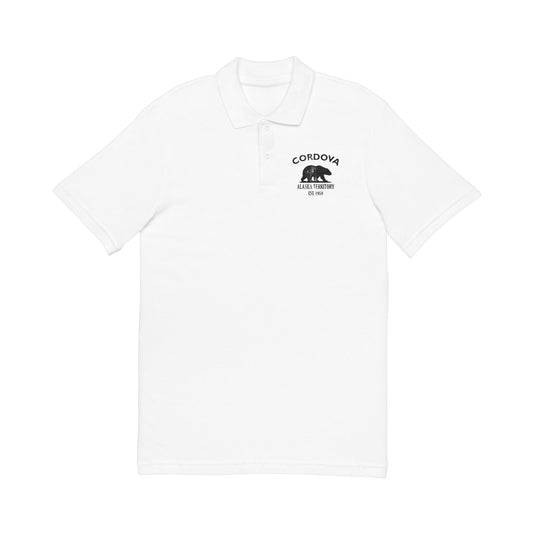
Cordova Alaska Vintage Retro Unisex Embroidered Cotton Polo - Black Logo
Regular price $48.00 USDRegular price