


What’s with the Million Dollar Bridge? About fifty miles up the Copper River from Cordova, a steel railroad bridge stands between two glaciers — Childs on one bank, Miles on the other — both of them calving icebergs into the river as it works. Built in 1909–10 at a cost of $1.4 million, which gave it its name, the Miles Glacier Bridge carried copper trains across one of the most hostile spots in Alaska. Engineers were told it couldn’t be done; they raised four great Pennsylvania-truss spans across the gap anyway, racing a federal deadline through sub-zero winters. The Good Friday earthquake of 1964 knocked one span off its pier, where it hung at an angle for forty years before being repaired. It still stands — the iconic landmark of Cordova’s copper age.
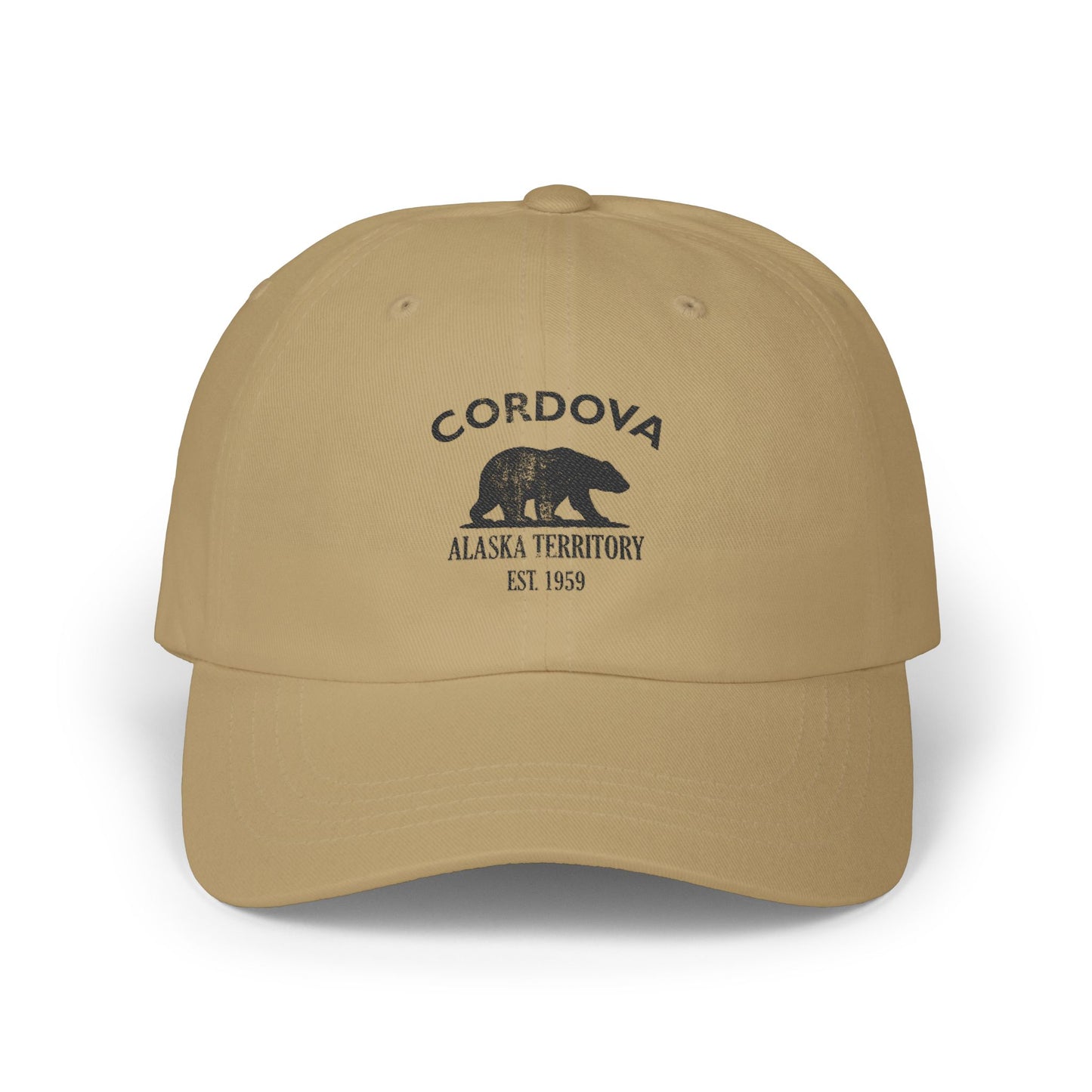
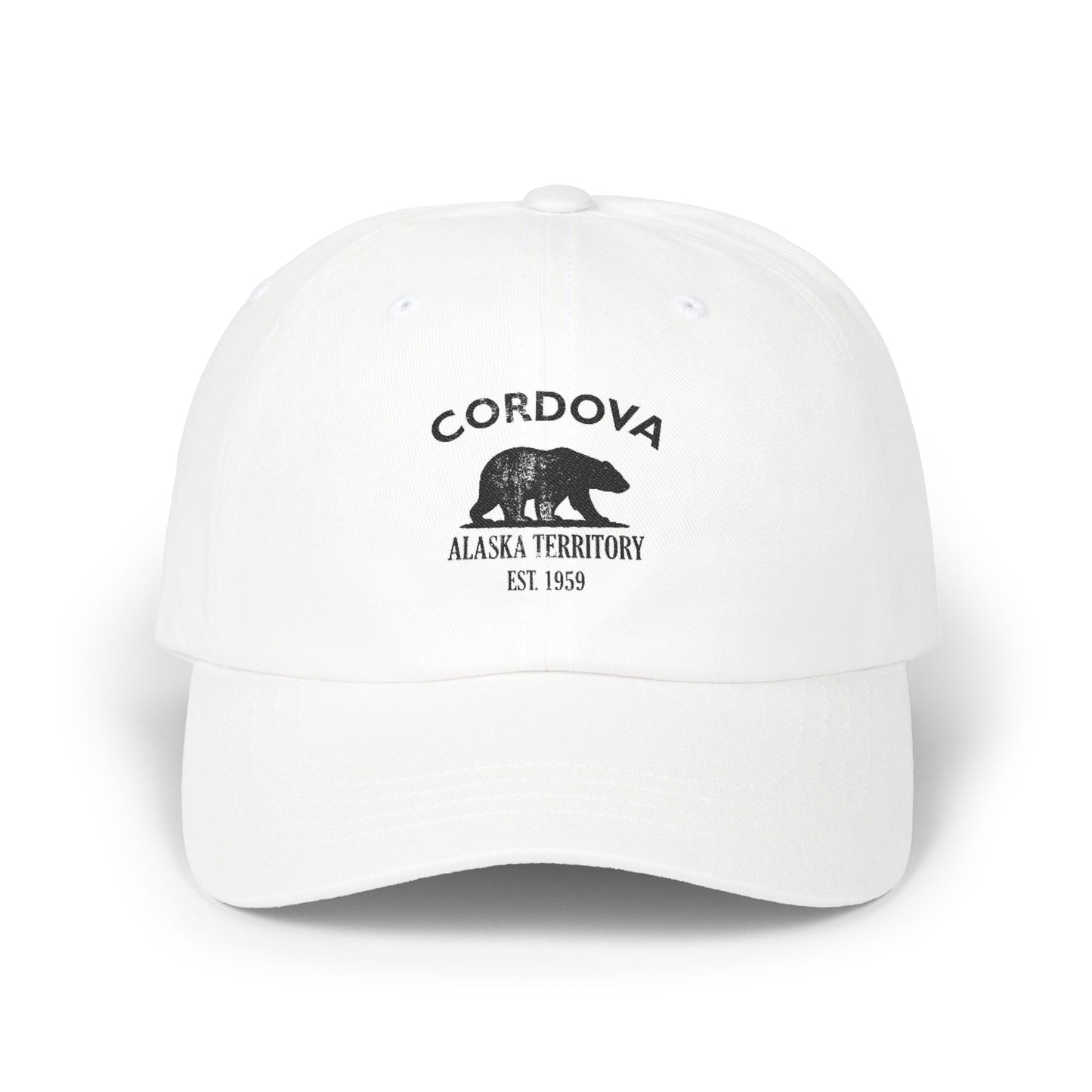
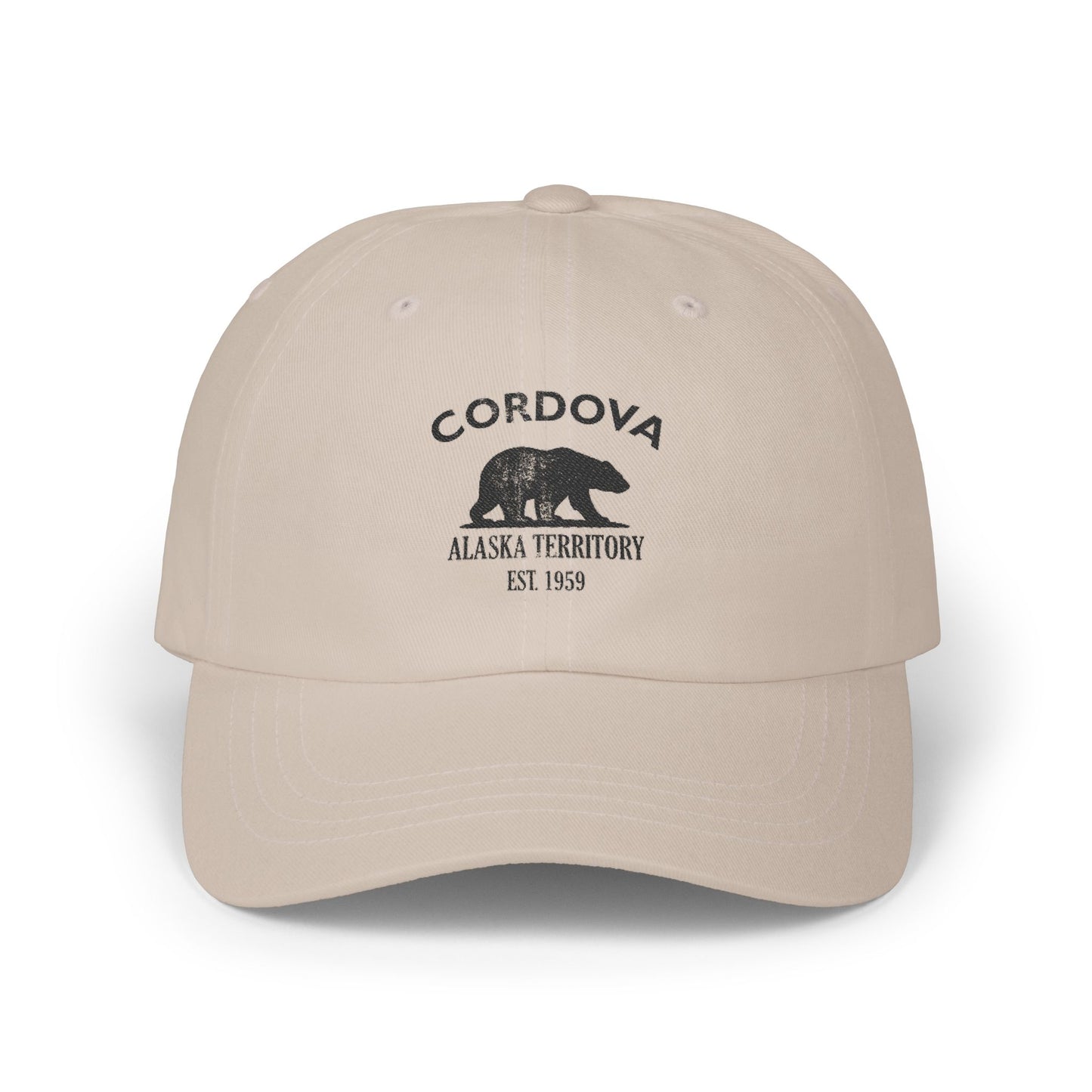
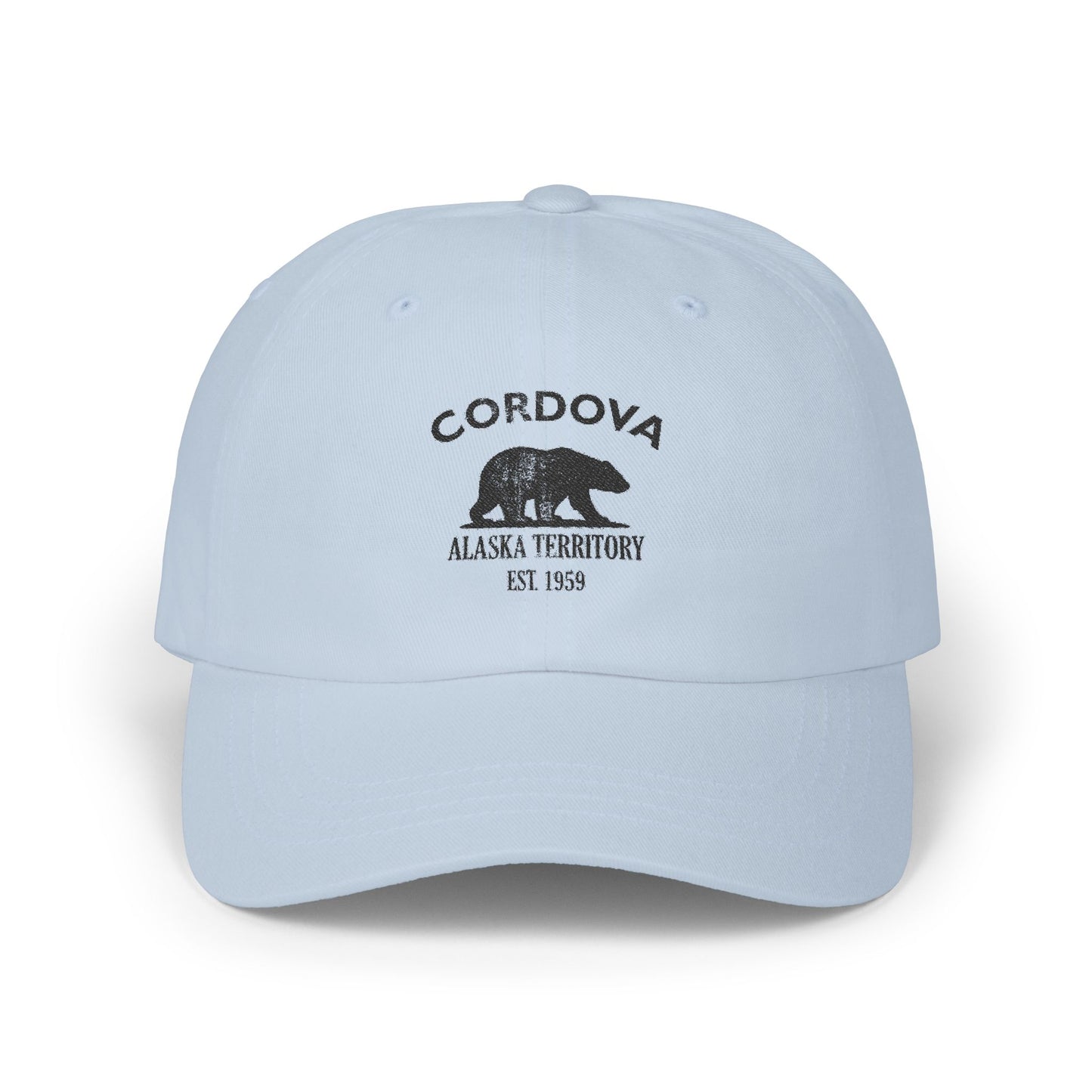
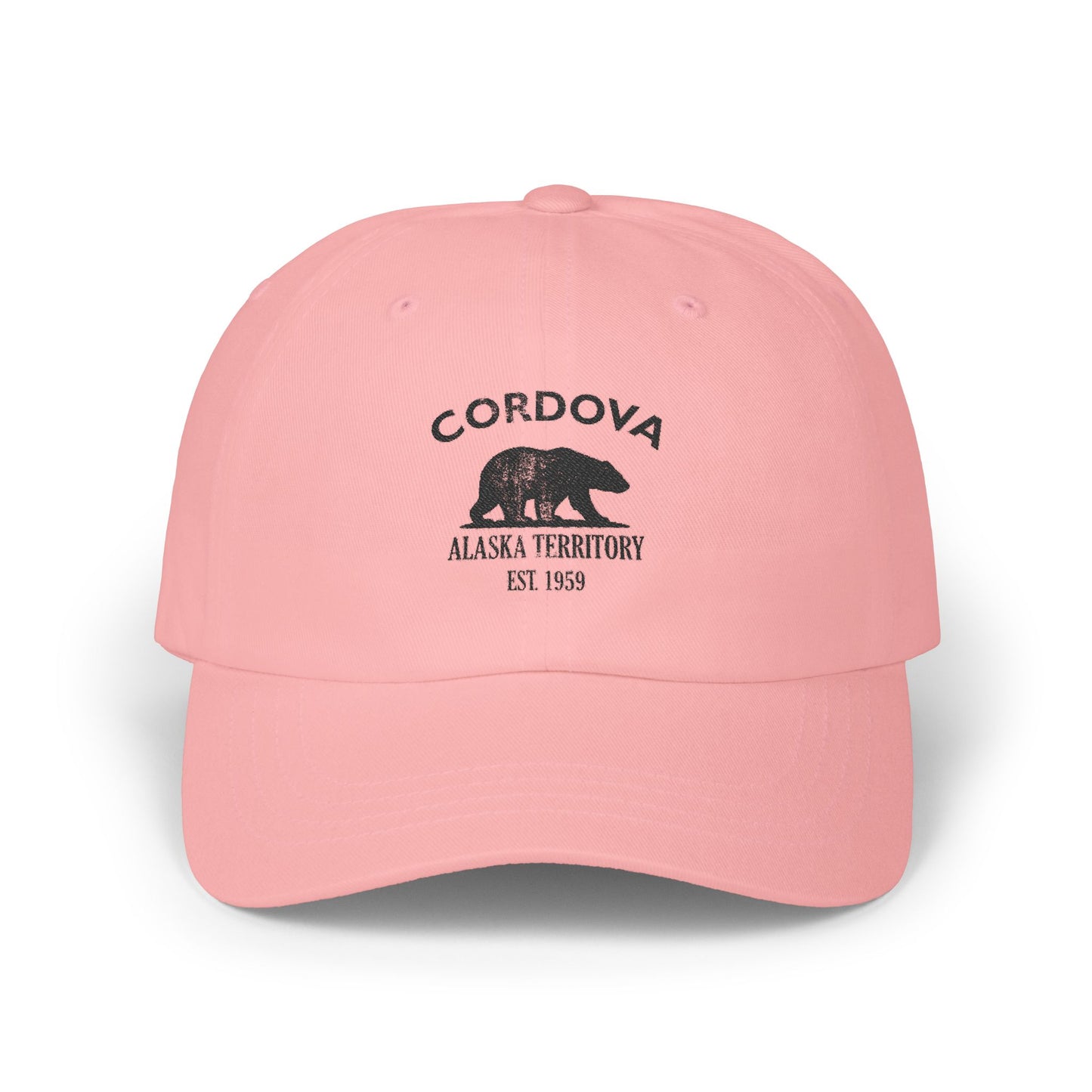
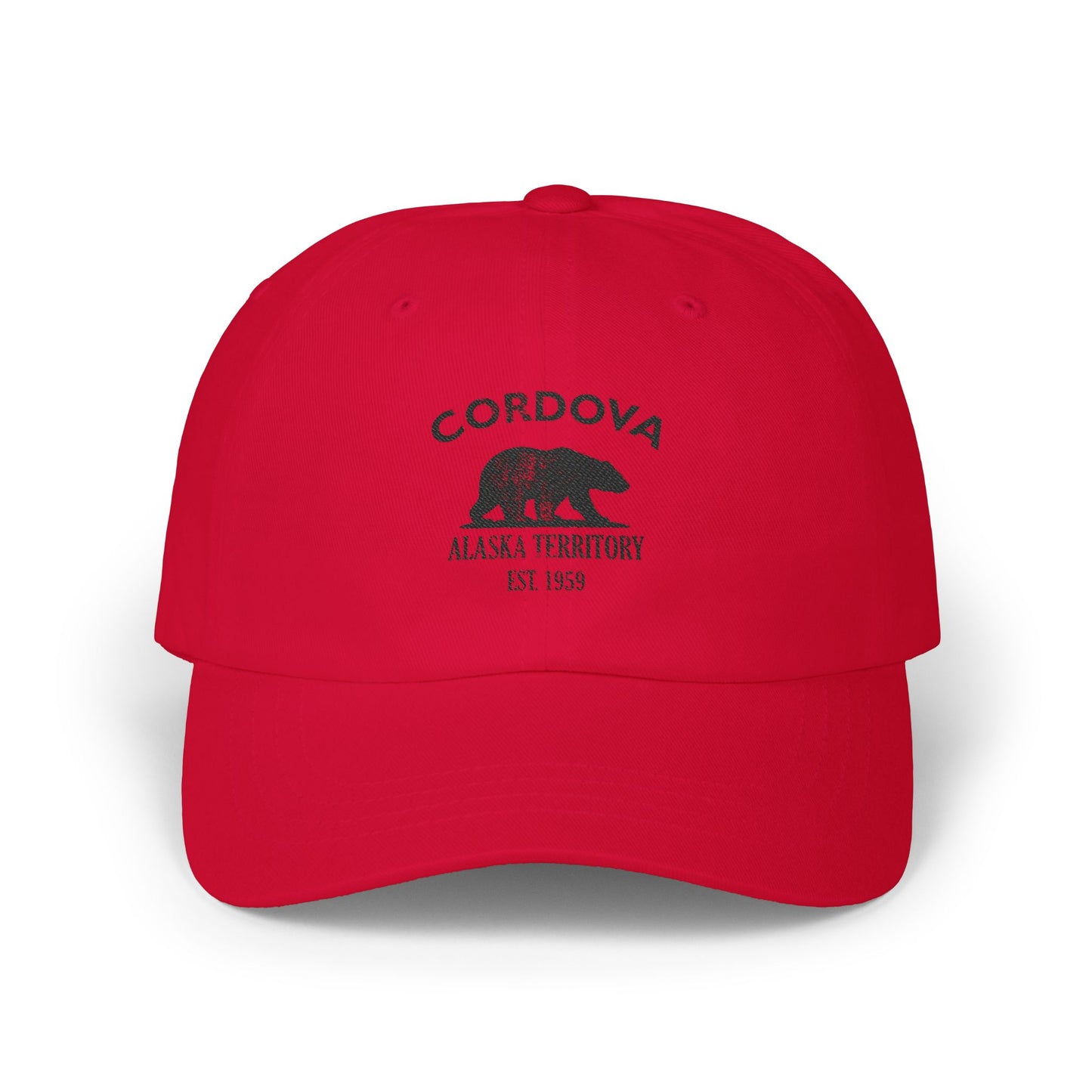
Our Cordova logo carries the Alaska bear over “Alaska Territory · Est. 1959,” the year Alaska became a state — the shared emblem of every Merlin Classics Alaska town. Printed in clean, distressed retro black-and-white that reads like an old cannery crate stamp or an outfitter’s brand, the bear stands for Alaska as a whole; what makes this one Cordova is everything behind it — the Million Dollar Bridge between its glaciers, the copper trains and the abandoned rails, the Copper River reds, and a fishing town you can only reach by boat or plane.
Why People Visit Cordova
Cordova rewards travelers who want the real, working edge of Alaska: a fishing fleet at the dock, glaciers and a great river delta within reach, world-class birding and salmon, and a town you have to make an effort to reach. Bring rain gear and time.
