


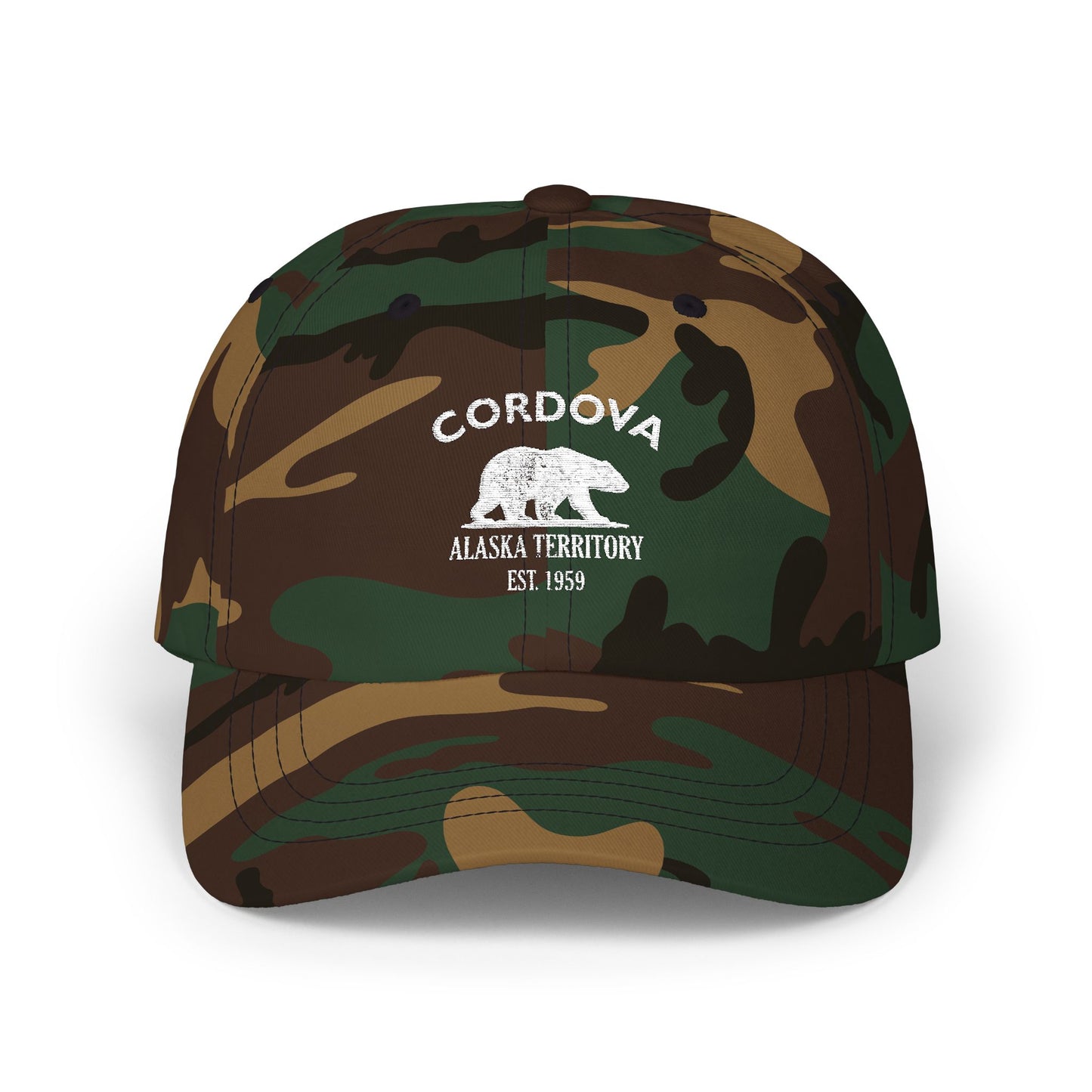
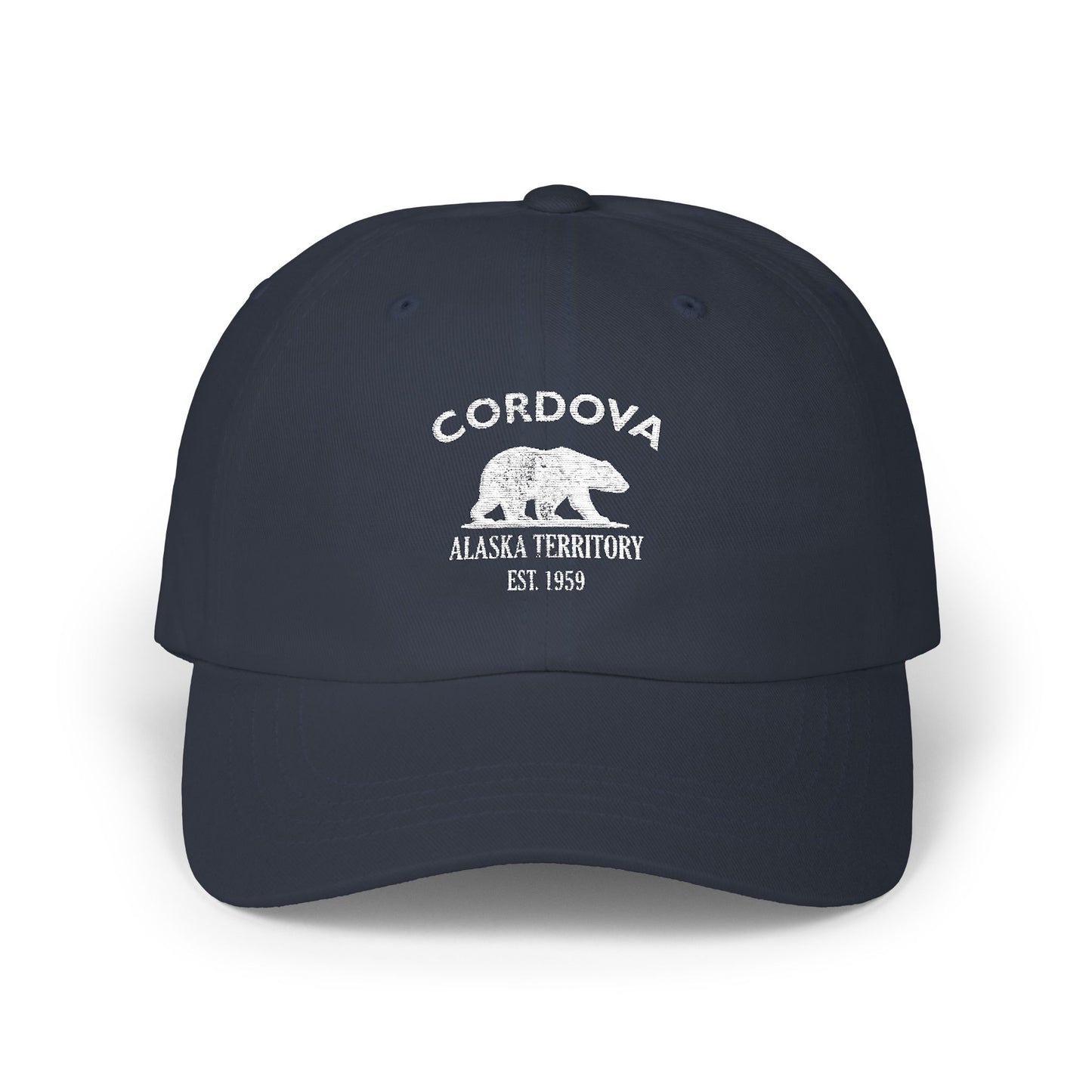
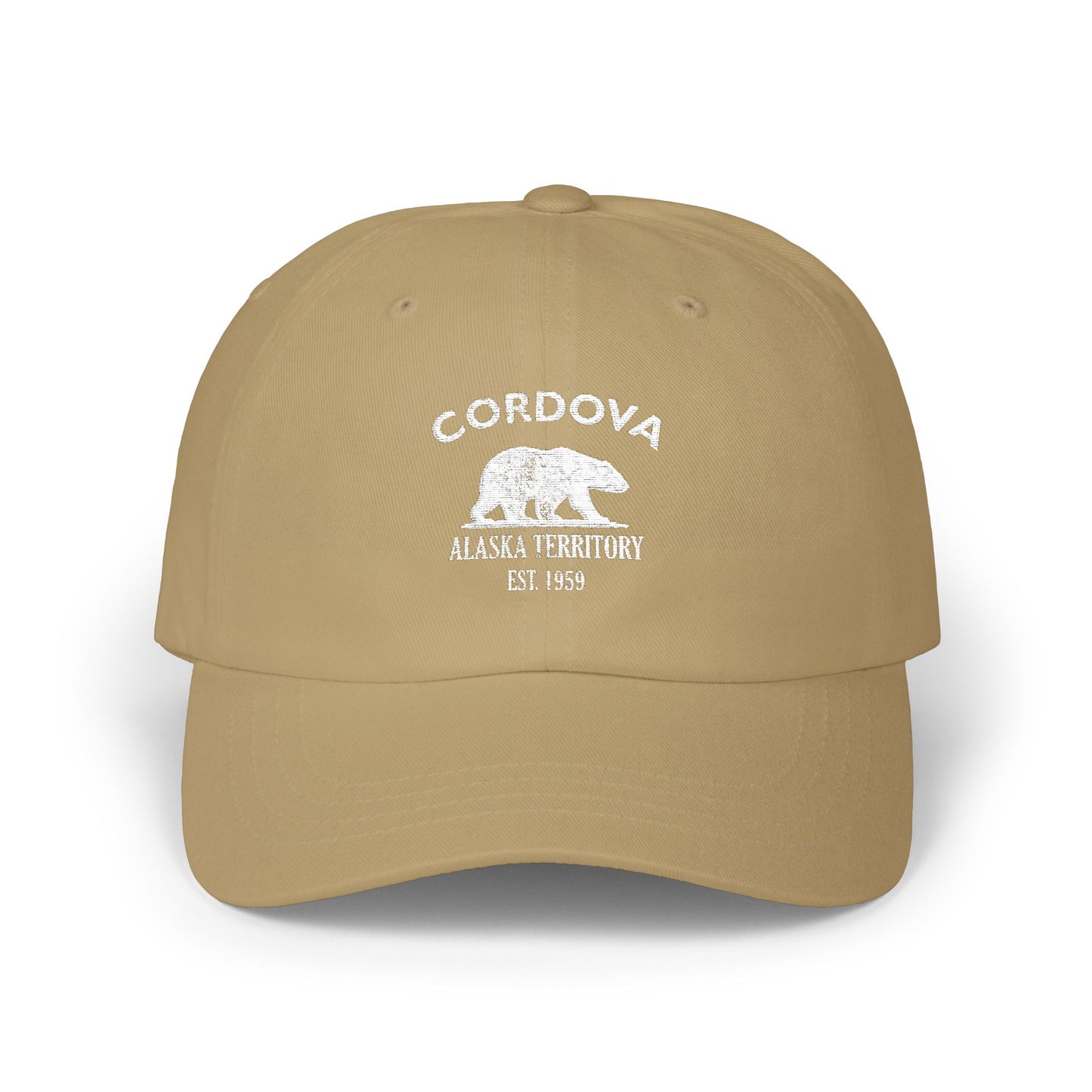
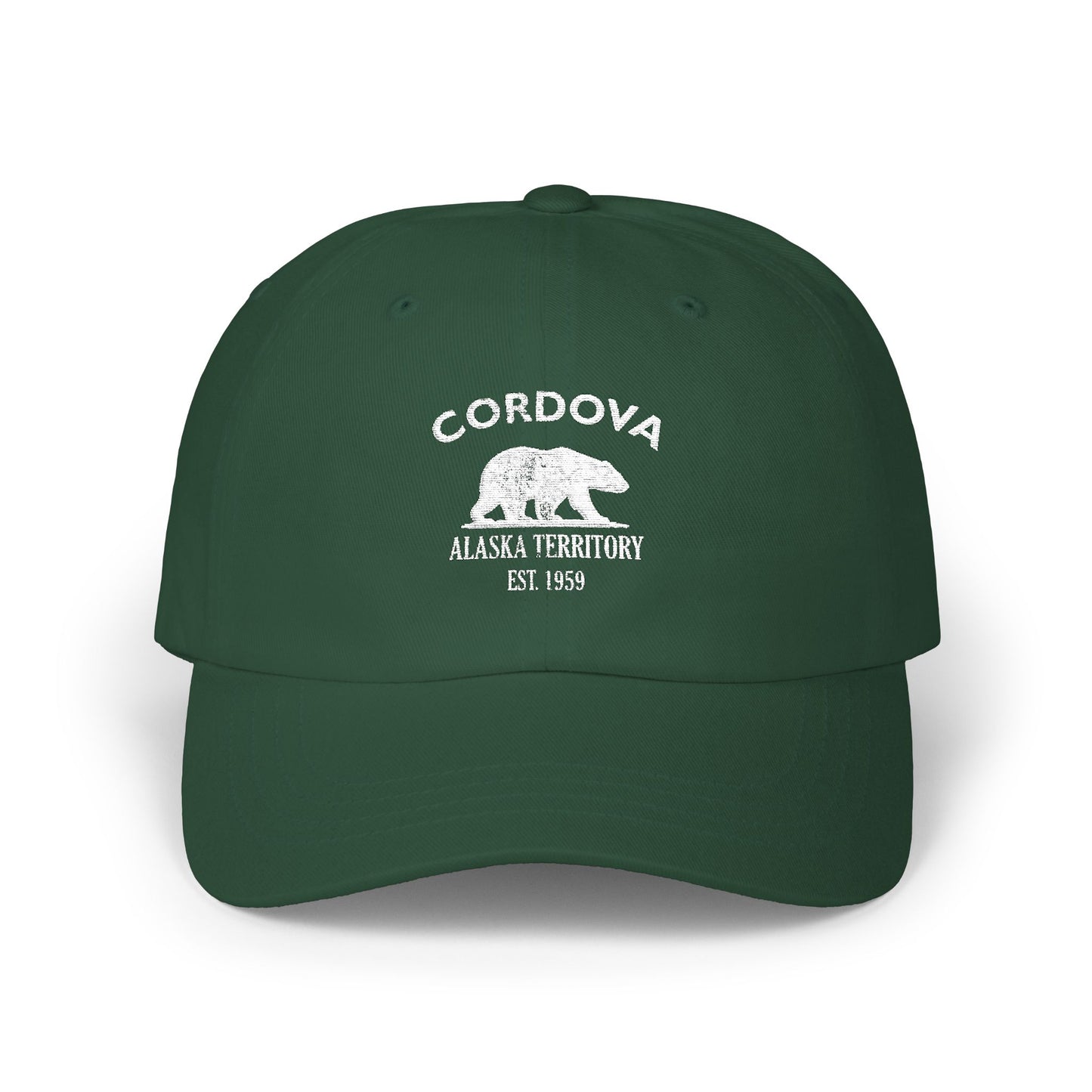
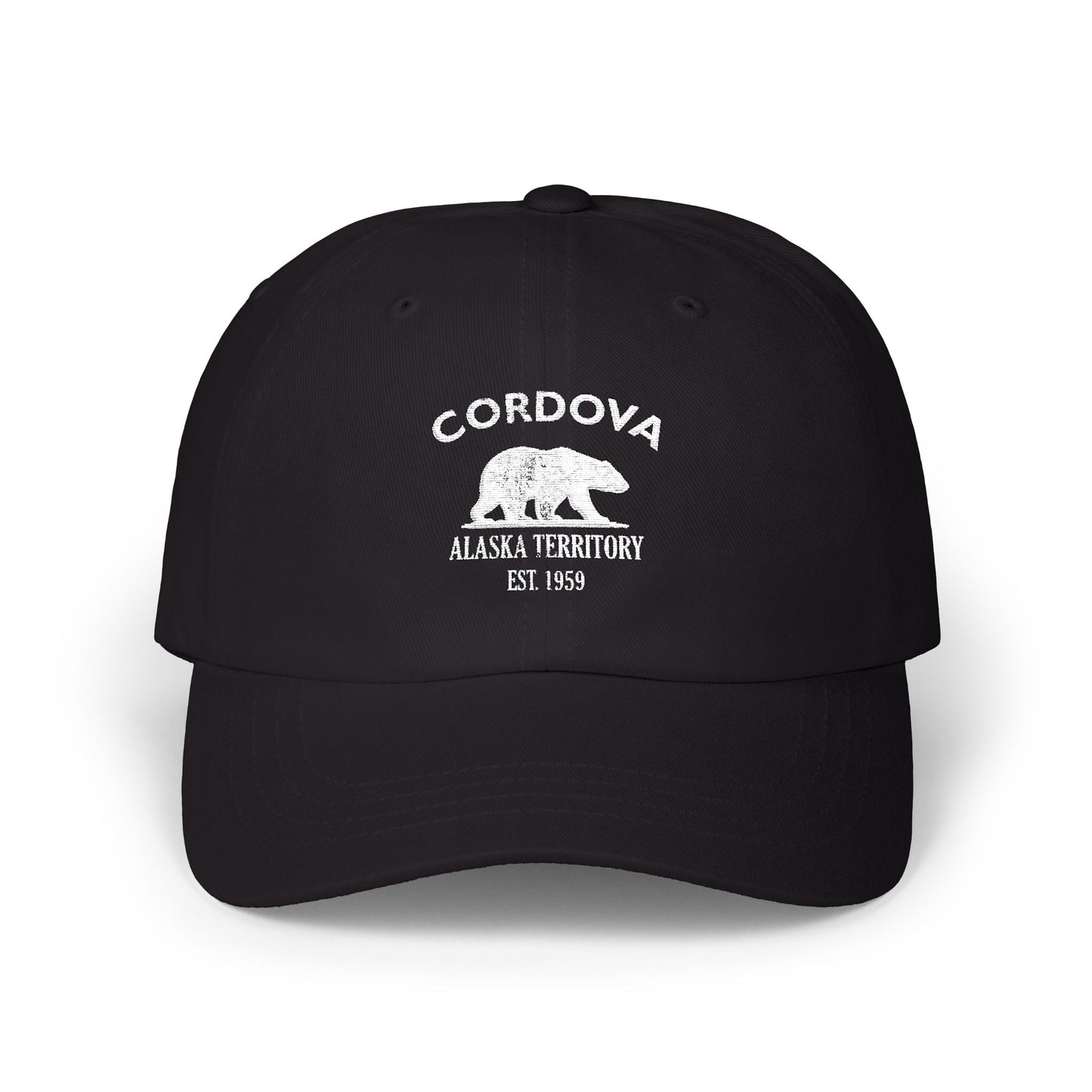
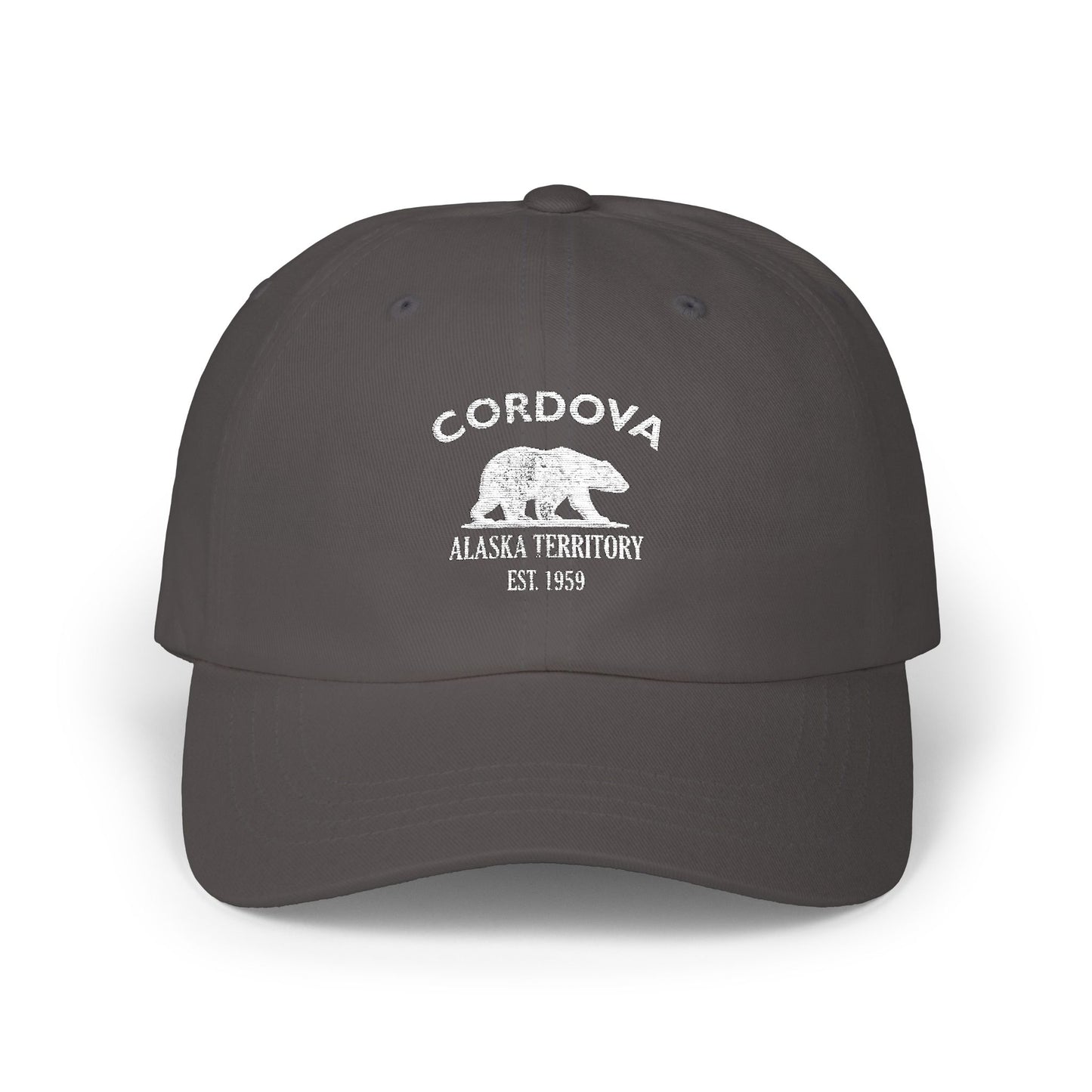
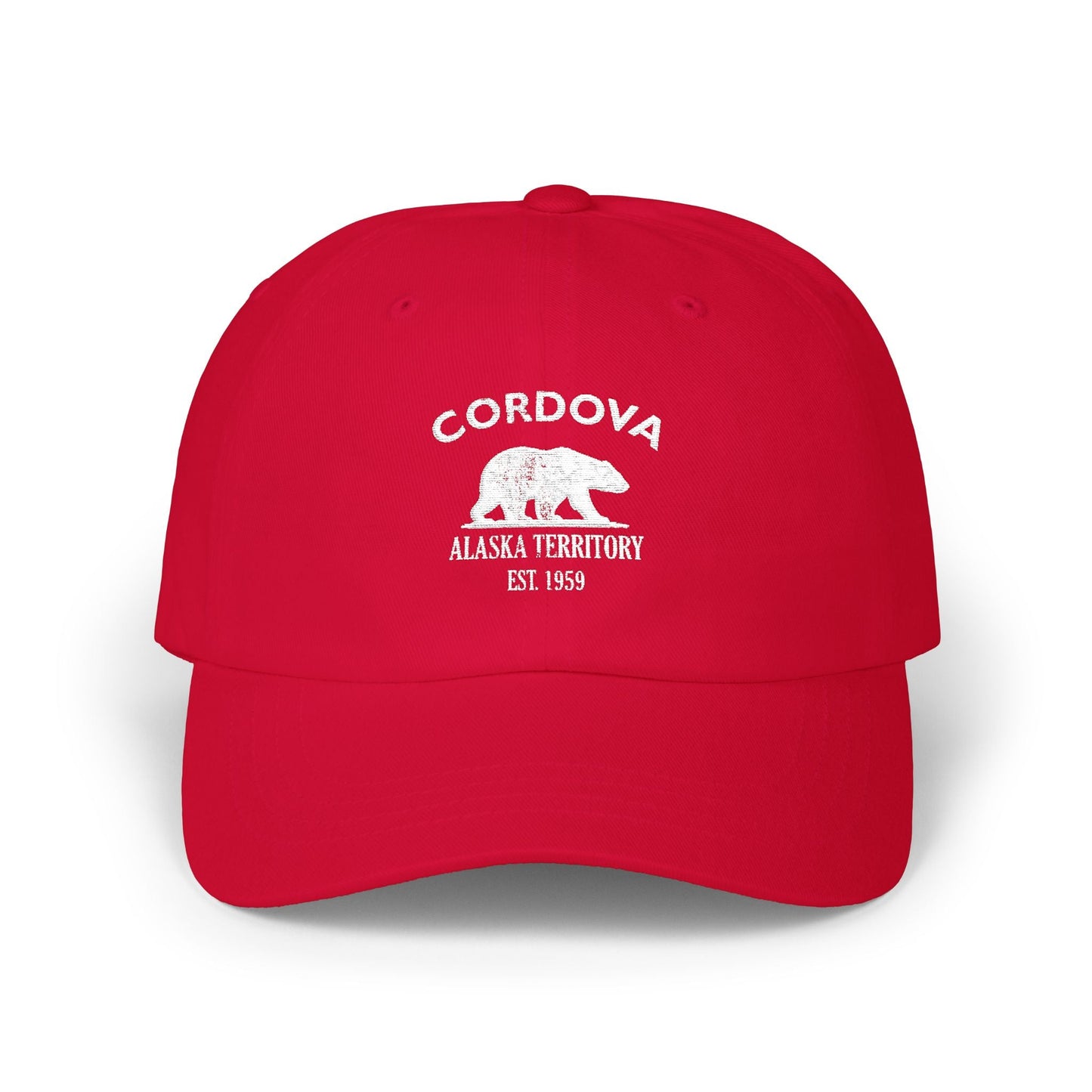
Today Cordova is a working fishing town at the edge of the wild — harbor and rainforest, glaciers and delta, and the best wild salmon on earth running past its door. Our Cordova designs gather that identity — the bear emblem, the Million Dollar Bridge, the Copper River reds — into wearable form. Cordova, Alaska — end of the road, home of the Copper River reds, where the rails once ran for copper and the salmon still run wild.
People were here long before the copper. The Eyak made the Copper River Delta and this corner of Prince William Sound their home, fishing the same runs that feed the town today and trading along the coast between their Tlingit and Alutiiq neighbors. The first cannery opened on Orca Inlet in 1889 — before the railroad, before the town — proof that the fish came first and have stayed longest. Cordova’s deepest story is not copper but salmon, and the people who have always known it.
Why People Visit Cordova
Cordova rewards travelers who want the real, working edge of Alaska: a fishing fleet at the dock, glaciers and a great river delta within reach, world-class birding and salmon, and a town you have to make an effort to reach. Bring rain gear and time.
