Every design is set in hand-lettered vintage type for that old-school, crate-label look. One sample color shown — black and white logo options on every piece. Recently in the national press. Enjoy!
-
East Haven Connecticut Vintage Retro Premium Crewneck Sweatshirt - Black Logo
Regular price $48.00 USDRegular price -
East Haven Connecticut Vintage Retro Premium Crewneck Sweatshirt - White Logo
Regular price $48.00 USDRegular price -
East Haven Connecticut Vintage Retro Unisex Heavy Cotton Hoodie - White Logo
Regular price $56.00 USDRegular price -
Whitewater Leap - Silhouette Art Giclée Unframed Art Print
Regular price From $34.00 USDRegular price -
Boy and Hound - Silhouette Art Framed Art Print
Regular price From $96.00 USDRegular price -
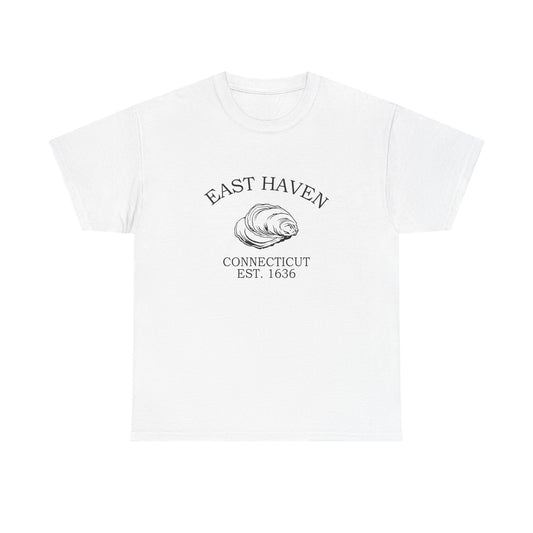
East Haven Connecticut Vintage Retro Unisex Heavy Cotton Tee - Black Logo
Regular price $22.00 USDRegular price -
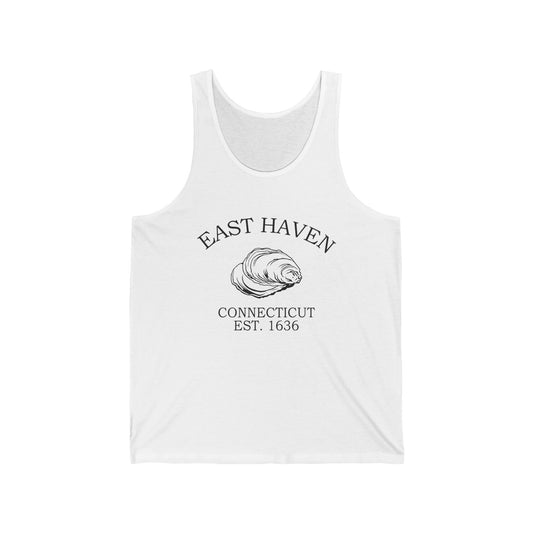
East Haven Connecticut Vintage Retro Unisex Cotton Jersey Tank Top - White Logo
Regular price $28.00 USDRegular price -
Whitewater Run - Silhouette Art Giclée Unframed Art Print
Regular price From $34.00 USDRegular price -
Whitewater Charge - Silhouette Art Framed Art Print
Regular price From $96.00 USDRegular price -
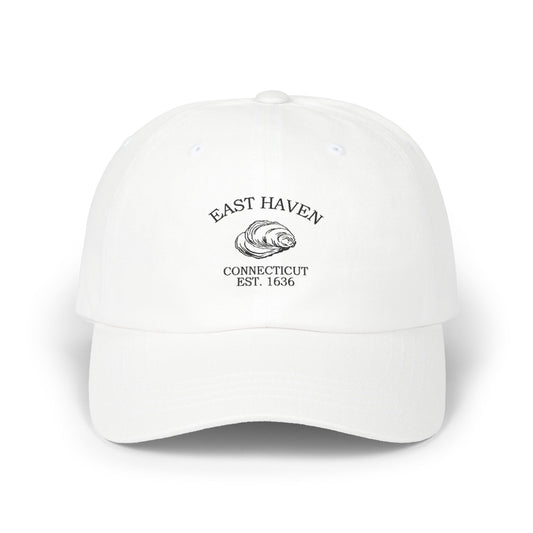
East Haven Connecticut Vintage Retro Embroidered Cotton Cap - Black Logo
Regular price $32.00 USDRegular price -
East Haven Connecticut Vintage Retro Embroidered Cotton Cap - White Logo
Regular price $32.00 USDRegular price -
Shoreline Trio - Silhouette Art Giclée Unframed Art Print
Regular price From $34.00 USDRegular price -
Between Horse and Hound - Silhouette Art Framed Art Print
Regular price From $96.00 USDRegular price -
East Haven Connecticut Vintage Retro Unisex Cotton Jersey Tank Top - Black Logo
Regular price $28.00 USDRegular price -
-
Whitewater Charge - Silhouette Art Giclée Unframed Art Print
Regular price From $34.00 USDRegular price -
Shoreline Conversation - Silhouette Art Framed Art Print
Regular price From $96.00 USDRegular price -
East Haven Connecticut Vintage Retro Vinyl Sticker - Black Logo
Regular price From $6.00 USDRegular price -
East Haven Connecticut Vintage Retro Ceramic Mug - Black Logo
Regular price From $16.00 USDRegular price -
Between Horse and Hound - Silhouette Art Giclée Unframed Art Print
Regular price From $34.00 USDRegular price -
Shoreline Trio - Silhouette Art Framed Art Print
Regular price From $96.00 USDRegular price -
East Haven Connecticut Vintage Retro Unisex Heavy Cotton Tee - White Logo
Regular price $22.00 USDRegular price -
East Haven Connecticut Vintage Retro Cotton Canvas Tote Bag - White Logo
Regular price $25.00 USDRegular price -
Between Two Hounds Portrait - Silhouette Art Giclée Unframed Art Print
Regular price From $44.00 USDRegular price -
Between Two Hounds Portrait - Silhouette Art Framed Art Print
Regular price From $112.00 USDRegular price -
East Haven Connecticut Vintage Retro Cotton Canvas Tote Bag - Black Logo
Regular price $25.00 USDRegular price -
East Haven Connecticut Vintage Retro Cotton Jersey Baby Bodysuit - Black Logo
Regular price $26.00 USDRegular price -
Companion in Still Water - Silhouette Art Giclée Unframed Art Print
Regular price From $34.00 USDRegular price -
Shoreline Gathering - Silhouette Art Framed Art Print
Regular price From $112.00 USDRegular price -
East Haven Connecticut Vintage Retro Thank You Card Set - Black Logo
Regular price From $25.00 USDRegular price -
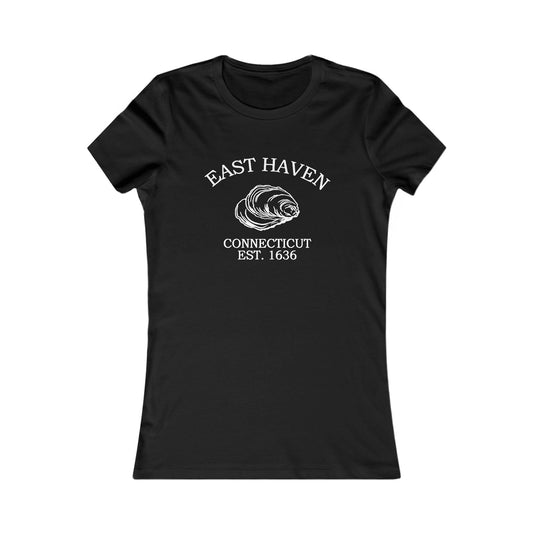
East Haven Connecticut Vintage Retro Womens Fitted Ringspun Cotton Tee - Black Logo
Regular price $28.00 USDRegular price -
Shoreline Conversation - Silhouette Art Giclée Unframed Art Print
Regular price From $34.00 USDRegular price -
Small Steps - Silhouette Art Framed Art Print
Regular price From $112.00 USDRegular price -
East Haven Connecticut Vintage Retro Back Printed Art Series Cotton Tee - Black Logo
Regular price $32.00 USDRegular price -
East Haven Connecticut Vintage Retro Giclée Print Art Series Poster
Regular price From $38.00 USDRegular price -
Boy and Hound - Silhouette Art Giclée Unframed Art Print
Regular price From $34.00 USDRegular price















East Haven Connecticut — Retro Vintage History
What's with Iron Works Village? Before it was East Haven, it was Iron Works Village — and that name is the key to the whole town. In 1655, on the shore of a pond fed by Lake Saltonstall, colonists fired up Connecticut's very first iron works, smelting bog iron just a few years after the New Haven Colony took root. It was only the third ironworks in all of New England. The furnace gave the settlement its first identity and its first industry, and though the fires went cold long ago, the village it built grew into the shoreline town that still sits at the east edge of New Haven Harbor.
Wear the HistoryThe settlement came first, in 1638. When the New Haven Colony bought up the land along the Sound, the eastern shore of the harbor was set aside as farmland and called, plainly, East Farms — a parish of New Haven worked by colonists who built wharves, planted fields, and fished the tidal marshes. For its first century the place answered to New Haven in everything: its church, its government, its land. But the iron furnace, the salt works, and the steady growth of the village gave East Farms an identity of its own, and a long, patient campaign to become a town in its own right.

In 1707 the parish shed its old name and became East Haven. The town that grew up around the Green took its lasting shape in 1774, when colonists raised the Old Stone Church — First Congregational — a steepled fieldstone meetinghouse that still stands as one of the oldest stone churches in New England. The Town Green spread out before it, a small common that would gather the town's monuments, its bandstand, and, much later, an oak grown from a sapling sent by President Theodore Roosevelt. The church and the Green remain the historic heart of East Haven.
East Haven came of age during the Revolution. In July 1779 a British force under General William Tryon landed along the shore and struck at Black Rock Fort in Morris Cove before marching on New Haven — the war reaching right onto East Haven's beaches. The town remembers the other side of that year too: the Marquis de Lafayette and his troops encamped on the Green, and Lafayette thought enough of the place to return and visit it again decades later, in 1824. Salt for the army, men for the cause, and a French general on the common — the Revolution left its mark on the little shoreline parish.
In May 1785, after years of petitioning, East Haven finally won its independence and was incorporated as a separate town, with Isaac Chidsey as its first selectman. Through the nineteenth century it lived by the shore — farming the uplands, oystering the Sound, and shipping goods from its wharves — a narrow strip of Connecticut coast running from the harbor inland. Then, at the turn of the twentieth century, the electric trolley arrived, and with it the line that would outlast every other: the Branford Electric Railway, threading along the shore and the salt marshes toward Branford.
That trolley line is East Haven's quiet claim to fame. Today the Shore Line Trolley Museum keeps the Branford Electric Railway running — the oldest continuously operating suburban trolley line in the United States — carrying riders on century-old streetcars along the same shoreline route, past Farm River and its tidal marshes. The town itself has long since become a New Haven-area shoreline suburb, with its beaches on Long Island Sound, its greens and ball fields, and the easy rhythm of a coastal town. But the trolley still clangs along the marsh, a living thread back to the iron-works village that started it all.
Our East Haven logo carries the Connecticut shoreline shell above "Connecticut — Est. 1636," the shared retro emblem of our Connecticut towns; the shell stands for the oystering and salt-marsh coast East Haven grew up on, and 1636 marks the founding of the Connecticut Colony itself, not the town — East Haven's own story runs from East Farms in 1638 to its own town charter in 1785. Rendered in worn black-and-white, like a stamp on an oyster crate or a coastal sign, it ties East Haven to every other Connecticut town we make. What makes this one East Haven is the story behind it — the first iron, the stone church, and the oldest trolley line in America.
So East Haven gathers colonial iron, a fieldstone church, and the country's oldest trolley line onto a narrow shore of Long Island Sound. Our East Haven designs gather that into wearable form. Wear the history. East Haven, Connecticut — where colonial iron, a stone church, and the country's oldest trolley line meet the Sound.

East Haven, Connecticut — Travel Guide
Visiting East Haven Today
East Haven sits on the north shore of Long Island Sound, just east of New Haven — a narrow shoreline town of beaches, salt marshes, and colonial history. Its calling card is the oldest operating trolley museum in the country.
Trolleys, the Green & the Shoreline
For visitors looking for things to do in East Haven, Connecticut:
- Ride century-old streetcars at the Shore Line Trolley Museum, running the Branford Electric Railway along the marsh.
- See the Old Stone Church (1774) and the historic Town Green at the heart of the old village.
- Walk Farm River State Park, with tidal marshes, quiet coves, and shoreline birding.
- Relax at the Town Beach on Long Island Sound, with gentle water and family picnicking.
- Visit the East Haven Historical Society for the Iron Works Village and trolley-era story.
Why People Visit East Haven
Visitors come to East Haven for an unhurried slice of the Connecticut shore: a ride on a hundred-year-old trolley, a stroll past one of New England's oldest stone churches, and an afternoon on a quiet Sound-side beach. Salt marshes and shoreline trails sit a few minutes from the Town Green, and New Haven's museums and harbor are right next door. Equal parts colonial heritage and easy coastal living, East Haven rewards anyone drawn to the working shoreline of Long Island Sound.
Wear the History
Kindred Cities
We're glad to welcome visitors from Brighton, England and Deauville, France (bienvenue) — fellow seaside towns of the boardwalk and the summer crowd.
The summer trade binds East Haven to Brighton and Deauville. Brighton is England's great seaside resort, all pier and pebbles; Deauville the chic Normandy beach town of boardwalks and parasols; East Haven has its own shoreline on Long Island Sound, where the cottages fill the moment the weather turns. Salt air and a season everyone waits for.
If summer means the shore where you come from, East Haven will feel right: a beach on the Sound, a stretch to stroll, and the easy rhythm of a town that lives for the warm months. Come and visit us soon.
When you plan the trip, the Town of East Haven and the Connecticut Office of Tourism are the place to start.
Wear the History

For deeper reading on the East Haven history described here — the 1655 first Connecticut iron works at Lake Saltonstall and Iron Works Village, the 1774 Old Stone Church and the Town Green, the 1779 Revolutionary raid and Lafayette's encampment on the Green, the 1785 incorporation as a separate town from New Haven, and the Branford Electric Railway at the Shore Line Trolley Museum — it may be useful to consult (1) the East Haven Historical Society, (2) the Connecticut State Library and State Archives, (3) the New Haven Museum and Whitney Library, (4) the East Haven town clerk's records office, and (5) the Shore Line Trolley Museum. For travel and visitor information, it may be useful to contact (1) the Town of East Haven and the Connecticut Office of Tourism, (2) the East Haven Chamber of Commerce, (3) the East Haven Parks and Recreation Department, (4) the Connecticut state parks office, and (5) the regional transit and Tweed-New Haven Airport information desks.