


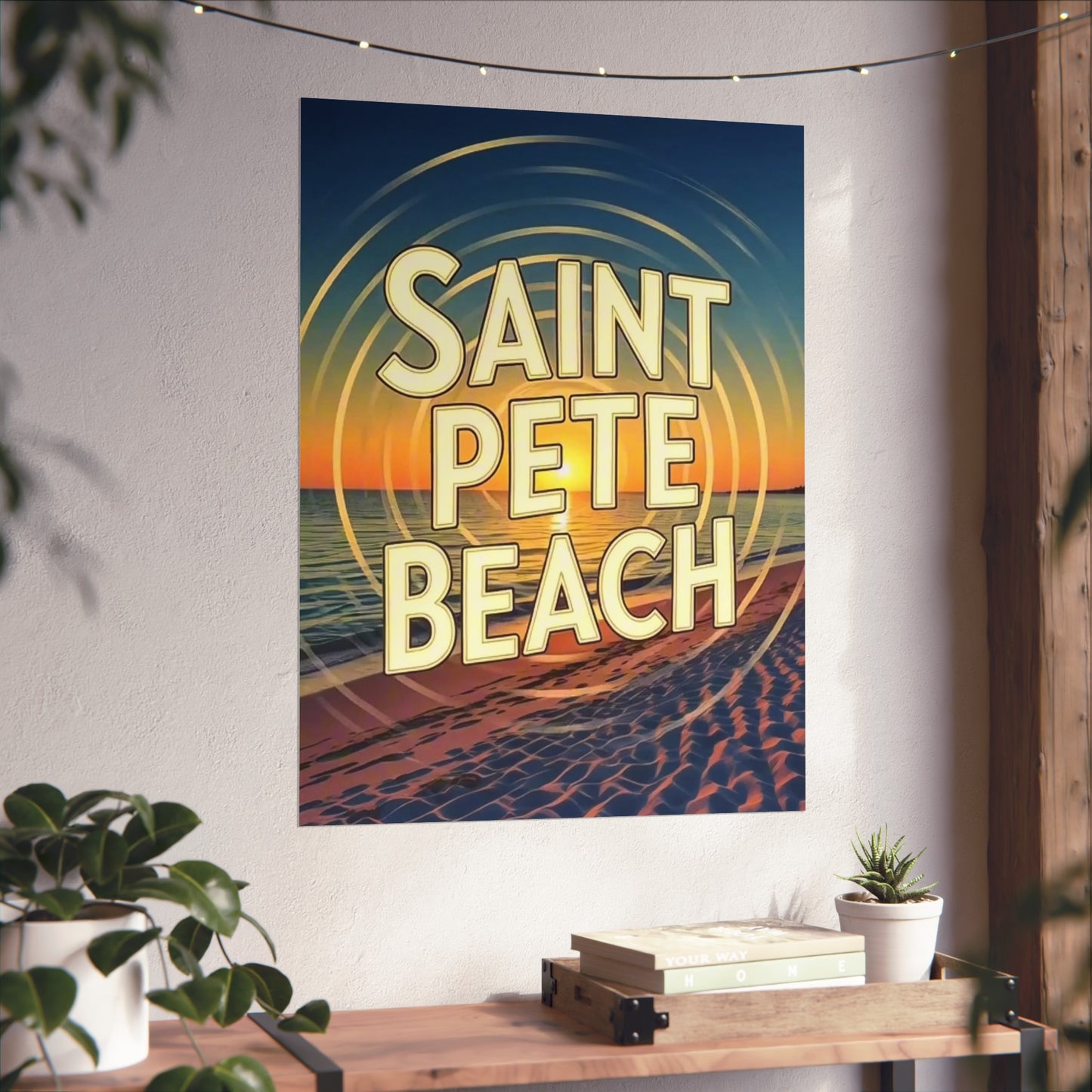
Today St. Pete Beach is celebrated as a tourist hub and resilient coastal community. Its story reflects Indigenous heritage, storms, and suburban optimism. Our St. Pete Beach designs celebrate this layered identity, pairing the alligator motif with vintage styling. They invite you to explore the St. Pete Beach collection and carry forward a reminder of Florida’s resilience. Retro in tone, the logo reflects toughness and authenticity. St. Pete Beach’s emblem honors both heritage and optimism, making it a vintage symbol of Florida identity. Explore the collection and share in St. Pete Beach’s story of endurance.
Local lore includes pirate treasure myths buried in sandy coves, hurricanes testing survival, and parades celebrating sunshine. Families recall spring break festivals, drive-in theaters, and boardwalk strolls in the 1950s. Residents remembered storms that wiped away hotels, only for communities to rebuild with optimism. Myths of alligators crossing causeways added humor to suburban life. These tales highlight St. Pete Beach’s dual identity: storm-tested community and vibrant resort. Lore reflects resilience and pride, blending myth with memory. The stories emphasize Florida’s coastal character, showing how tradition, optimism, and endurance shaped suburban beach identity across generations.
Why People Visit St Pete Beach Florida
St. Pete Beach is Old-Florida Gulf-beach heritage at its most genuine: the oldest beach resort community on the west coast at Pass-a-Grille, the 1928 Pink Palace landmark, seven miles of sugar sand on Long Key, the historic-cottage streets and "shortest main street," Fort De Soto just south, and a sunset that turns the whole beach pink. It blends wide easygoing Gulf time with real history and nearby nature — sand, shells, fishing, and the long pink hour. From the 1783 Rancho de Juaquin fishing camp and the 1886 homestead to the 1957 merger of four beach towns, history and everyday beach culture sit side by side. Sugar sand. Old-Florida pink. The first beach on the coast.
