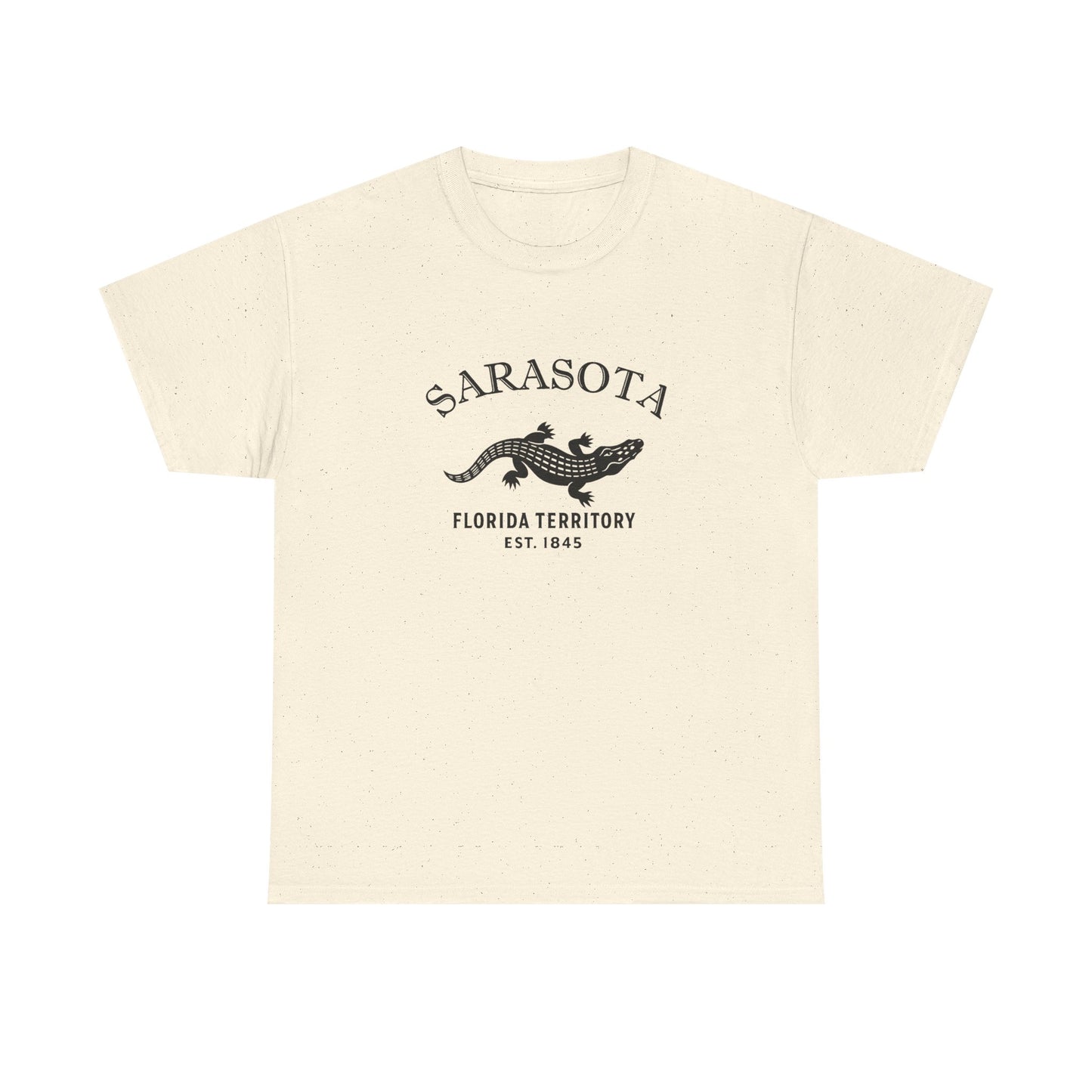
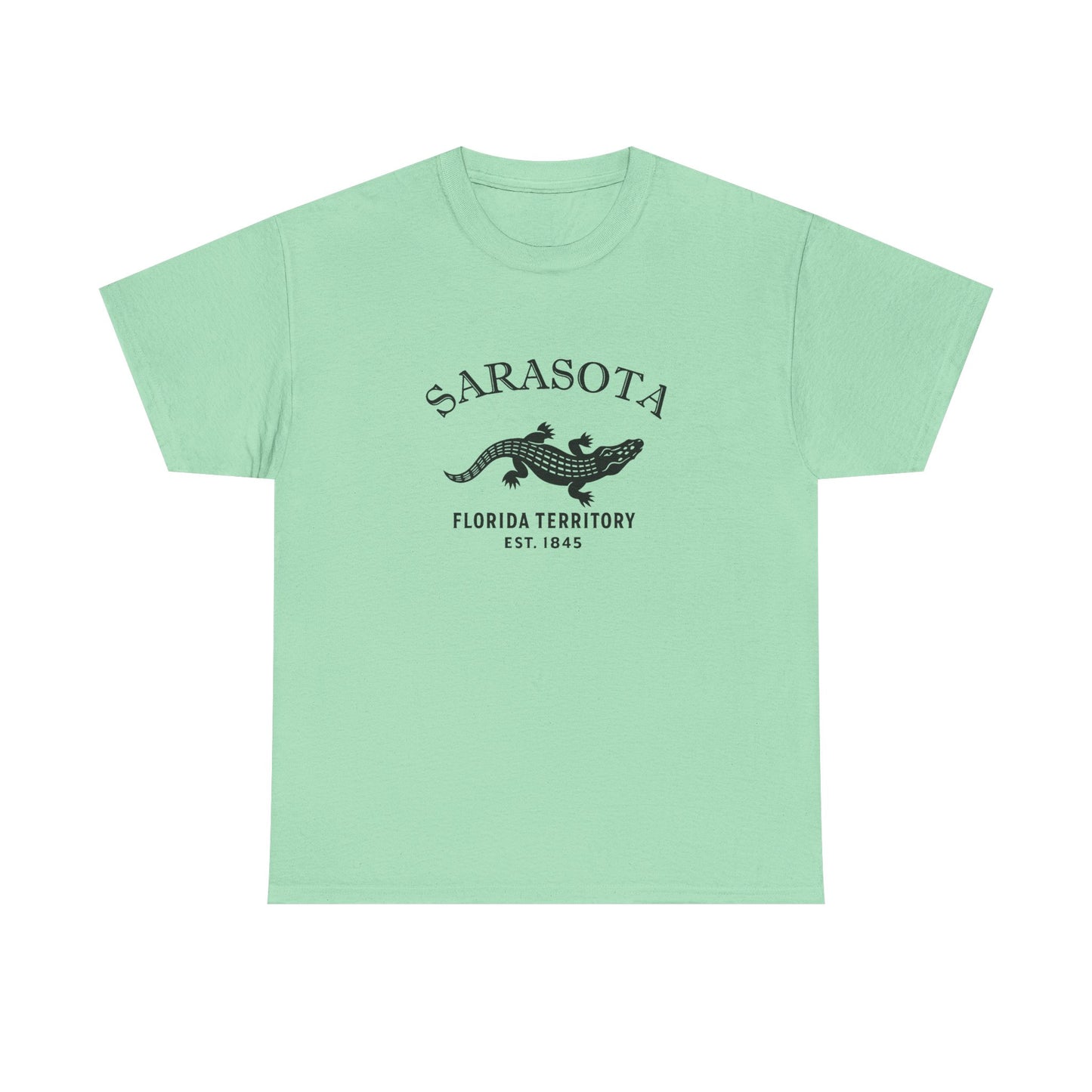
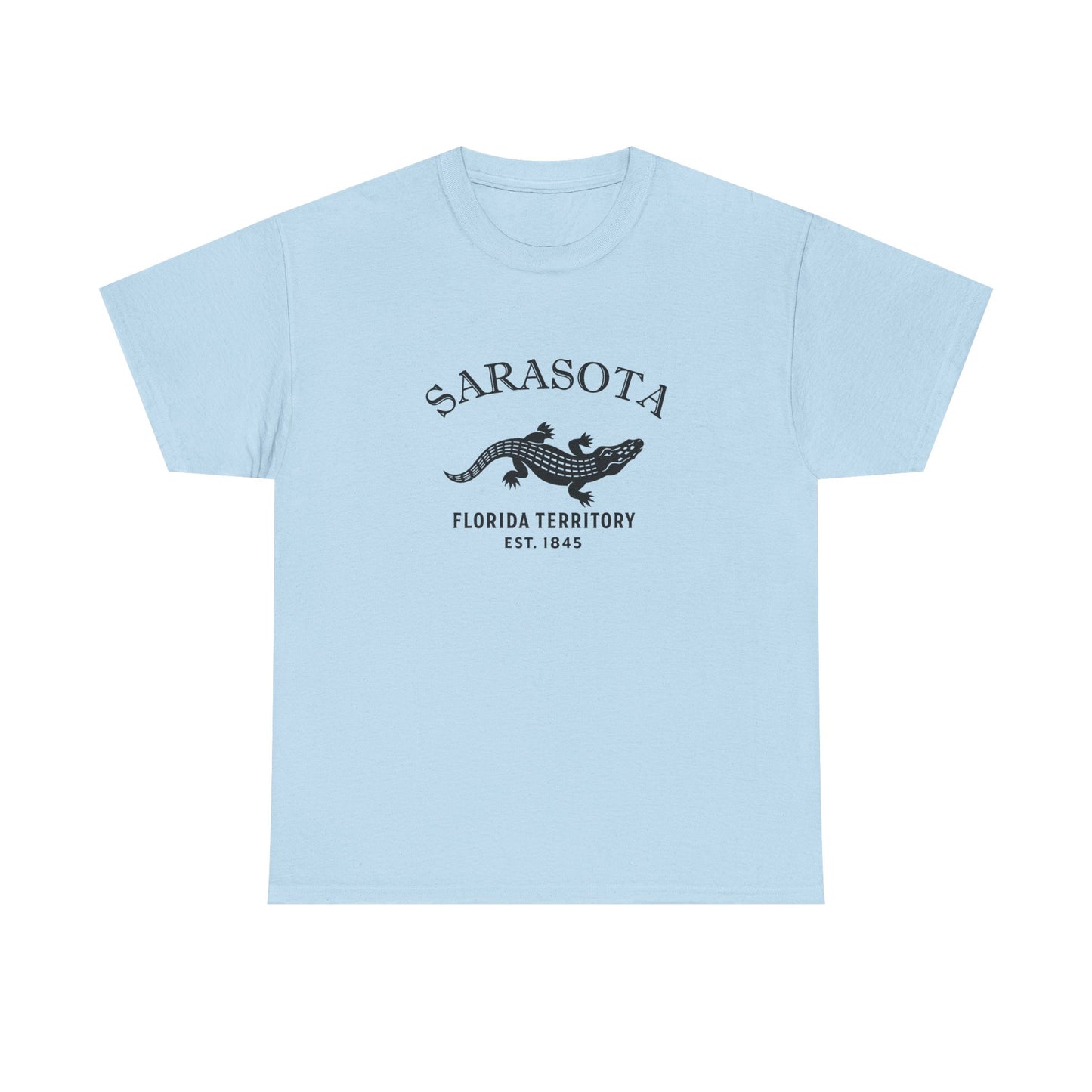
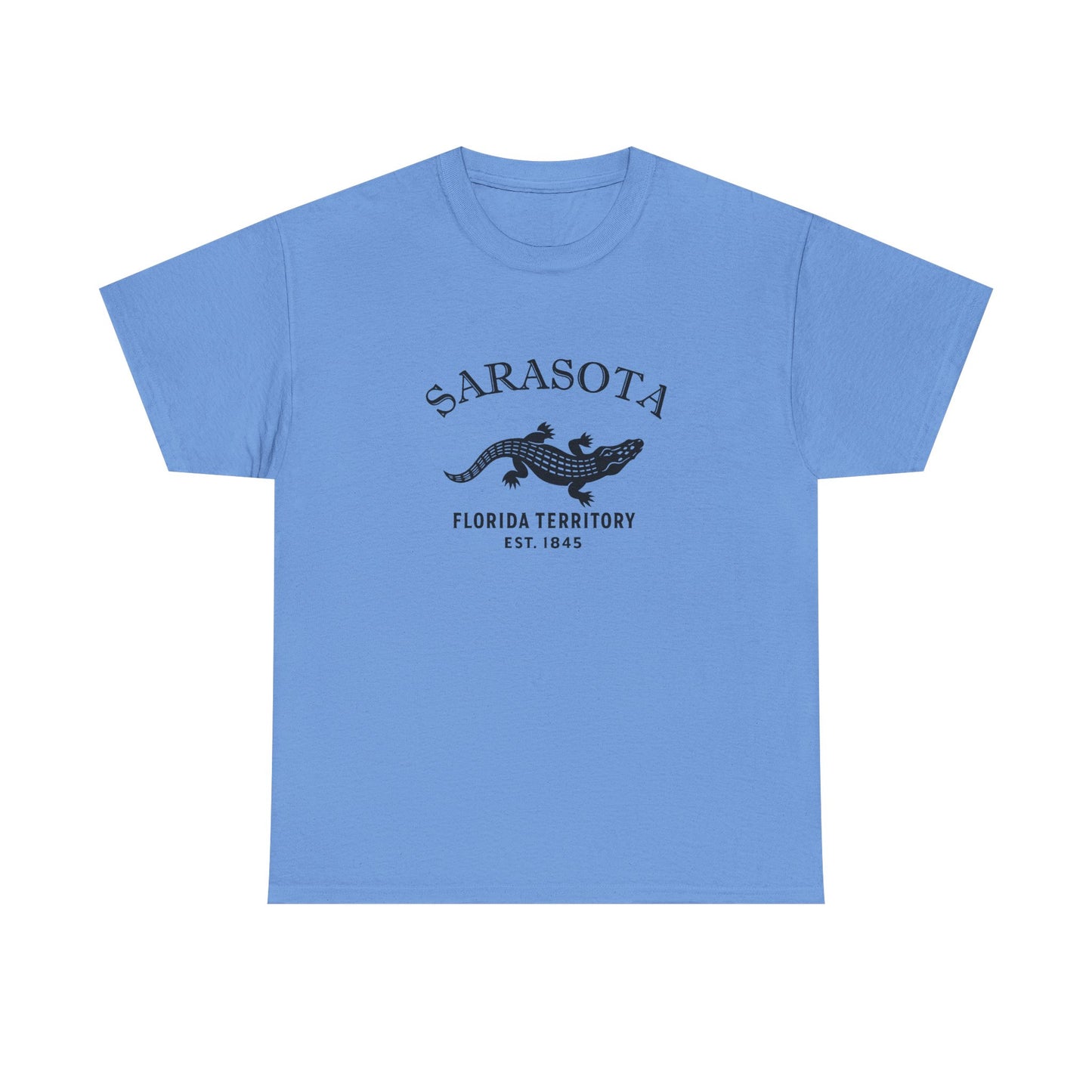
Long before the circus arrived, Sarasota was a small settlement on the bay — pioneer families farming and fishing the Gulf shore, joined by a colony of Scots in 1885. The town incorporated in 1902 and grew slowly along the waterfront. Then came the 1920s, and a circus magnate with a fortune and a vision, and everything about the place changed.
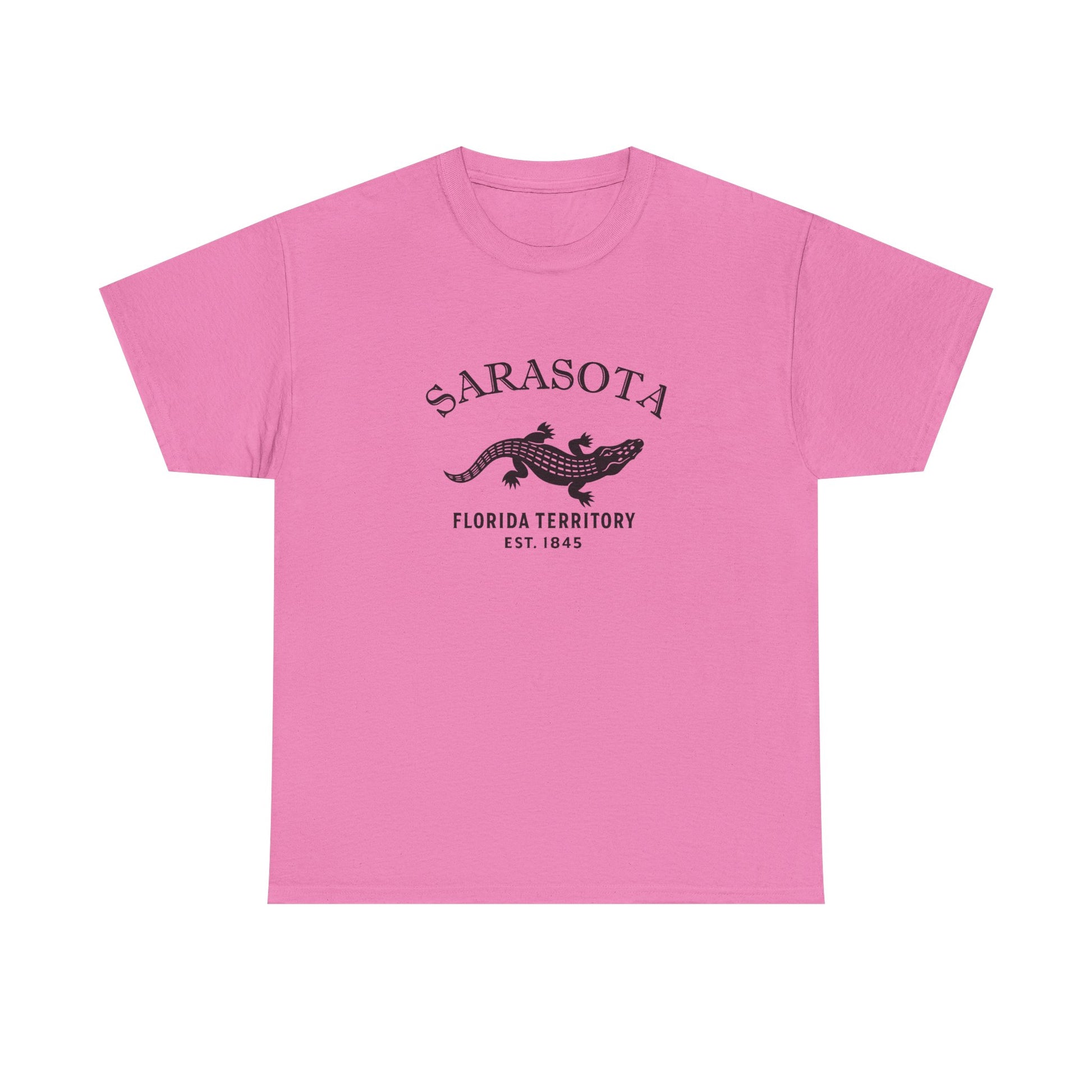
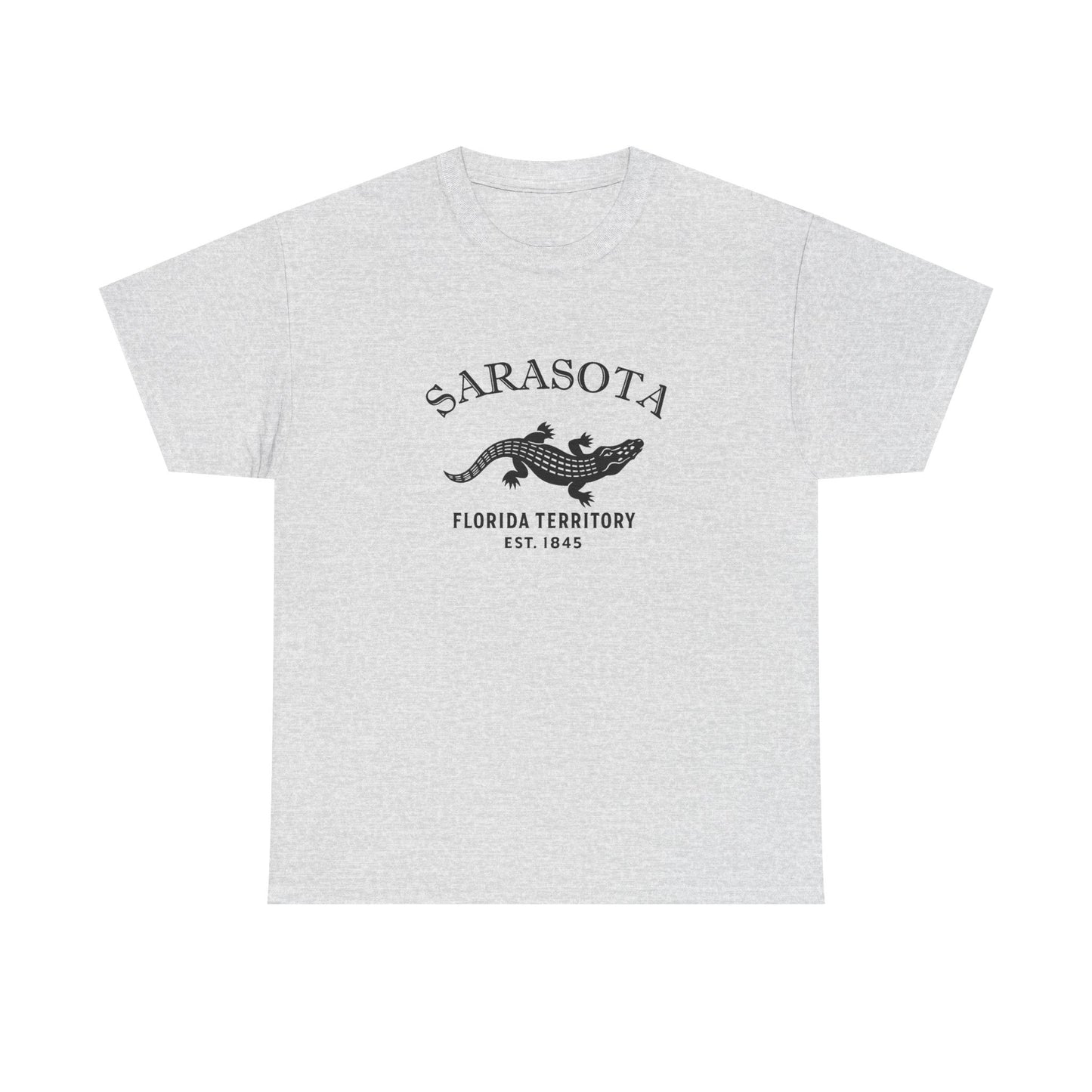
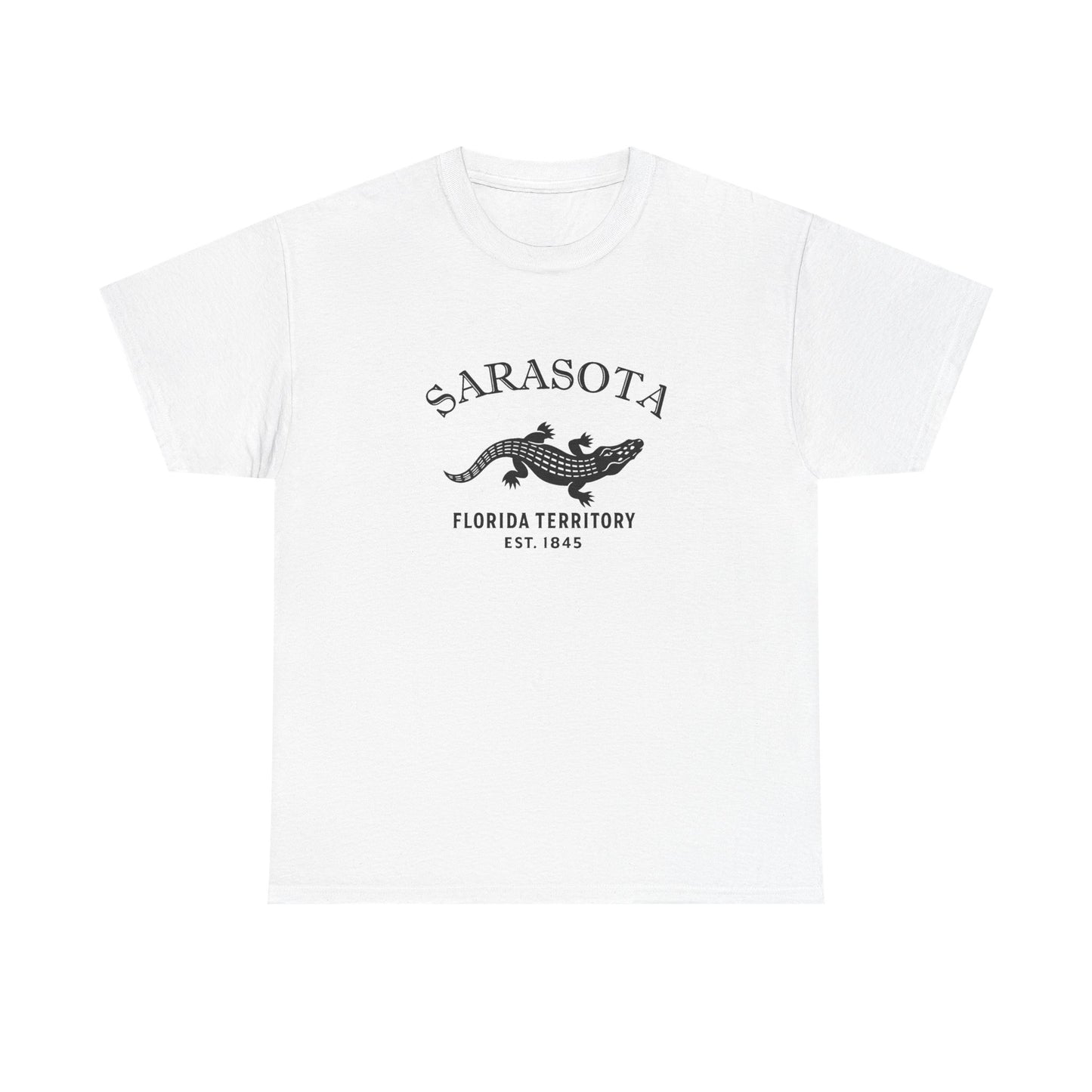
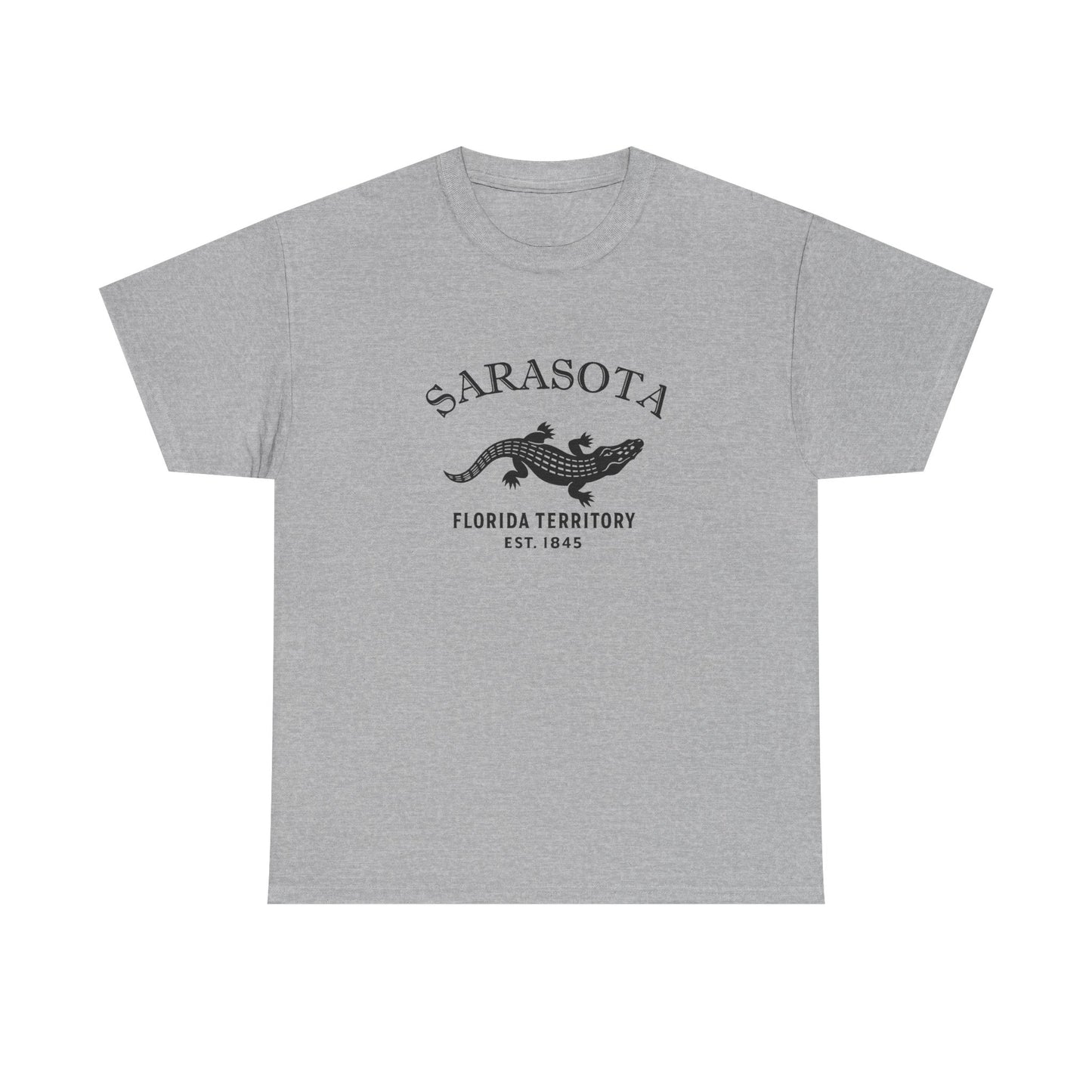
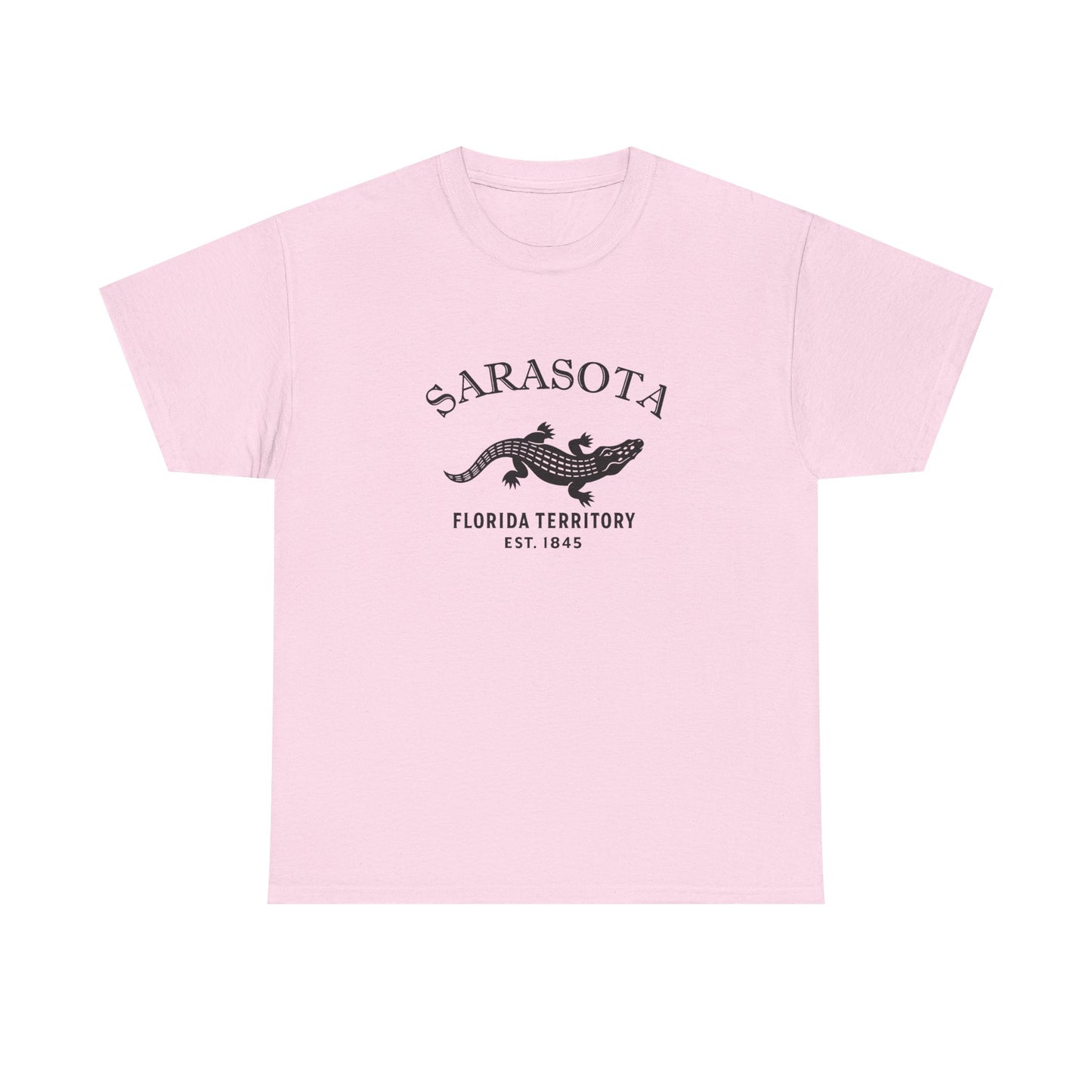
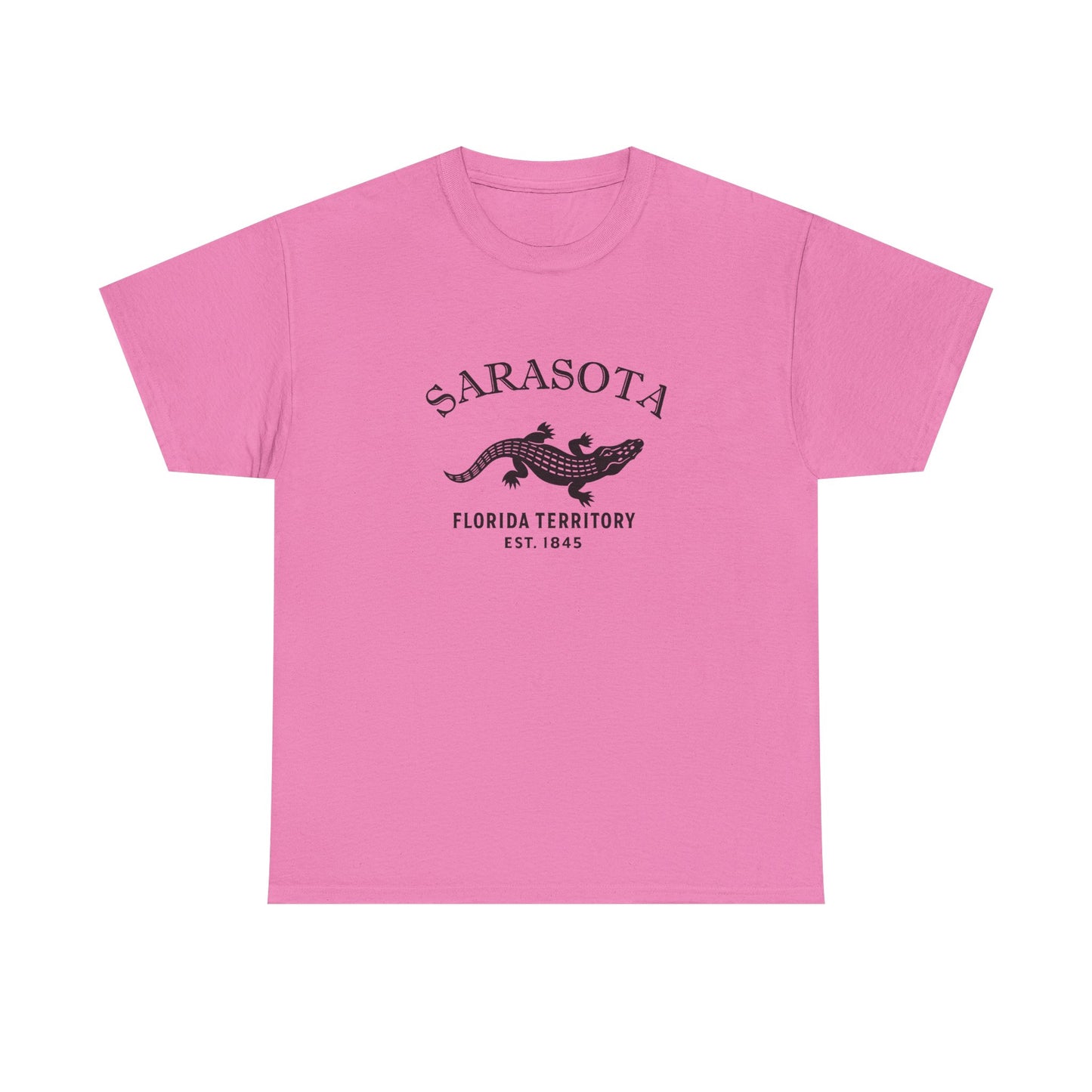
Our Sarasota logo carries Florida's alligator over "1845," the year Florida joined the Union — the shared emblem of every Merlin Classics Florida place. Printed black-and-white with the worn look of an old crate label or a woodcut stamp, the gator reads as Florida in shorthand: subtropical, sun-baked, and a little wild. What makes this one Sarasota is the place behind it — the circus capital, the palace on the bay, the museum, and the white sand of the keys.
Why People Visit Sarasota Florida
Sarasota draws a rare mix of arts traveler and beachgoer: a museum and opera town that is also a Gulf-coast resort. Visitors find Old Masters and orchids in the morning and white sand in the afternoon, all within a few miles of the bay. It is cultured, sunny, and unmistakably Florida.
