What's with everyone expecting Disney? Say "Orlando" and most people picture the theme parks — and that is genuinely part of the fun. But the parks are the newest chapter of a much richer place. Greater Orlando was drawing presidents, world-class art, and Florida's first four-year college long before the castles ever lit up, and the best surprise of all sits just two miles north of downtown, in a separate little city called Winter Park. Start the story there and it only gets better — a lost palace, rescued treasure, and a whole quieter Orlando most visitors never plan for.
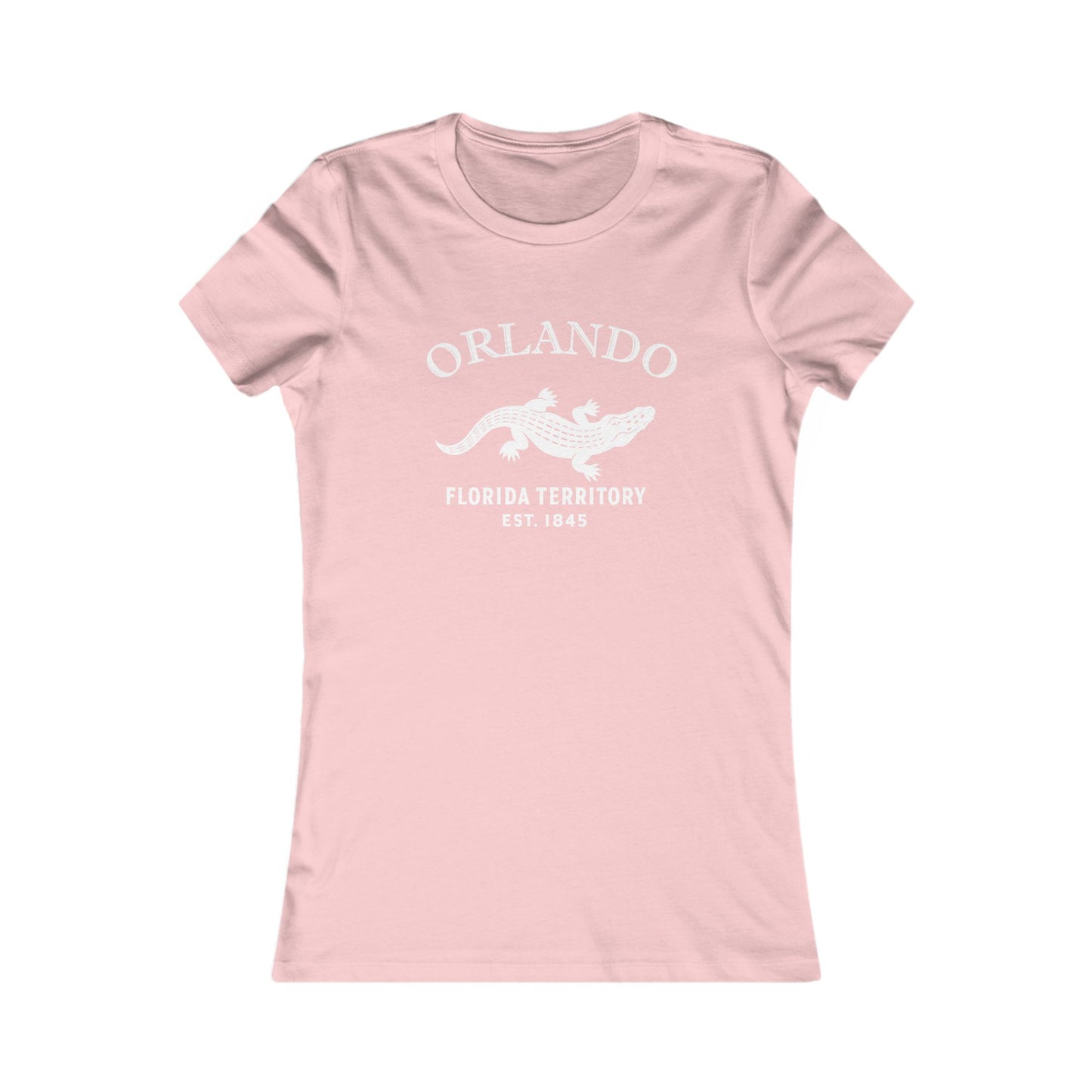
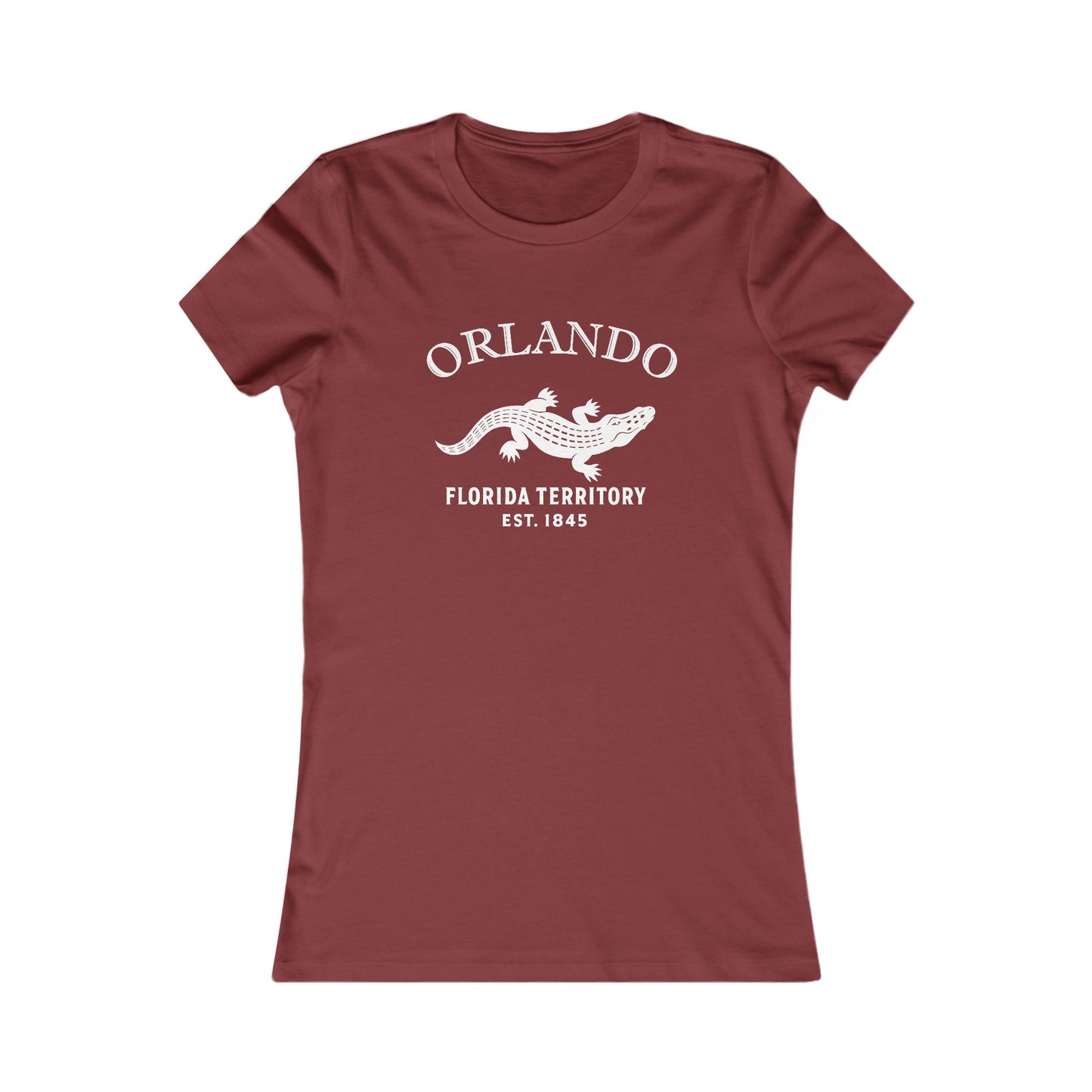
Today "Orlando" means the world to travelers, but its oldest identities are the quiet ones: a lake-dotted City Beautiful with swans on the water and orange country at its back, and a tree-shaded Winter Park two miles north where a jeweler's rescued light still burns. Our Orlando designs gather that heritage — the gator-and-1845 emblem, Lake Eola, and the citrus Golden Era — into wearable form, with a proud nod to the whole greater-Orlando story. Wear the history, and carry a little of it home.
Why People Visit Greater Orlando
The world comes to Orlando for its attractions, but its enduring charm is everything around them: lakes, oaks, swans, and a citrus-country past in the city itself, and a Winter Park two miles north that holds the finest Tiffany glass on earth. Visitors who slow down find gardens, historic downtown streets, lakefront paths, and a rescued palace's worth of colored light — a whole greater Orlando that feels a world away from the crowds.
