



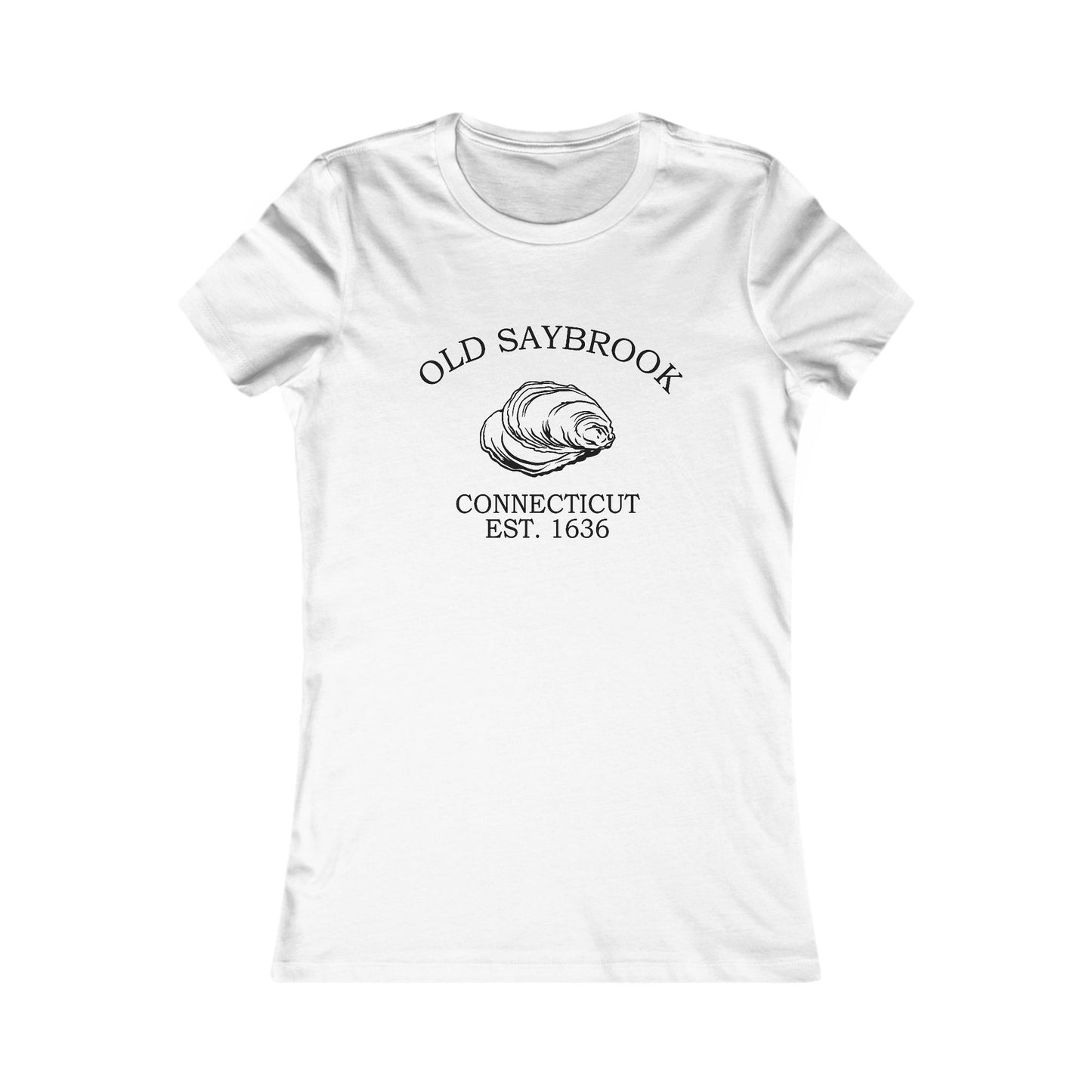
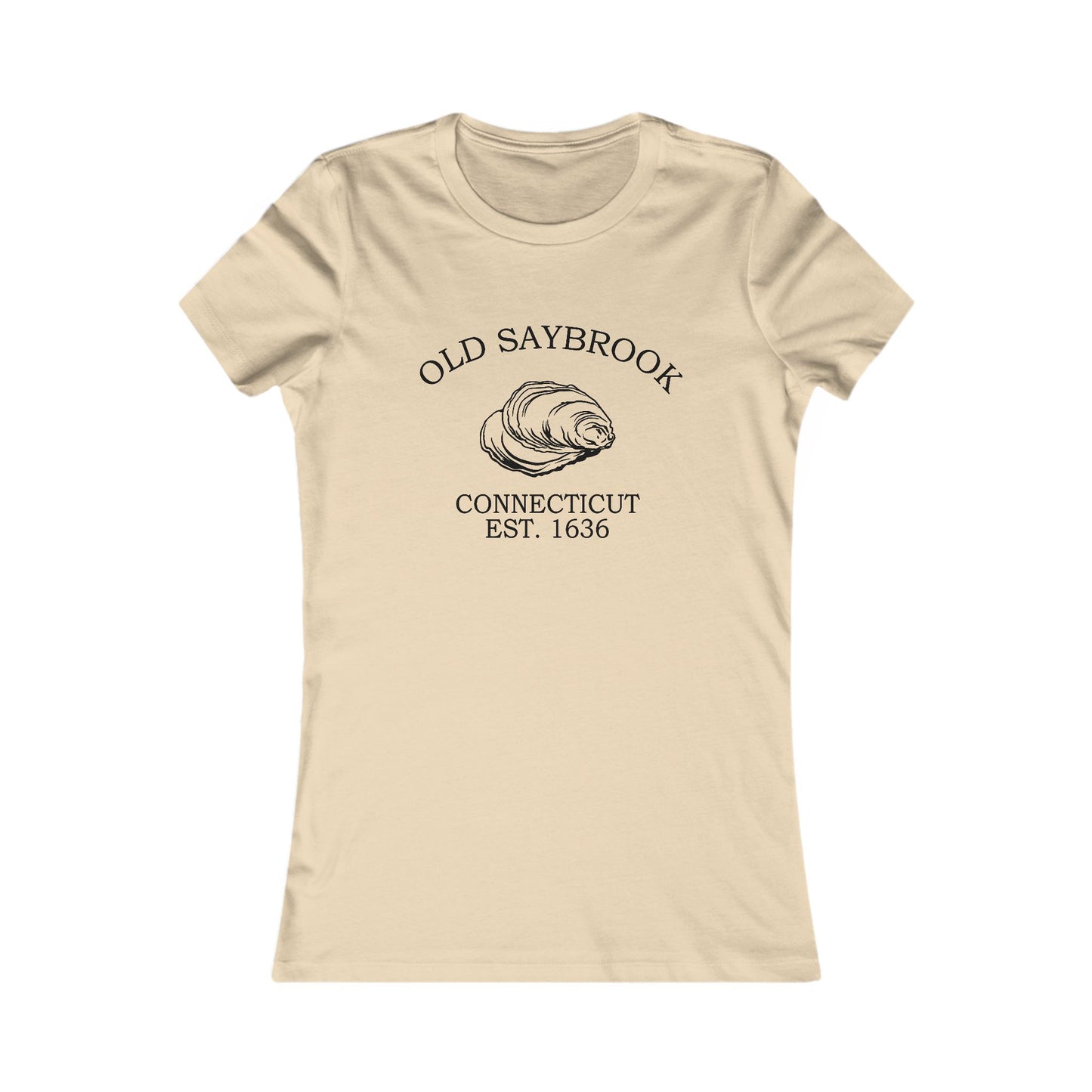

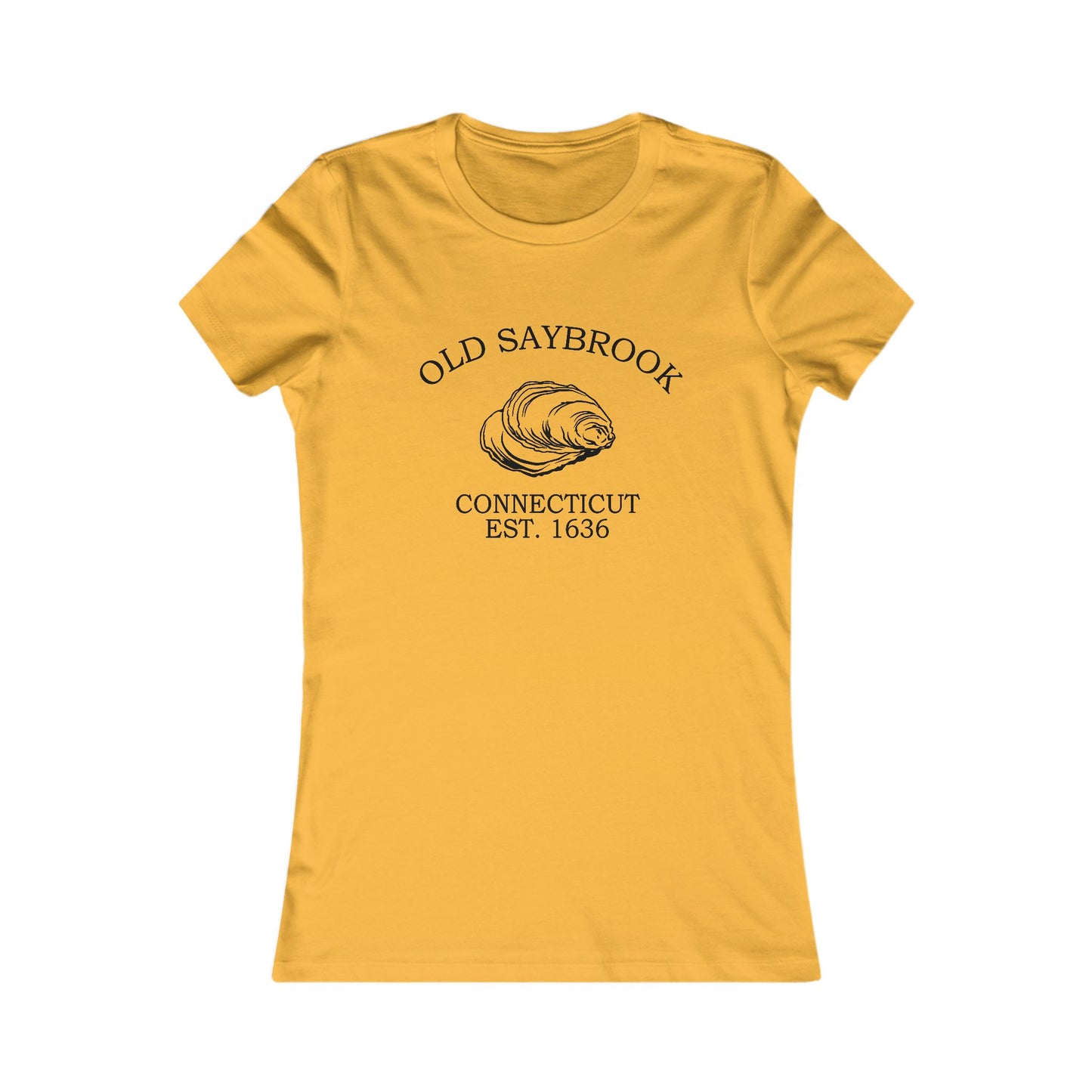
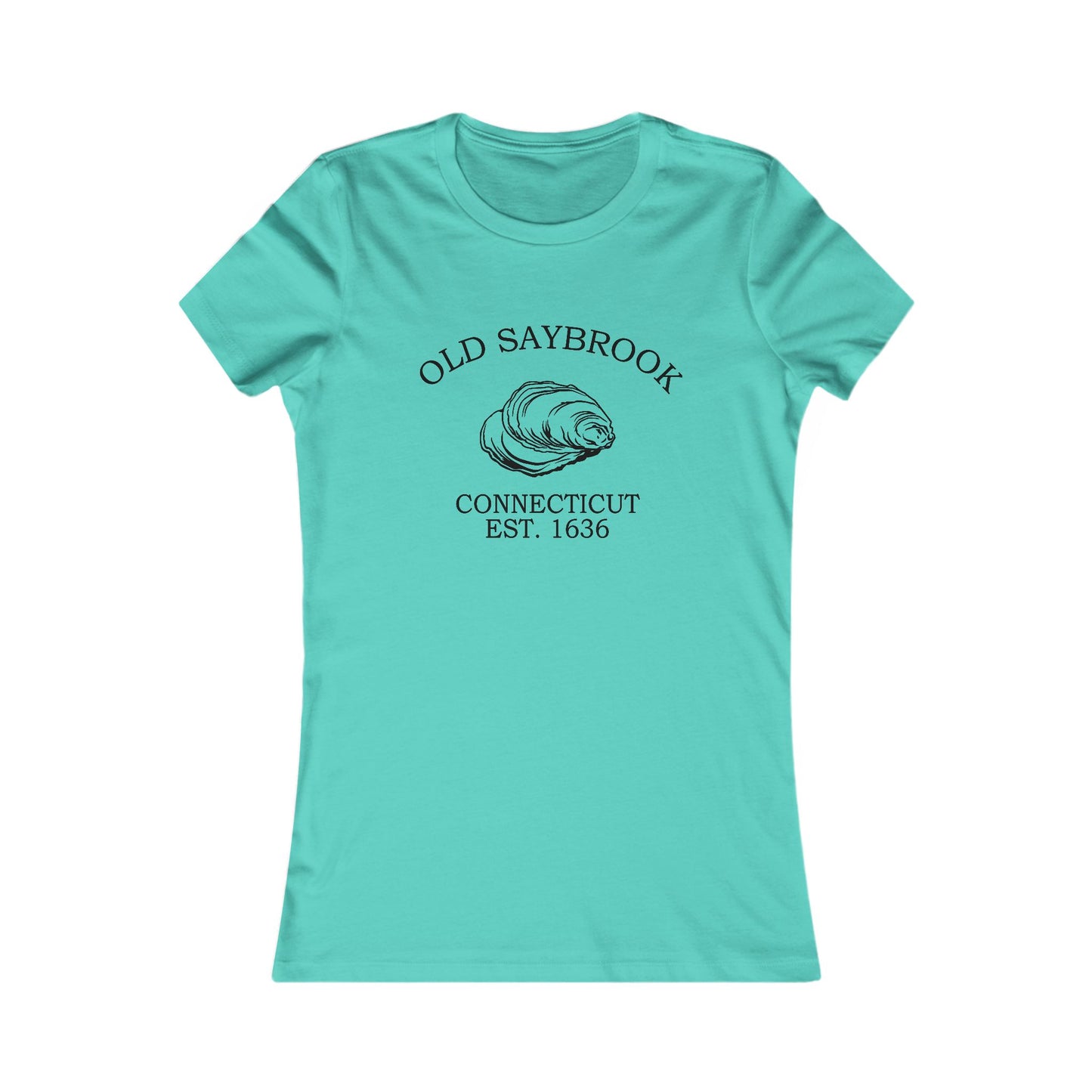
Old Saybrook, founded in 1635, was one of Connecticut's earliest English settlements. Indigenous peoples lived along the Connecticut River long before, fishing and farming in fertile marshes. Colonists built forts, farms, and wharves, enduring hardship and raids. Its location at the river's mouth made it strategically important for trade and defense. Old Saybrook's founding identity reflects resilience, maritime abundance, and colonial ambition. The town's roots highlight Connecticut's shoreline story: Indigenous presence blending with colonial determination. Early life demanded toughness and pride, establishing Old Saybrook as a community defined by resilience and cultural continuity across centuries.
Old Saybrook's lore includes Revolutionary War raids, myths of pirates hiding treasure, and storms testing resilience. Families recall summer parades, clambakes, and fairs in the 1950s. Residents remembered oyster harvests, boating, and suburban celebrations. Myths and memories together highlight Old Saybrook's layered identity: colonial port and suburban town. Lore reflects resilience and pride, blending myth and fact. These stories show how community traditions endured while suburban growth advanced. Old Saybrook's tales demonstrate continuity and adaptability, ensuring shoreline heritage remained strong. Its lore reflects Connecticut's cultural strength, emphasizing resilience, heritage, and authenticity across centuries of community pride.
Why People Visit Old Saybrook Connecticut
Old Saybrook balances four centuries of colonial heritage with simple seaside walks. Visitors enjoy lighthouse views, marsh boardwalks, and quiet beaches at the mouth of New England's longest river. It is coastal, welcoming, and steeped in local pride. Travelers find year-round appeal in parks, paths, and the historic Main Street district. The setting combines natural beauty with accessible neighborhoods and landmarks. History and everyday culture sit side by side in a welcoming way.
