


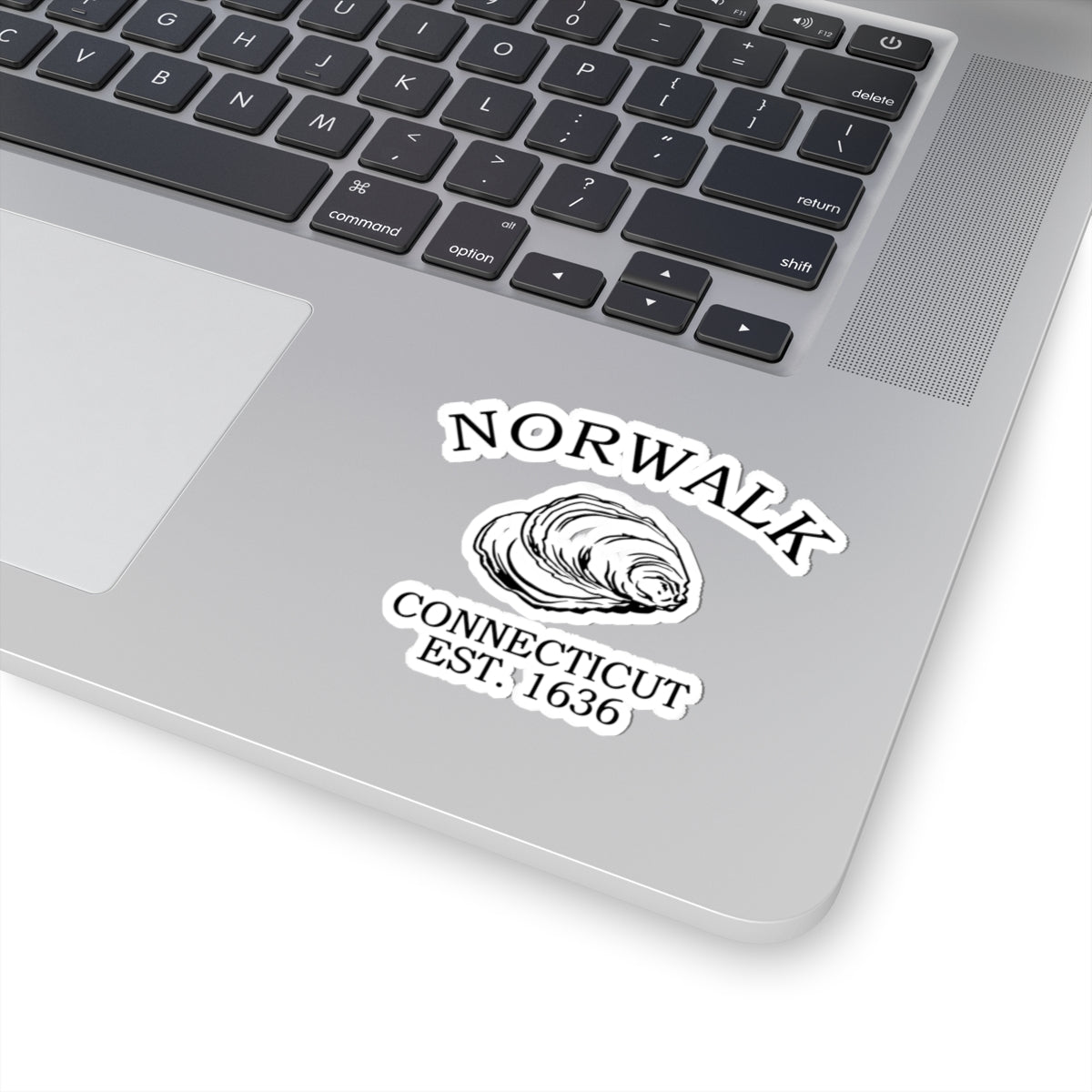
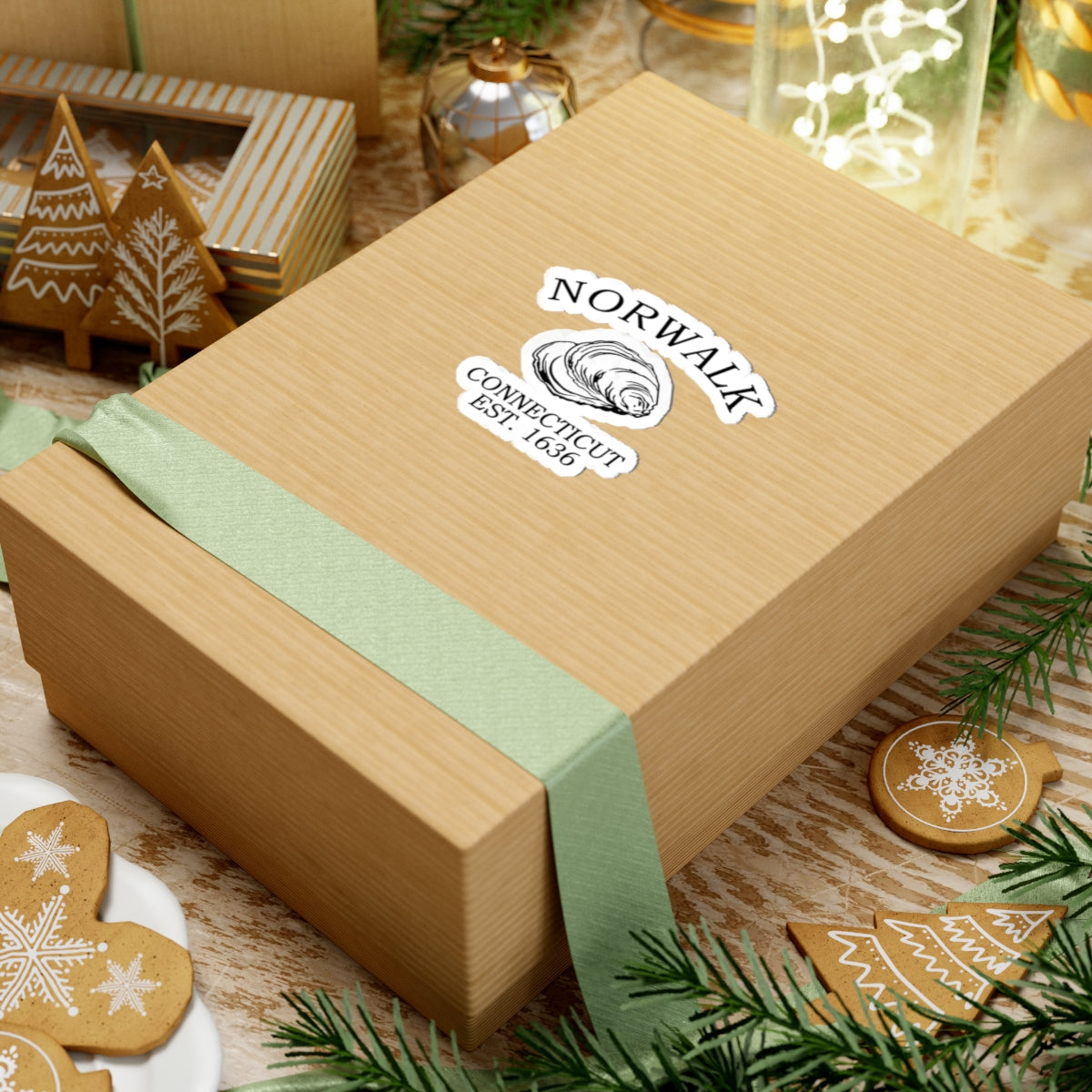
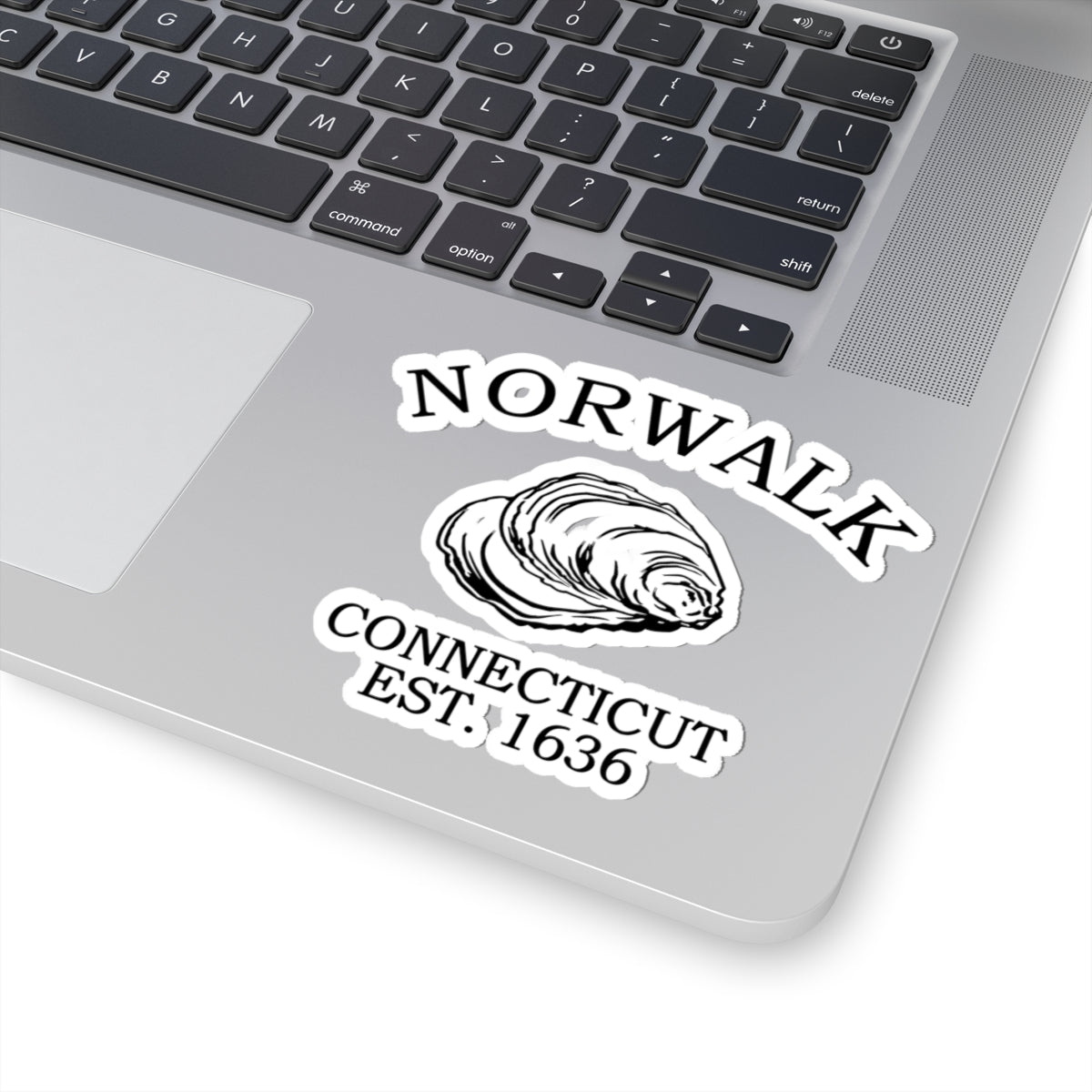
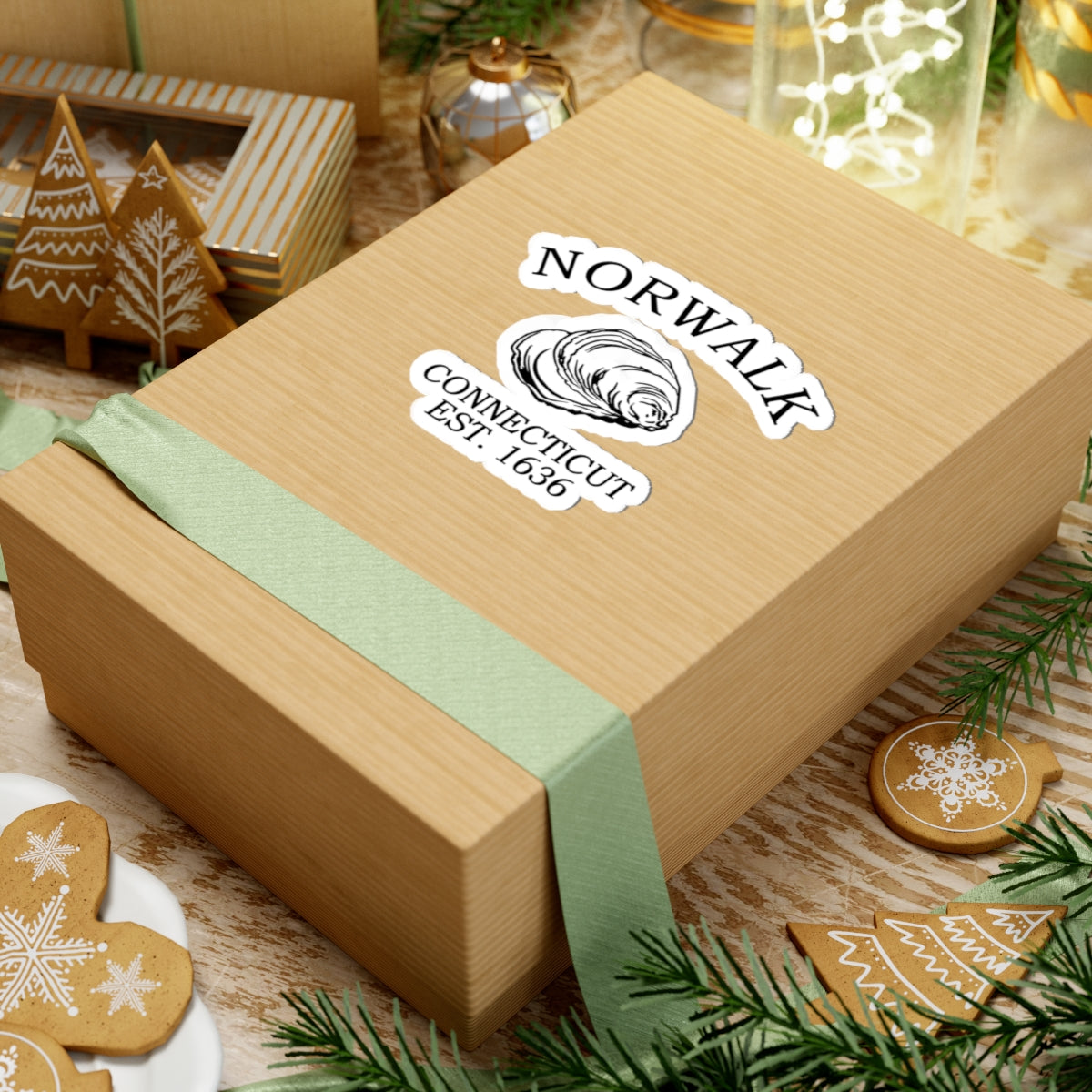

Our Norwalk retro logo uses the Connecticut shoreline oyster shell motif, symbolizing resilience, abundance, and shoreline pride. The oyster reflects maritime identity and Norwalk's long history of supplying the New York oyster trade, while "1640" ties the design to the colonial founding of Norwalk on the harbor. Its black-and-white styling is retro, resembling oyster crate labels and seaside signage. The motif bridges Norwalk's dual identity: colonial maritime hub and suburban community. On merchandise, it conveys authenticity and resilience, retro vintage in tone. The oyster shell emblem honors Norwalk's layered heritage, making it a vintage symbol of Connecticut shoreline pride. Retro in style, it reflects resilience, heritage, and authenticity, perfectly suited for cultural tradition.
Norwalk prospered in the eighteenth and nineteenth centuries on shipbuilding, oystering, hatmaking, and trade. The Revolutionary War brought devastation on July 11, 1779 when General William Tryon's British force burned much of the town, but rebuilding demonstrated resilience. By the 1950s and 1960s, Norwalk balanced industry, suburban neighborhoods, and cultural festivals. Its timeline reflects Connecticut's adaptability: colonial heritage transforming into suburban hub. Mid-century decades highlighted optimism, fairs, and suburban expansion. Norwalk's story mirrors Connecticut's broader heritage: continuity through hardship. The city thrived as both industrial center and suburban town, embodying resilience, cultural pride, and community optimism across generations.
Why People Visit Norwalk Connecticut
Norwalk offers an authentic working harbor, one of America's earliest Gilded Age mansions, a major aquarium, an annual oyster festival, an offshore island ferry to an 1868 lighthouse, and a nineteenth-century industrial waterfront reborn as a historic district. Visitors come for the SoNo galleries and restaurants, the Maritime Aquarium with its harbor seals and Sound-habitat exhibits, the Lockwood-Mathews Mansion and its preserved Second Empire interiors, the September Oyster Festival, the Sheffield Island ferry, and the simple shoreline pleasures of Calf Pasture Beach. It is a Connecticut shoreline city built on the harbor, the hat, and the oyster, with all three still visible if you know where to look.
