

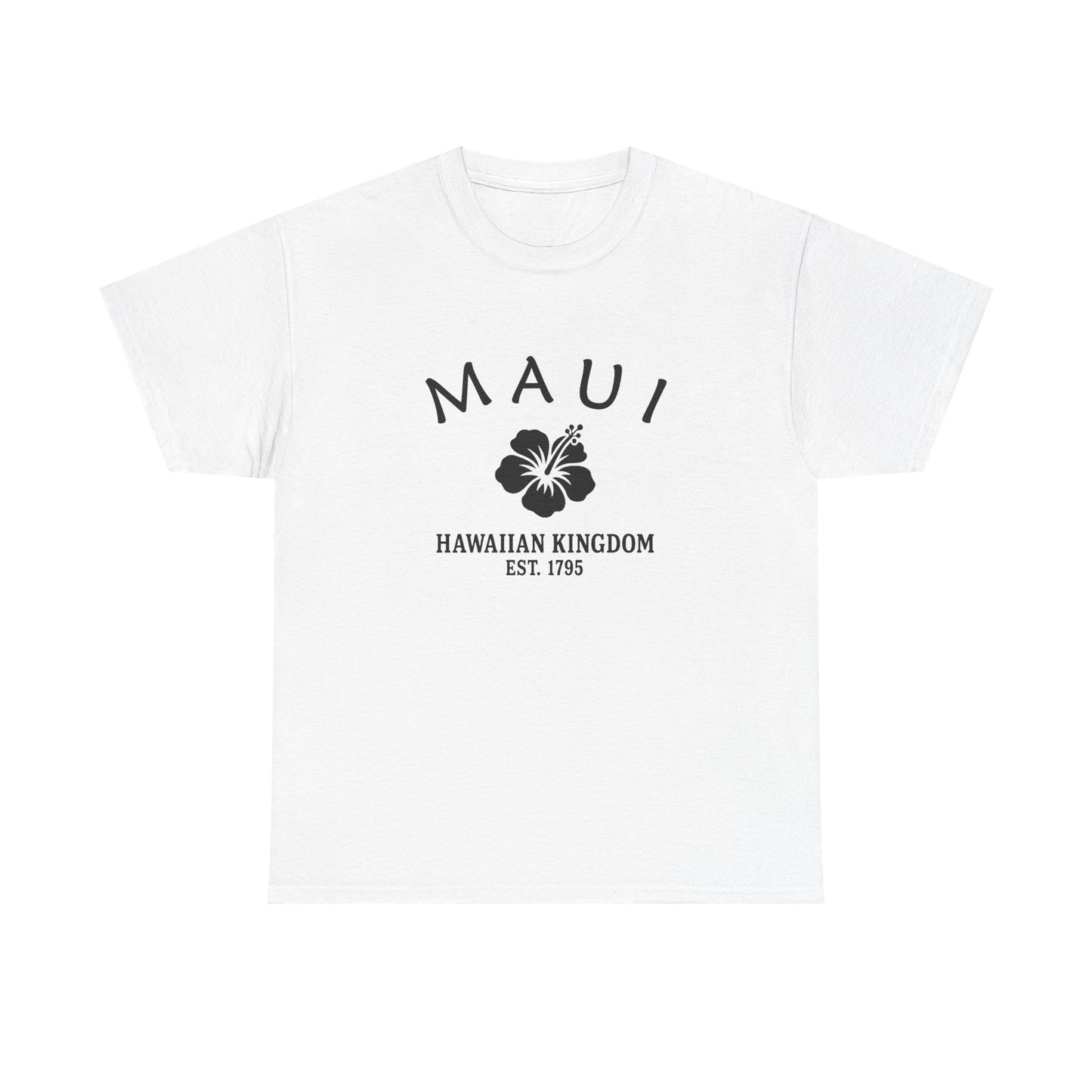


Today Maui is known the world over for its landscape. The Road to Hāna threads the rainforest coast past waterfalls and sea cliffs; ʻĪao Valley rises green and sudden behind Wailuku; humpback whales fill the channel each winter; and Haleakalā stands over it all. It is a place that asks to be treated as more than scenery — a living Hawaiian home with a deep past — and that is how it rewards the people who come to it with respect: the Valley Isle, between two volcanoes, ringed by the Pacific.
Maui County and Fukuyama, Japan have been formal sister cities since 2008, one of a family of sister-city ties reaching across Japan, Korea, and the wider Pacific.
Why People Visit Maui
Maui draws visitors for its landscape and its depth — a sacred volcanic summit, a rainforest coast road, a green valley behind the harbor towns, and the Pacific where humpbacks winter — all carried by a living Native Hawaiian culture. People come for Haleakalā, the Road to Hāna, and the beaches, and stay for the quiet of upcountry and the sense of a place with a long memory. It is scenic, storied, and unmistakably Hawaiian.
