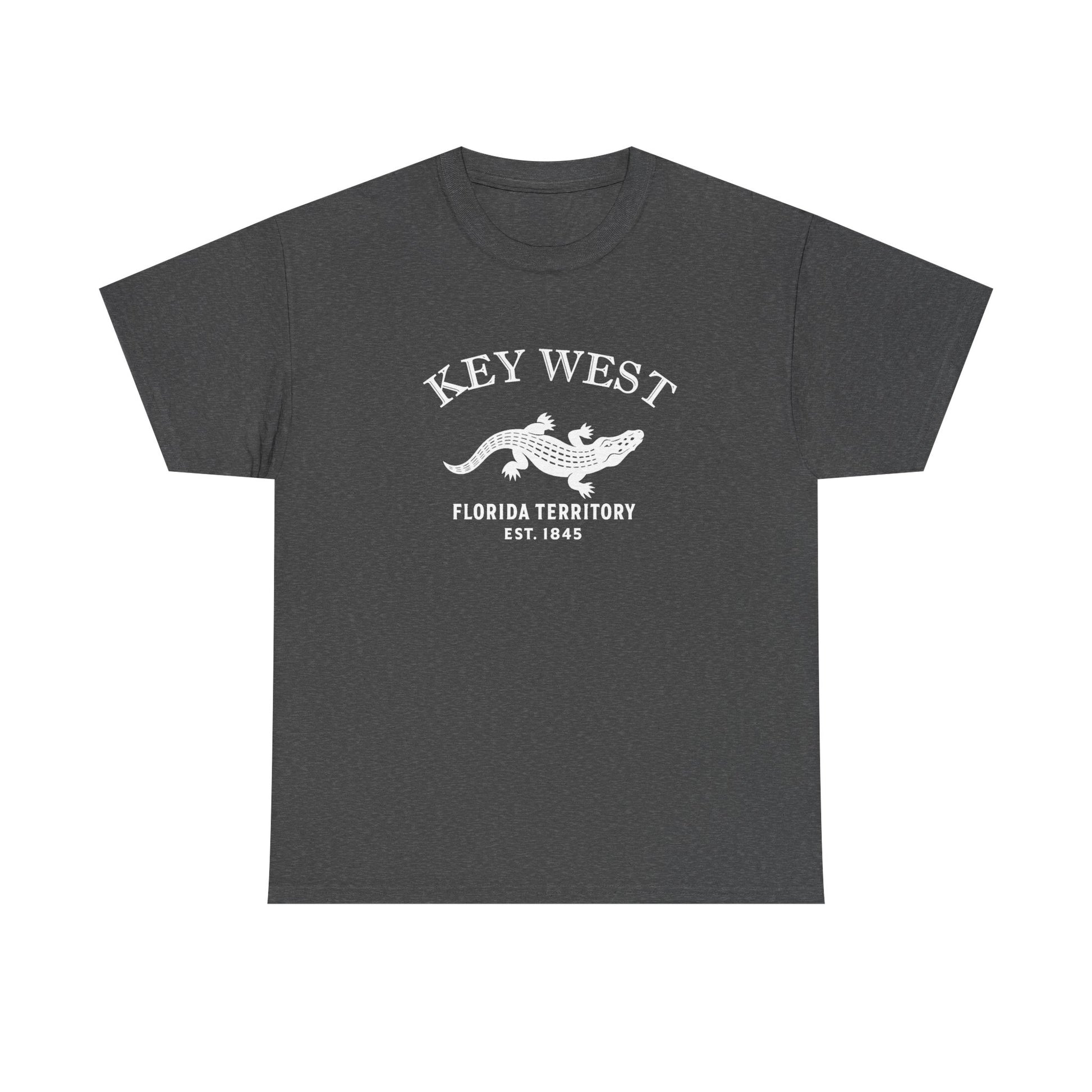
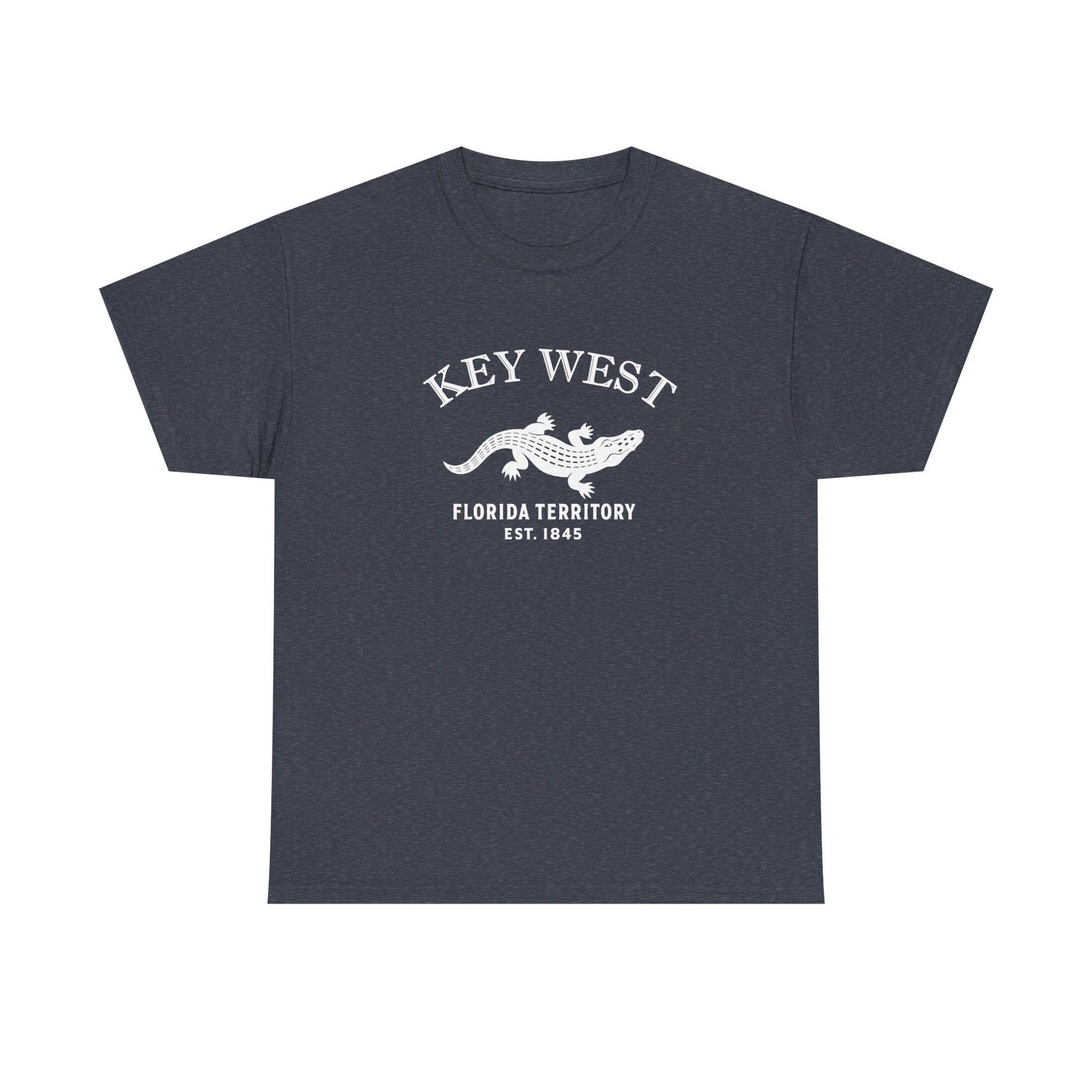
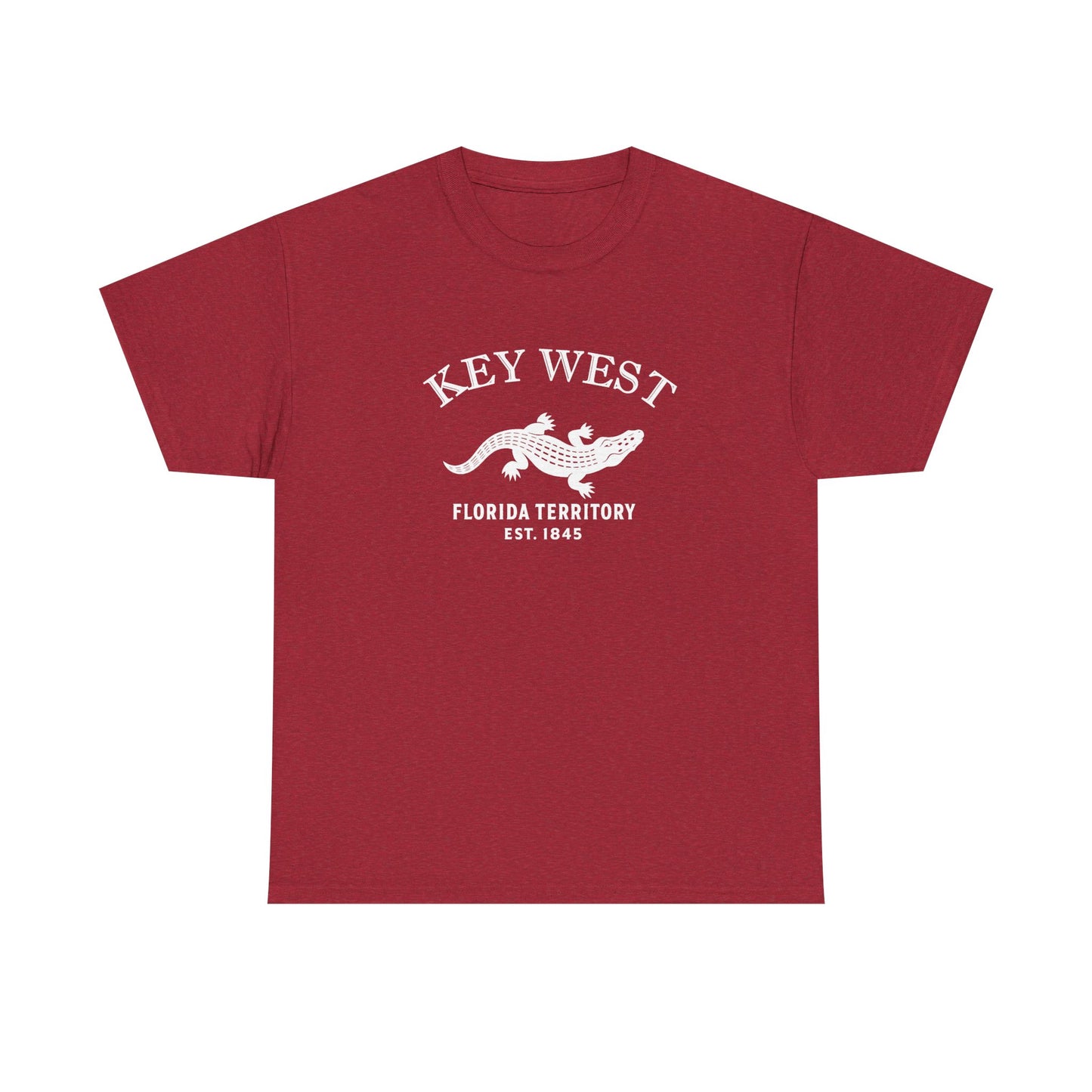
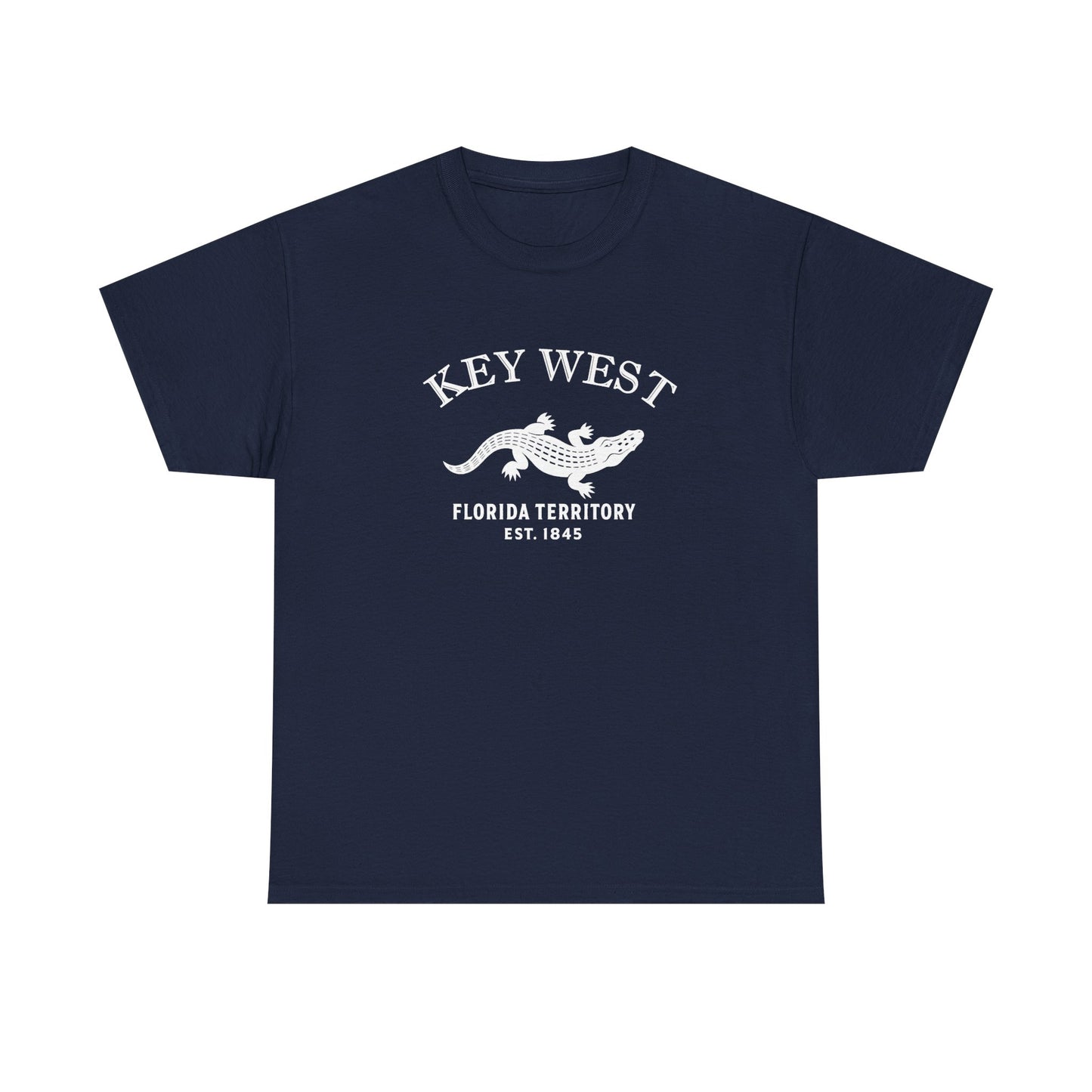
The name is older and stranger. Spanish charts called the island Cayo Hueso — Bone Island — and the story goes that early sailors found it scattered with the bones of a long-ago battle; English tongues turned Cayo Hueso into "Key West." Calusa people and Cuban and Bahamian fishermen worked these waters long before. In 1822, a year after Florida passed to the United States, John Simonton bought the island, the U.S. Navy raised its flag under Lieutenant Matthew Perry, and a town began at the end of the reef — the southernmost city in the continental United States, ninety miles from Cuba.
Key West is Mile Marker 0 — the end of the road and the start of the Conch Republic, the southernmost city in the country, ninety miles from Cuba, where the wreckers got rich off the reef and the sunset is a nightly event. Our Key West designs gather that into wearable form. Wear the Conch Republic. Wear Mile Marker 0. One Human Family.
Why People Visit Key West
Key West rewards travelers who want history, water, and a freewheeling island culture rather than only a beach — the Southernmost Point, the Conch Republic, the literary and presidential houses, and a compact Old Town you can walk end to end. People come for the sunset at Mallory Square and the bars of Duval, for the Hemingway and Truman landmarks and the wrecking-era treasure, and for an easygoing day at Mile Marker 0 where the Overseas Highway, and the country, finally run out of road.
