


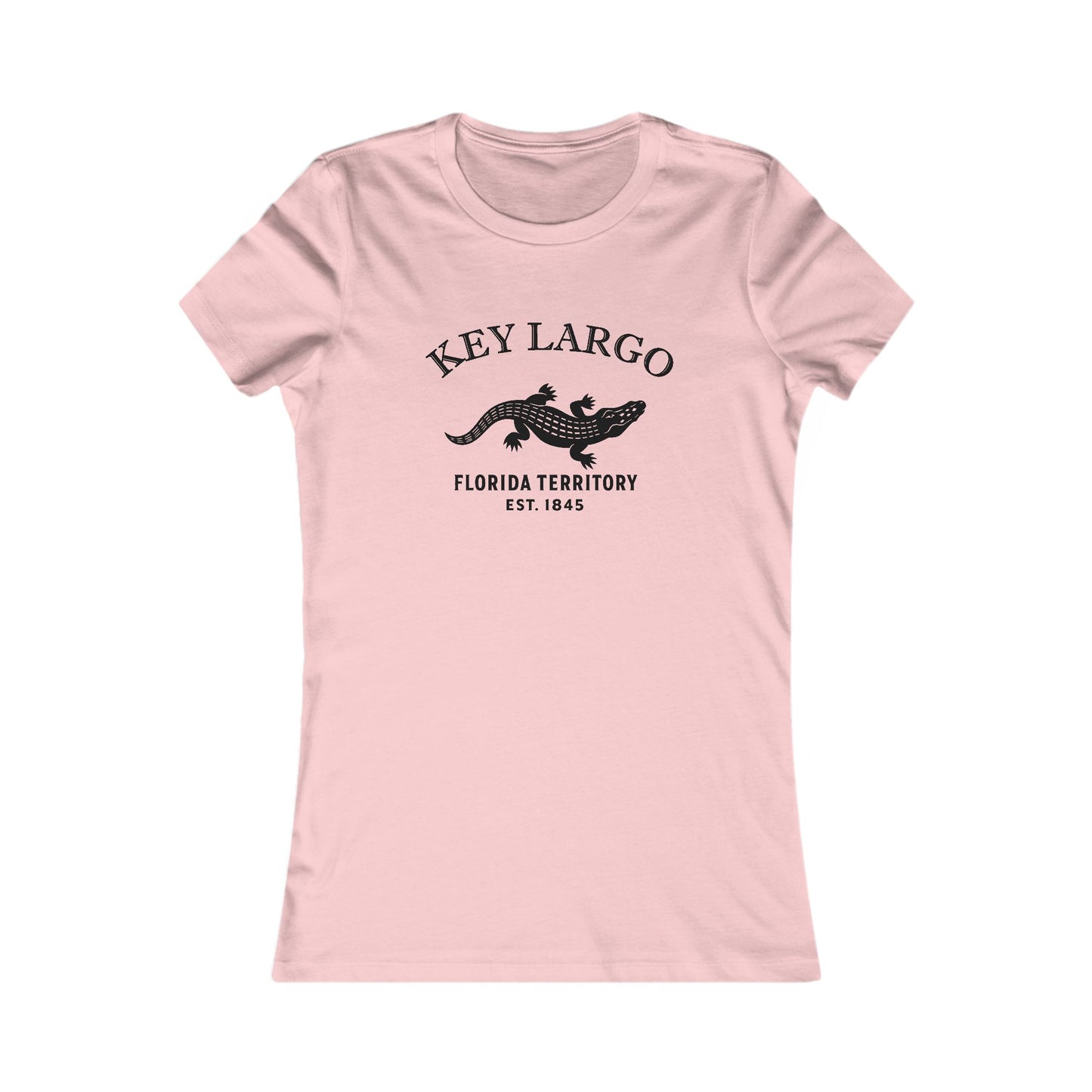
Key Largo, the largest of the Florida Keys, has been inhabited for centuries by Indigenous peoples and later Spanish explorers. Settlers in the nineteenth century farmed pineapples, fished, and endured hurricanes. Its name means “long key” in Spanish. Key Largo’s founding identity reflects resilience in isolation, where storms and distance from the mainland shaped survival. It became known as both a trading outpost and cultural community. Its origins highlight Florida’s duality: cultural pride and storm-tested toughness. Key Largo’s story demonstrates endurance, heritage, and optimism, creating a layered identity central to Florida’s coastal heritage.
Key Largo’s lore includes pirate treasure hidden offshore, storms reshaping the islands, and myths of spirits guiding sailors. Families recall parades, fishing trips, and suburban festivals in the 1950s. Residents remembered neon motels, drive-ins, and tourism growth. Lore reflects resilience, optimism, and cultural pride. These stories highlight Key Largo’s dual identity: storm-tested fishing hub and suburban resort. Myths and facts together illustrate resilience and adaptation, ensuring heritage remained central. Its lore reflects Florida’s broader tradition of survival and celebration, making Key Largo a cultural symbol of coastal pride and resilience across centuries.
Why People Visit Key Largo Florida
Key Largo is the Diving Capital of the World and the first of the Keys: the gateway island where the Overseas Highway begins, home of the first undersea park in the United States, the Christ of the Abyss beneath the reef, the only living coral barrier reef in the continental United States, the historic African Queen steamboat, and the great tropical hardwood hammock of Dagny Johnson. It blends marine parks with quiet waterfront paths — relaxed, sunny, and built around the water. From the 1639 Cayo Largo charts to the Rock Harbor pineapple fields to mile marker 102.5, history and reef sit side by side. First of the Keys. Diving capital. Where the long bright string of islands begins.
