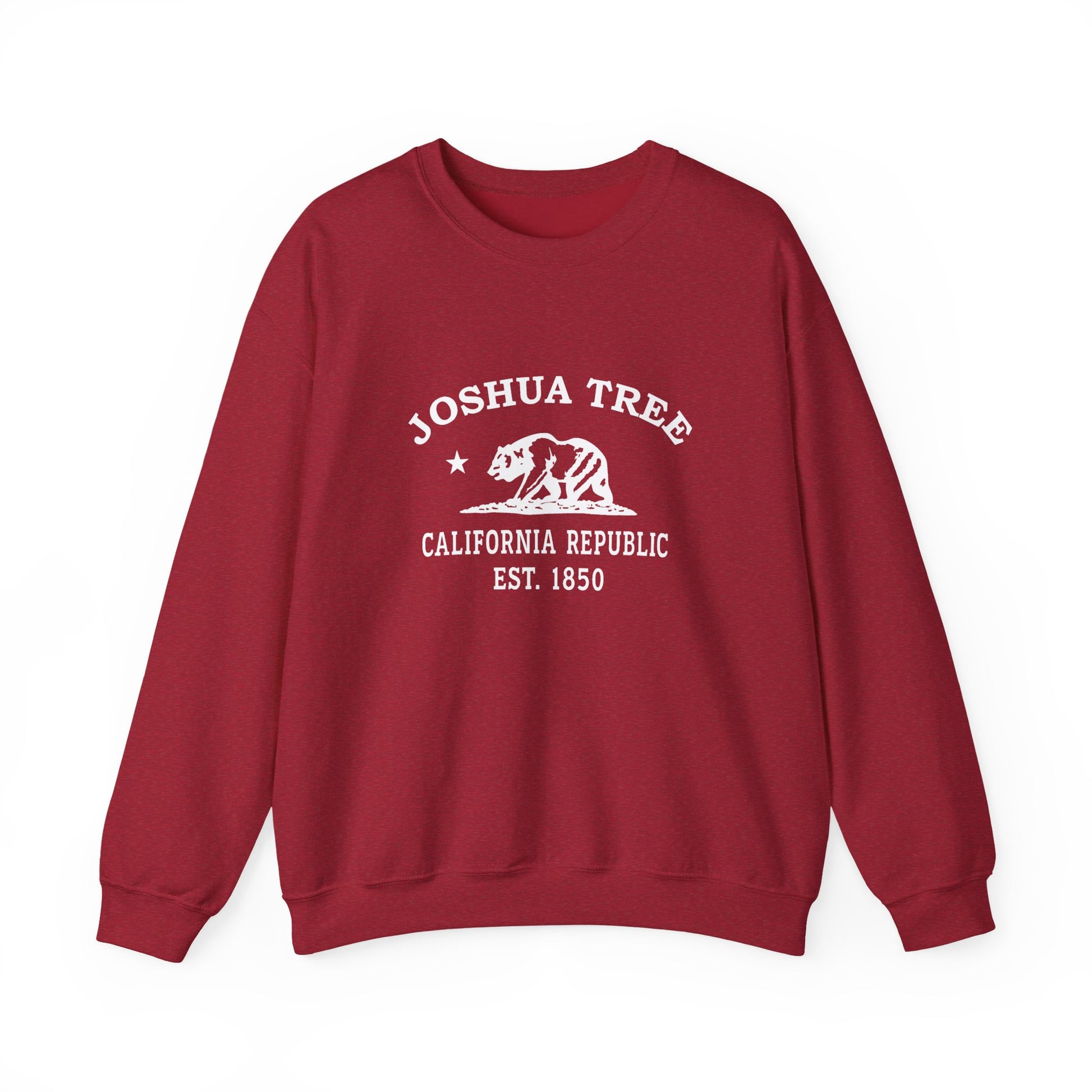
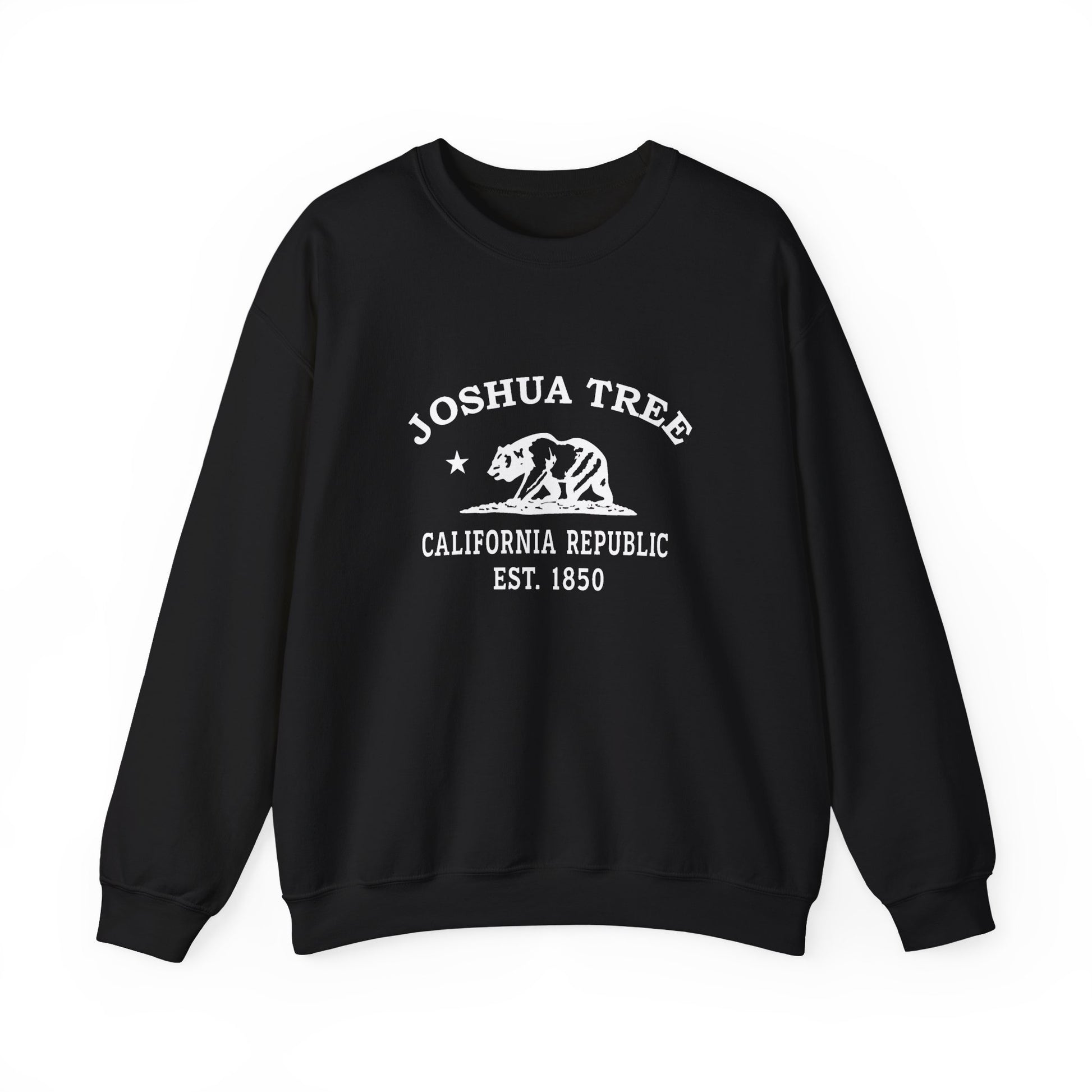
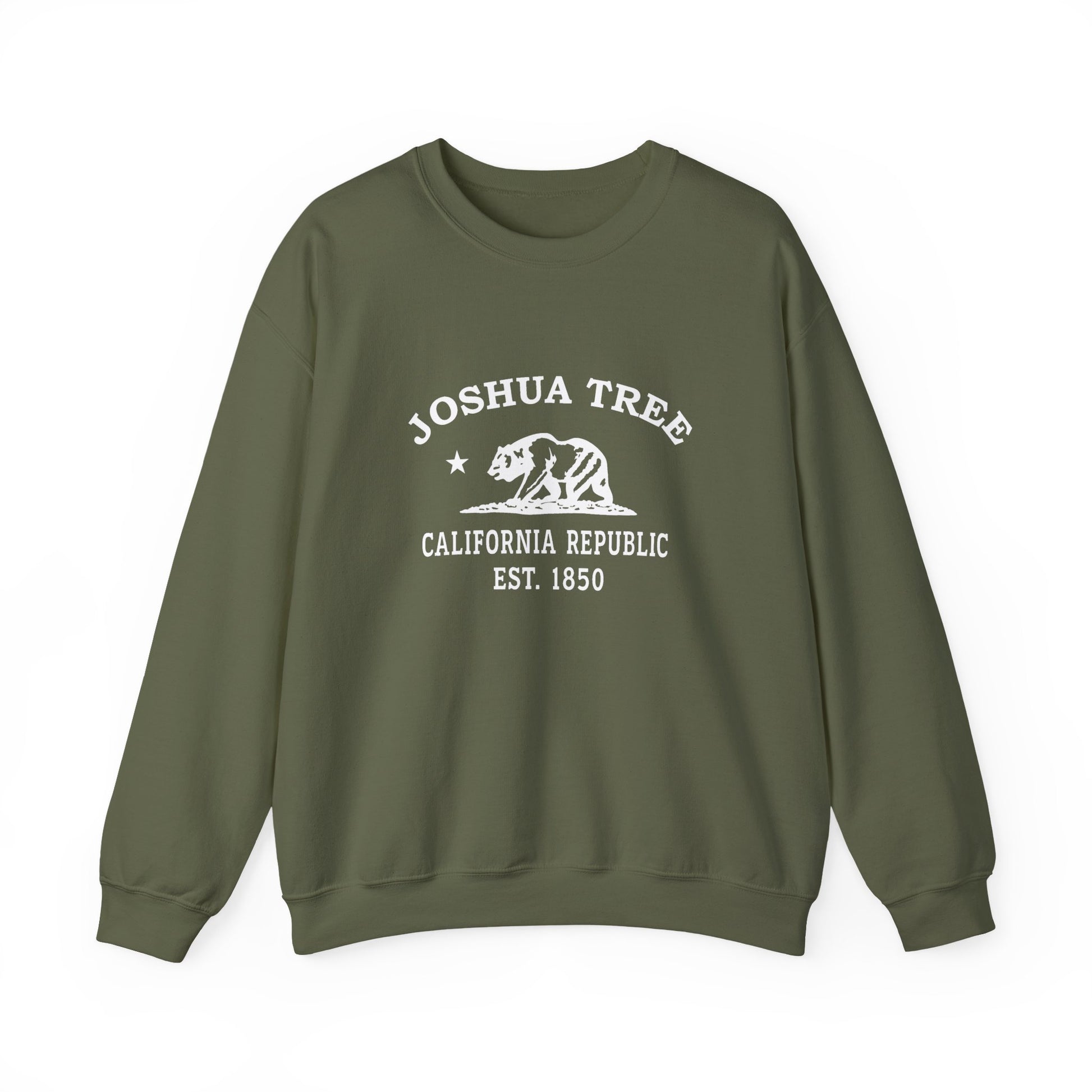
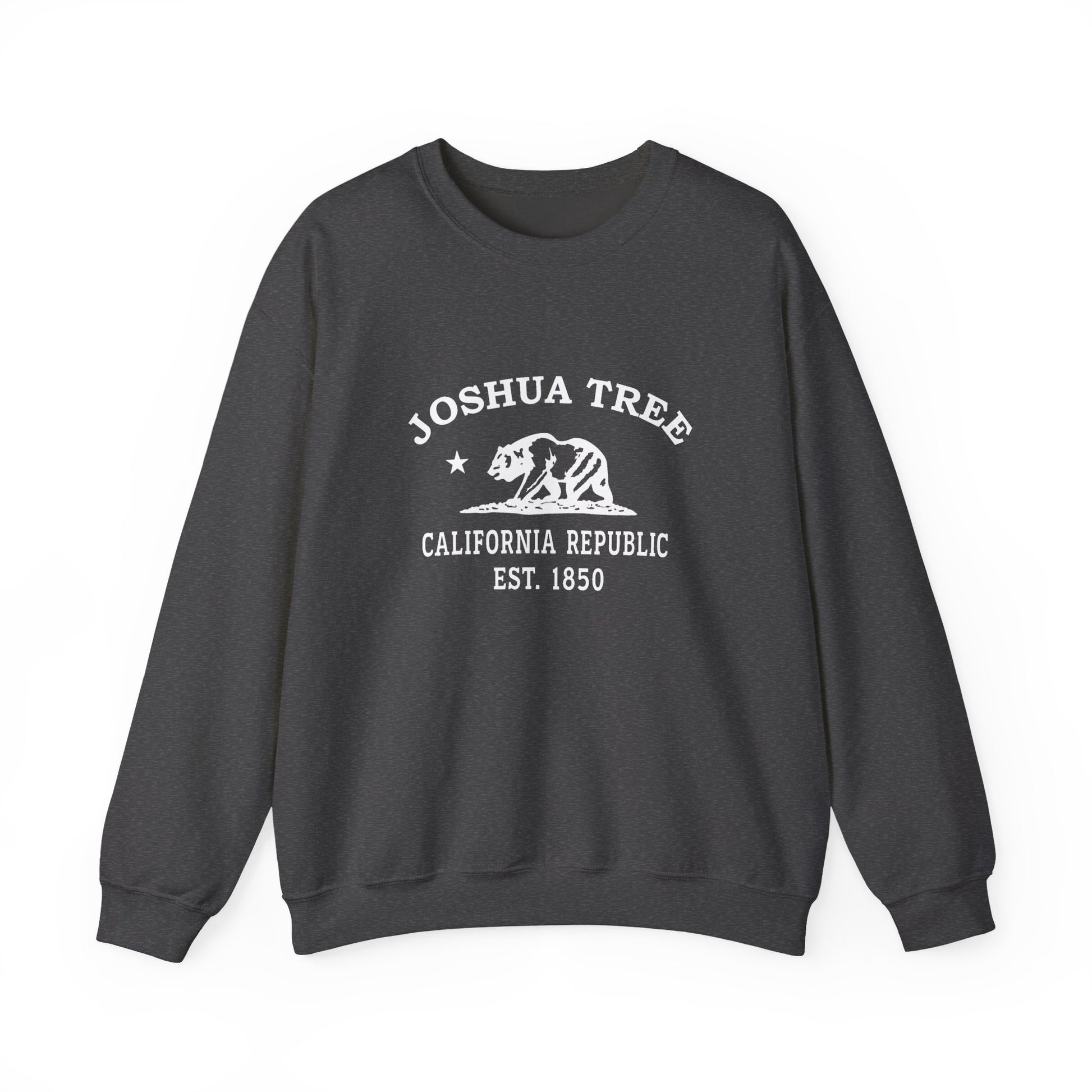
The town itself is young. Prospectors came for gold and silver in the late 1800s — the Lost Horse Mine was the richest — and cattle ranchers like Bill Keys built homesteads at the desert springs. In 1938 the Small Tract Act handed out five-acre parcels, and “jackrabbit homestead” cabins scattered across the flats. Meanwhile a Pasadena conservationist, Minerva Hoyt, had spent years lobbying to protect the desert’s plants; her campaign won Joshua Tree National Monument in 1936, and in 1994 it became a full national park. The town grew up as the gateway at its door.
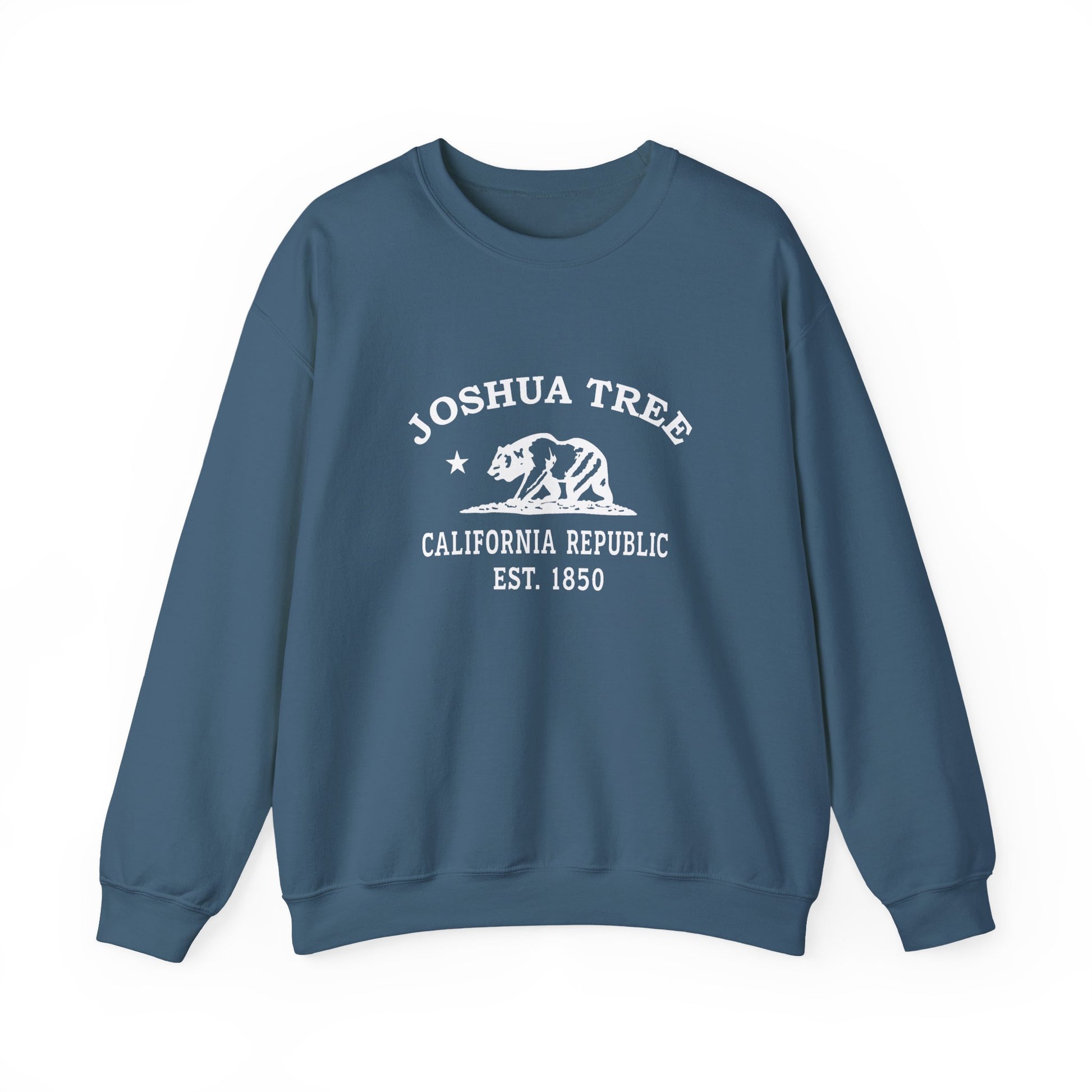
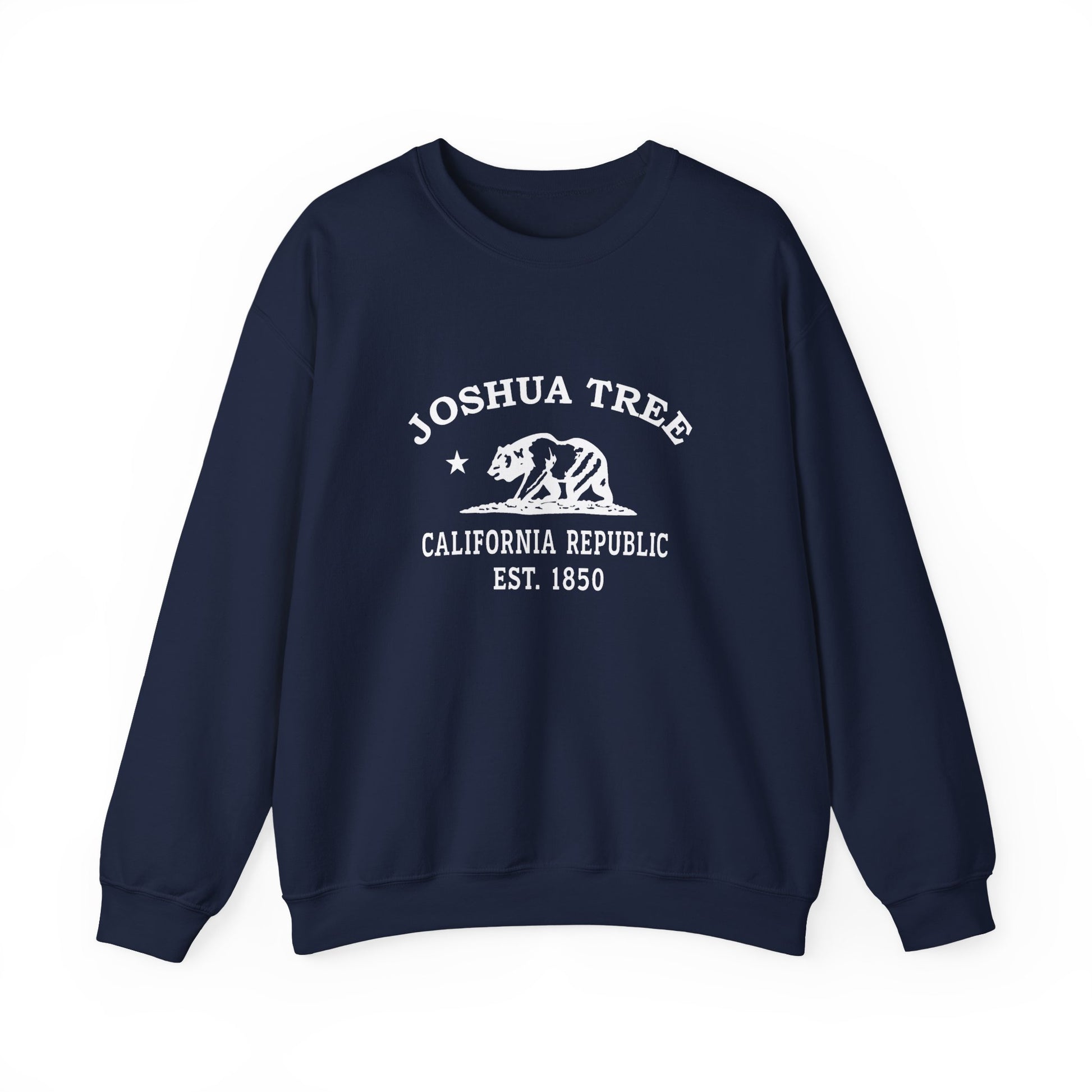
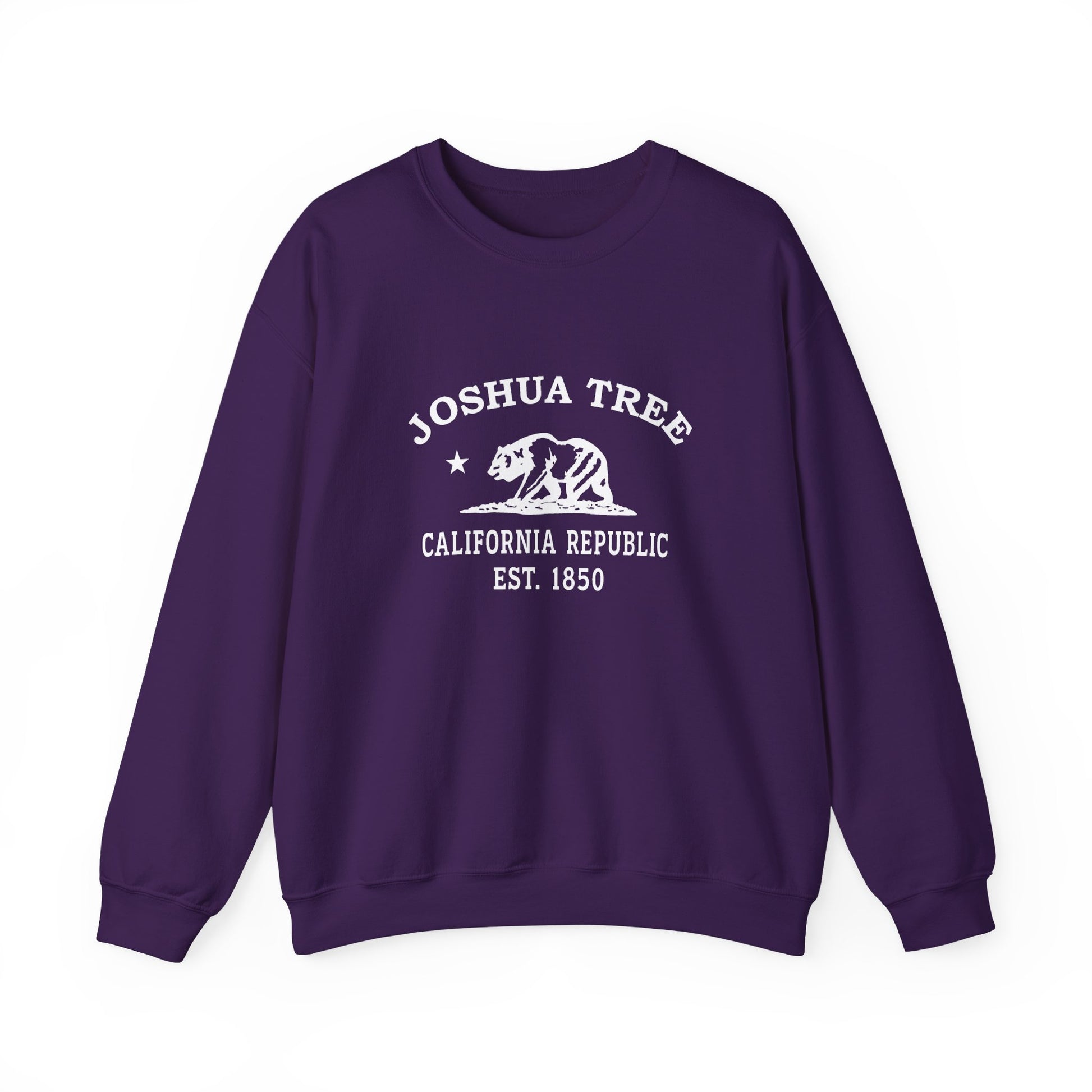
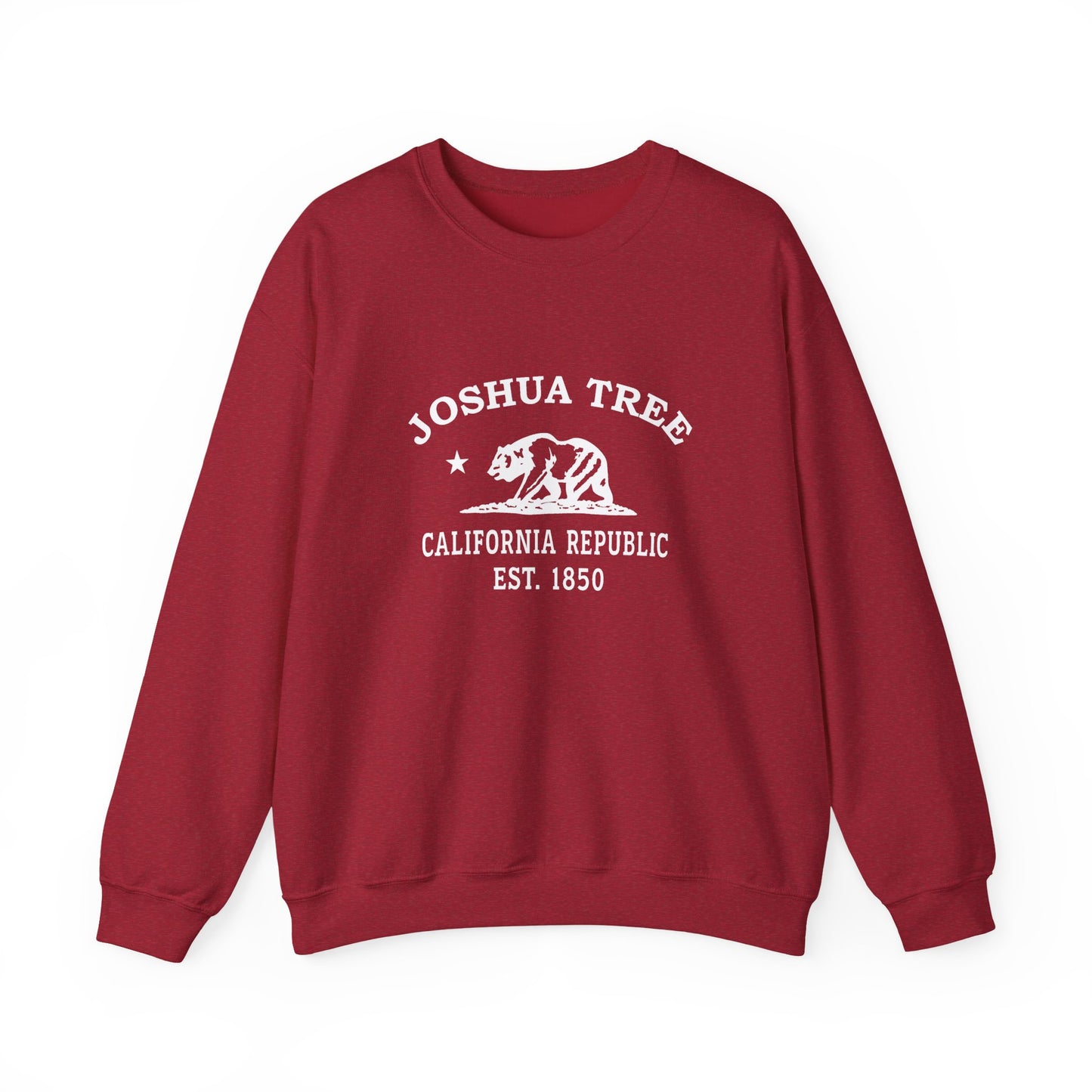
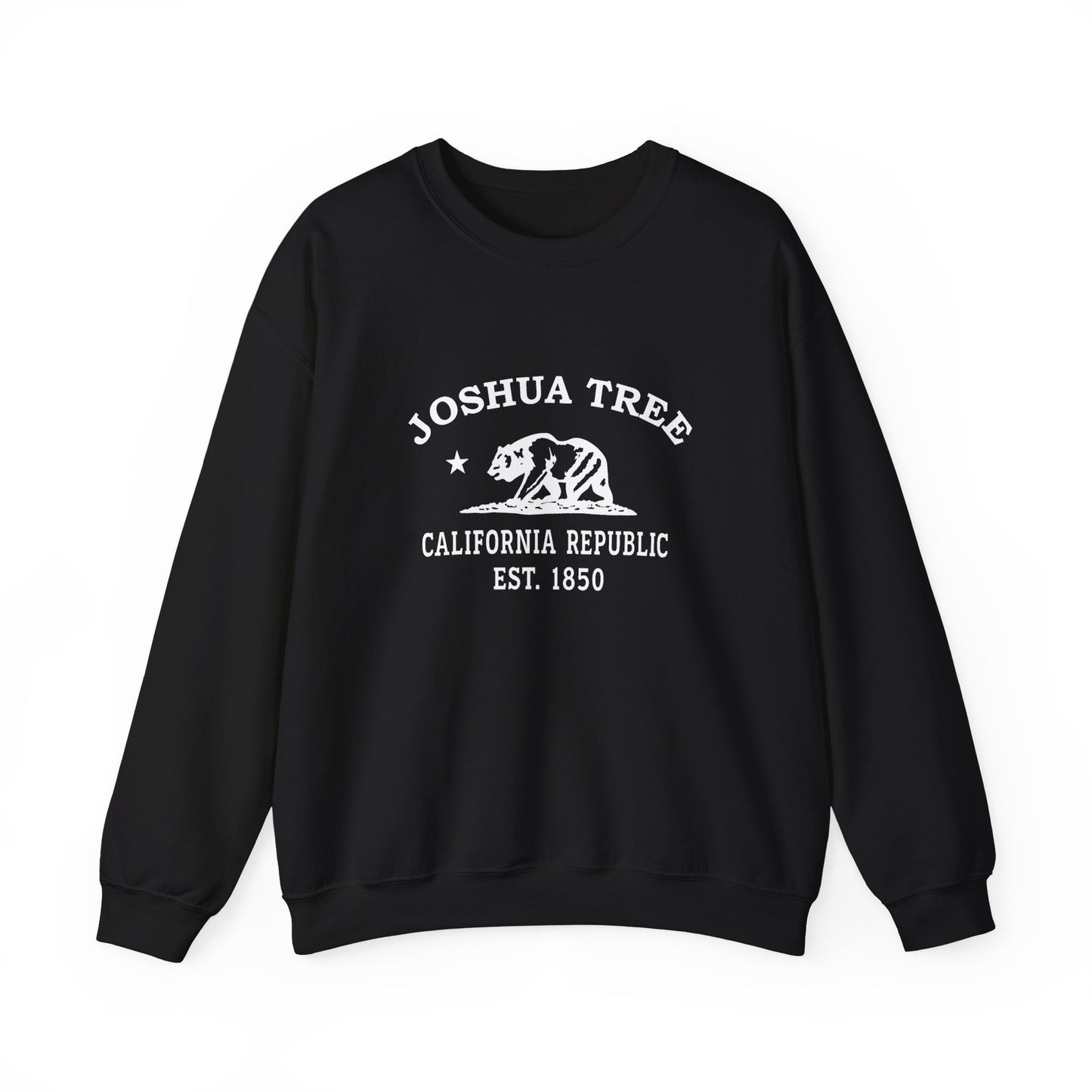
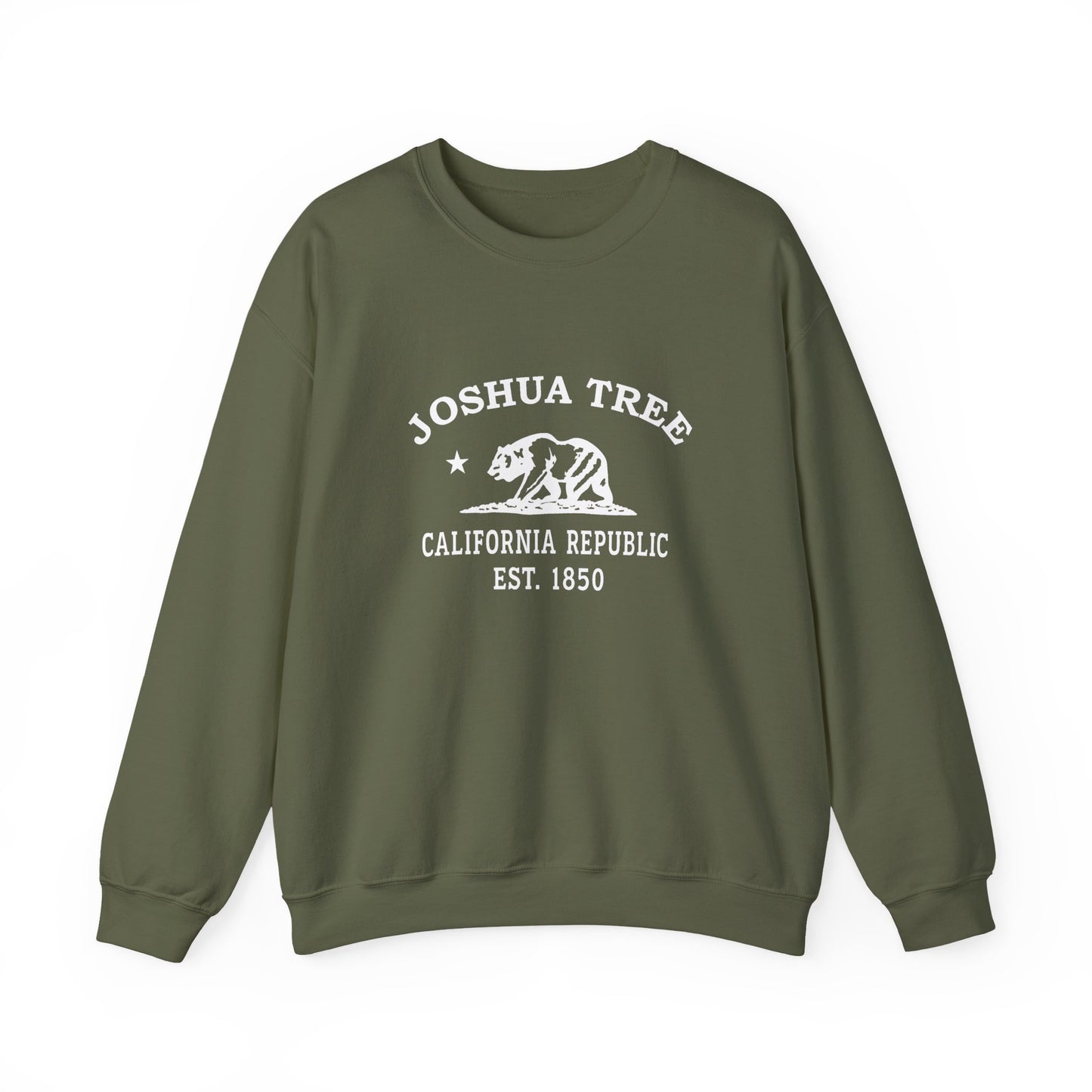
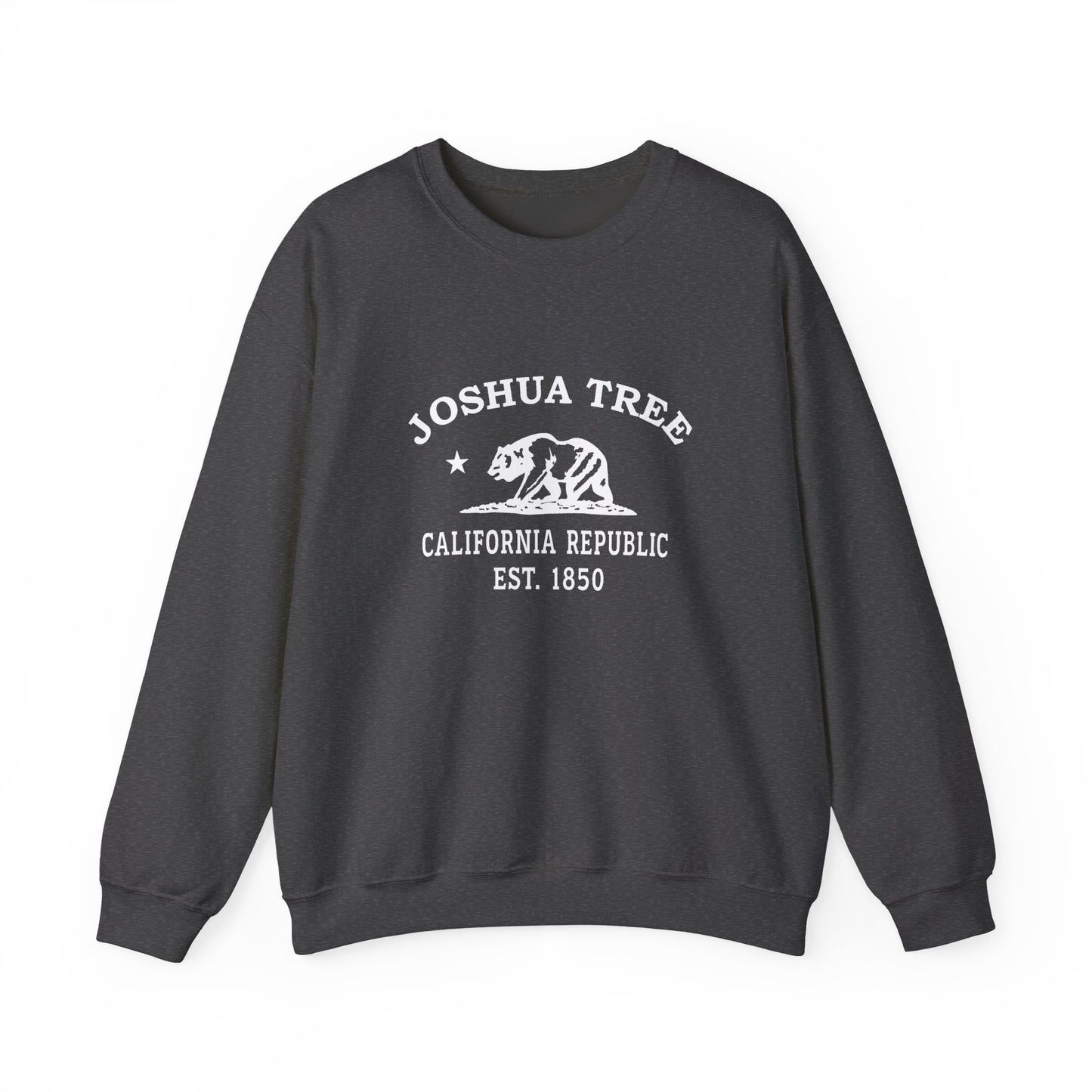
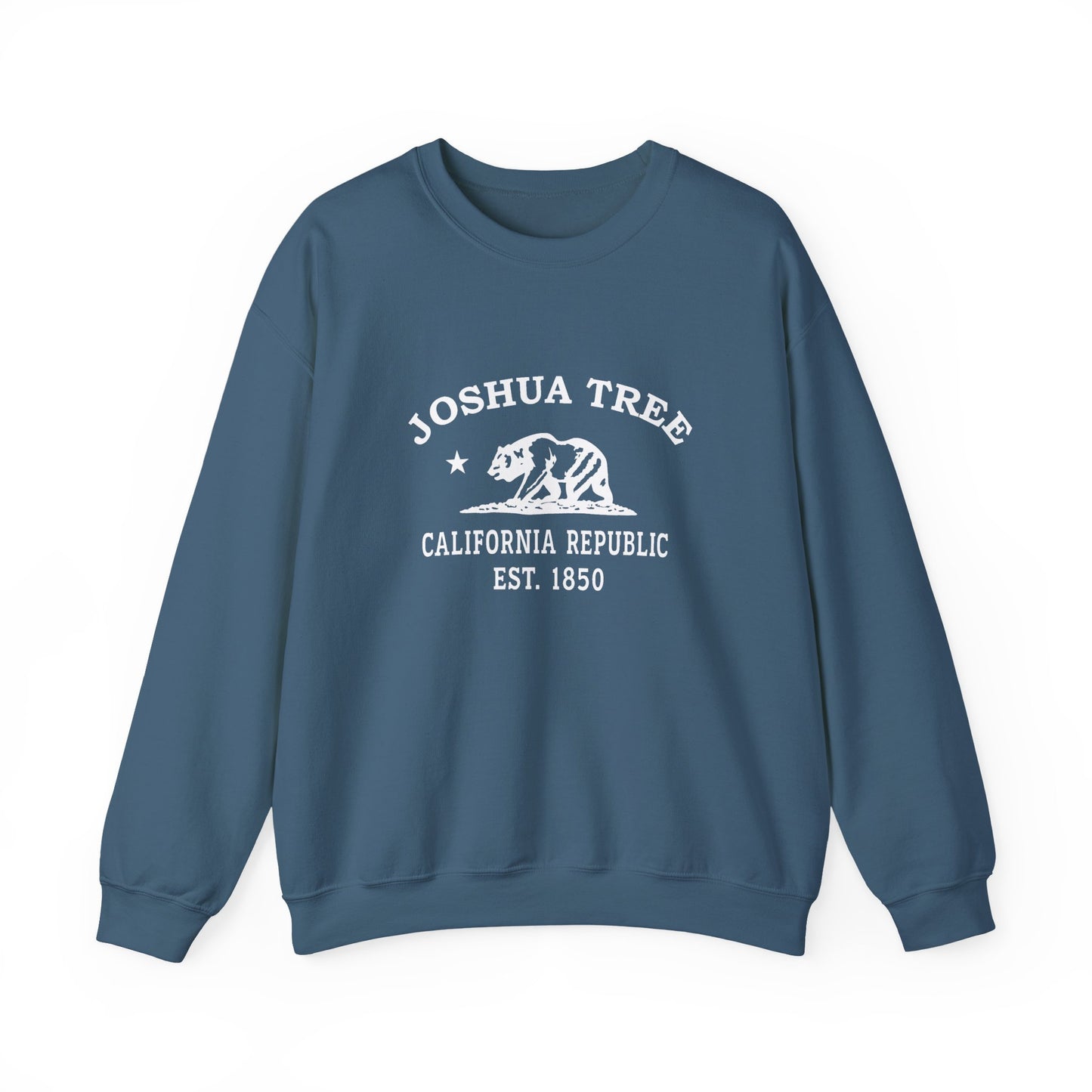
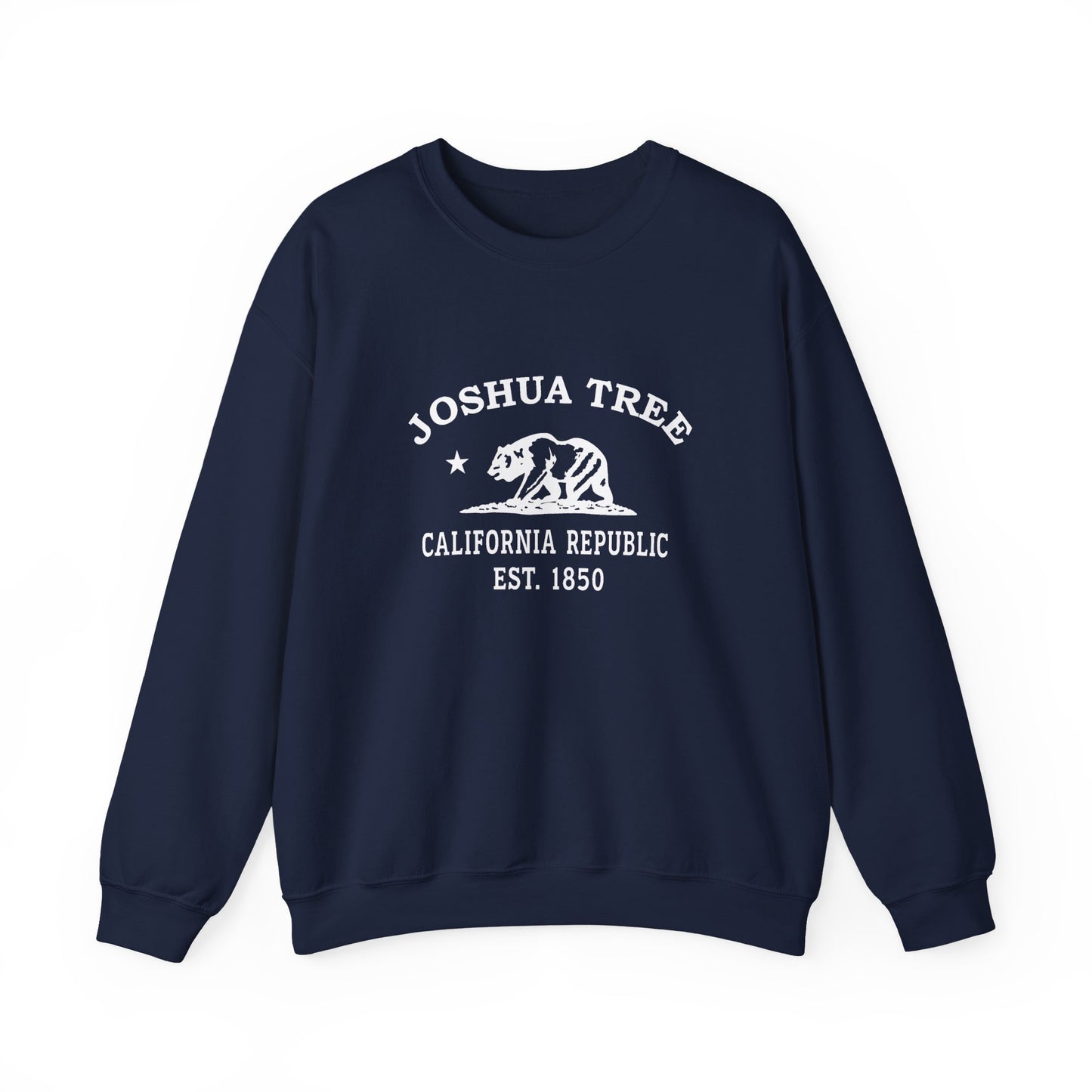
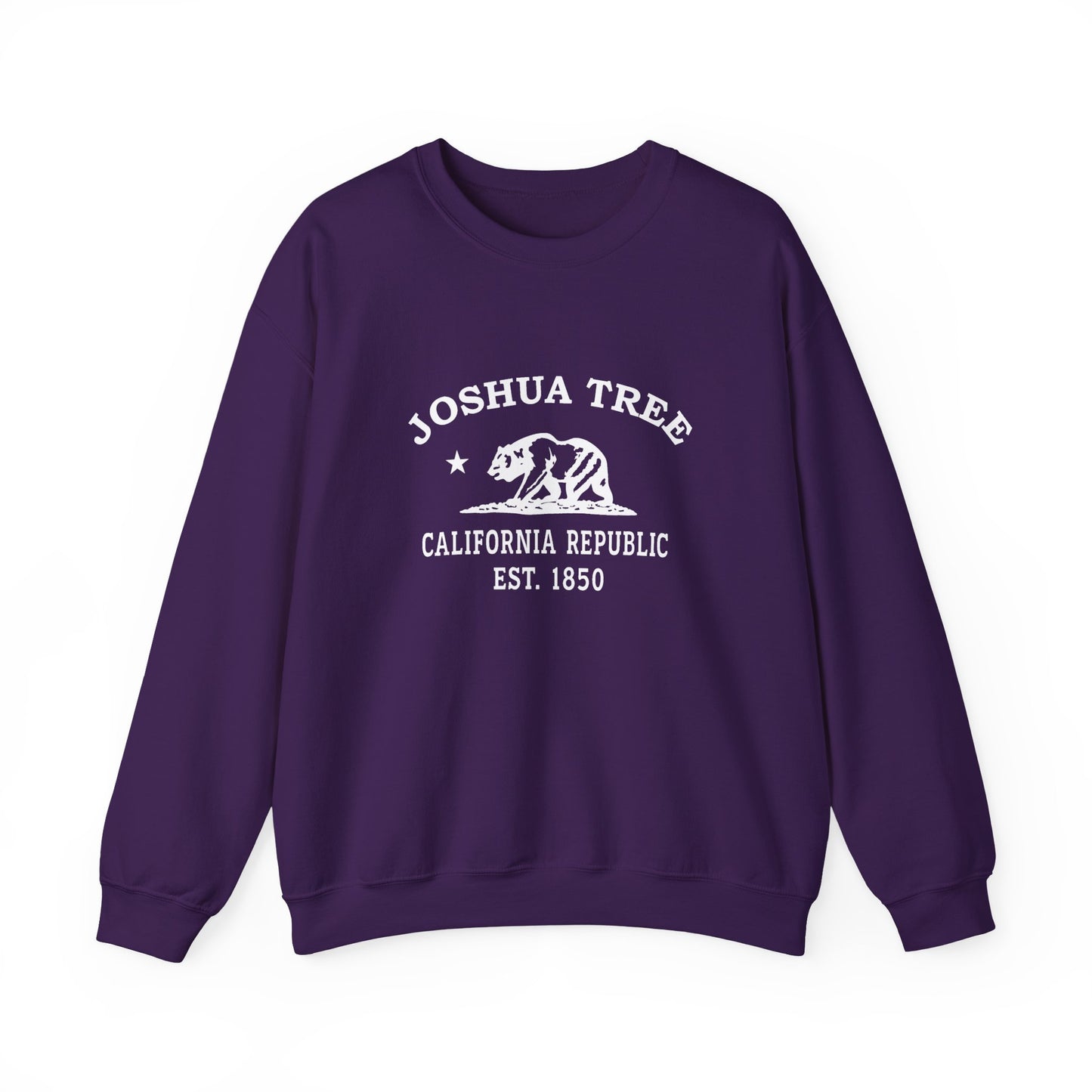
Today Joshua Tree is where the Mojave’s strangest tree reaches for the darkest, starriest sky. Our Joshua Tree designs gather that identity — the bear-and-star emblem, the trees, the boulders, the desert night — into wearable form. Joshua Tree — where two deserts meet under California’s darkest sky.
Why People Visit Joshua Tree
People come for the strangeness: trees out of a storybook, boulders made for scrambling, and a night sky so dark the Milky Way throws shadows. Pair the park with the town’s desert-arts scene and you have a high-desert getaway unlike anywhere else in California.
