More From Hilo Hawaiʻi
-
Hilo Hawaii Vintage Retro Giclée Print Art Series Poster
Regular price From $38.00 USDRegular price -
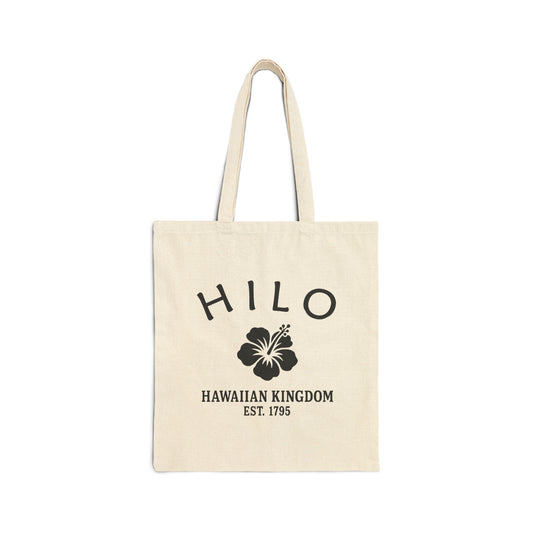
Hilo Hawaii Vintage Retro Cotton Canvas Tote Bag - Black Logo
Regular price $28.00 USDRegular price -
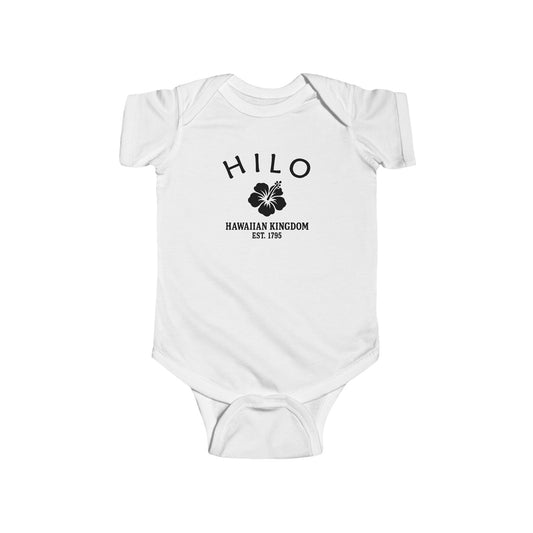
Hilo Hawaii Vintage Retro Cotton Jersey Baby Bodysuit - Black Logo
Regular price $26.00 USDRegular price -
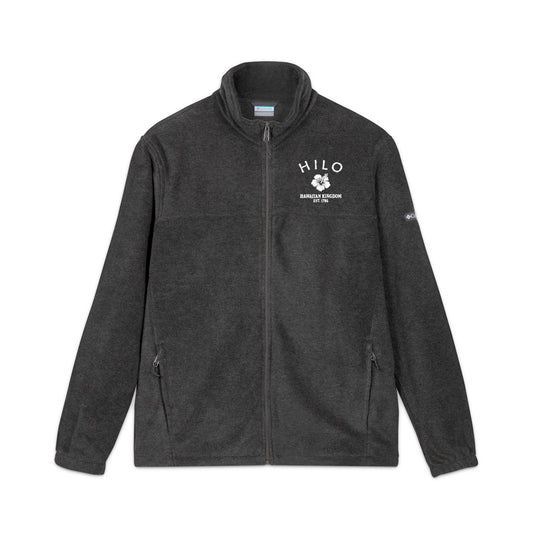
Hilo Hawaii Vintage Retro Unisex Embroidered Fleece Jacket - White Logo
Regular price $98.00 USDRegular price

The bay made the town. Through the nineteenth century, traders and missionaries arrived, a harbor grew on the crescent shore, and Hilo became the commercial and shipping center of the island's eastern side. Behind it all rose the great mountains — Mauna Kea, often snow-capped, and Mauna Loa — feeding the rivers and the famous Hilo rain that keeps the whole coast green. Two rivers, the Wailuku and the Wailoa, run down through the town to the bay. About 126 inches of rain fall here in an average year, spread across more than 270 days of it, which makes Hilo one of the rainiest cities in the country and the reason for the rainforest at its back. That abundance of water is the through-line of Hilo's whole story, from the taro fields to the waterfalls to the famous green of the place.
Hilo's story begins on the bay. Native Hawaiians settled this rain-fed eastern coast of Hawaiʻi Island for centuries, farming kalo (taro) in the wet lowlands, fishing the bay and reefs, and reading the rivers that run down from the mountains. In the bay sits Mokuola — Coconut Island — whose name means “island of life,” long known as a place of healing and refuge. This was a settled, cultivated landscape, rich in water and tradition, generations before any ship from the outside world dropped anchor in Hilo Bay. East of town the shoreline turns to black rock and sheltered pools — Onekahakaha, Carlsmith, Richardson — where families still swim in water warm enough to forget the rain.
Why People Visit Hilo
Hilo offers the most authentic, culturally rich side of Hawaiʻi Island — waterfalls, gardens, markets, and deep Hawaiian heritage, all in a relaxed bayfront town. Visitors come for the rainforest scenery and the easy access to volcanoes and coast, and stay for the unhurried, welcoming feel of a real town rather than a resort strip. From the morning rainbows at Waiānuenue to the gardens along the bay, it rewards a slow pace. It is green, genuine, and beautiful in every season on the bay.
