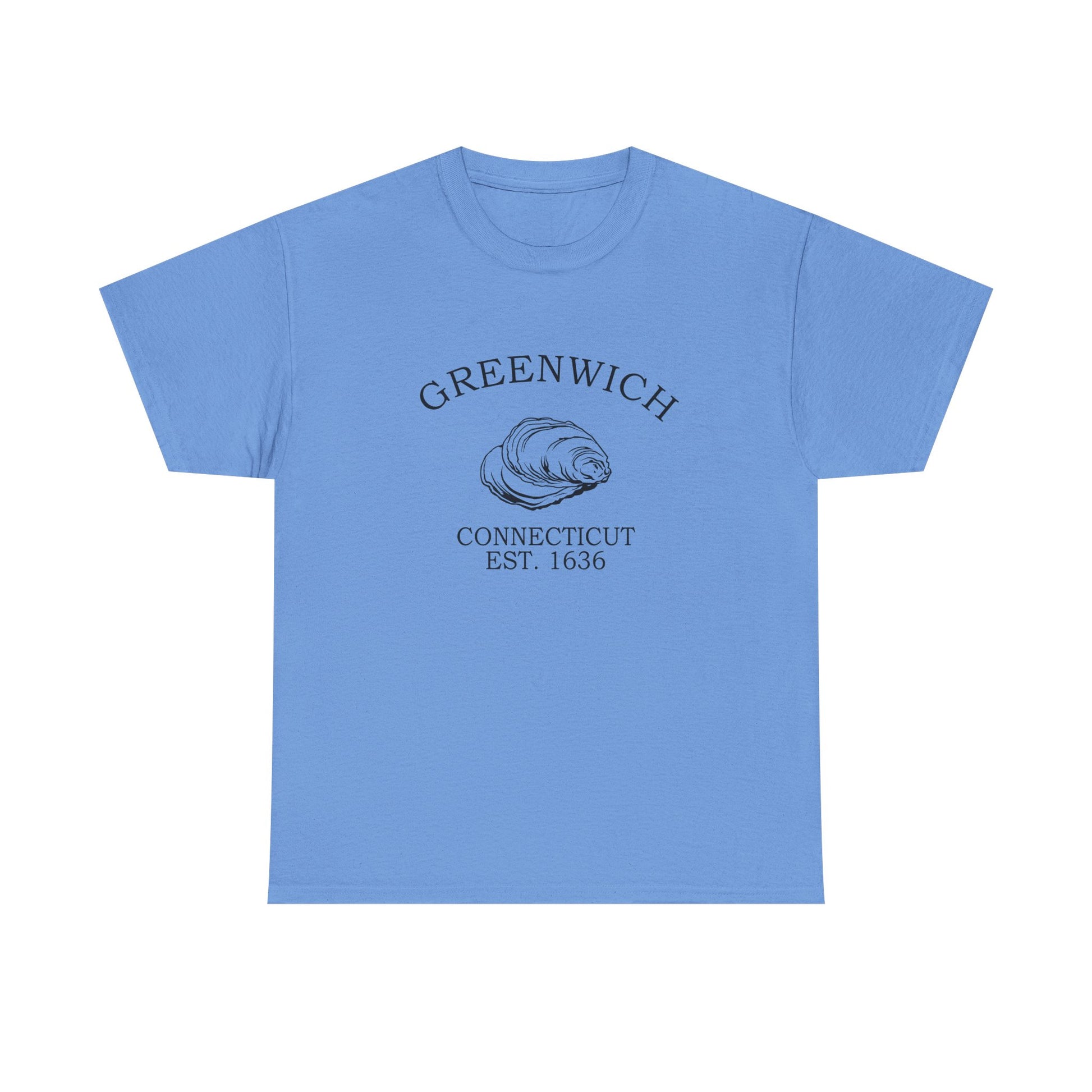
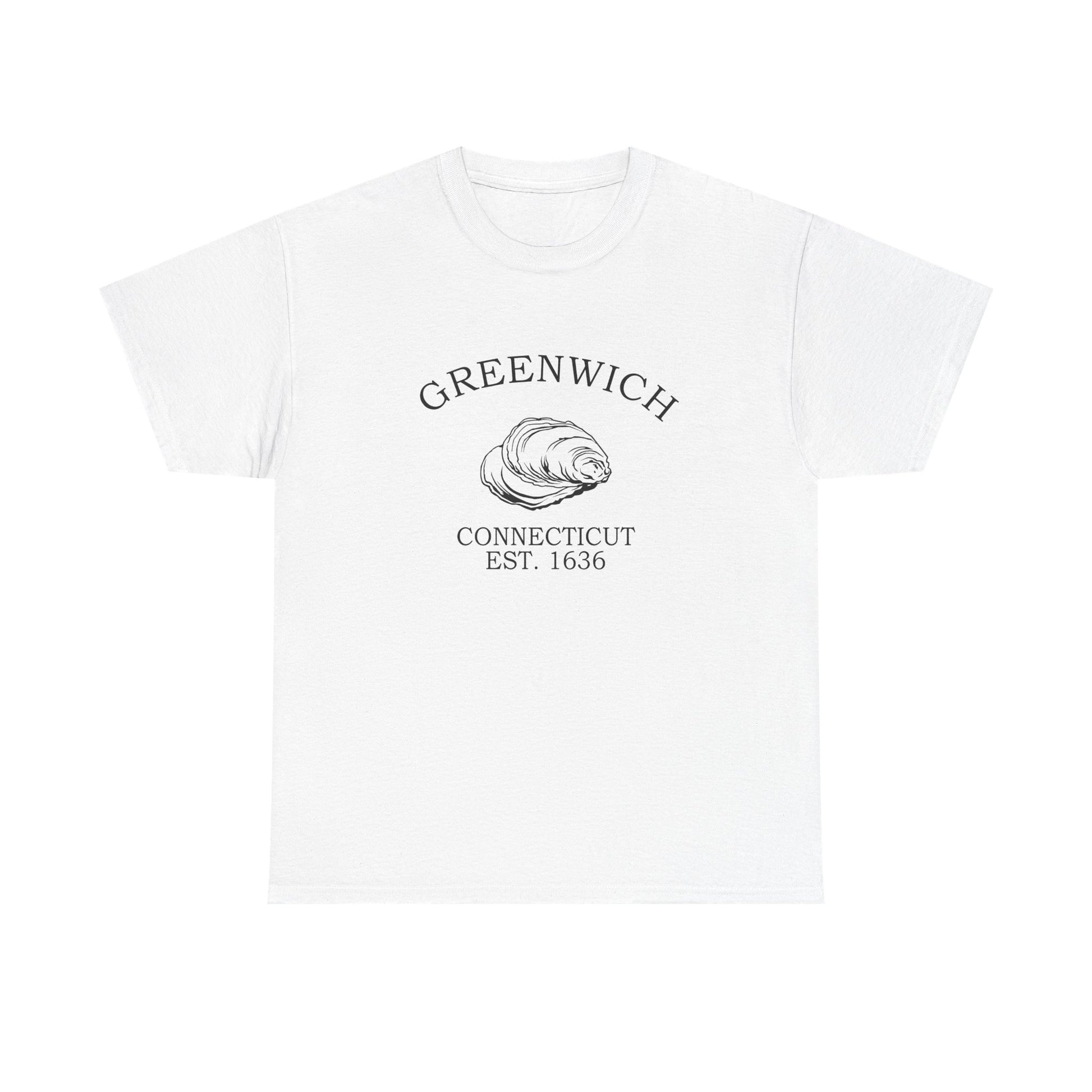
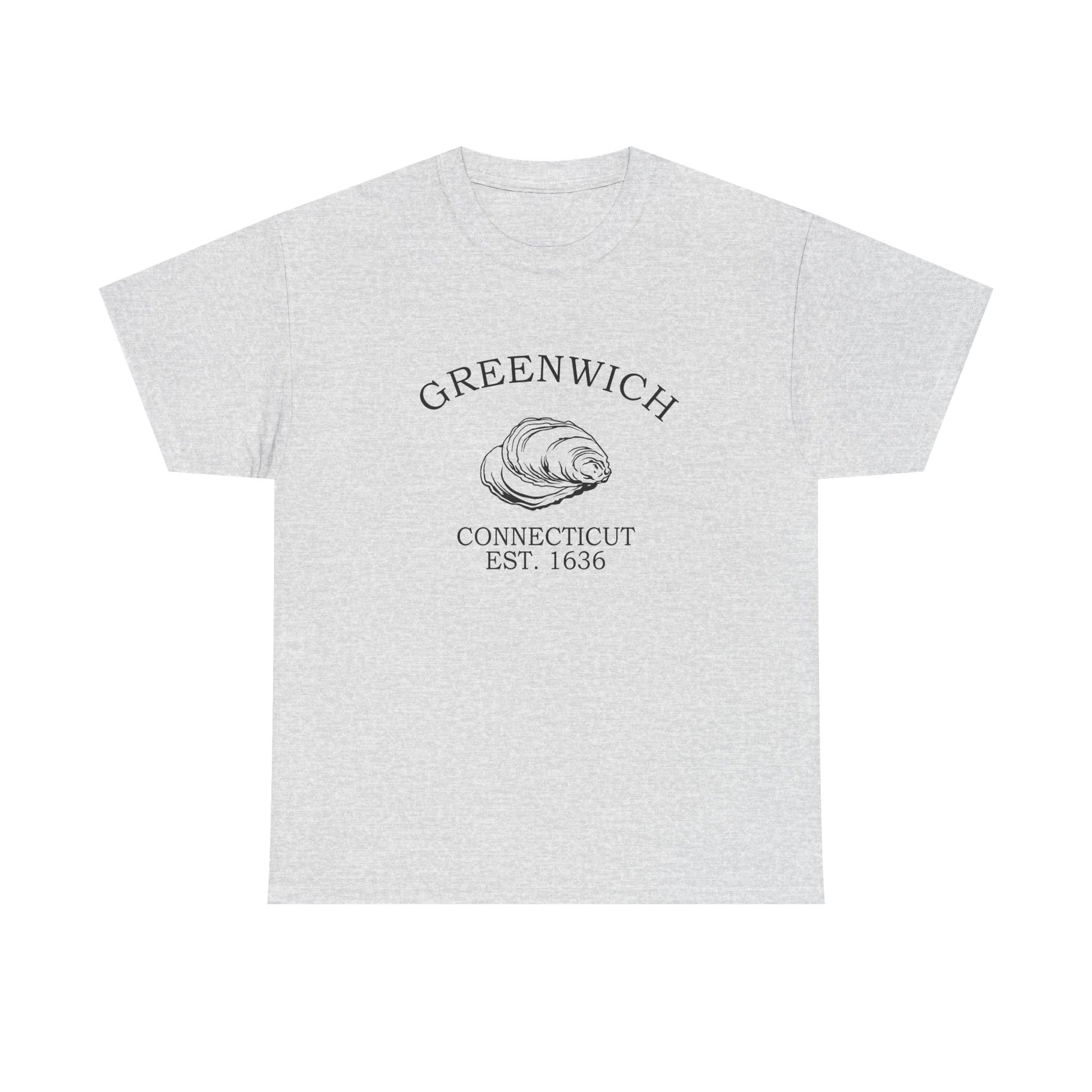
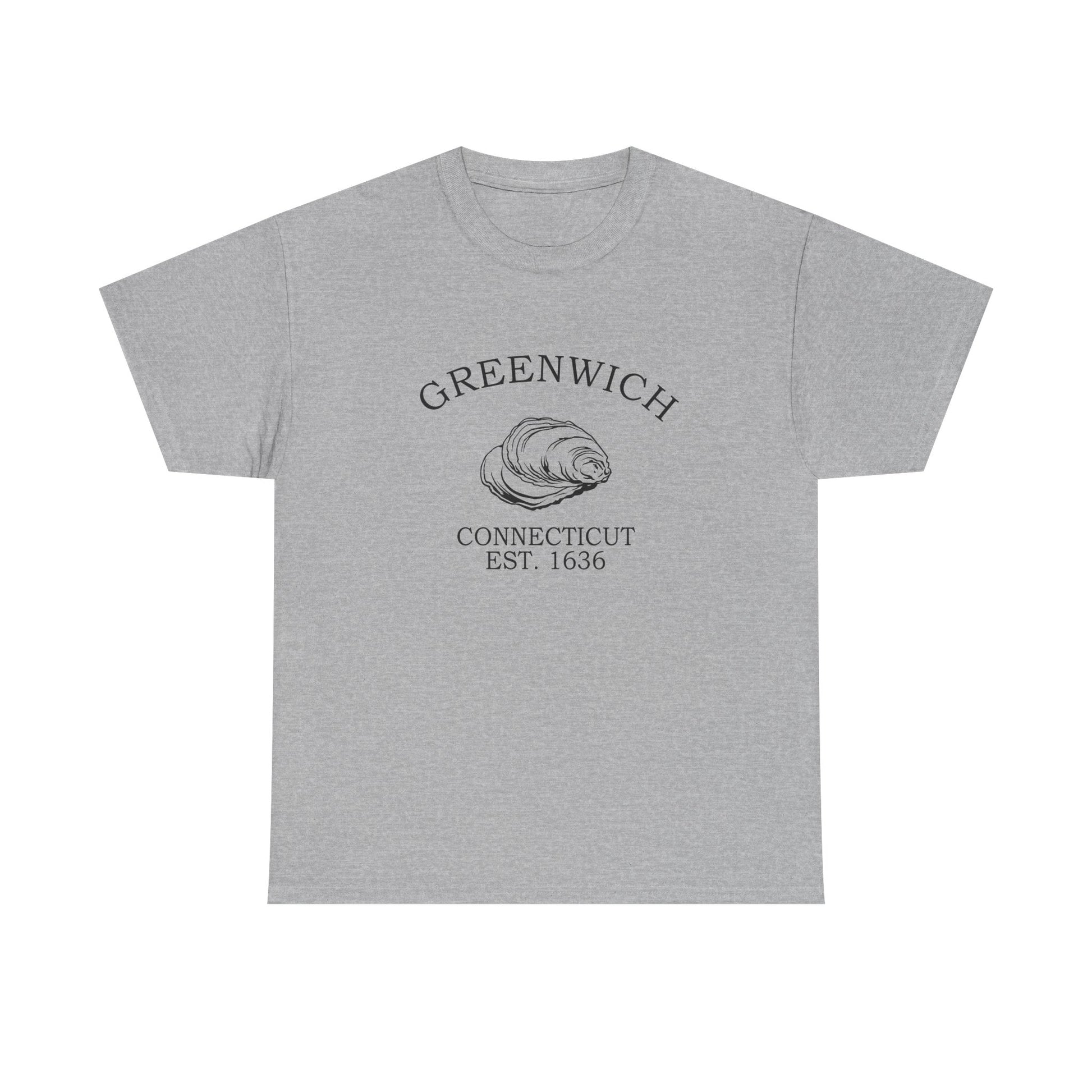
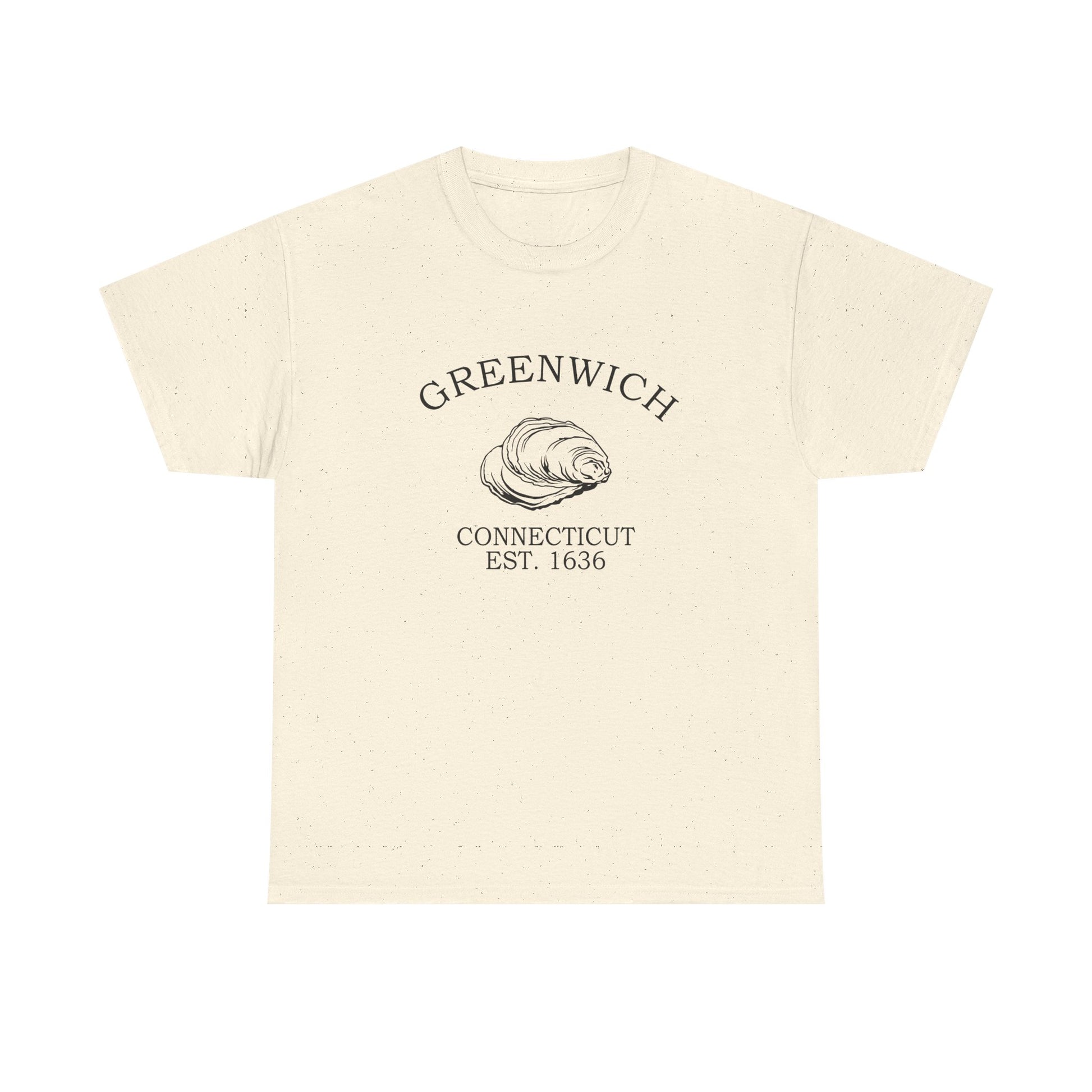
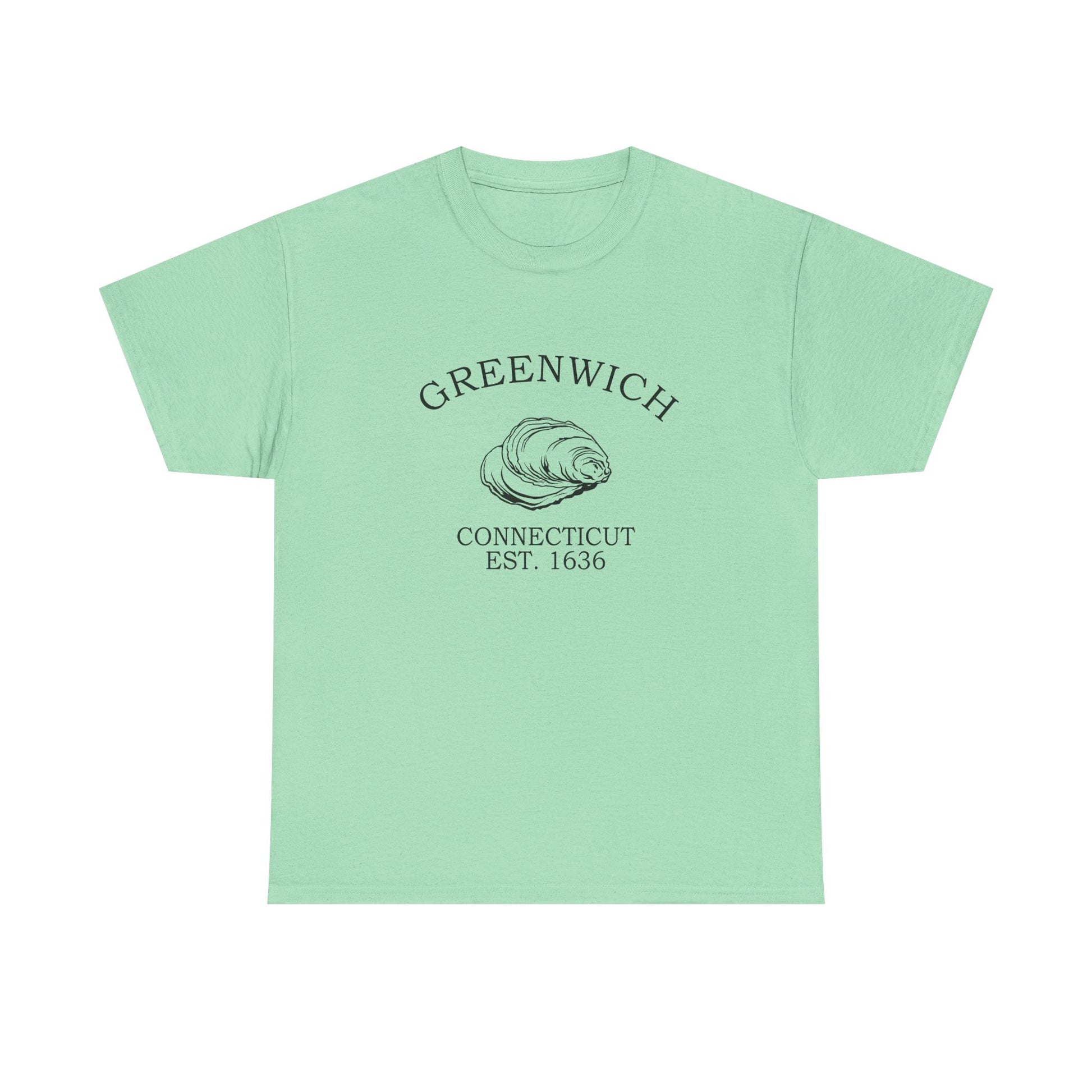
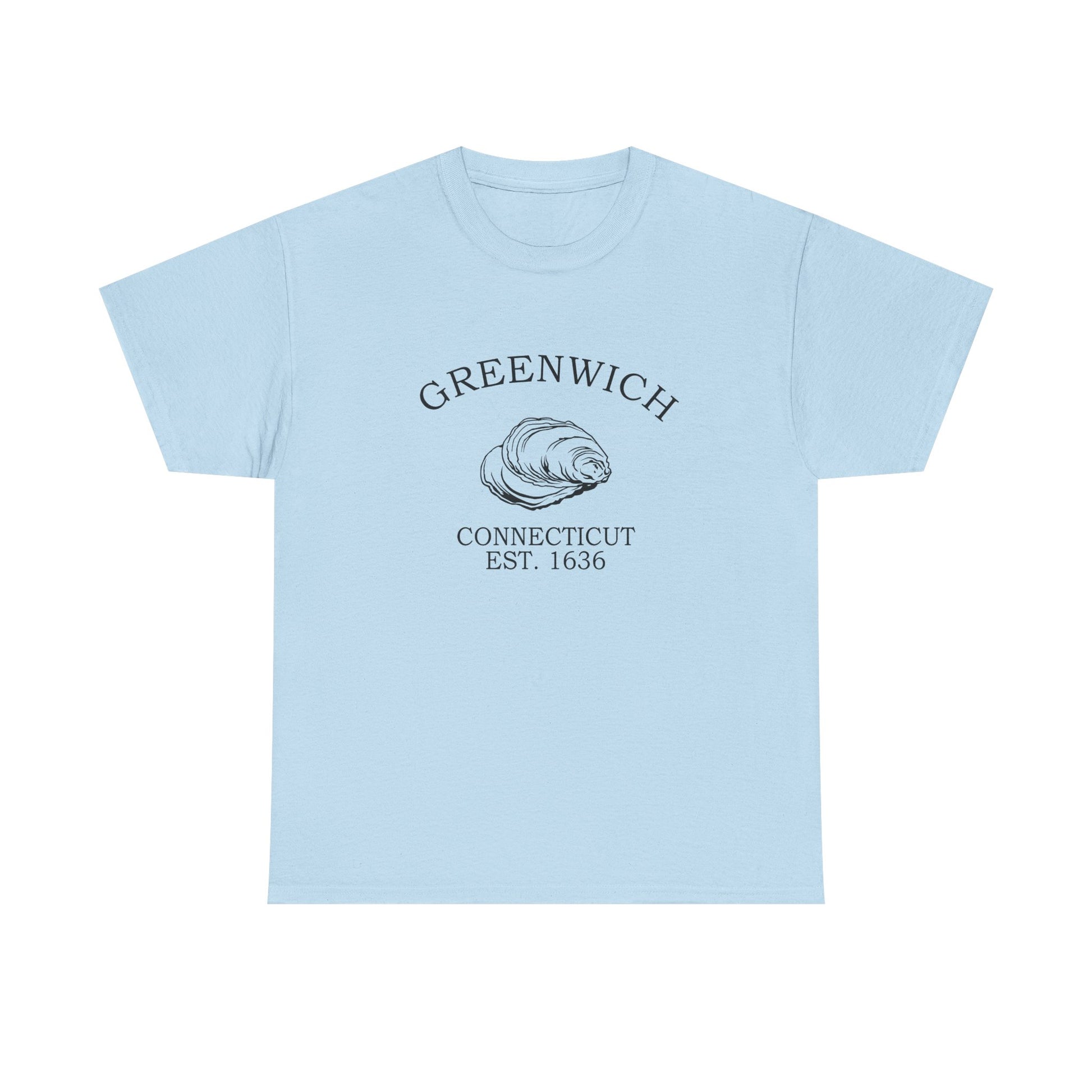
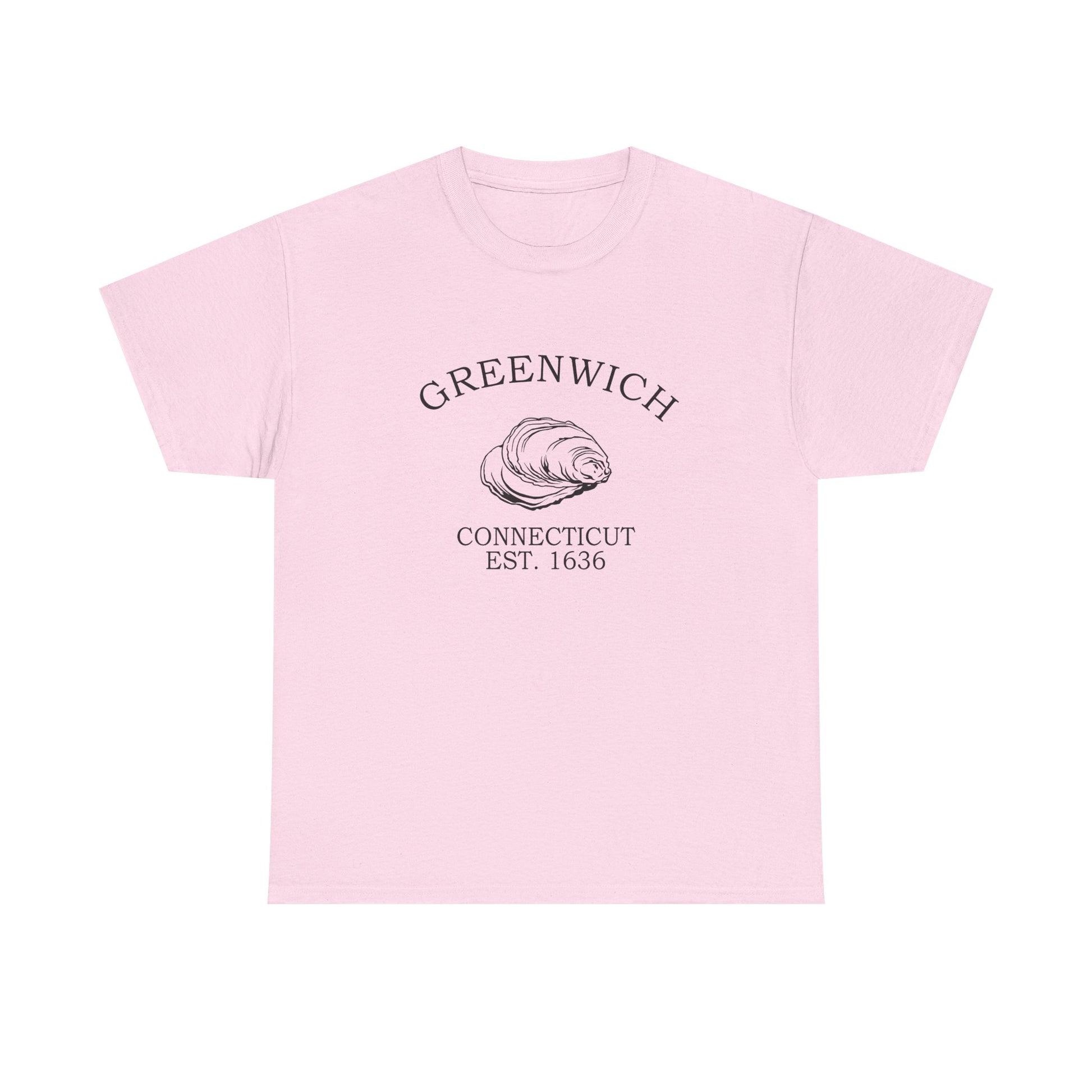
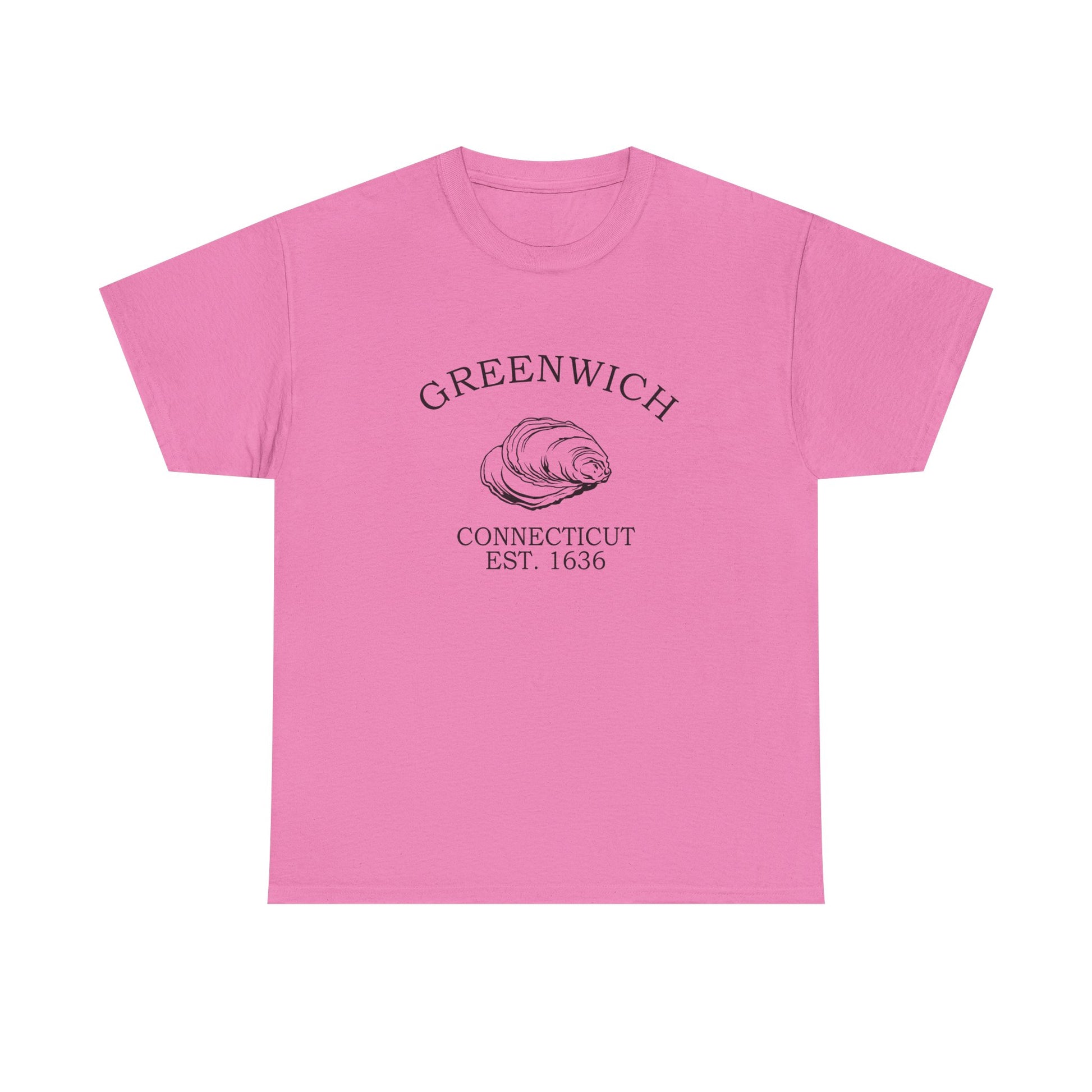
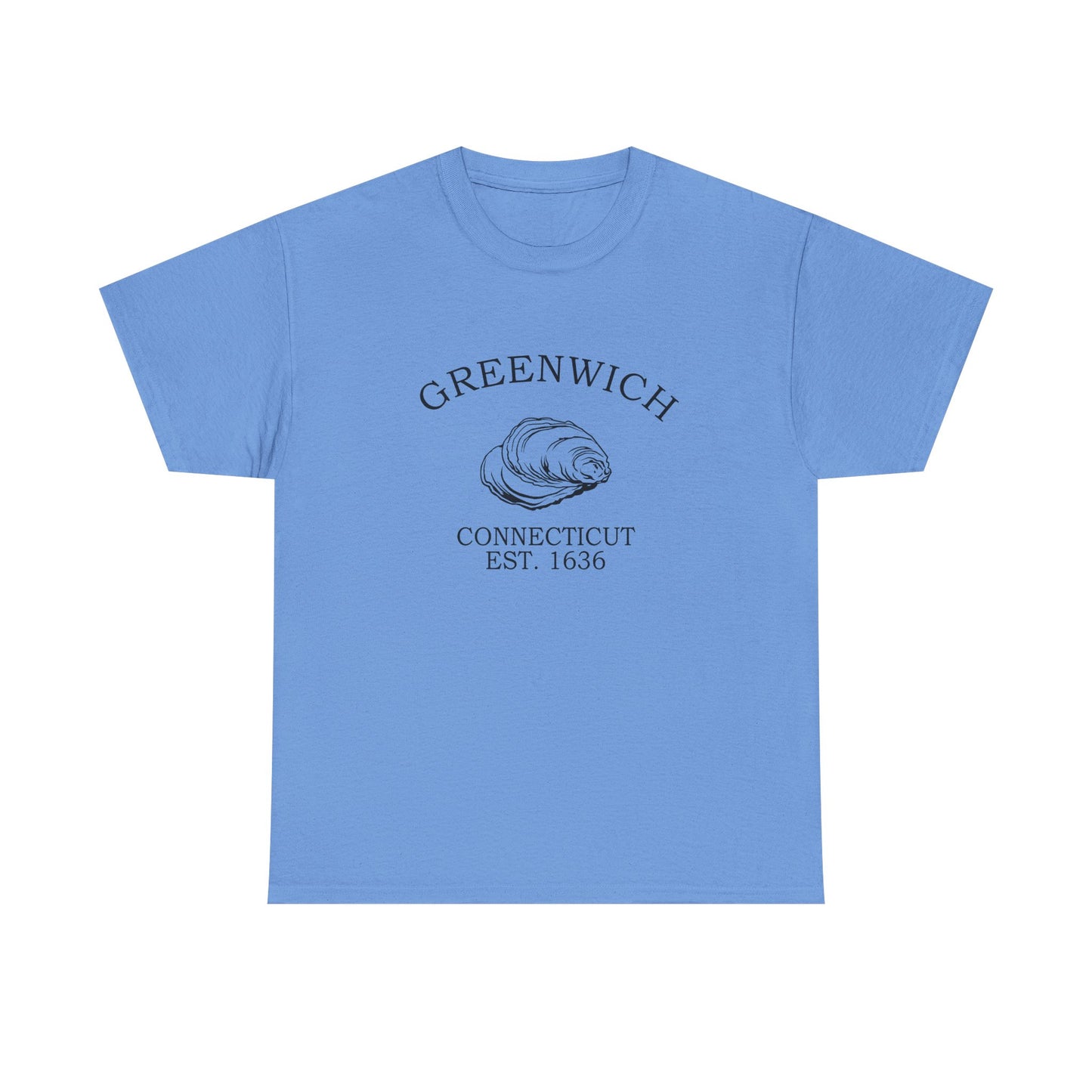
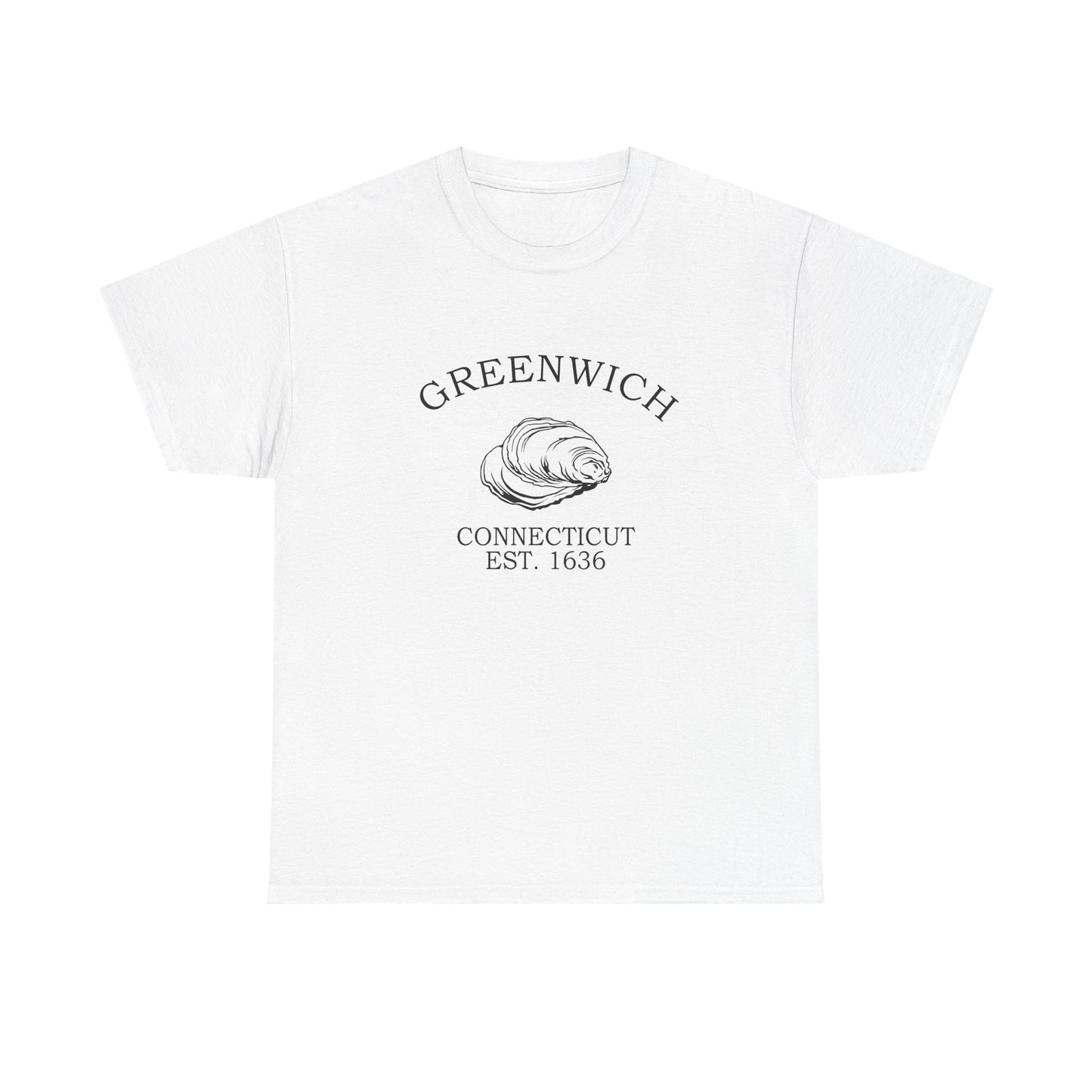
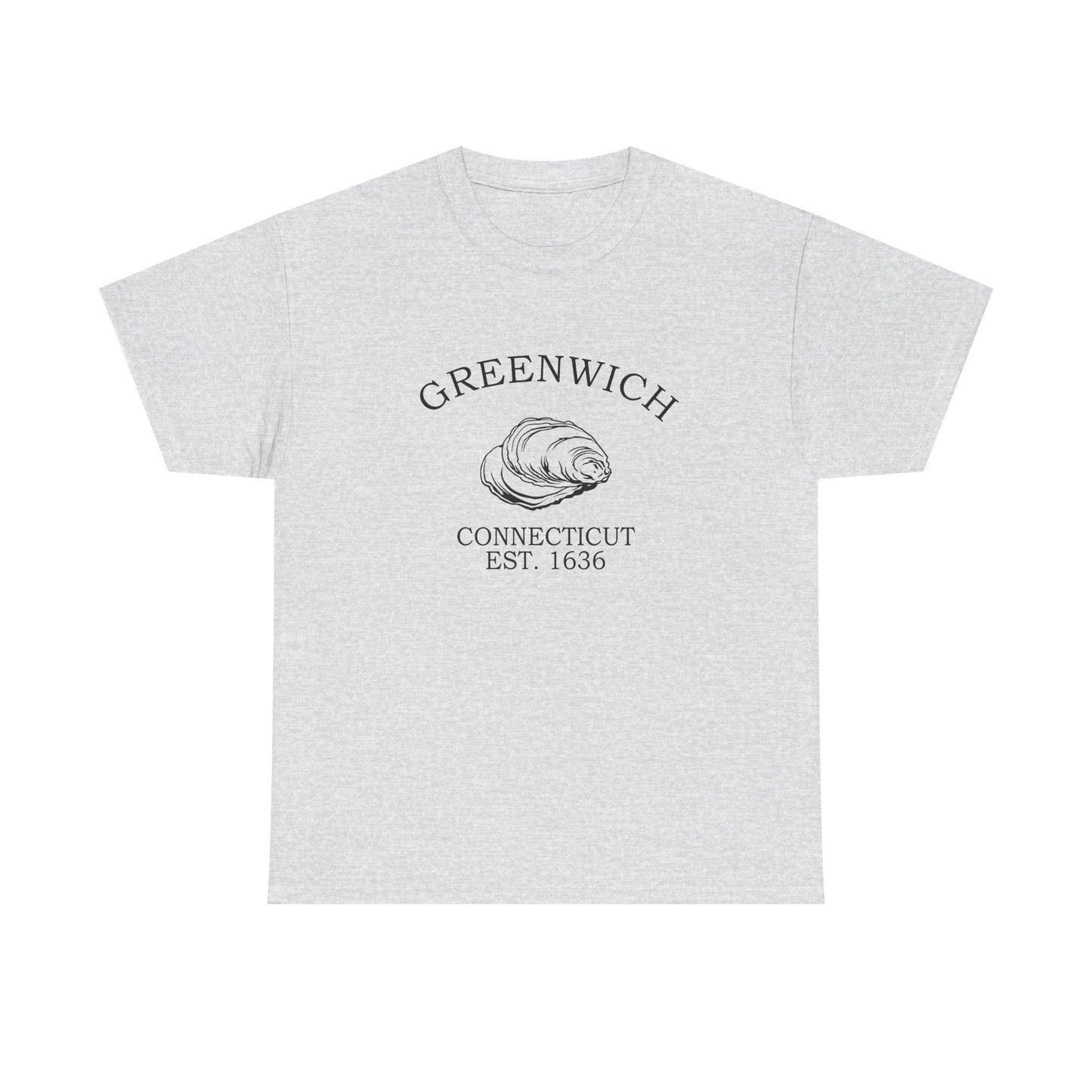
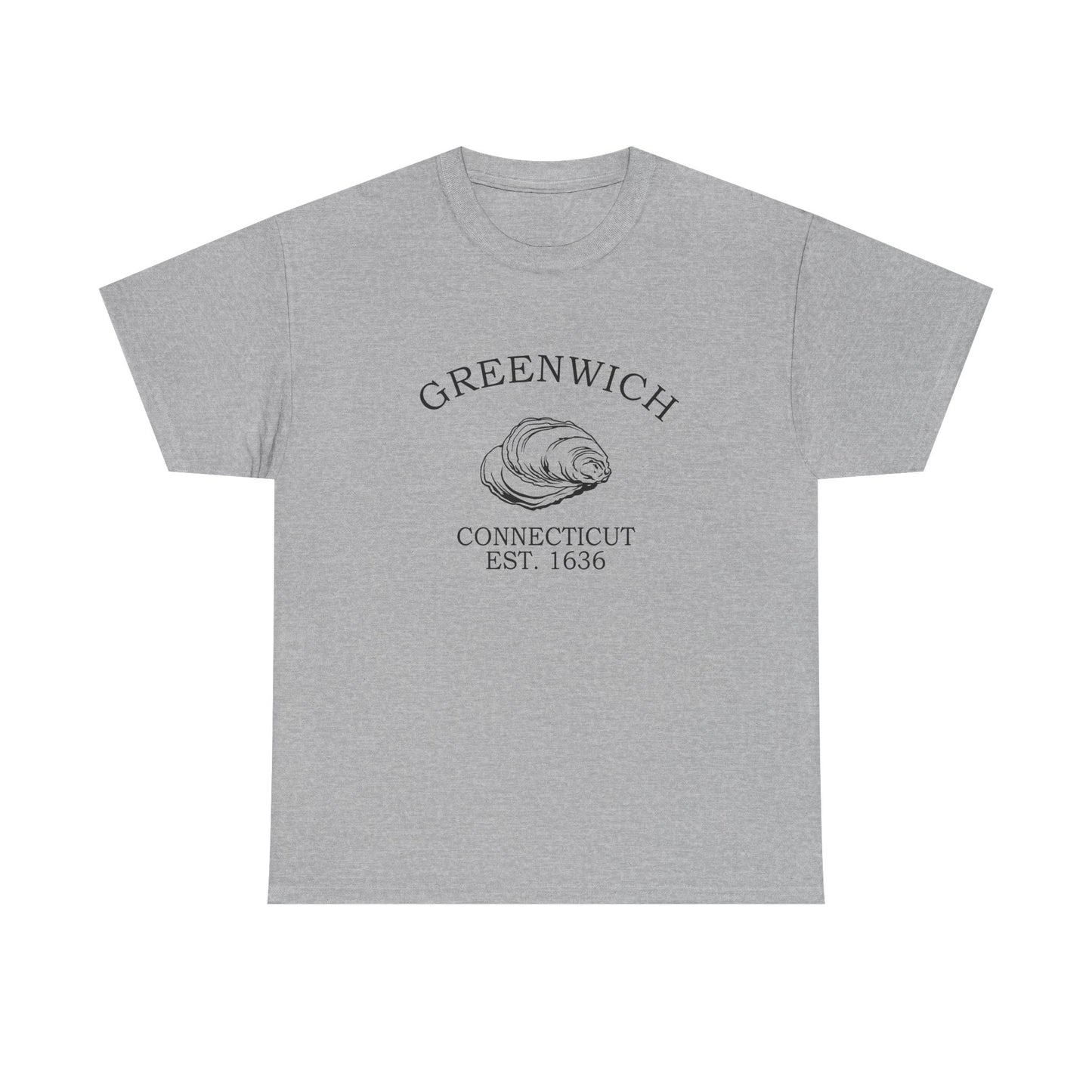
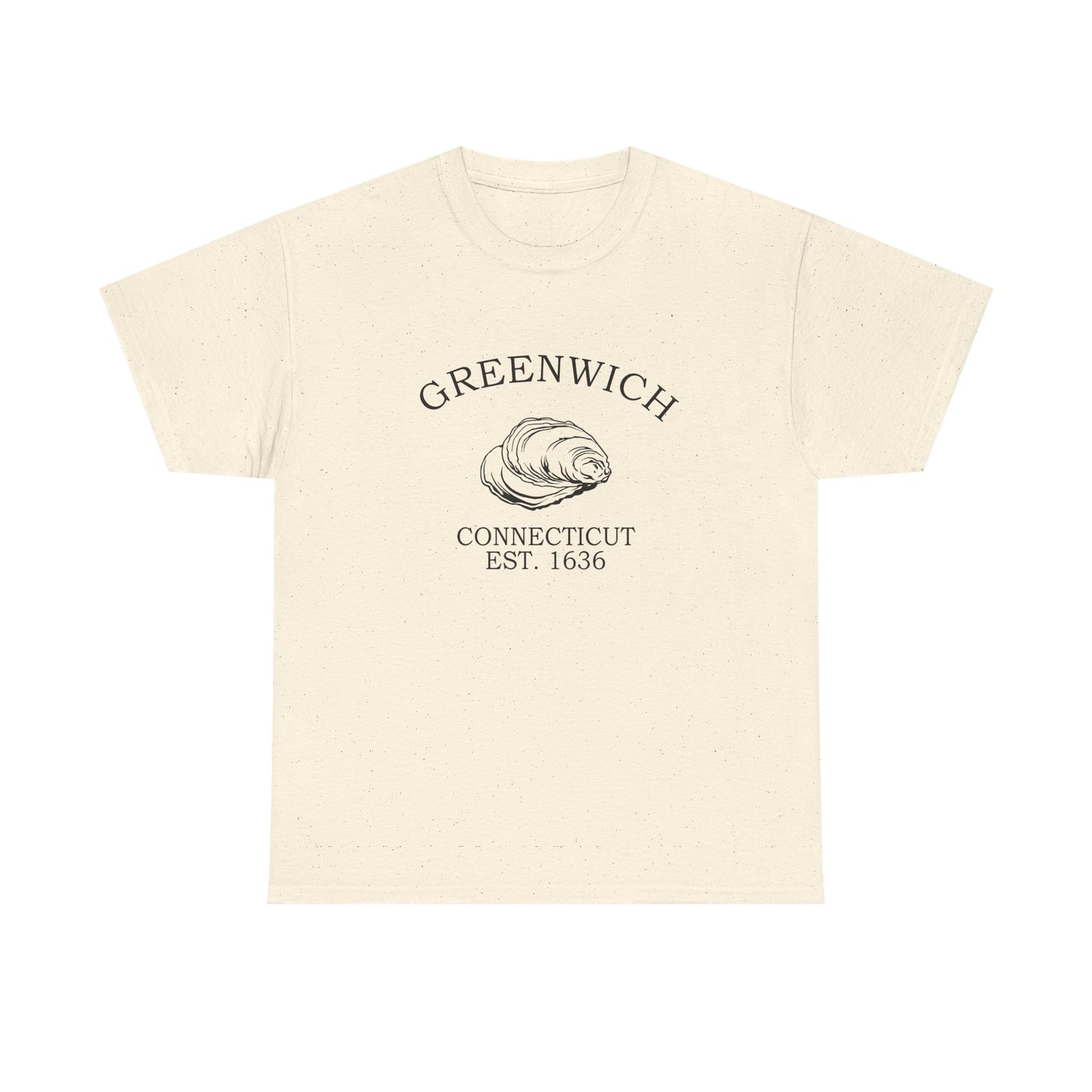
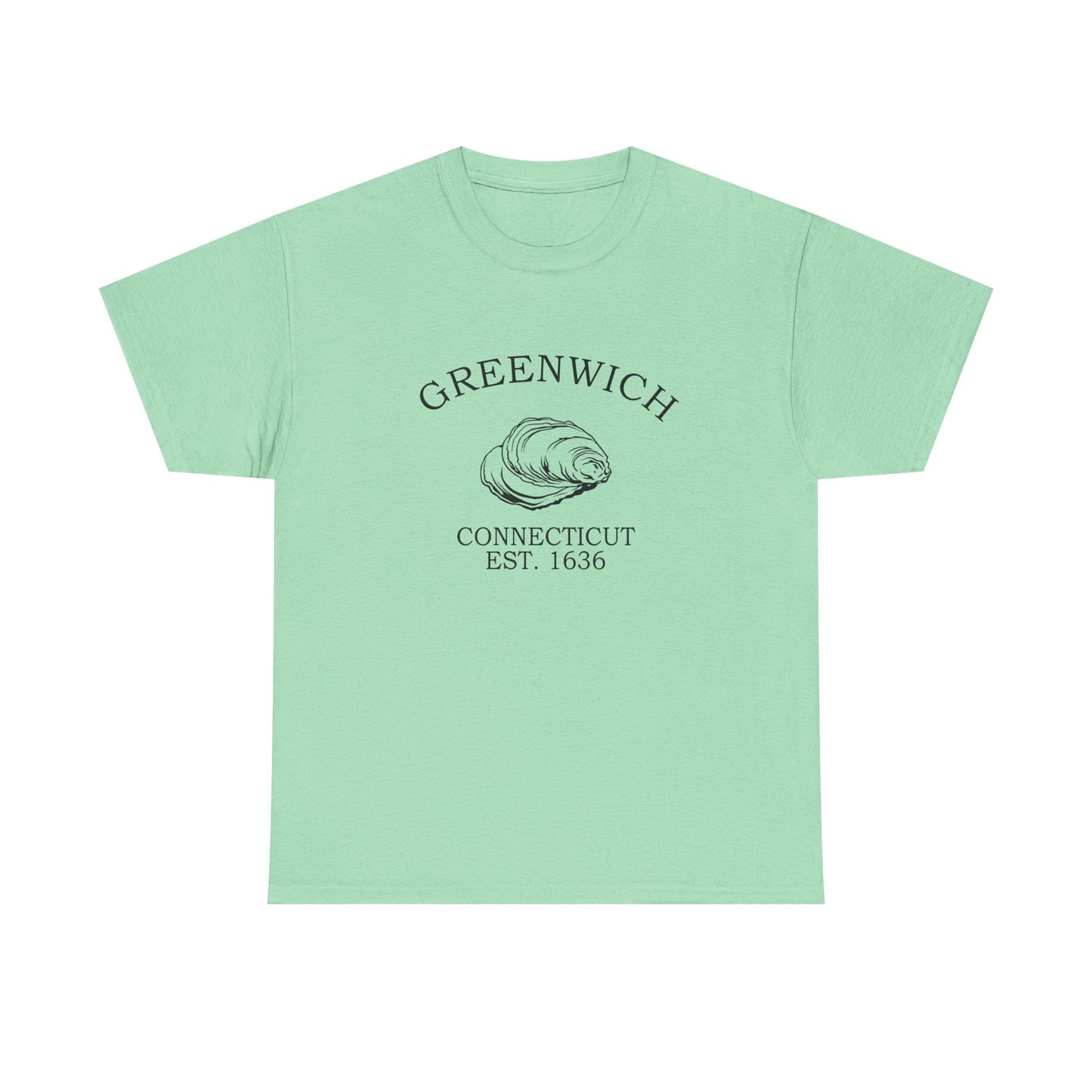
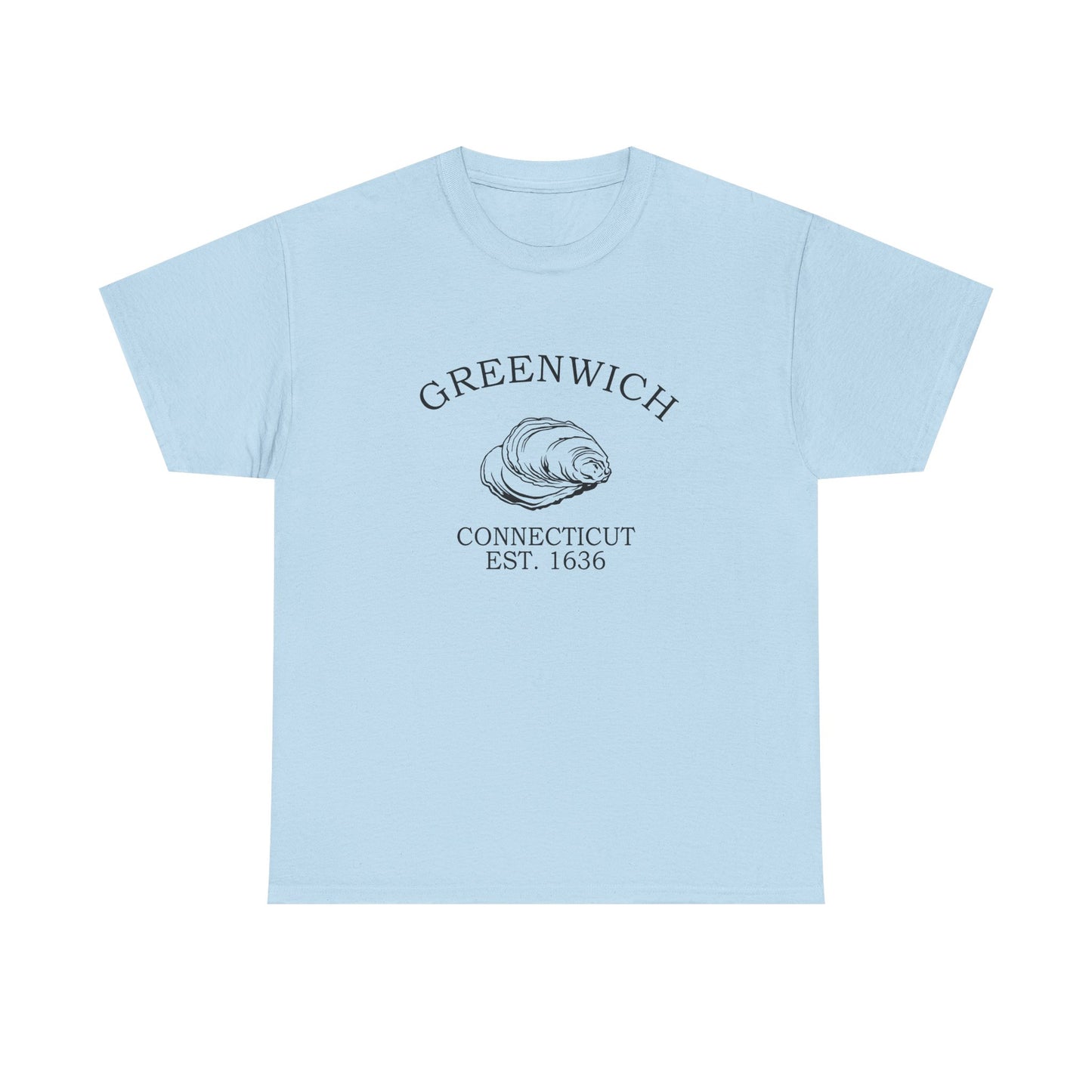
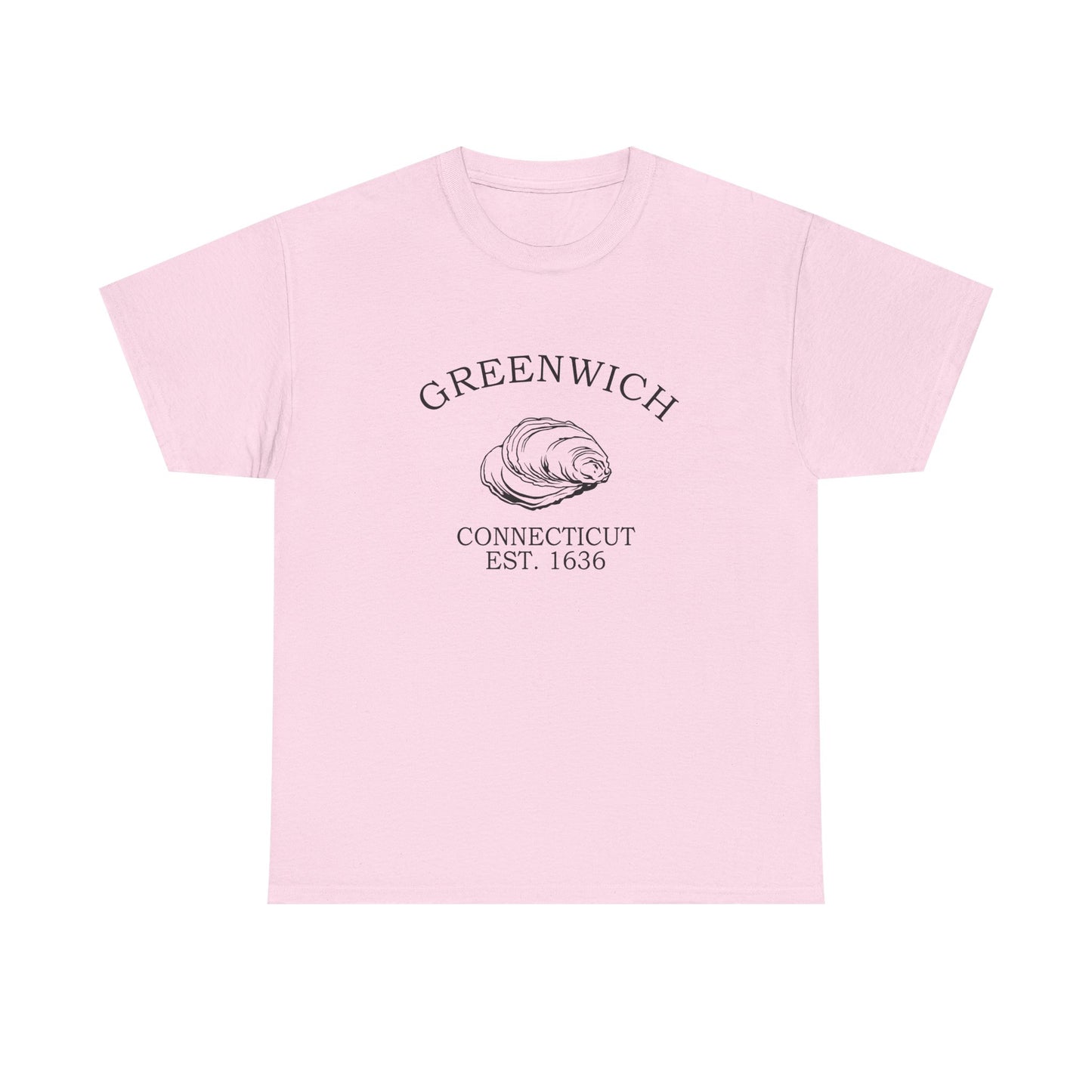
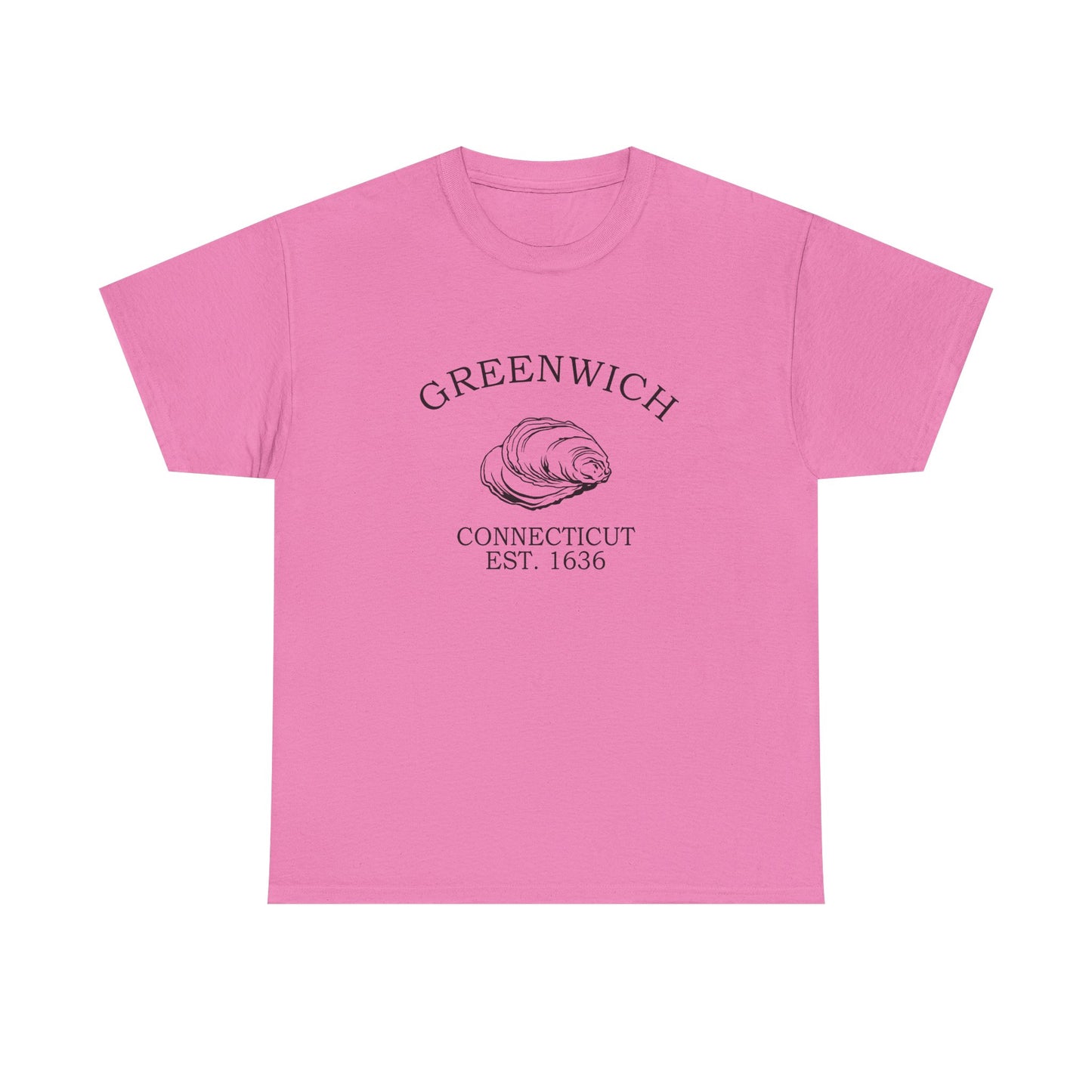
Our Greenwich logo carries the same emblem every Merlin Classics Connecticut town wears — an oyster above "Connecticut, Est. 1636," the colony's founding year, rendered in hand-printed black and white with a worn, vintage feel. The oyster is the shoreline state's mark, the through-line that ties Greenwich to every other Connecticut town we make. What makes this one Greenwich is everything around it: the Impressionists' harbor light, the ride down Put's Hill, the Gold Coast shore. On a tee or a cap it reads less like a souvenir and more like a small piece of the Connecticut coast — Est. 1636, worn plain.
Where American Impressionism found its light — a 1640 town on the Long Island Sound shore. Greenwich, Connecticut is the place where American Impressionism took root. From the 1890s into the 1920s, painters drawn to the harbors, tidal marshes, and winding rivers of the Greenwich shore gathered at the Bush-Holley House to form the first art colony in Connecticut, the Cos Cob Art Colony — a cradle of the American Impressionist movement. But the town's story runs much deeper than its painters: settled in 1640, Greenwich is among the oldest towns in Connecticut and the southwesternmost municipality in all of New England, and it carries a Revolutionary War legend on its very town seal.
Why People Visit Greenwich Connecticut
Greenwich draws people who love art, history, and the coast in equal measure. It is the birthplace of an American art movement, a Revolutionary-era town with its founding legend on the seal, and a Gold Coast shoreline of harbors, marshes, and beaches on Long Island Sound. Visitors come for the rare combination — fine-art heritage you can walk through, colonial history you can stand on, and a refined coastal town that wears its wealth quietly, all an easy train ride from New York.
