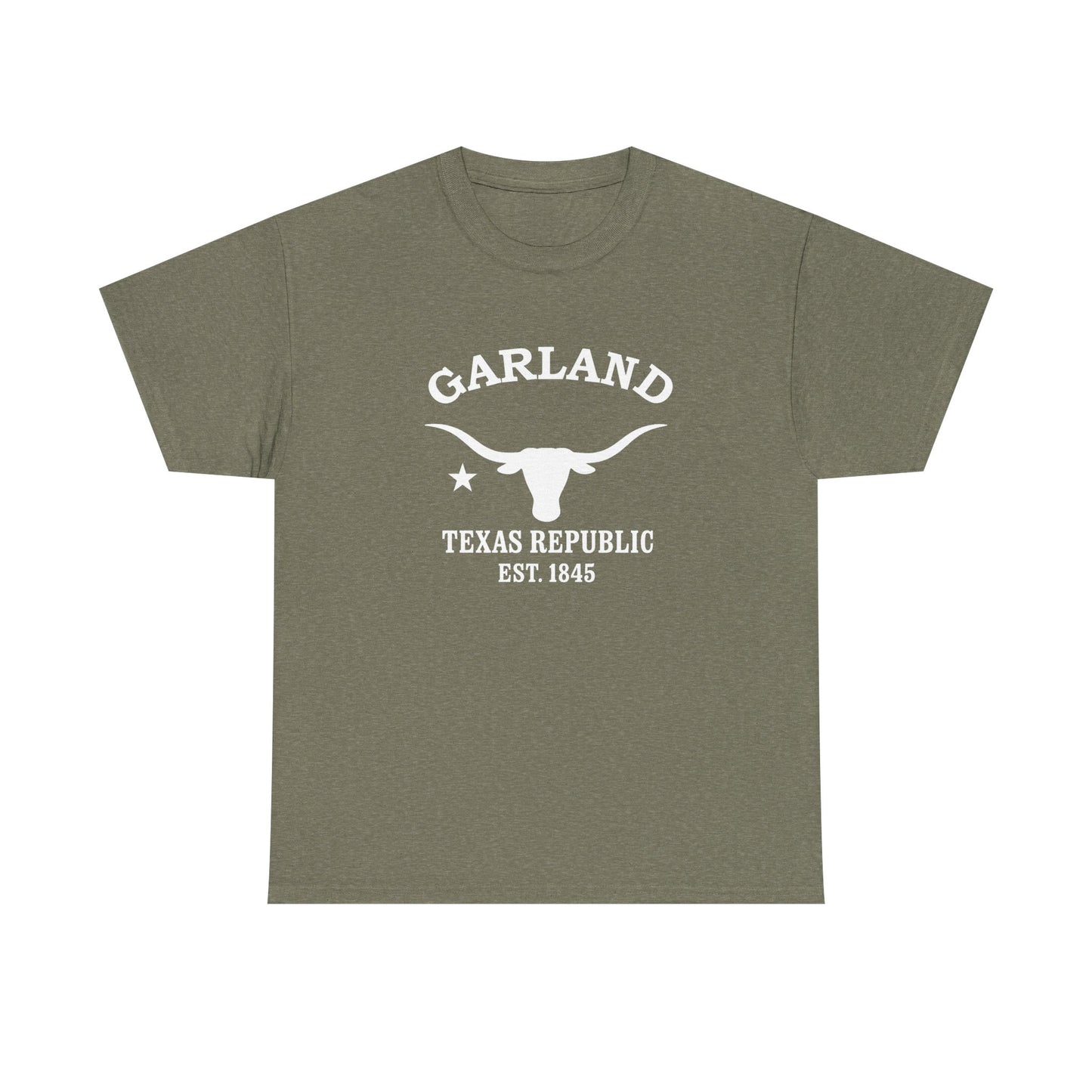
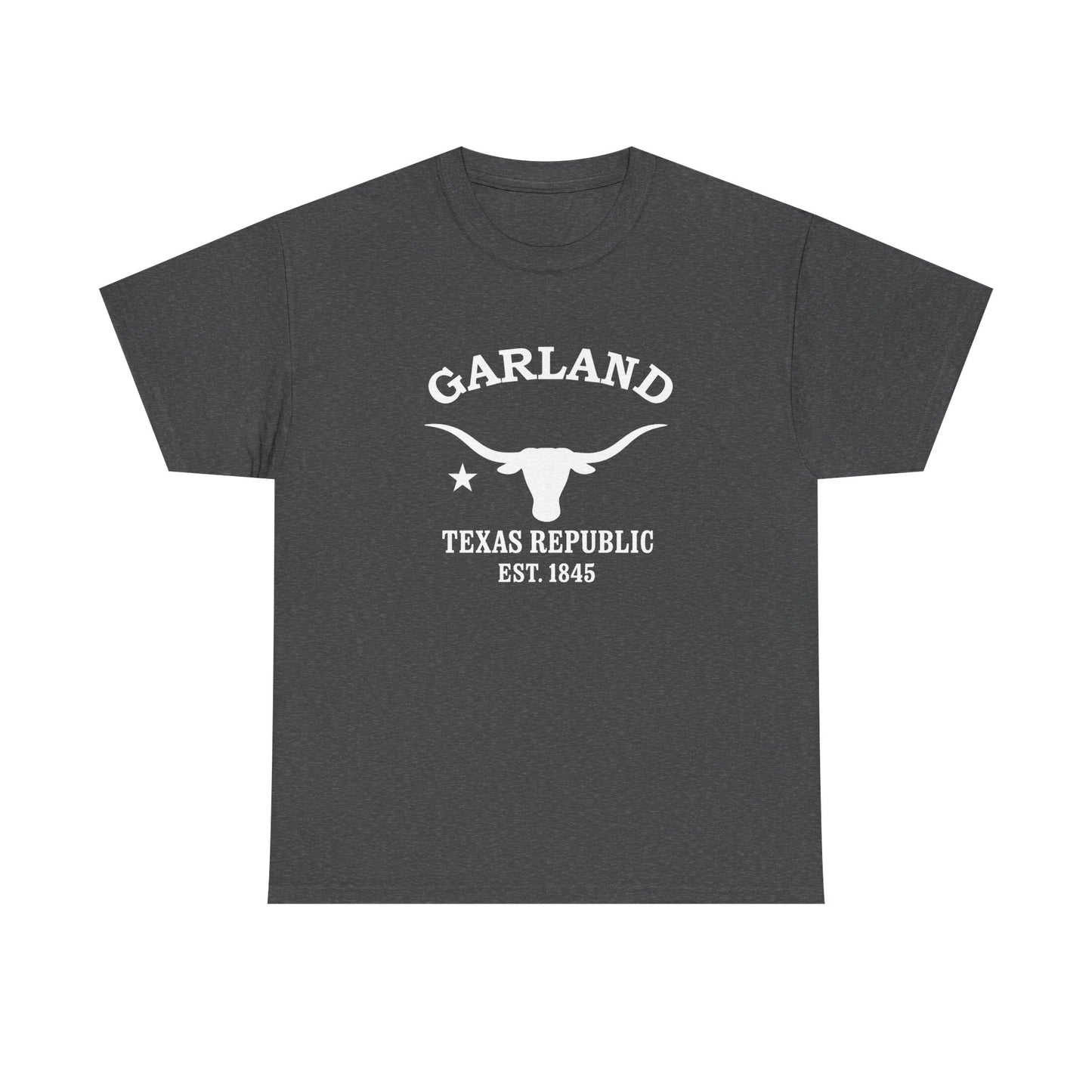
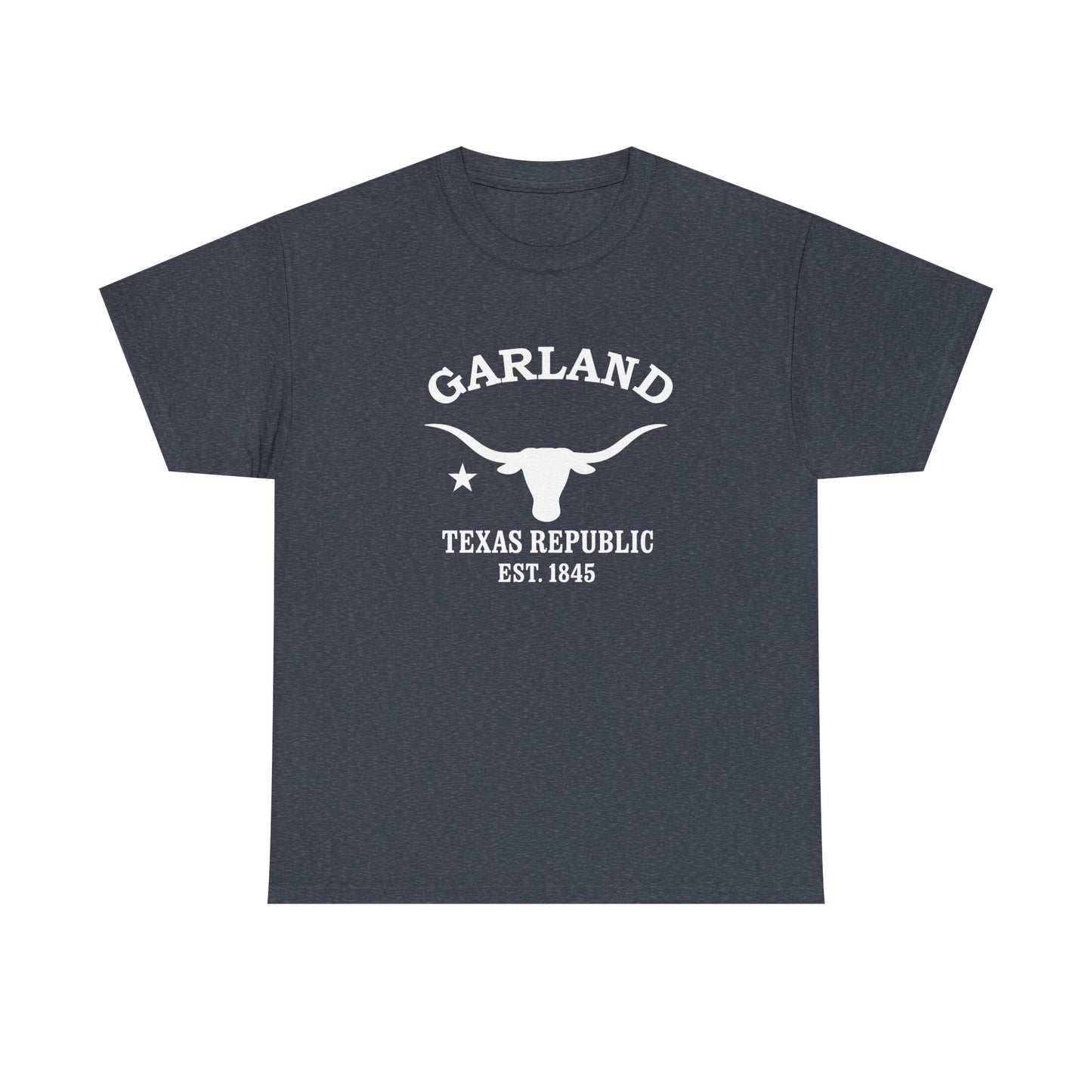
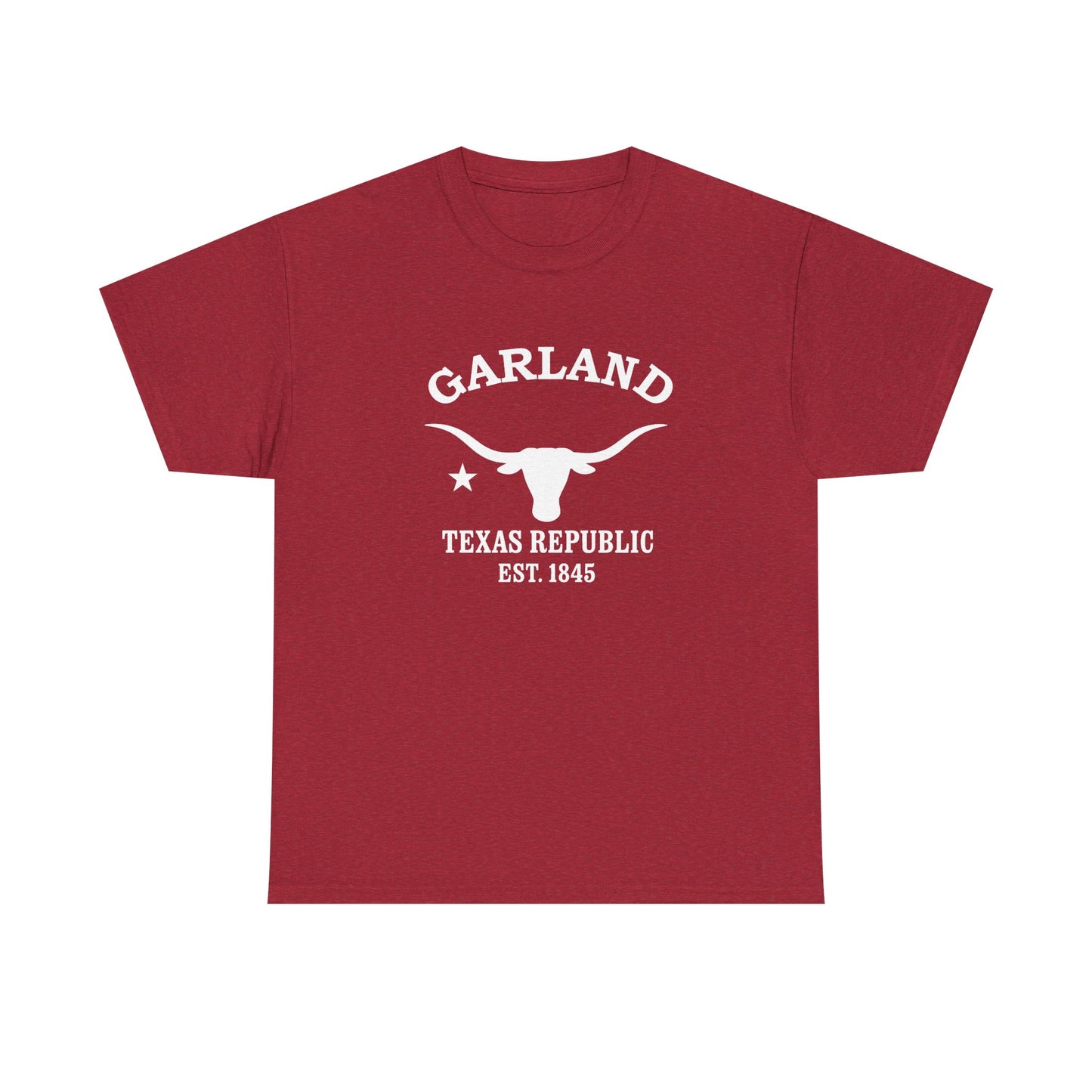
Union came quickly once the name did. On March 31, 1891, Garland incorporated and absorbed both Duck Creek and Embree — one city where two rivals had stood — and by 1890 the young town already counted four churches, three cotton gins, and a flour mill. The Blackland farms kept it prosperous: cotton above all, and in the early twentieth century Garland's twin rail lines made it one of the region's great onion-shipping points, moving the crop out of the black dirt by the trainload.
And the modern city may be the best chapter yet. Garland today is one of the most diverse communities in Texas — with deep Hispanic roots and one of the region's most vibrant Vietnamese communities, whose markets and kitchens have become a destination in their own right. Lake Ray Hubbard brings sails, boat ramps, and shoreline parks to the eastern edge; Spring Creek Forest Preserve keeps a rare stand of old-growth Blackland forest; and the old square downtown — with the Plaza's neon glowing — hosts the city that two feuding depot camps accidentally built together.
Why People Visit Garland Texas
- Stroll the historic downtown square and the restored Plaza Theatre (1941).
- Get out on Lake Ray Hubbard for boating, sailing, and shoreline parks.
- Walk the old-growth bottomland of Spring Creek Forest Preserve.
- Ride the wooded singletrack at Rowlett Creek Preserve.
- Shop and gather on the historic downtown square, with the Plaza Theatre marquee glowing over it.
