


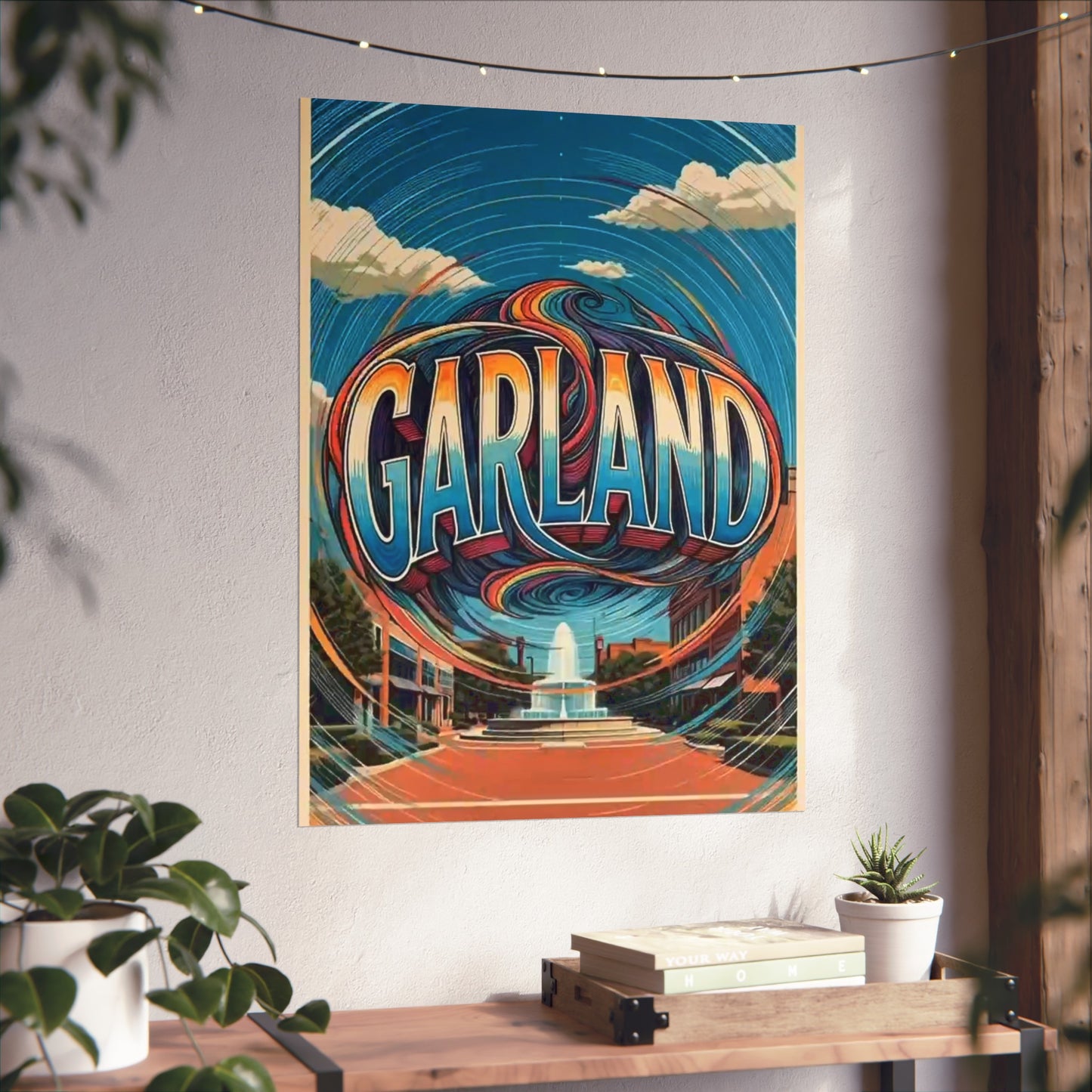
Union came quickly once the name did. On March 31, 1891, Garland incorporated and absorbed both Duck Creek and Embree — one city where two rivals had stood — and by 1890 the young town already counted four churches, three cotton gins, and a flour mill. The Blackland farms kept it prosperous: cotton above all, and in the early twentieth century Garland's twin rail lines made it one of the region's great onion-shipping points, moving the crop out of the black dirt by the trainload.
Two towns that could not share a post office became one city that shares everything — a square, a lake, a hundred languages, and a name borrowed from a man who never saw the place. From the Blackland cotton rows to the Plaza's neon to the sails on Lake Ray Hubbard, the whole story still fits on one square. Garland, Texas — one town made from two, since 1887. Wear a little of it wherever the road takes you.
Why People Visit Garland Texas
People come to Garland for its easy place in the Metroplex — a historic square and a real founding story, lake recreation on Ray Hubbard, and green preserves — all minutes northeast of Dallas. It's practical, green, and neighborly: the town that two railroads accidentally built.
