

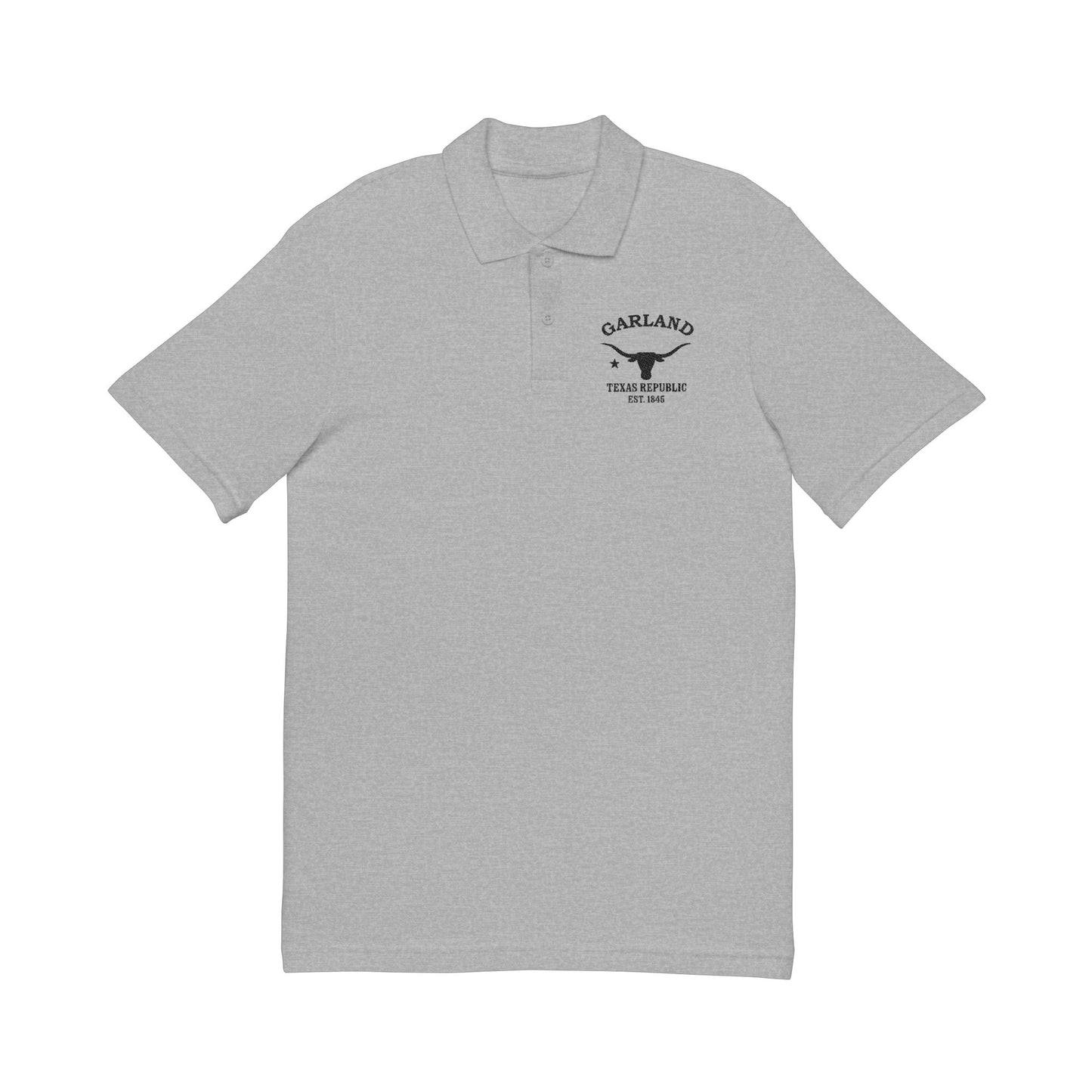
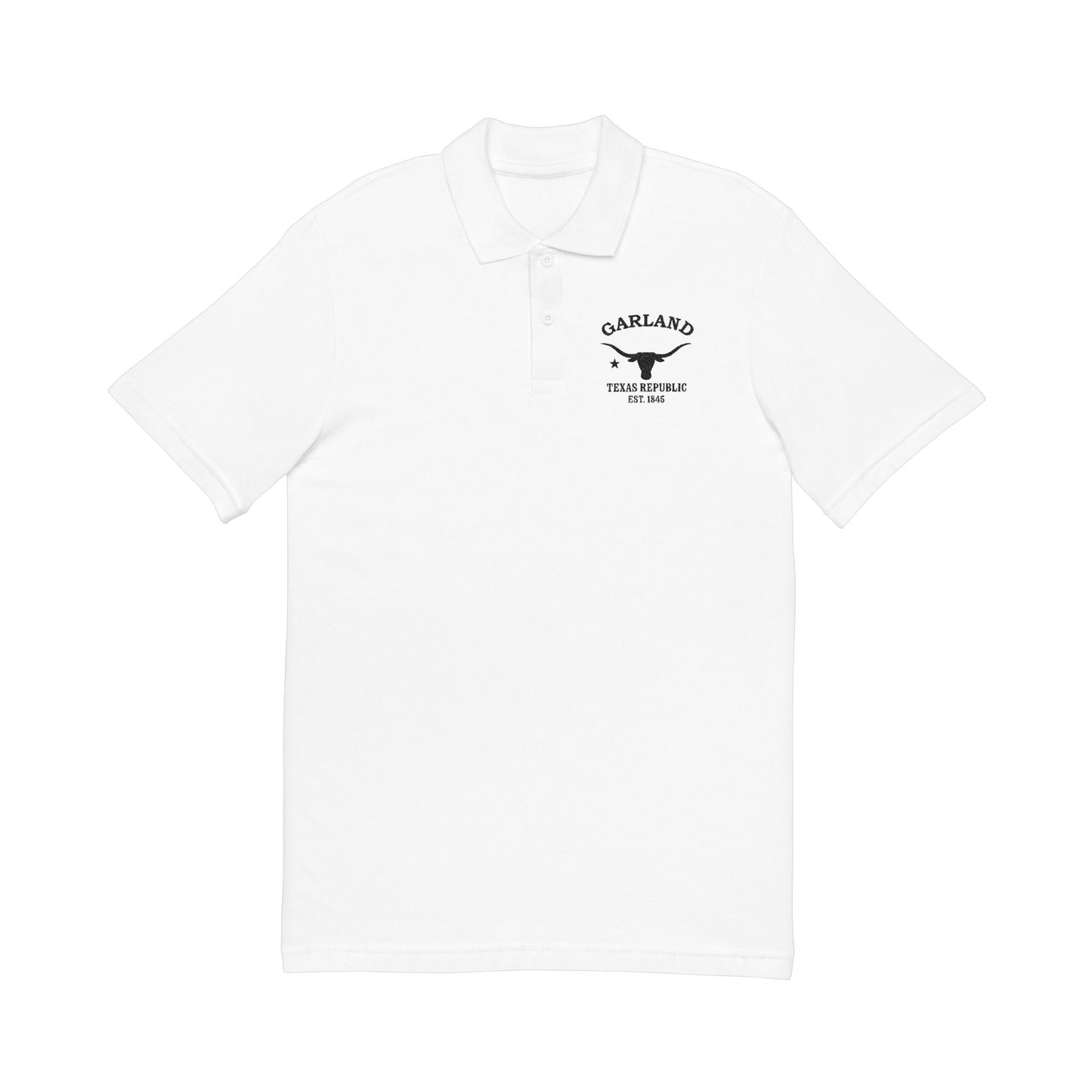
What's with Duck Creek and Embree? Garland began in 1887 as a post office set between two feuding railroad towns, Duck Creek and Embree, named for Attorney General Augustus Garland. The feud was real: when two railroads built rival depots in 1886, old Duck Creek split into two new towns — Duck Creek on the Katy line and Embree on the Santa Fe — that fought over everything, the post office most of all. A fire gutted old Duck Creek's business district; Embree grabbed the mail; injunctions flew; the fight landed in court. In late 1887 Congressman Joseph Abbott settled it the Texas way — he had the post office moved to neutral ground exactly midway between the two depots, and on December 9, 1887 it opened under a brand-new name. Local legend says both towns accepted it because Augustus Garland had never set foot in Texas: nobody knew him, so nobody could object.
Two towns that could not share a post office became one city that shares everything — a square, a lake, a hundred languages, and a name borrowed from a man who never saw the place. From the Blackland cotton rows to the Plaza's neon to the sails on Lake Ray Hubbard, the whole story still fits on one square. Garland, Texas — one town made from two, since 1887. Wear a little of it wherever the road takes you.
Why People Visit Garland Texas
People come to Garland for its easy place in the Metroplex — a historic square and a real founding story, lake recreation on Ray Hubbard, and green preserves — all minutes northeast of Dallas. It's practical, green, and neighborly: the town that two railroads accidentally built.
