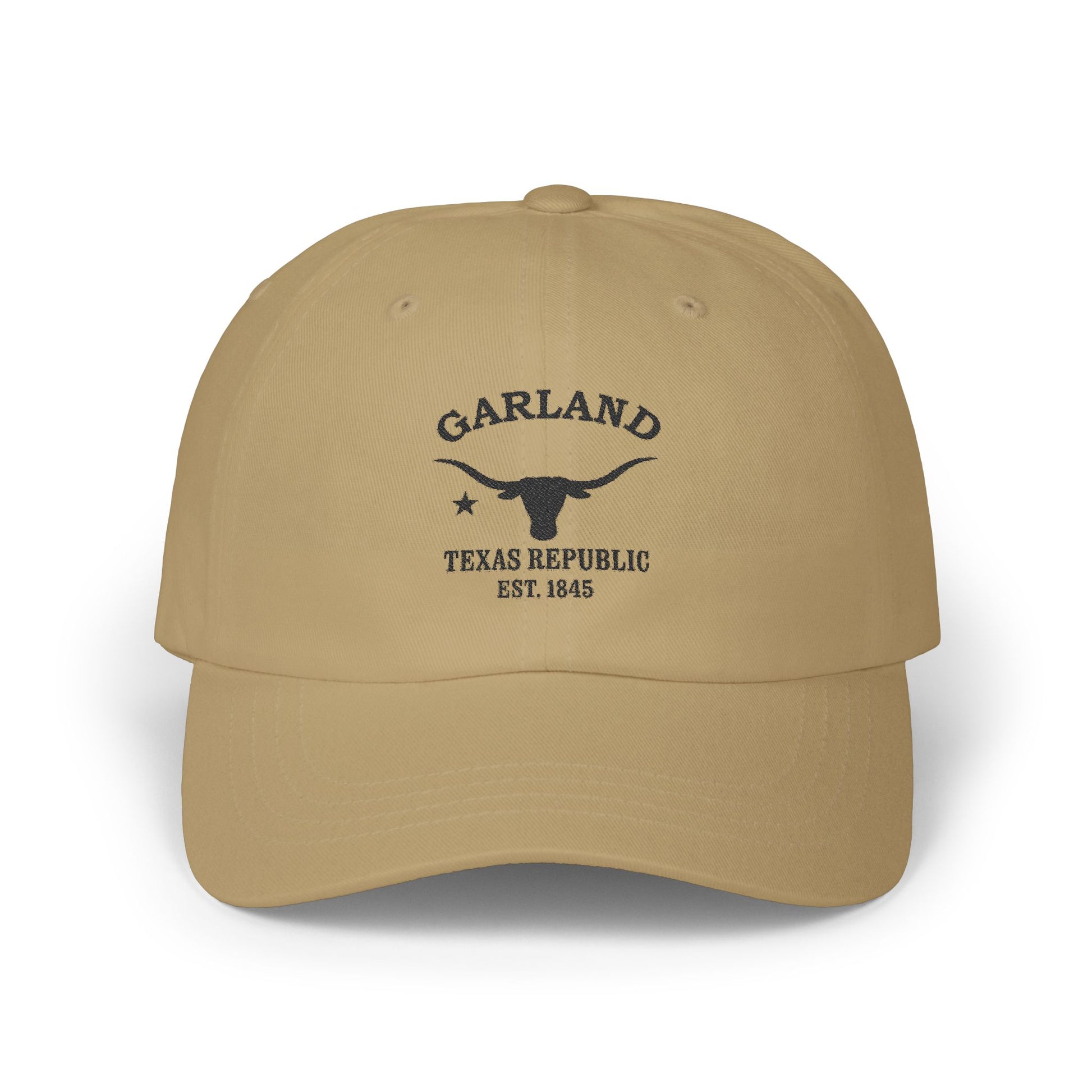


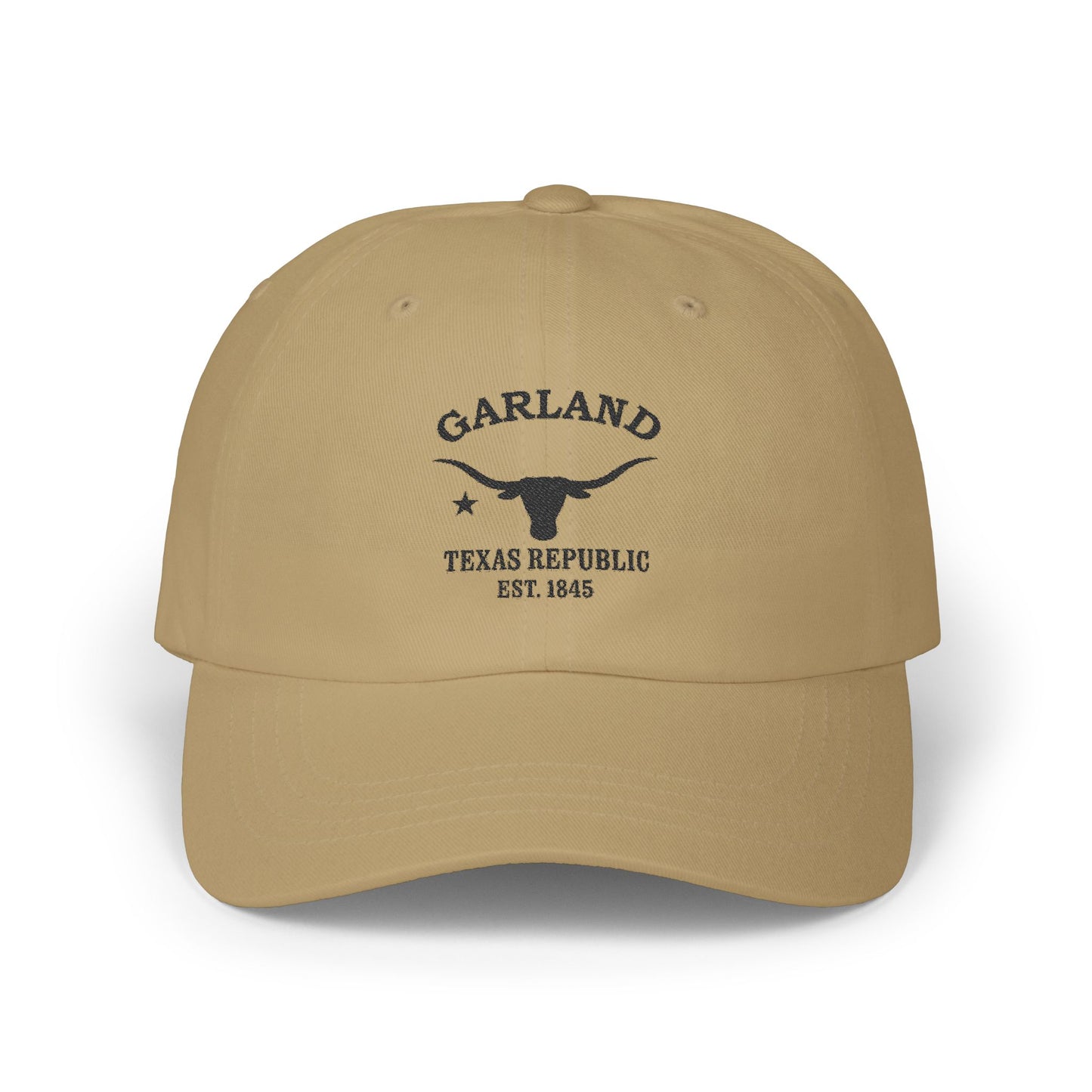


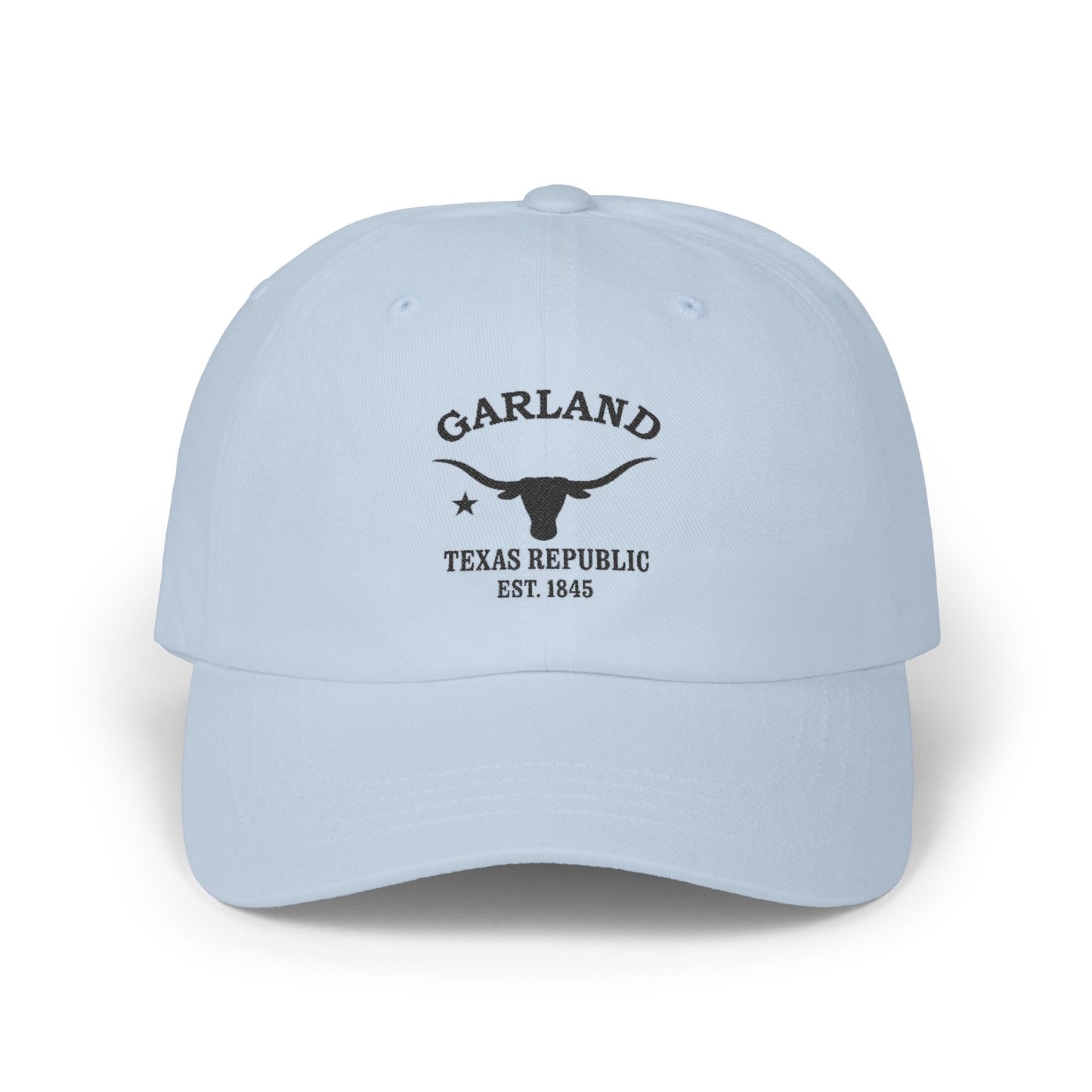
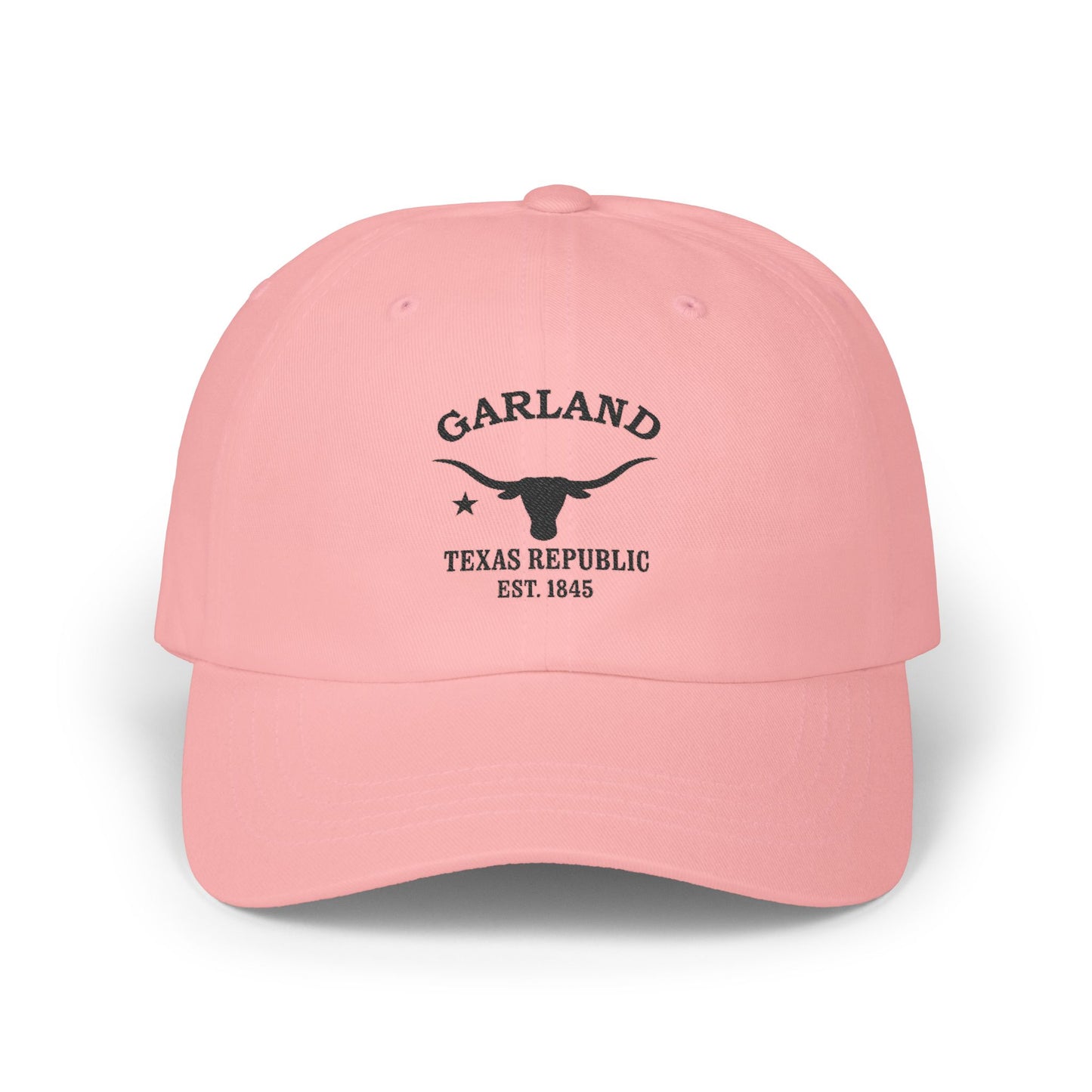
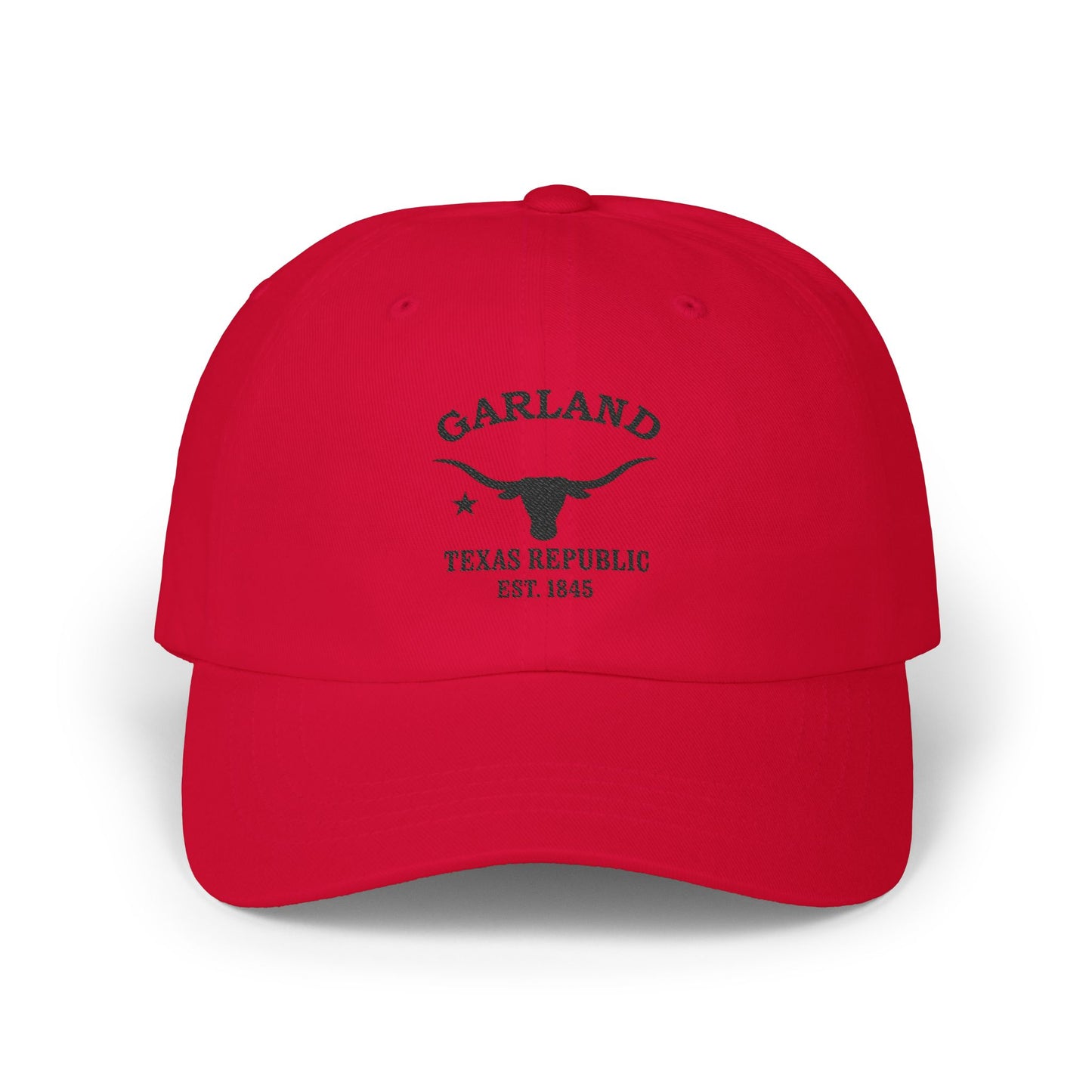
One town made from two — a North Texas city that started as a feud between two railroad camps and got its name from a man who'd never been to Texas. Garland sits on the Blackland prairie northeast of Dallas, where two railroads once built rival depots a mile apart and the towns around them, Duck Creek and Embree, fought for years over which would win. In 1887 a congressman ended it by dropping a post office on neutral ground between them and calling the new town Garland. Cotton, onions on the rail line, and Texas hats since — this page tells the story.
The first settlement here was Duck Creek, a Peters Colony community on the creek that still runs through the city, with a post office by the 1850s. Then the railroads came. In 1886 the Gulf, Colorado & Santa Fe and the Missouri, Kansas & Texas — the Katy — both bypassed old Duck Creek and built depots about a mile apart, and two rival towns sprang up beside them: Embree on the Santa Fe line, and a new Duck Creek on the Katy. The two fought hard — over the post office, over incorporation, over which would swallow the other. In 1887 Congressman Joseph Abbott settled it by moving the post office to neutral ground between the depots, and the new town took the name Garland, for U.S. Attorney General Augustus H. Garland. Garland incorporated in 1891.
Why People Visit Garland Texas
- Stroll the historic downtown square and the restored Plaza Theatre (1941).
- Get out on Lake Ray Hubbard for boating, sailing, and shoreline parks.
- Walk the old-growth bottomland of Spring Creek Forest Preserve.
- Ride the wooded singletrack at Rowlett Creek Preserve.
- Shop and gather at Firewheel Town Center and the downtown events on the square.
