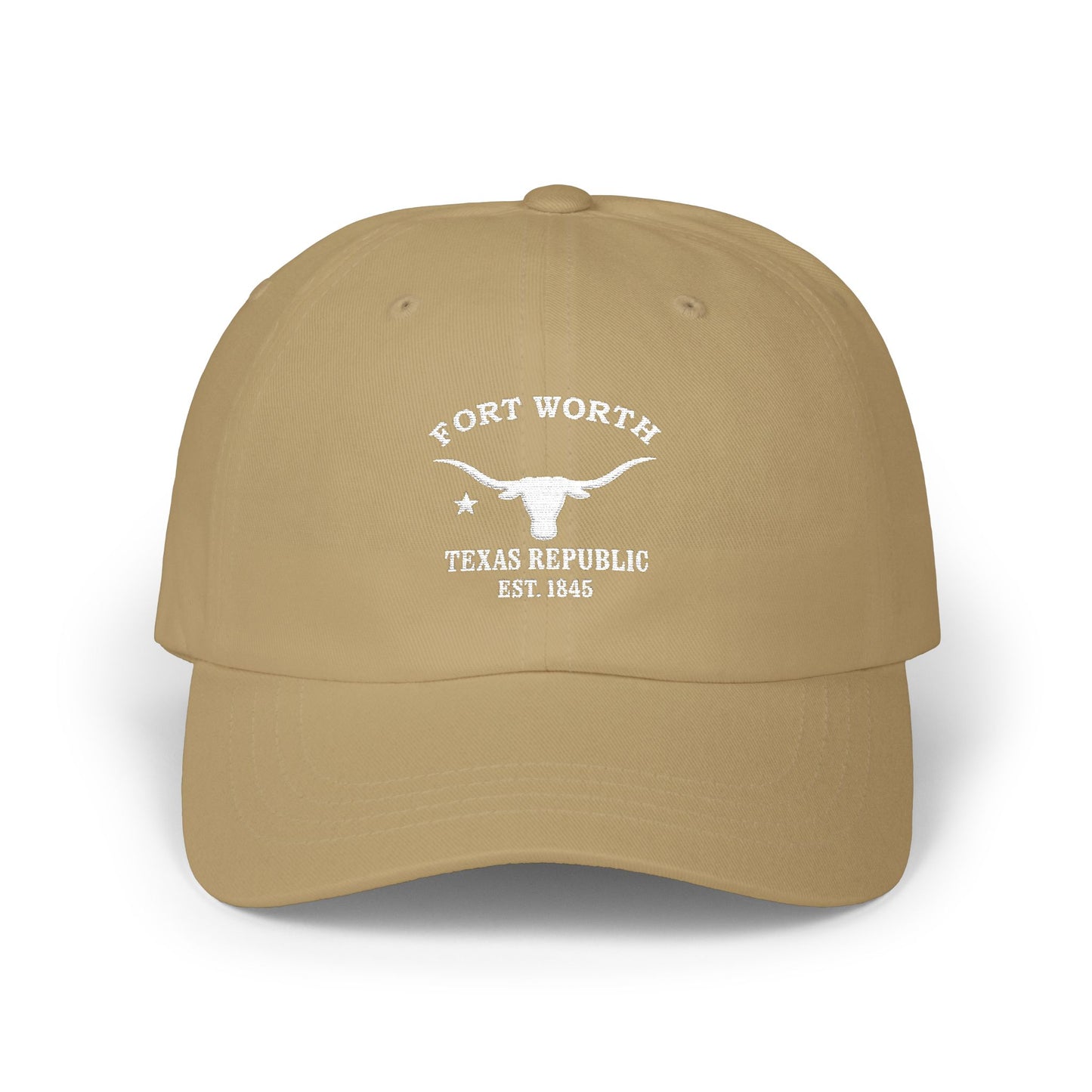
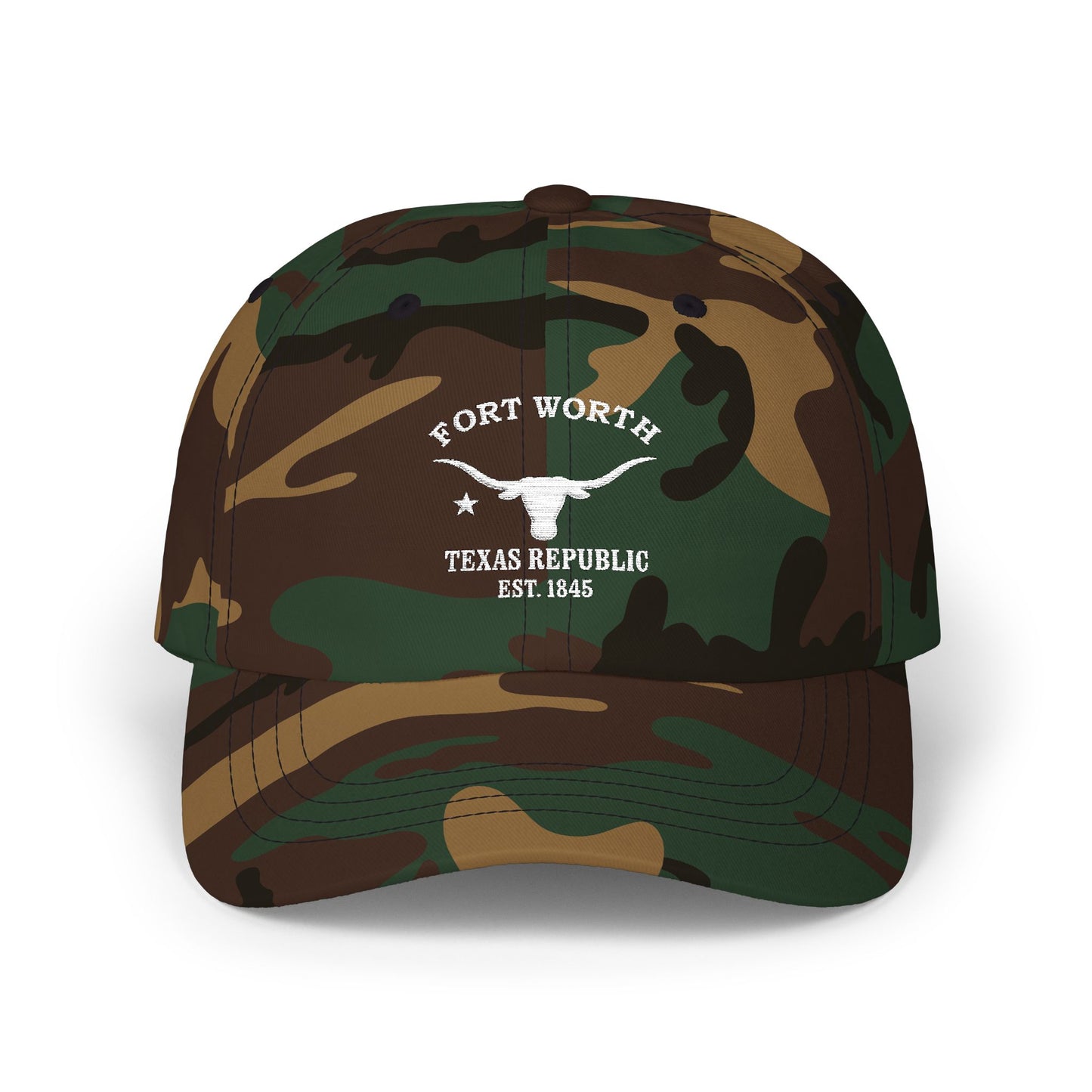
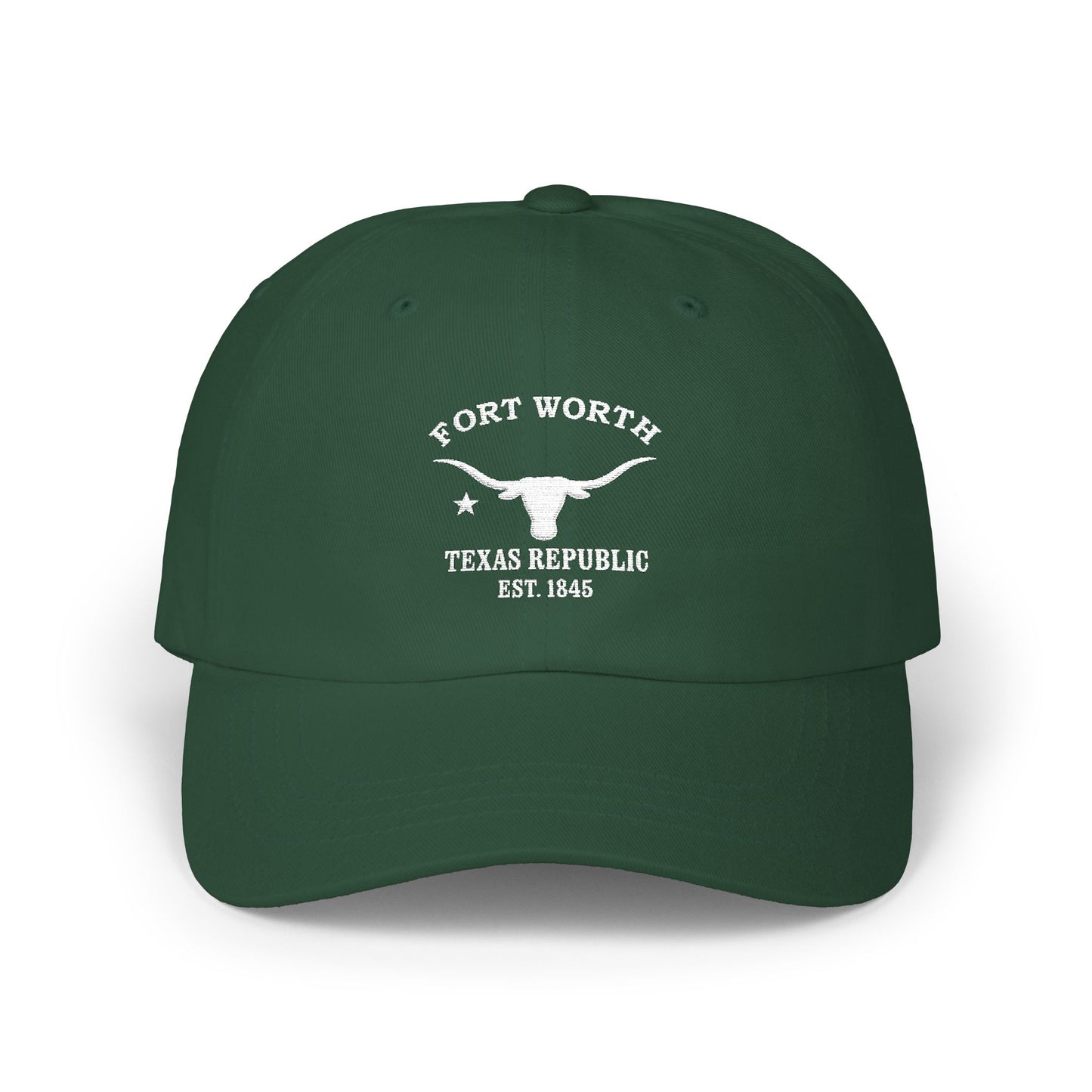
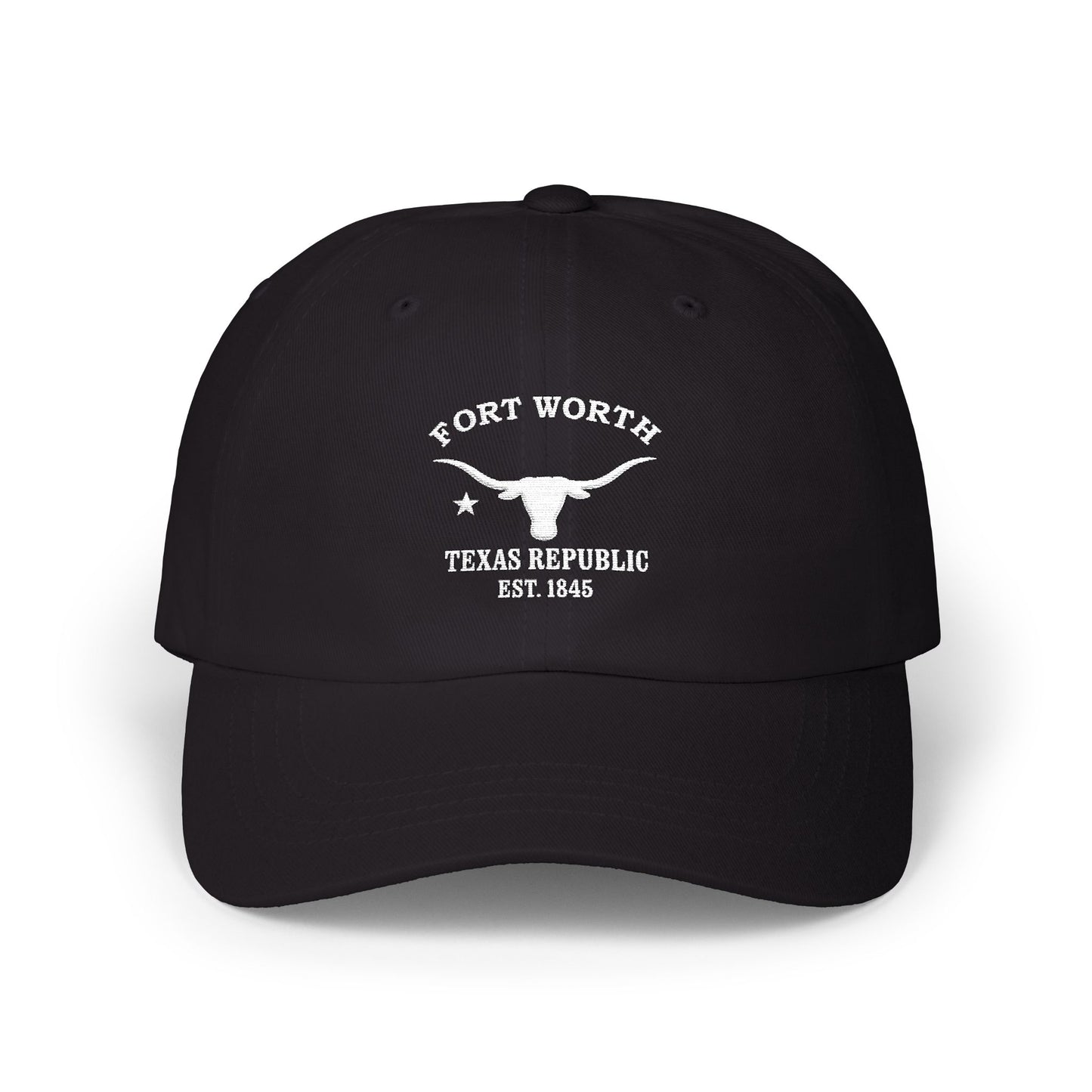
In the late nineteenth century, Fort Worth became a cattle-shipping hub, anchored by the Stockyards. Railroads expanded trade, while oil discoveries boosted growth in the early twentieth century. By the 1950s and 1960s, suburban neighborhoods, highways, and industries transformed the city. Fort Worth balanced ranching pride with modern expansion, keeping its frontier identity while adapting to postwar optimism. Its timeline highlights resilience and ambition: cattle pens gave way to skyscrapers, but cowboy heritage remained central. Fort Worth's story shows adaptability, making it a city where Texas grit and suburban progress coexisted in mid-century decades.
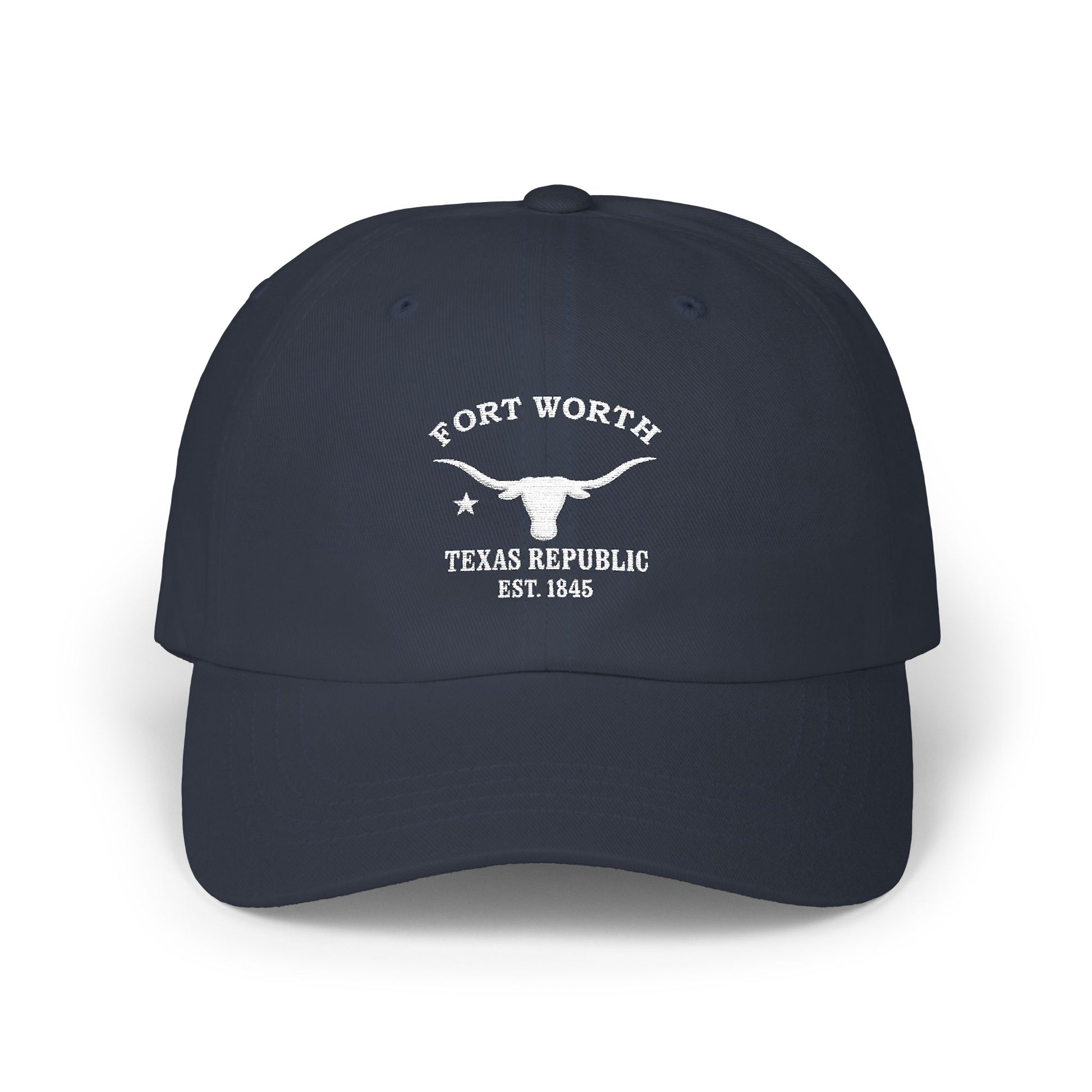
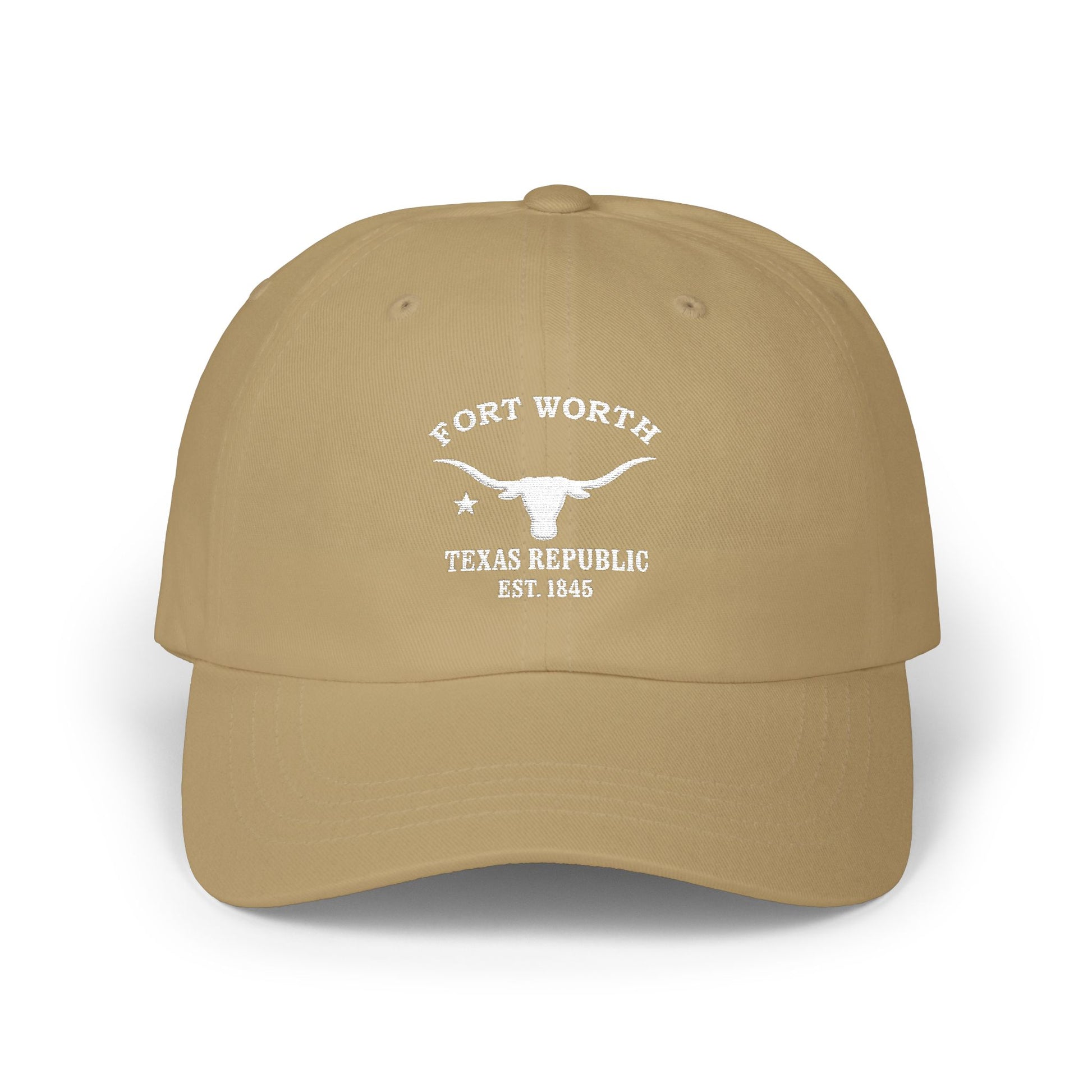
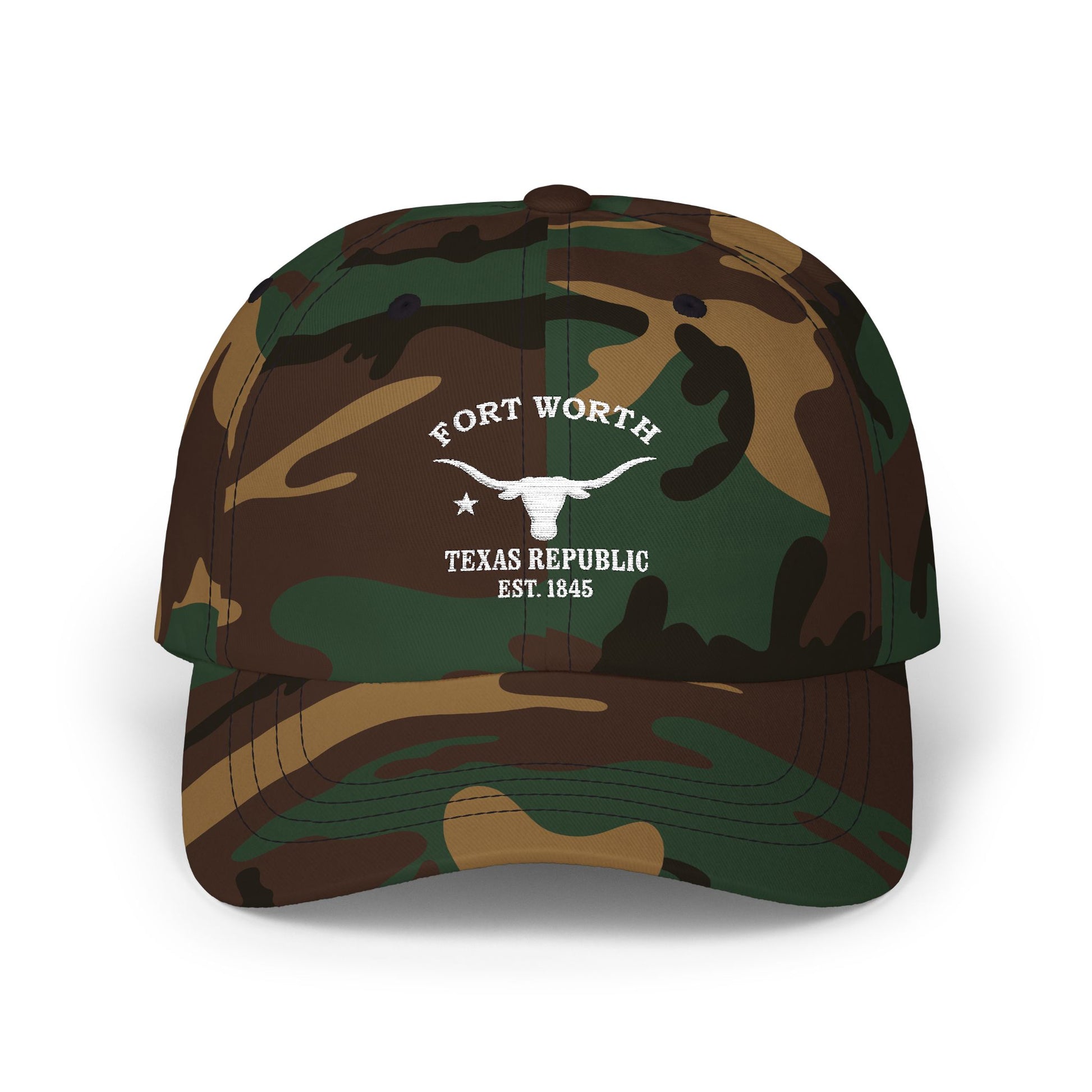
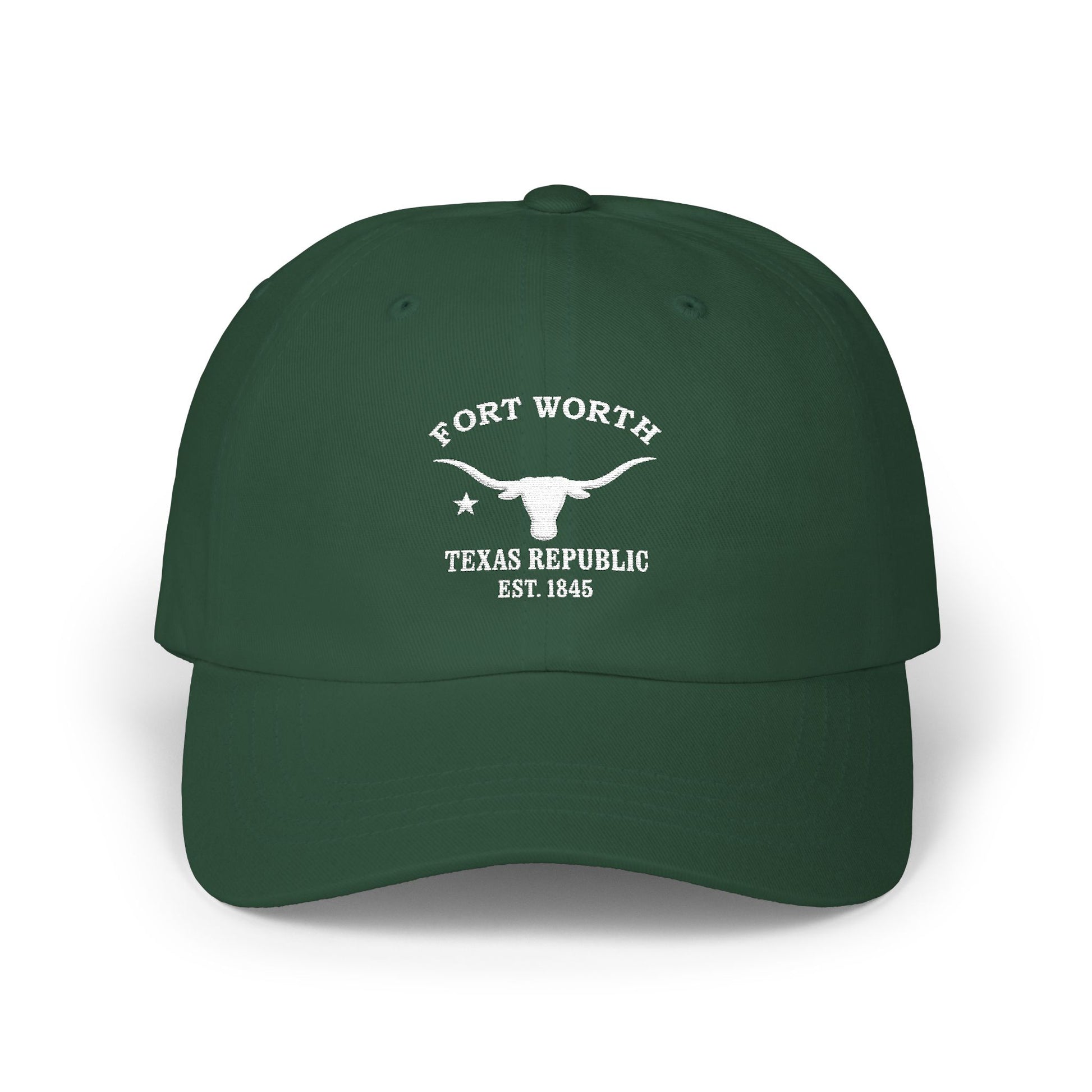
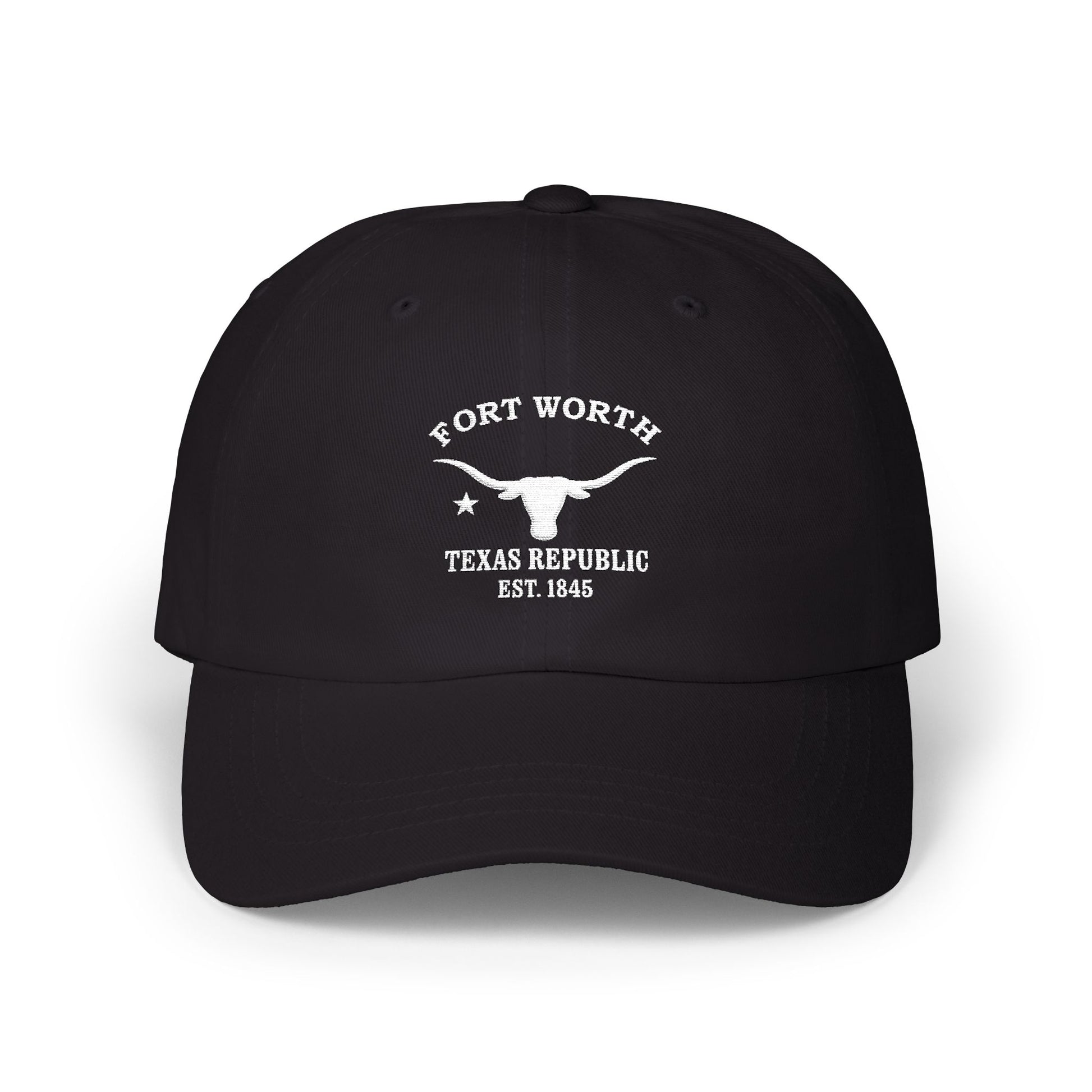
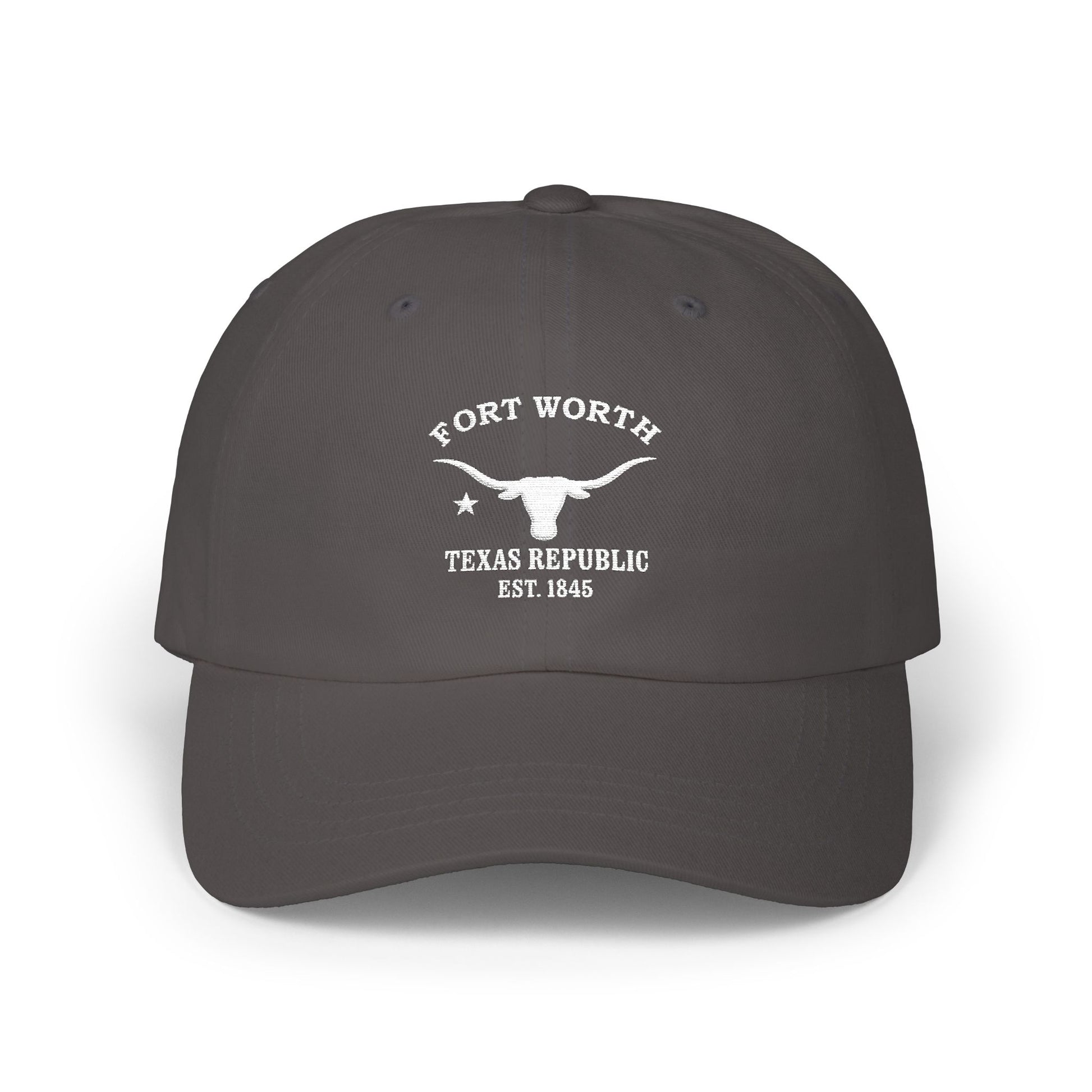
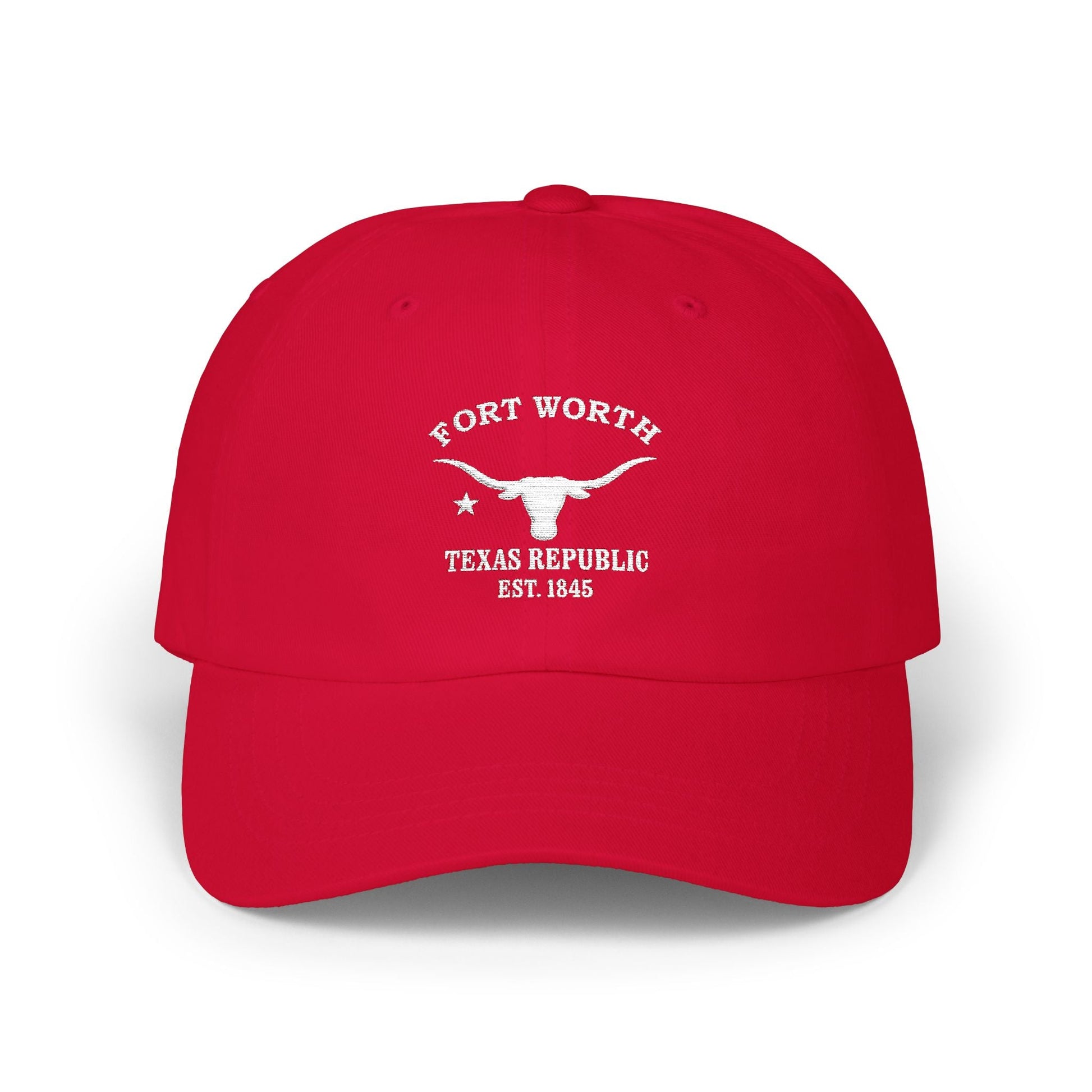
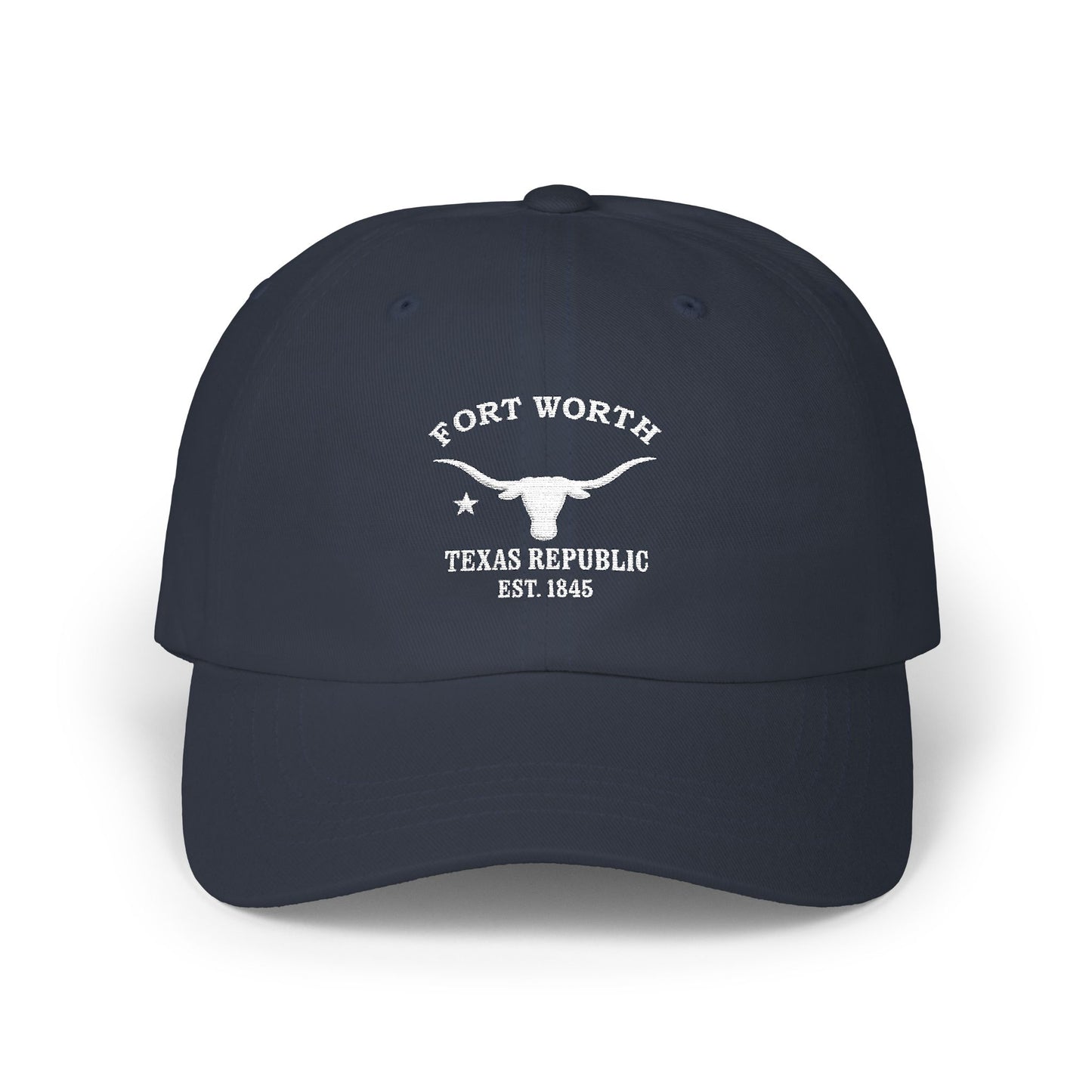
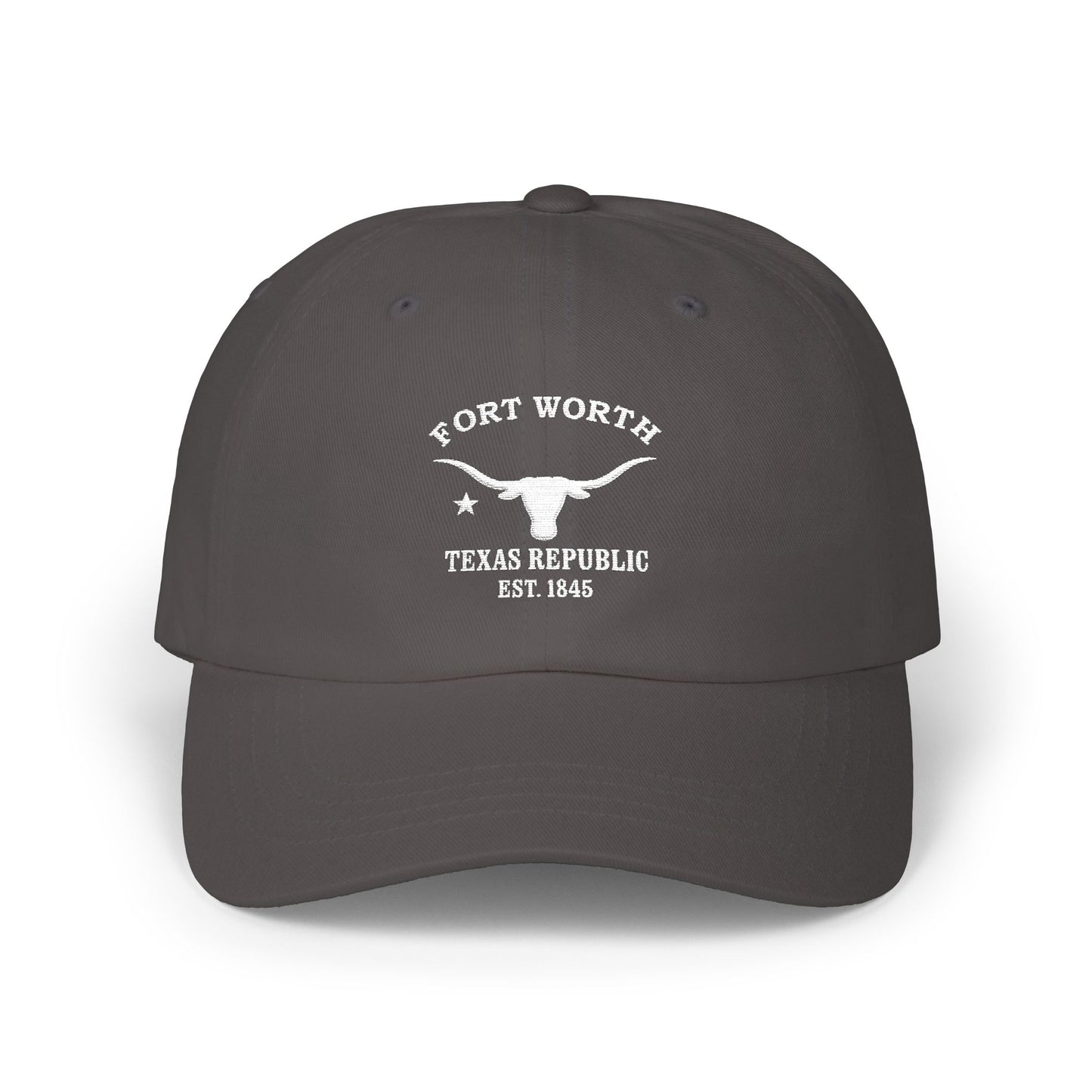
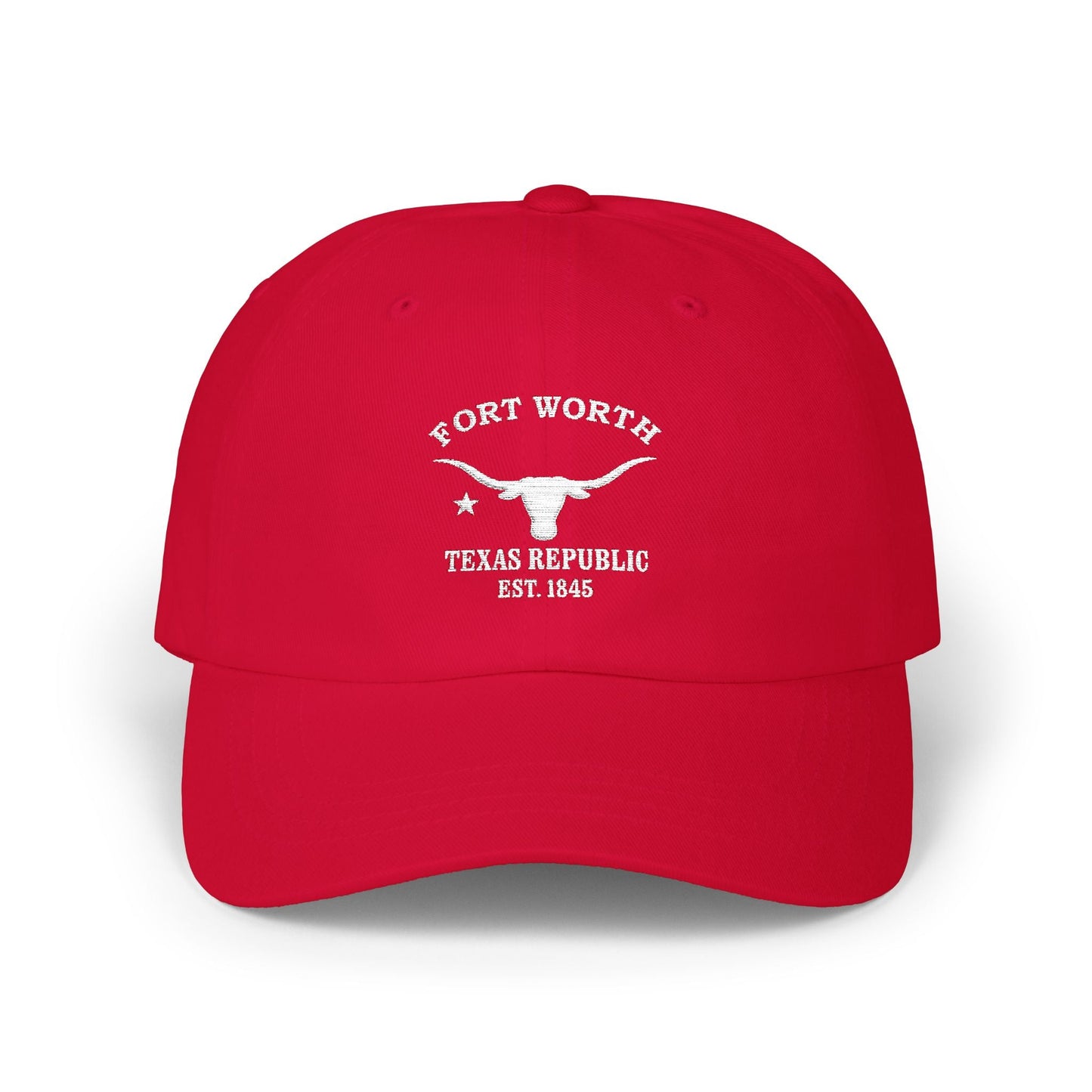
Today Fort Worth is celebrated for its Stockyards, cowboy culture, and suburban neighborhoods. Its story reflects resilience, heritage, and ambition. Our Fort Worth designs embody this layered identity, pairing the longhorn and Lone Star motif with vintage styling. They invite you to explore the Fort Worth collection and carry forward a reminder of Texas's resilience. Retro in tone, the motif reflects toughness and authenticity. Fort Worth's logo honors both frontier and suburban identity, making it a vintage emblem of Texas heritage. Explore Fort Worth's collection and share in the city's enduring story of resilience and pride.
Why People Visit Fort Worth Texas
Fort Worth balances cowboy history with quiet galleries and green spaces. Visitors enjoy museums, gardens, and festive squares. It is proud, cultured, and welcoming. Travelers find year round appeal in parks, paths, and public spaces. The setting combines natural beauty with accessible neighborhoods and landmarks. History and everyday culture sit side by side in a welcoming way. Visitors can plan relaxed mornings and unhurried afternoons without missing key sights.
