


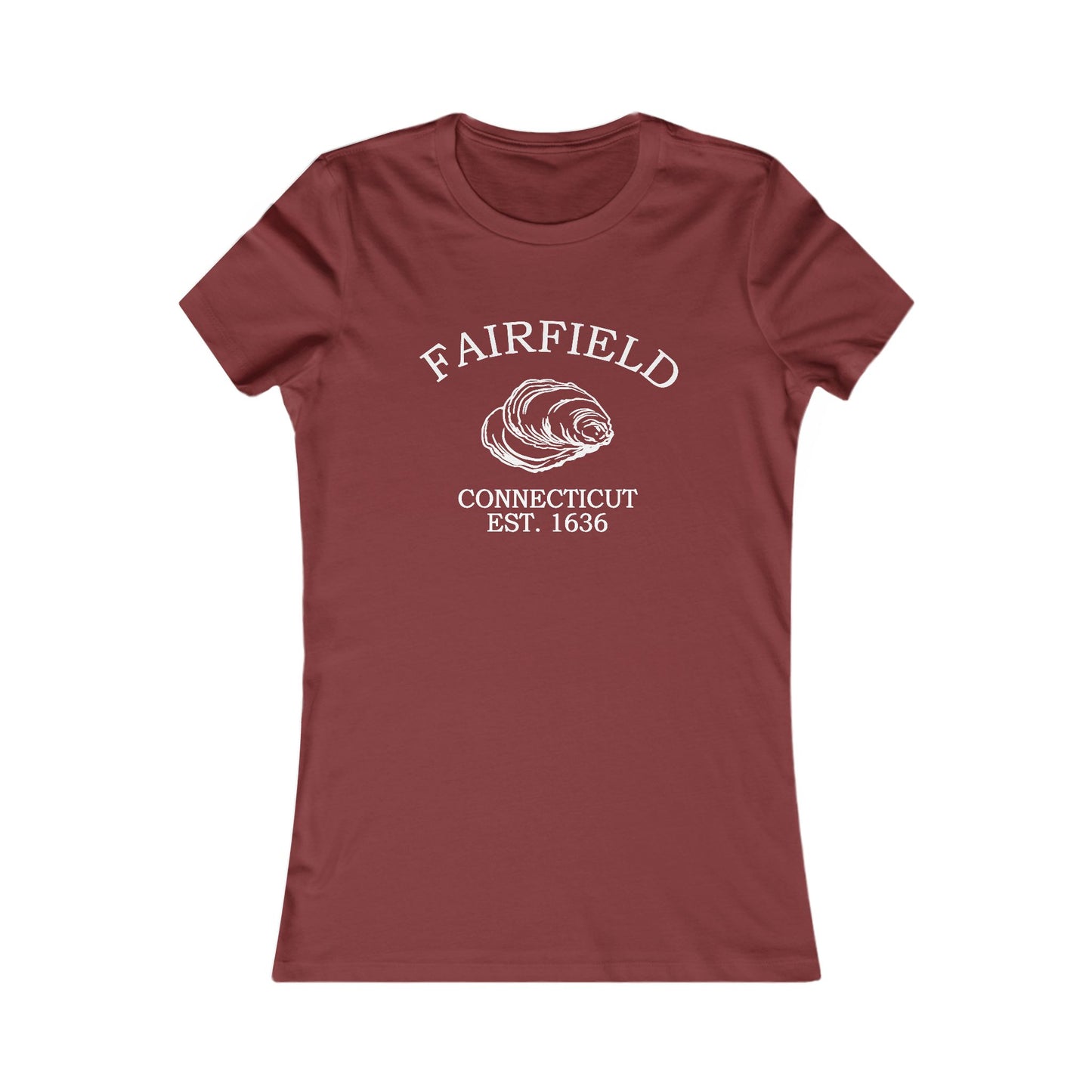
Fairfield grew on farming, fishing, and coastal trade. The British burning of July 7-8, 1779 leveled most of the old town, and Fairfield rebuilt with pride through the Federal era — the Burr Mansion went up in 1790 on the foundation of the house that burned, and dozens of clapboard houses in the post-fire blocks date to those rebuilding decades. In the nineteenth century, industry and railroads expanded, and farms thrived. The 1950s and 1960s brought suburban neighborhoods, schools, and cultural growth, reshaping the community. Its timeline reflects Connecticut's dual identity: colonial heritage adapting to suburban optimism. Fairfield's mid-century decades highlighted cultural pride, festivals, and suburban celebrations, blending heritage with growth. The town's story illustrates resilience, continuity, and adaptability, ensuring pride remained central even as suburban expansion accelerated across the shoreline.
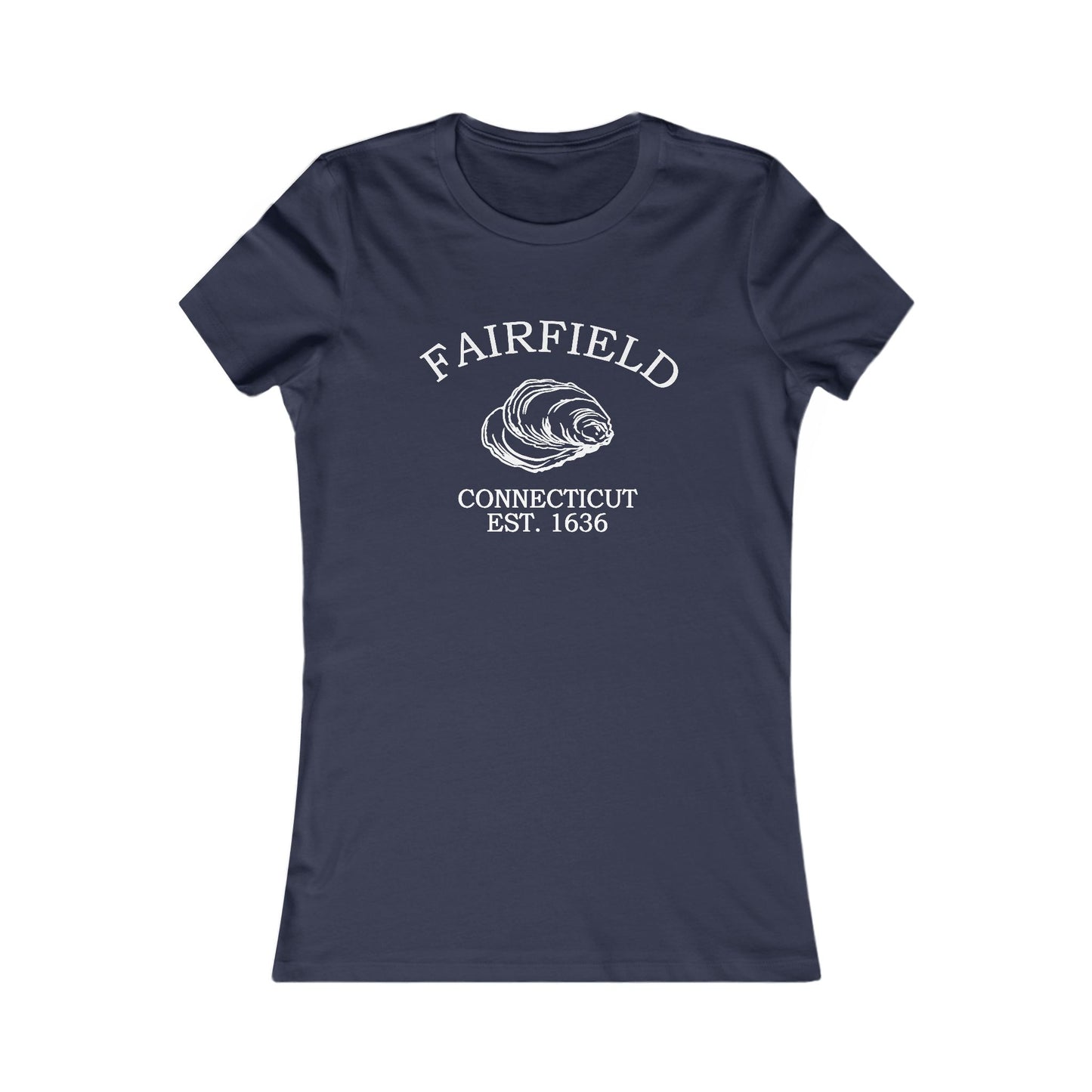
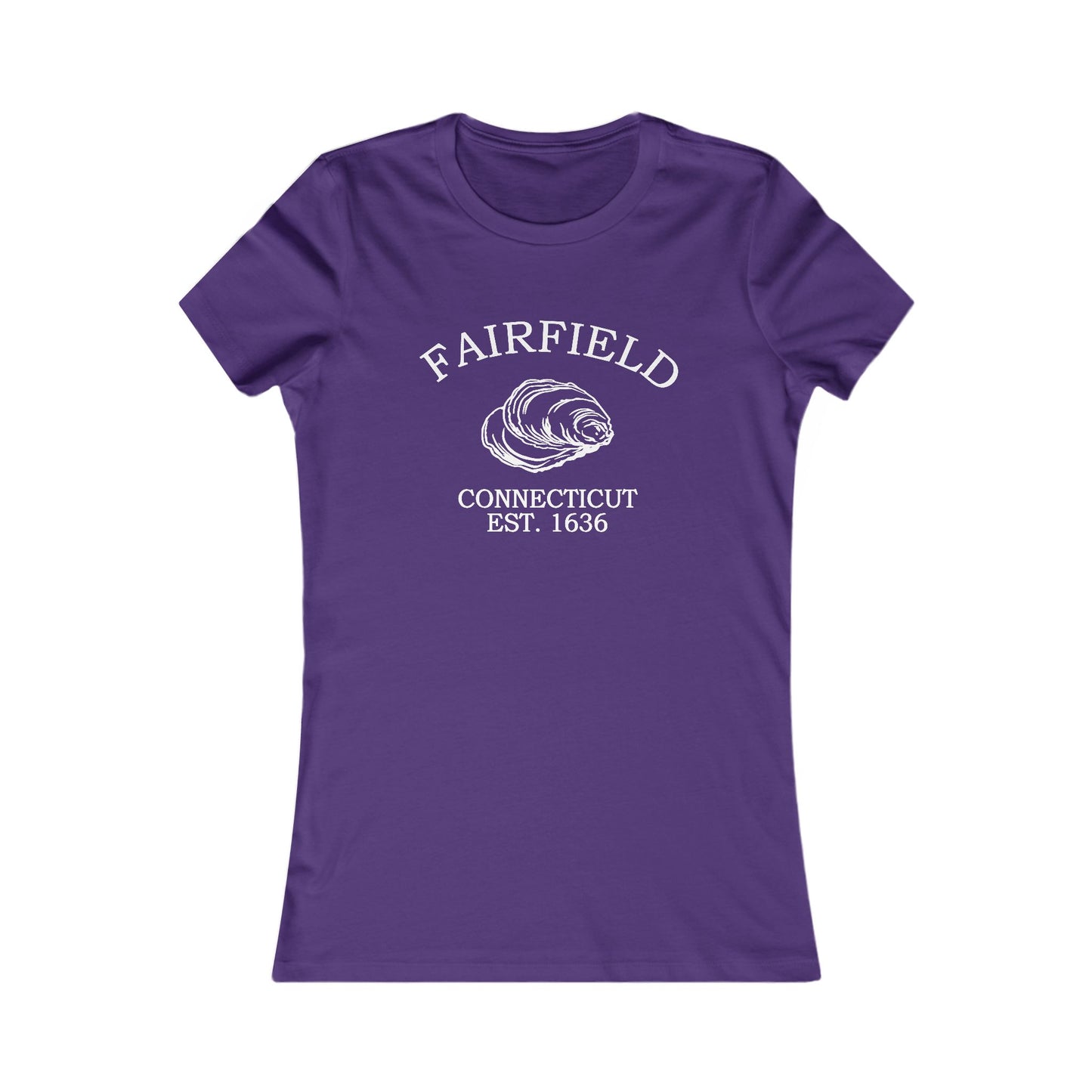
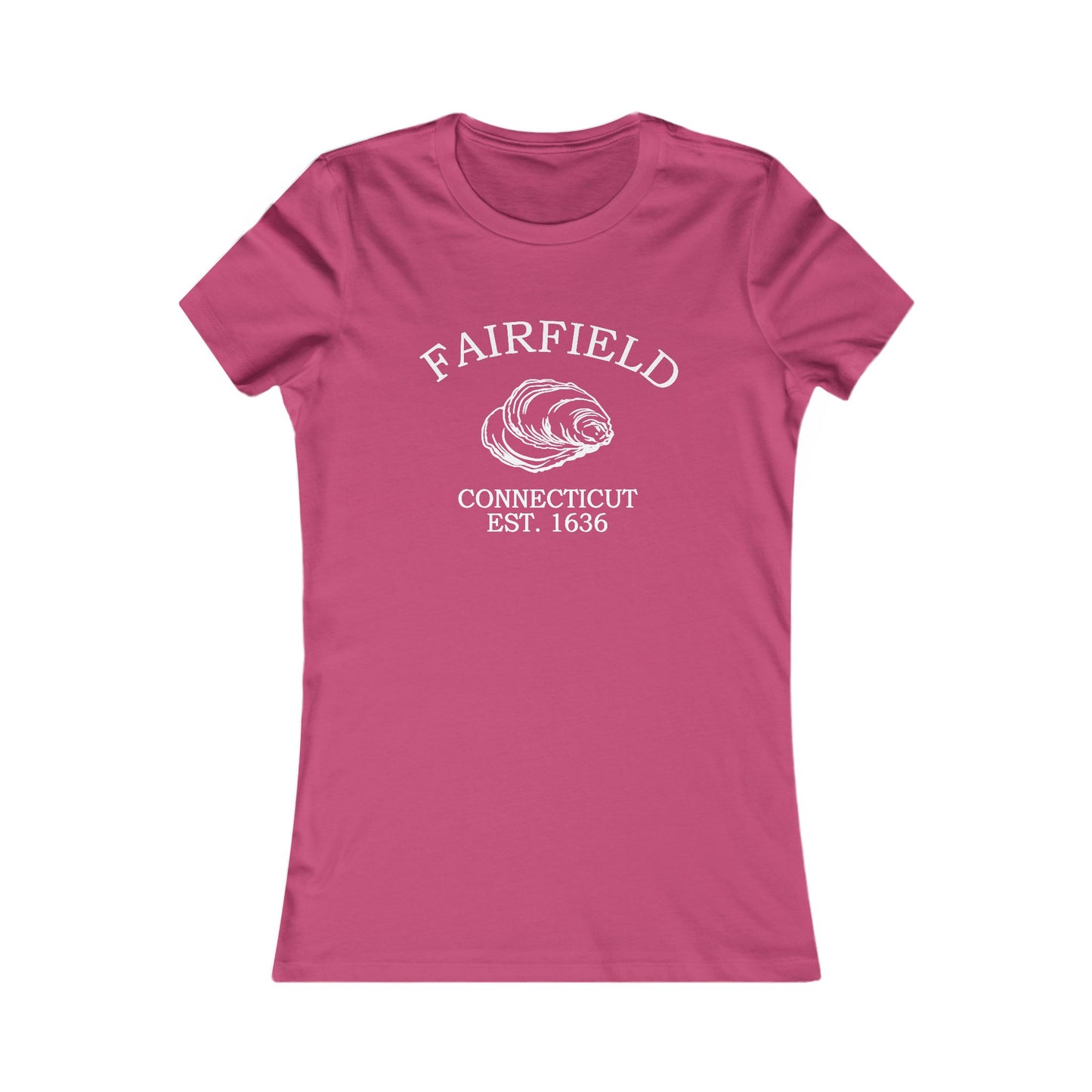
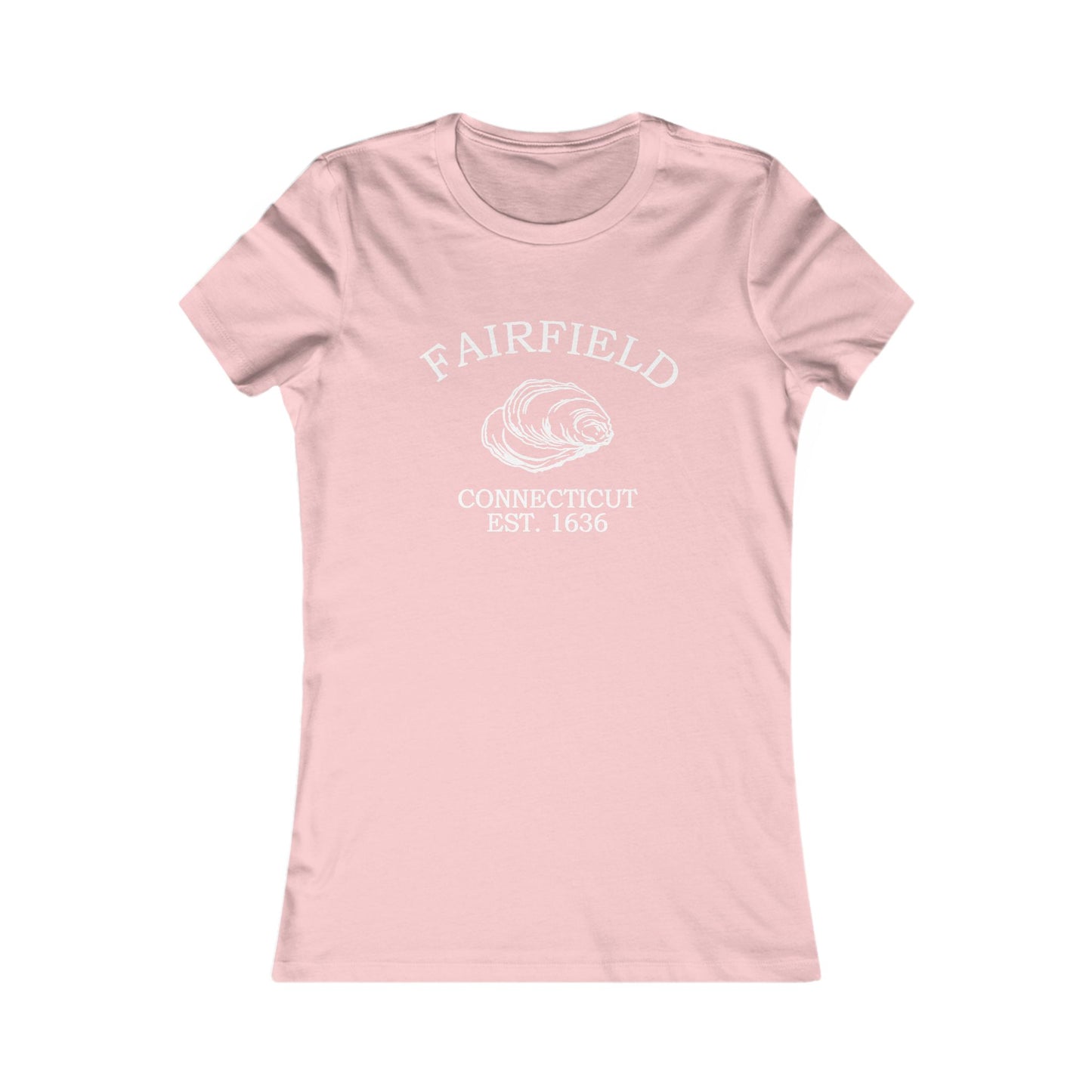
Today Fairfield is celebrated as a Long Island Sound community with deep colonial roots, a National Register historic green, intact Federal-era streetscapes, and the Greenfield Hill village that the British fire spared. Its story reflects Indigenous heritage, the Fundamental Orders, the 1779 burning, the Federal rebuild, and modern shoreline growth. Our Fairfield designs celebrate this layered identity, pairing the clam shell motif with vintage styling. They invite you to explore the Fairfield collection and carry forward a reminder of resilience. Retro in tone, the logo reflects endurance and authenticity. Fairfield's emblem honors both shoreline heritage and the constitution-state founding, making it a vintage symbol of Connecticut pride. Explore the collection and share in Fairfield's story.
Why People Visit Fairfield Connecticut
- Tour the Fairfield Museum and History Center beside the historic town green — the primary local archive and the place to learn about Roger Ludlow's 1639 founding, the Fundamental Orders, the 1779 burning under General Tryon, the Federal-era rebuild, and the Mary Staples witchcraft trial of 1654.
- Walk the Fairfield Town Green and the post-1779 rebuild blocks along Beach Road and the Old Post Road — the Burr Mansion (1790, town-owned, open for tours), the Sun Tavern (1780), the Powell House (1755, one of the few houses to survive the fire), and the row of Federal-era clapboard houses that rose from the ash.
- Drive or bike up to the Greenfield Hill Historic District — the hill village the British fire spared, with one of the largest concentrations of intact eighteenth and early nineteenth century homes in New England, where Yale president Timothy Dwight wrote his 1794 epic poem "Greenfield Hill."
- Visit the Pequot Library in Southport, the 1894 Romanesque-revival reference library with a long-running antiquarian Pequot War and colonial Connecticut research collection.
- Relax on Jennings Beach, the broad town-owned Sound beach with soft sand, playgrounds, and wide views toward the Norwalk Islands.
- Look offshore for Penfield Reef Lighthouse, lit in 1874, the brick-and-stone tower a mile and a half out in the Sound that has guided shipping past the long submerged reef ever since.
- Walk Sherwood Island State Park in adjacent Westport — Connecticut's first state park, established in 1914 — for the long Sound-front beach and the September 11 memorial overlooking the Sound.
- Walk the Lake Mohegan loop, the inland forest park with short cascades, a swimming hole, and picnic lawns.
- Browse the Old Post Road shops and the downtown blocks linking the green to the train station.
- Stroll through Southport village, the small harbor settlement of Federal-era sea captains' houses on Southport Harbor — Fairfield's quietest National Register district.
