


The twentieth century turned Fairfield toward New York: Metro-North made it an hour’s commute, Fairfield University opened in 1942 and Sacred Heart University in 1963, and the four miles of Sound-front beaches — Jennings, Penfield, Sasco — became the summer heart of town. On Greenfield Hill the dogwoods that Timothy Dwight praised in his 1794 epic poem “Greenfield Hill” still bloom each May, and along the shore the tide keeps sorting sand, shells, and the odd worn fragment of the town’s long story — beachcombers have been reading Fairfield’s history out of its sand for generations.
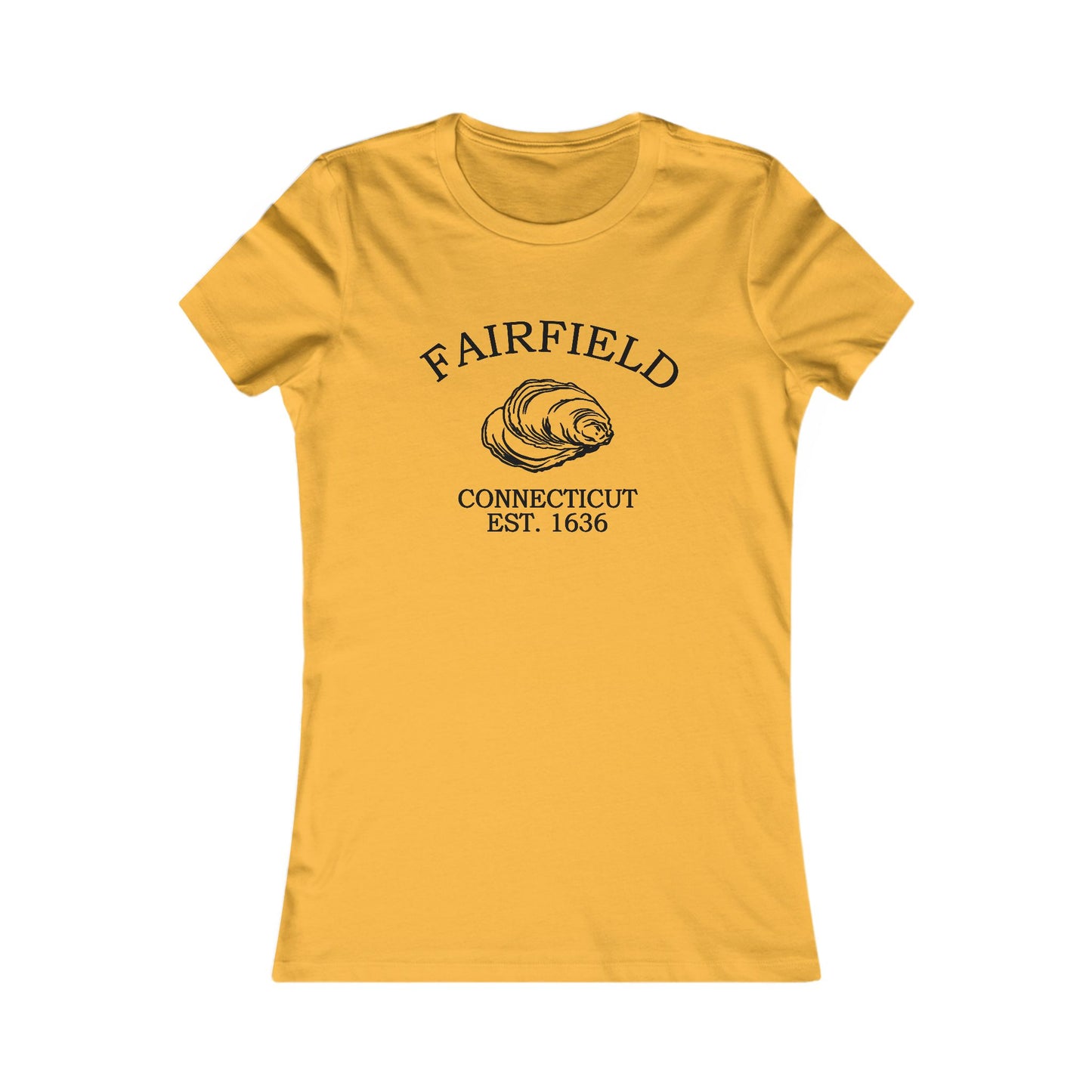
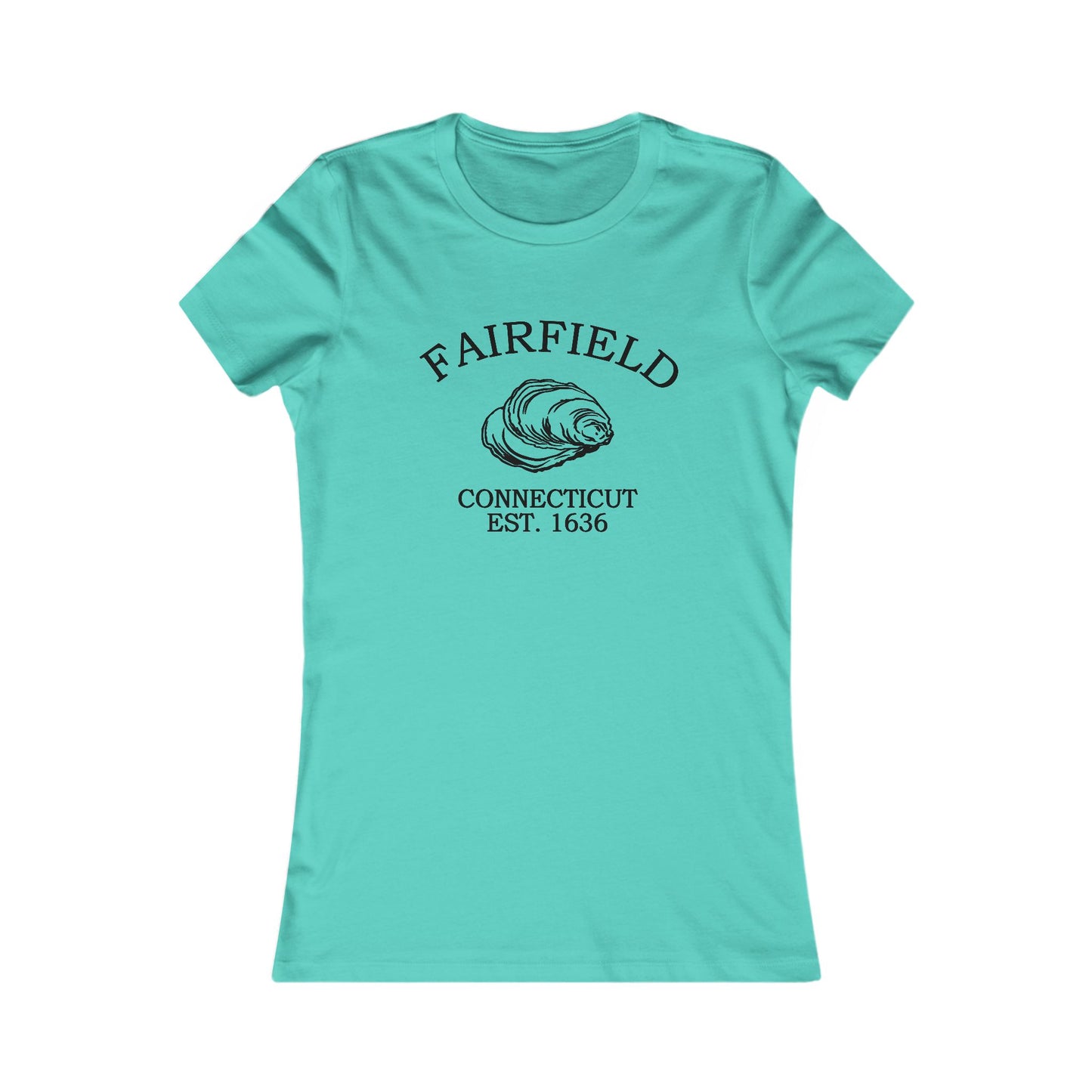
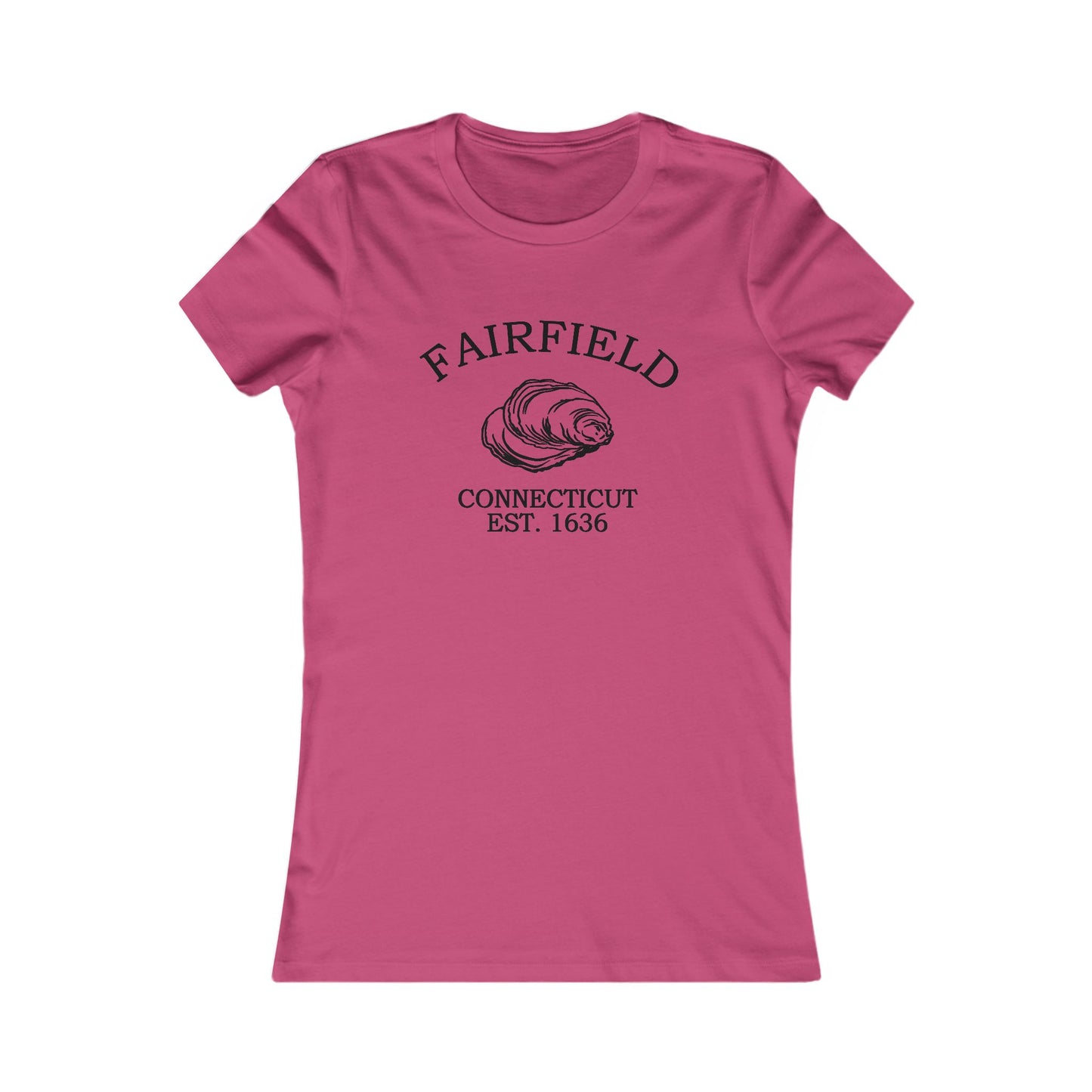
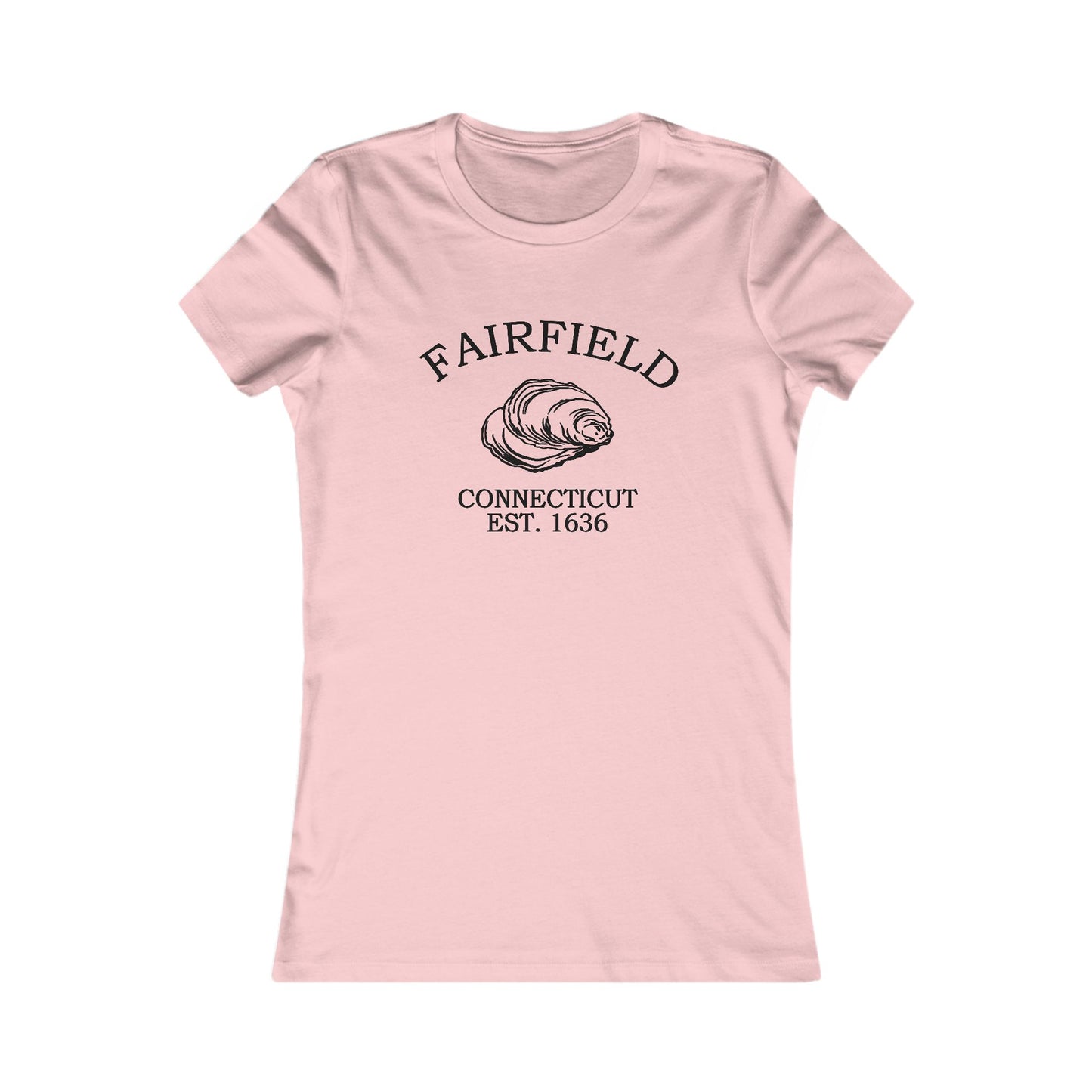
Our Fairfield retro logo uses Connecticut's clam shell motif, the brand-wide shellfish emblem of every Merlin Classics CT shoreline town, symbolizing shoreline abundance and resilience. The clam represents cultural pride, while "1636" ties the design to the Connecticut Colony's founding era — Fairfield itself was settled three years later in 1639, but the colony-wide "1636" date is the brand-pattern anchor across our Connecticut towns. Black-and-white styling is retro, resembling oyster crate labels and seaside signage. The motif bridges Fairfield's identity: colonial shoreline town and modern suburban community. On merchandise, it conveys authenticity, heritage, and pride, retro in tone. The clam shell emblem honors Fairfield's layered identity, making it a vintage symbol of Connecticut pride, perfectly suited for Long Island Sound heritage.
Why People Visit Fairfield Connecticut
Fairfield offers a deep colonial history, a National Register town green, the Federal-era Burr Mansion and surrounding streetscape, the Greenfield Hill village preserved intact from before the Revolution, an offshore lighthouse, four miles of Sound beaches, and the original Boston Post Road running through the middle of it all. Visitors come for the museum and the green, the Federal architecture along Beach Road, the Greenfield Hill drive in apple season, the Pequot Library, Jennings Beach in summer, and the simple shoreline pleasures of a town that was founded by the lawyer who wrote America's first constitution and rebuilt itself after the British burned it down. It is layered, walkable, and very Connecticut.
