


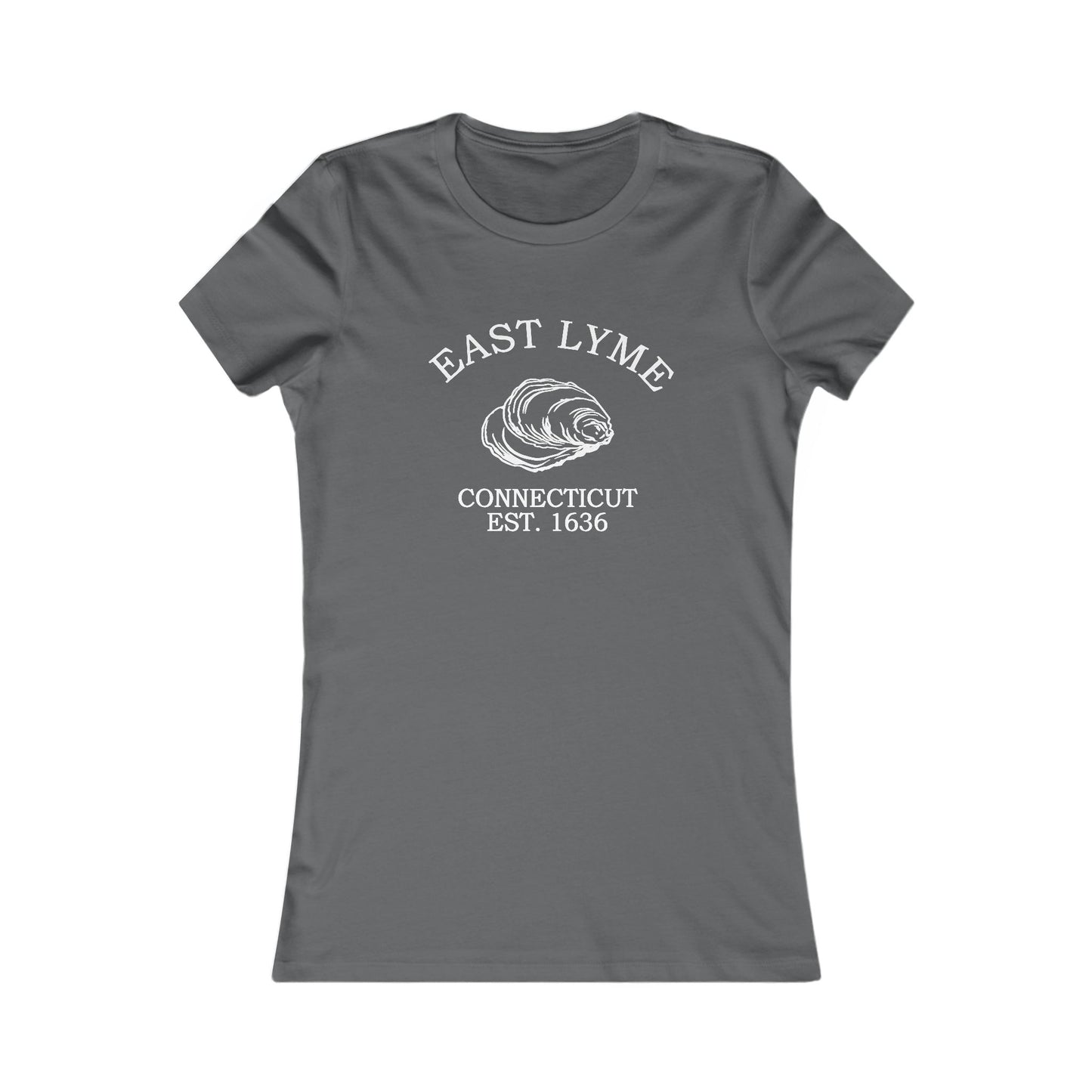
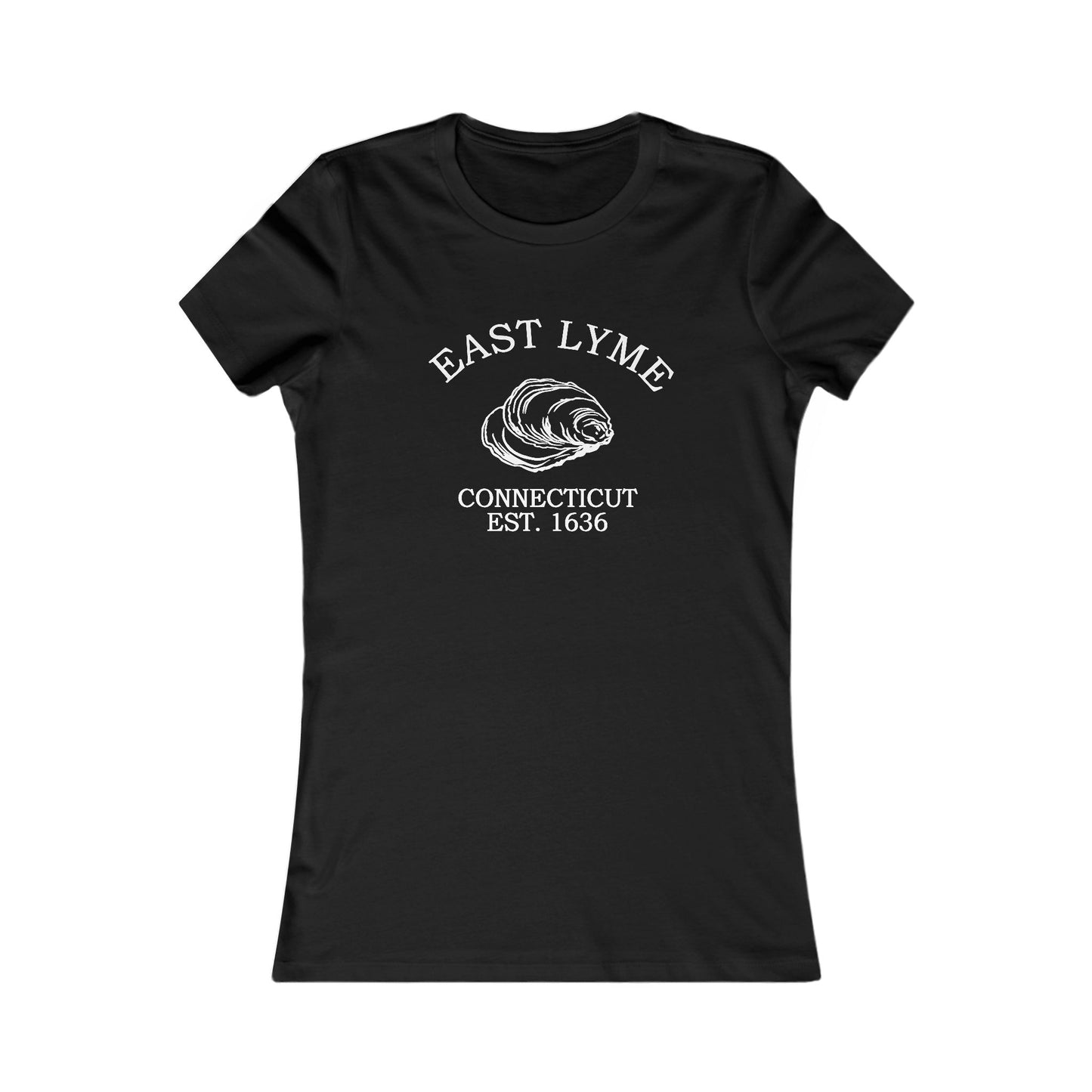
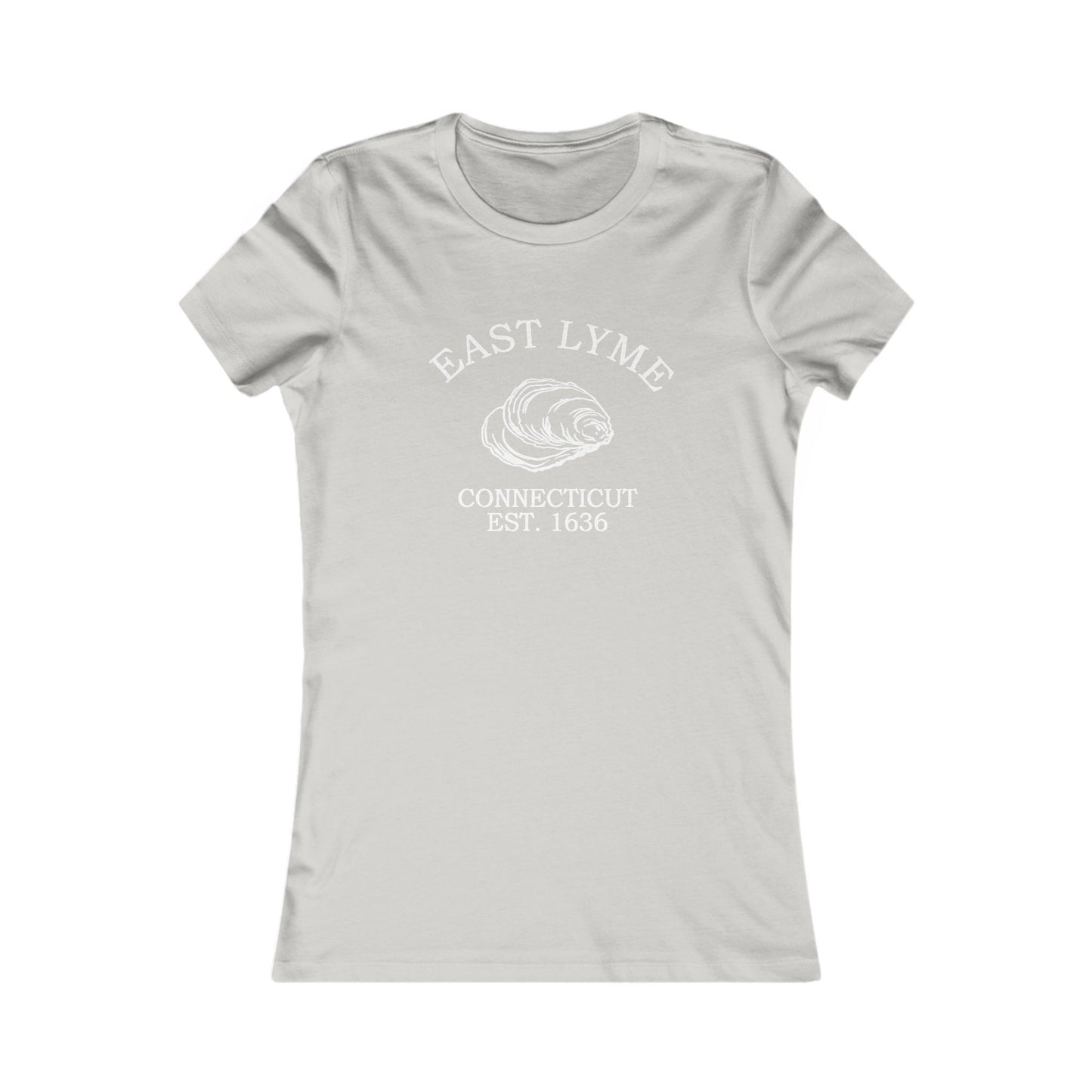
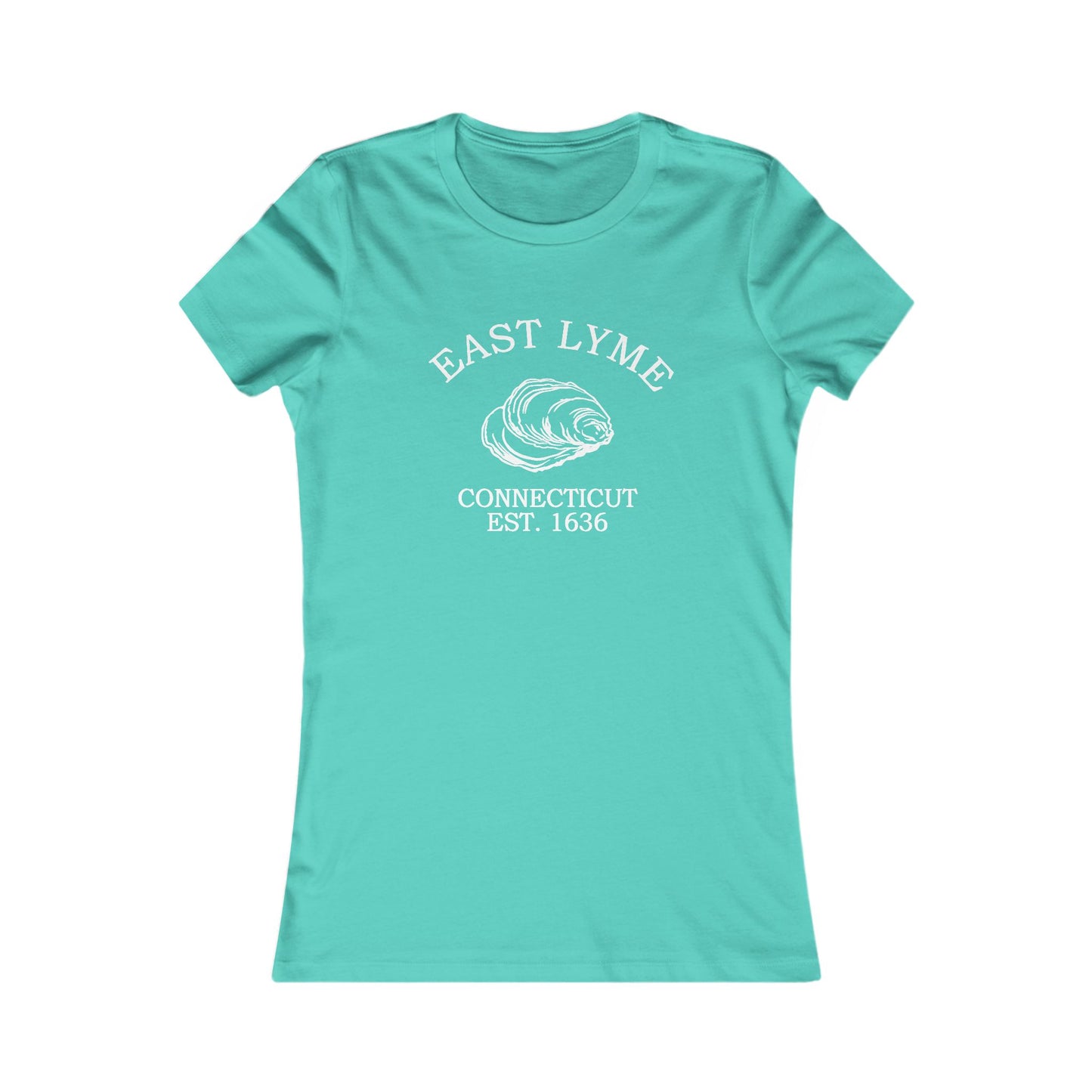
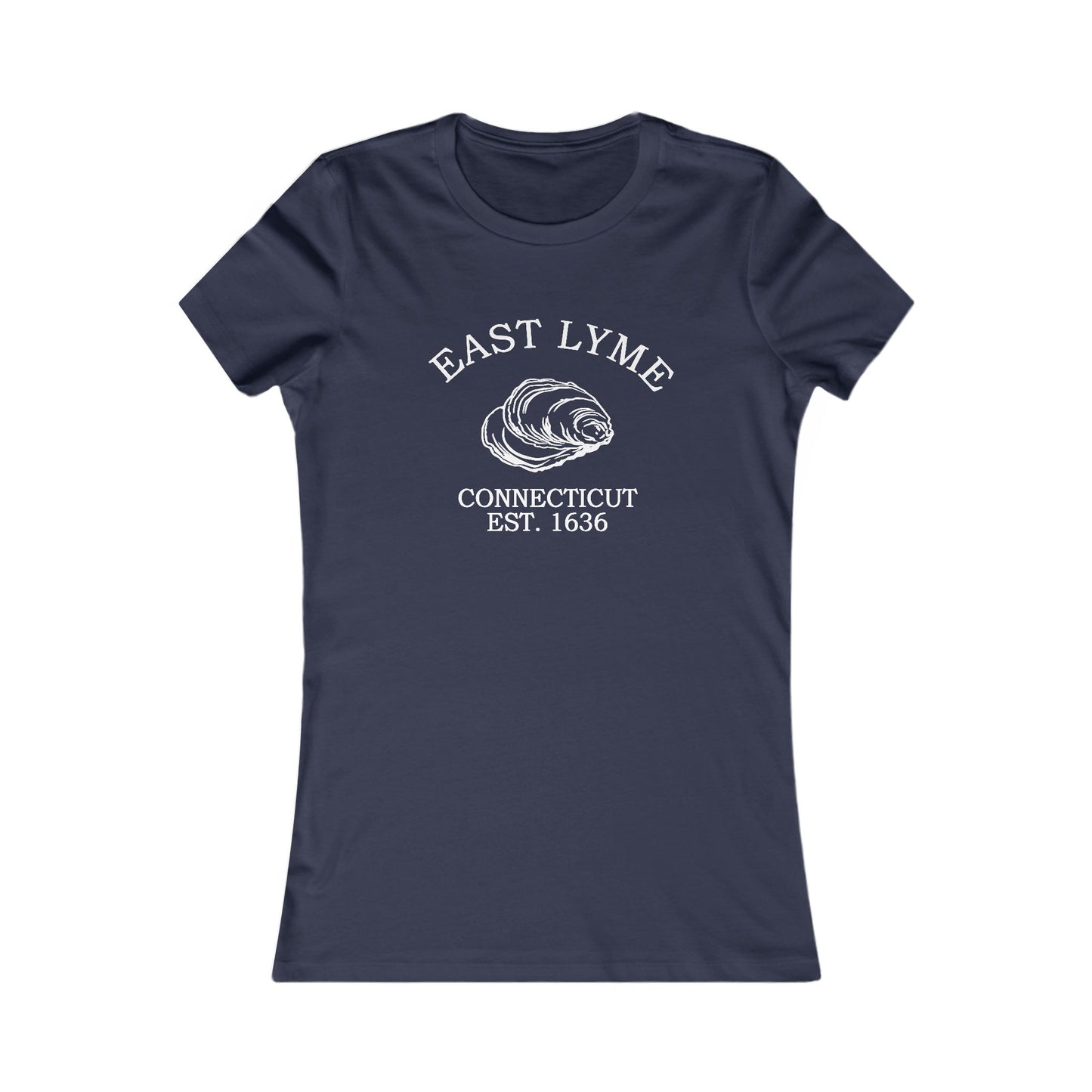
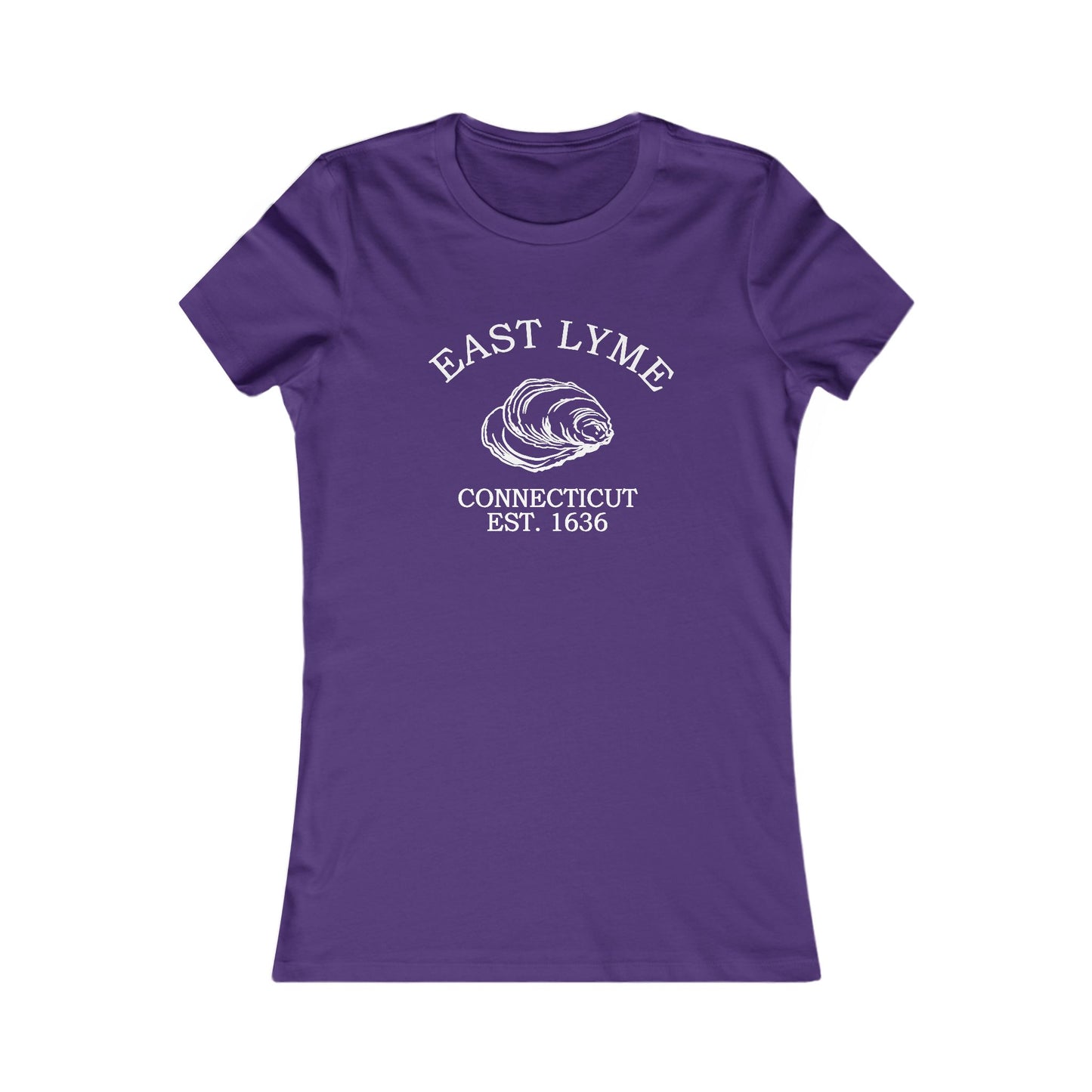
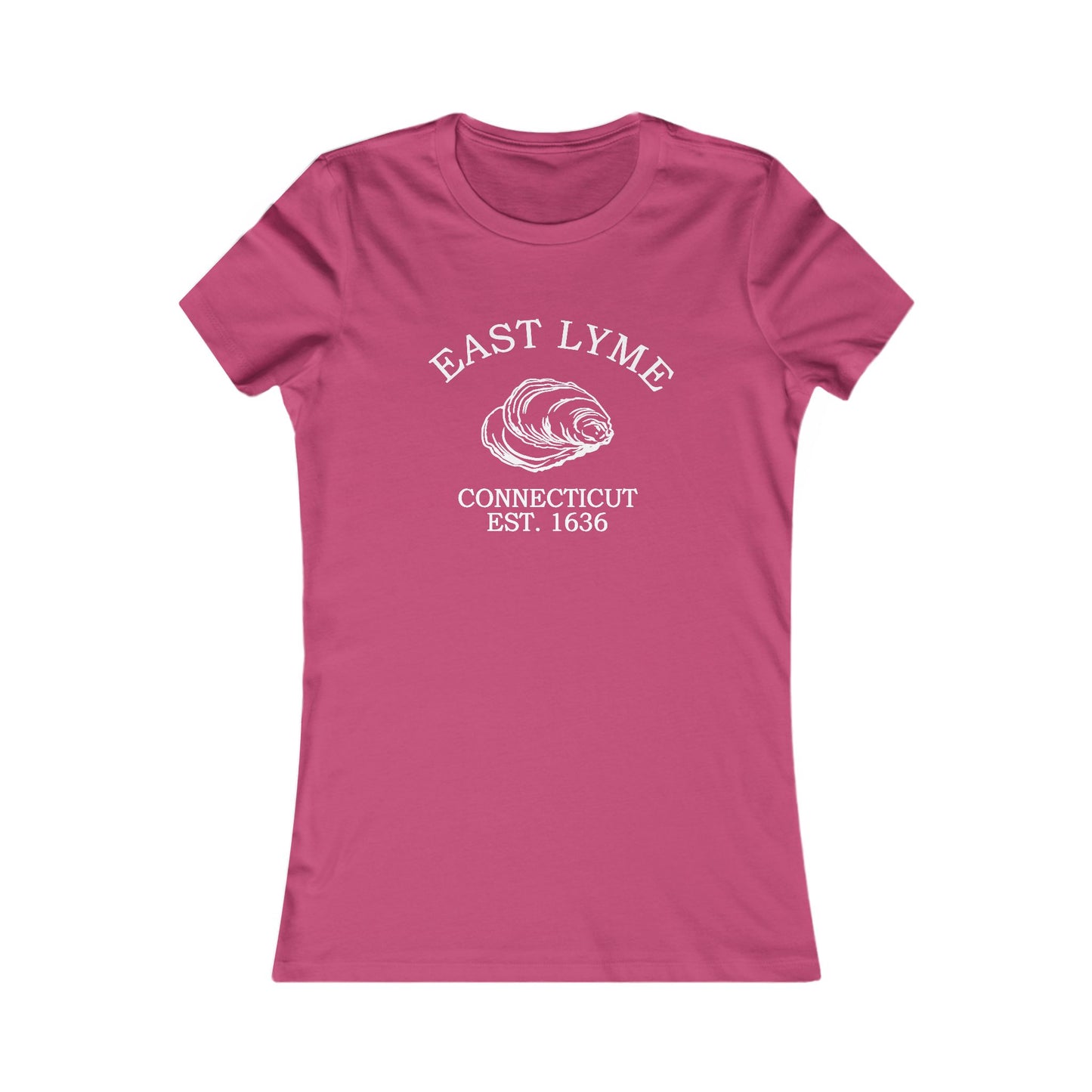
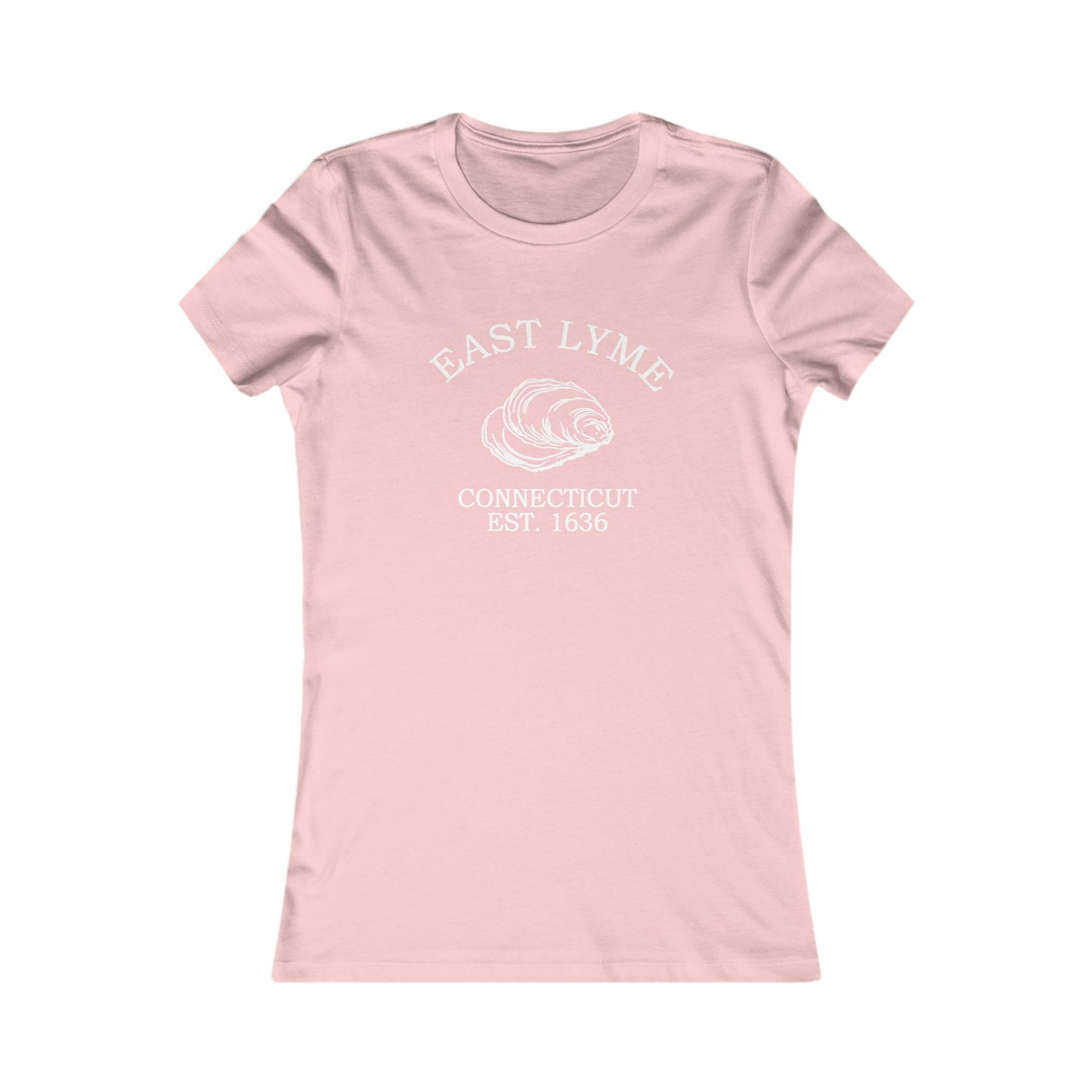
In the eighteenth and nineteenth centuries, East Lyme thrived on shipbuilding, fishing, and farming. By the twentieth century, it became a summer resort destination, attracting New Yorkers and New Englanders. The 1950s and 1960s brought suburban neighborhoods, schools, and roads, reflecting optimism. Its timeline reflects adaptability: colonial shoreline hub evolving into suburban town. East Lyme’s mid-century decades highlighted optimism and heritage, balancing tradition with suburban expansion. Its growth reflects Connecticut’s broader character: shoreline pride and suburban optimism combined into a layered heritage of continuity and resilience across generations of shoreline history.
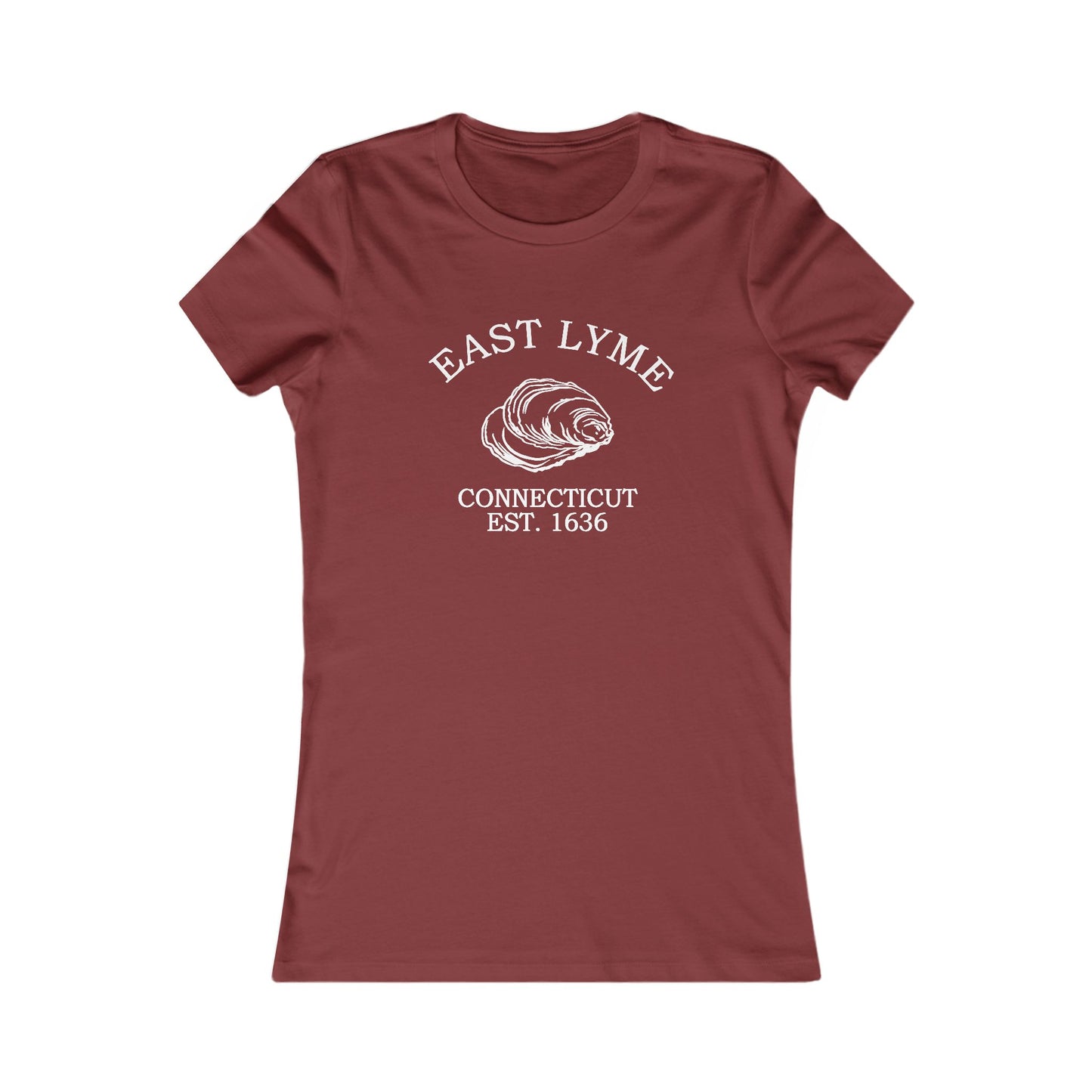
Our East Lyme retro logo uses Connecticut’s oyster shell motif, symbolizing shoreline resilience, abundance, and pride. The oyster reflects maritime heritage, while “1636” ties the motif to Connecticut’s colonial founding. Its black-and-white styling is retro, resembling oyster crate labels and coastal signage. The motif bridges East Lyme’s dual identity: fishing hub and suburban resort. On merchandise, it conveys authenticity, resilience, and pride, retro vintage in tone. The oyster shell emblem honors East Lyme’s layered story, making it a vintage symbol of Connecticut shoreline resilience. Retro in style, it reflects endurance and heritage across centuries.
Why People Visit East Lyme Connecticut
- Sun at Rocky Neck, broad beach, salt marsh, and easy boardwalks by the water.
- Walk Niantic Boardwalk, long seaside path with breezes and panoramic views.
- Stop at the childrens museum, hands on learning in a compact space.
- Relax at McCook Point Park, shaded lawns and a small beach cove.
- Browse Main Street Niantic, used bookstores and coastal shops along the road.
