The mountain's deepest history is Athabascan. For centuries the Koyukon and neighboring Athabascan peoples lived across this interior country, hunting, fishing, and moving with the seasons, with Denali standing at the center of the land and its stories. The name they gave it — Denali, the High One — carried respect for a mountain that dominated every horizon and every season. That long Indigenous presence is the foundation of the place, and the name itself is the clearest thread running from that history straight through to today.
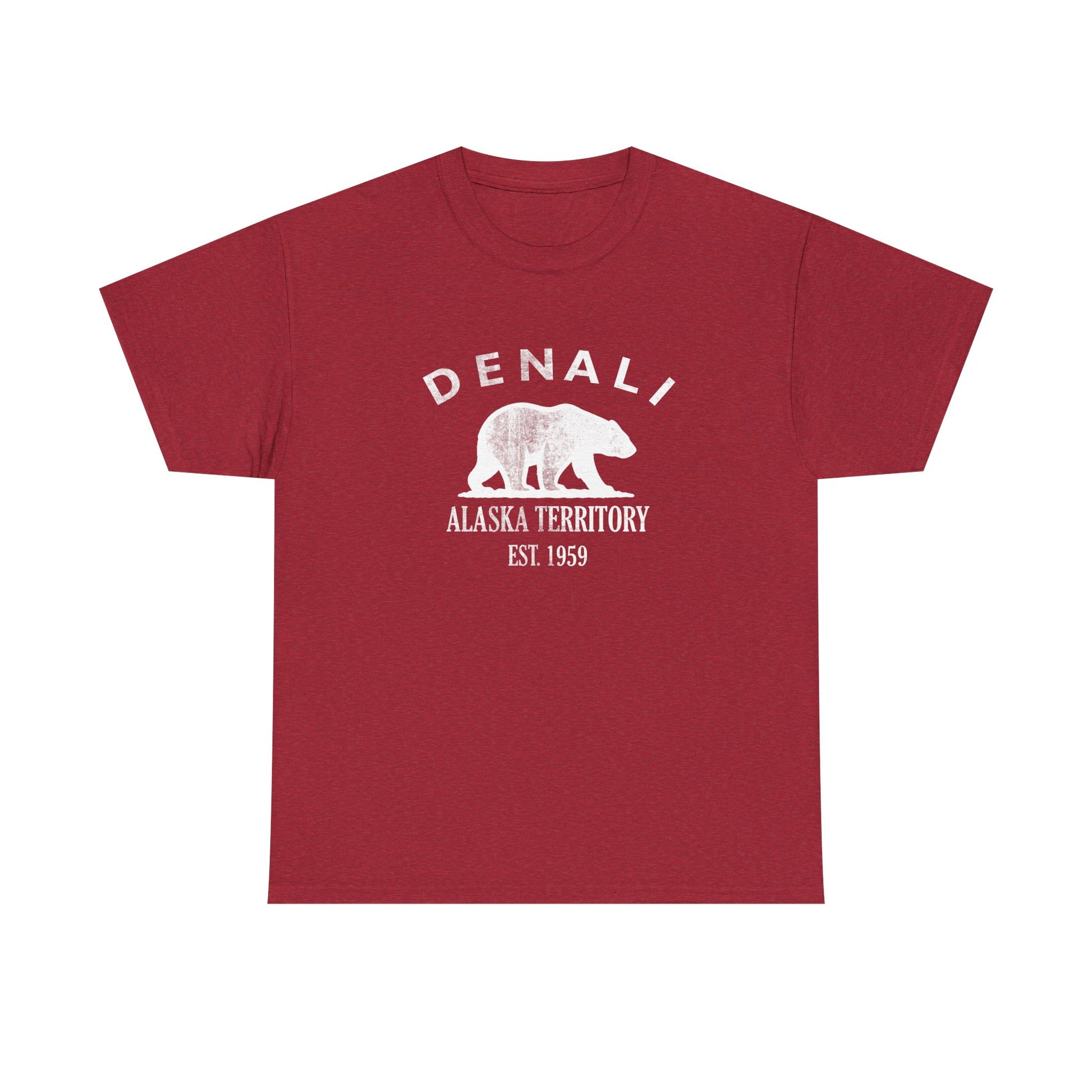
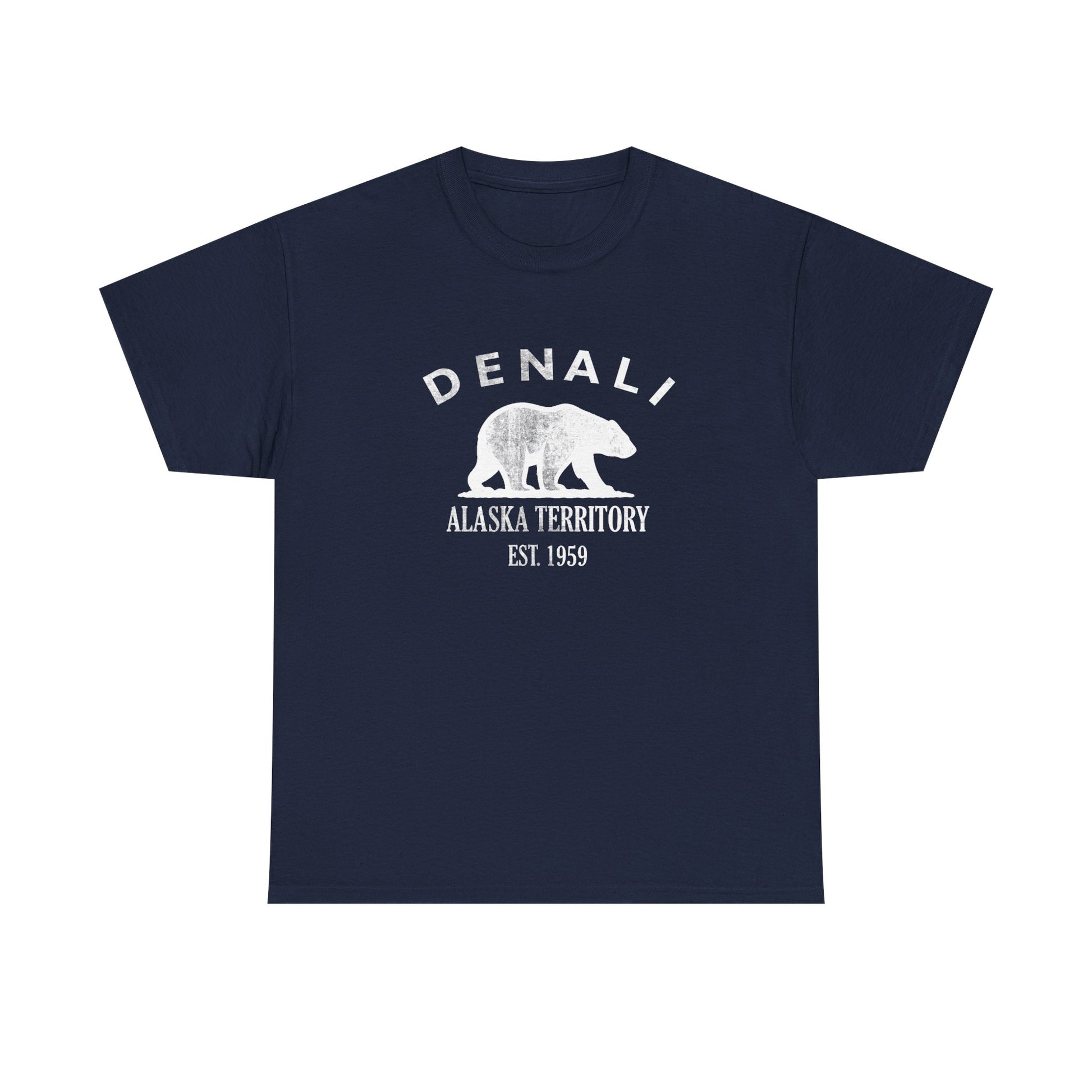
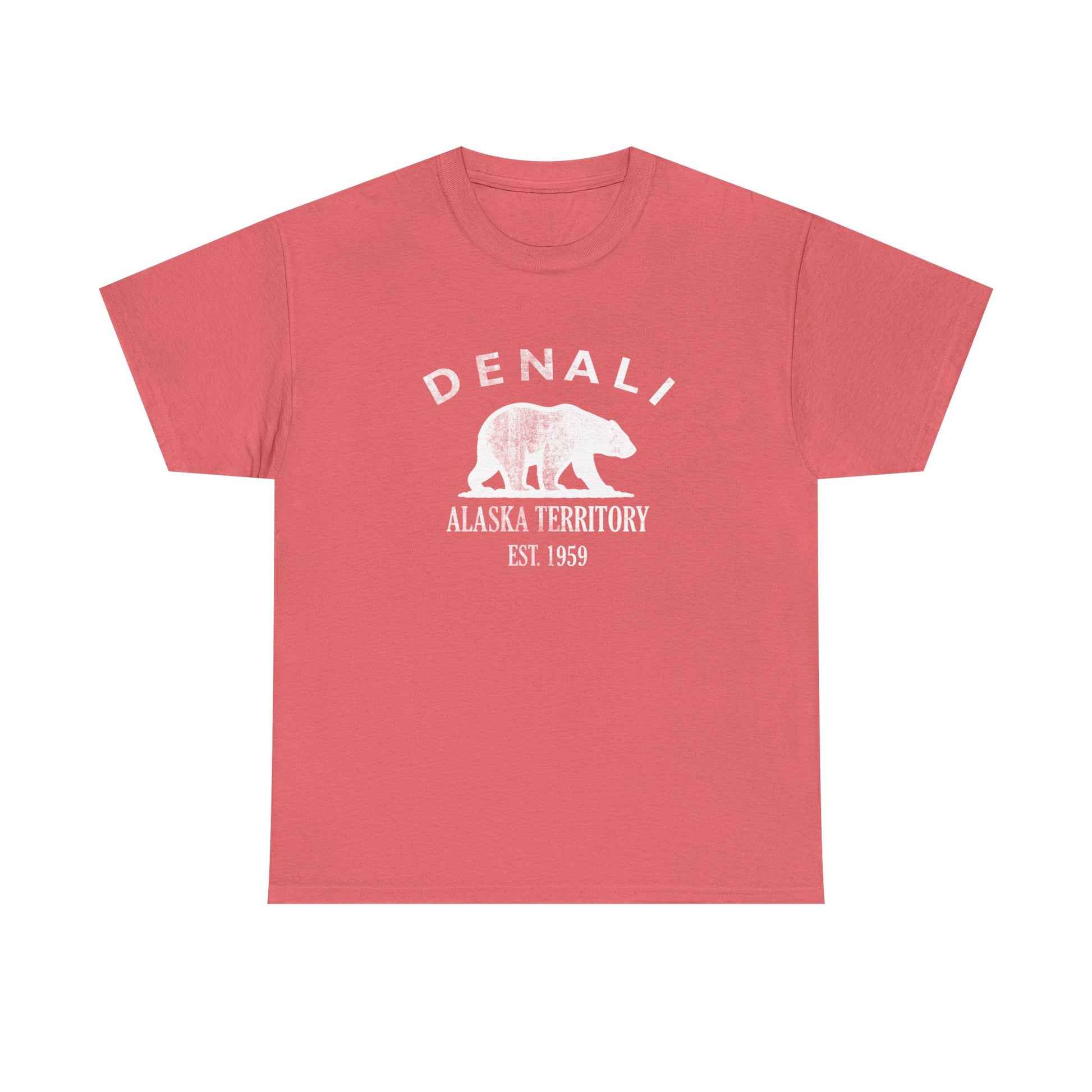
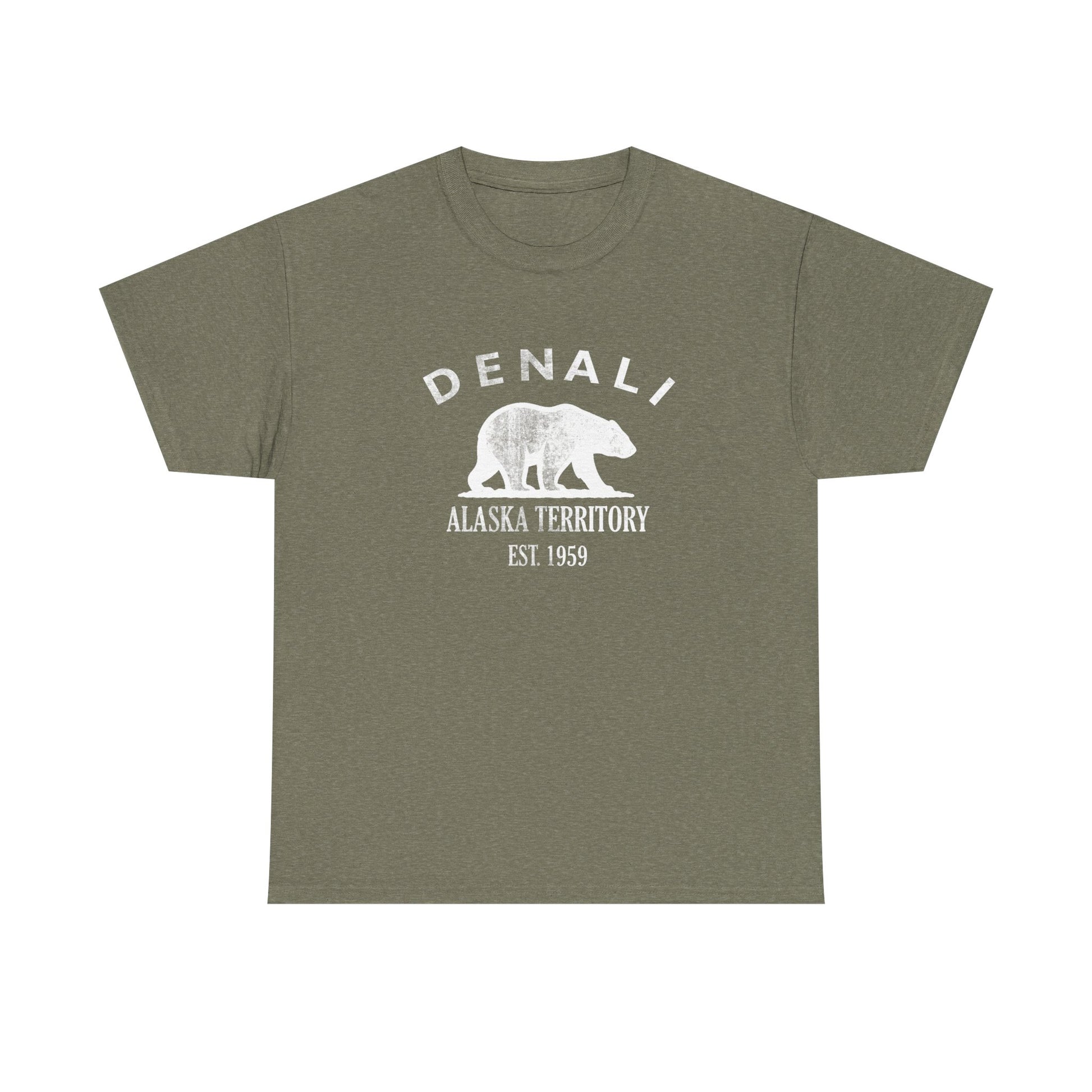
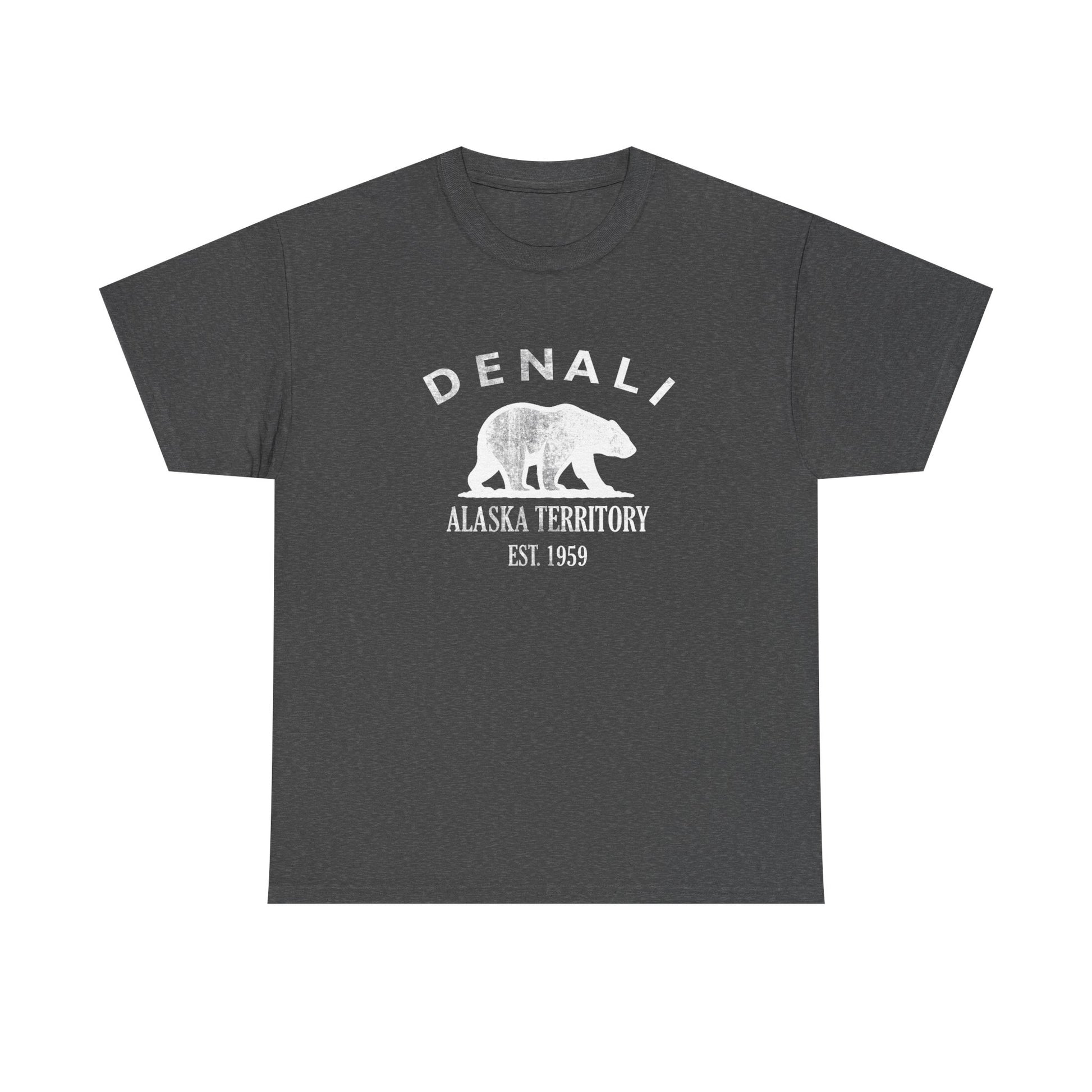
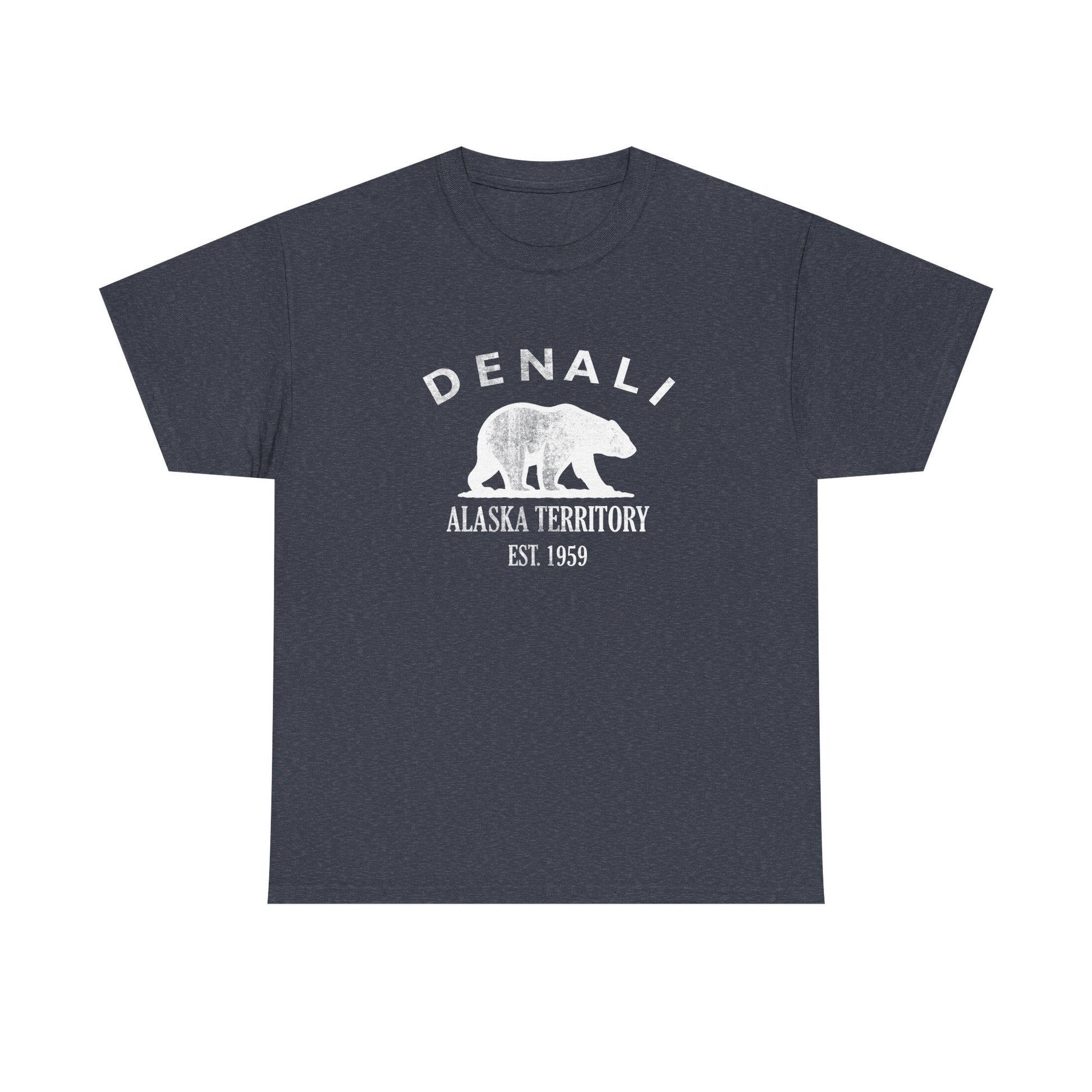
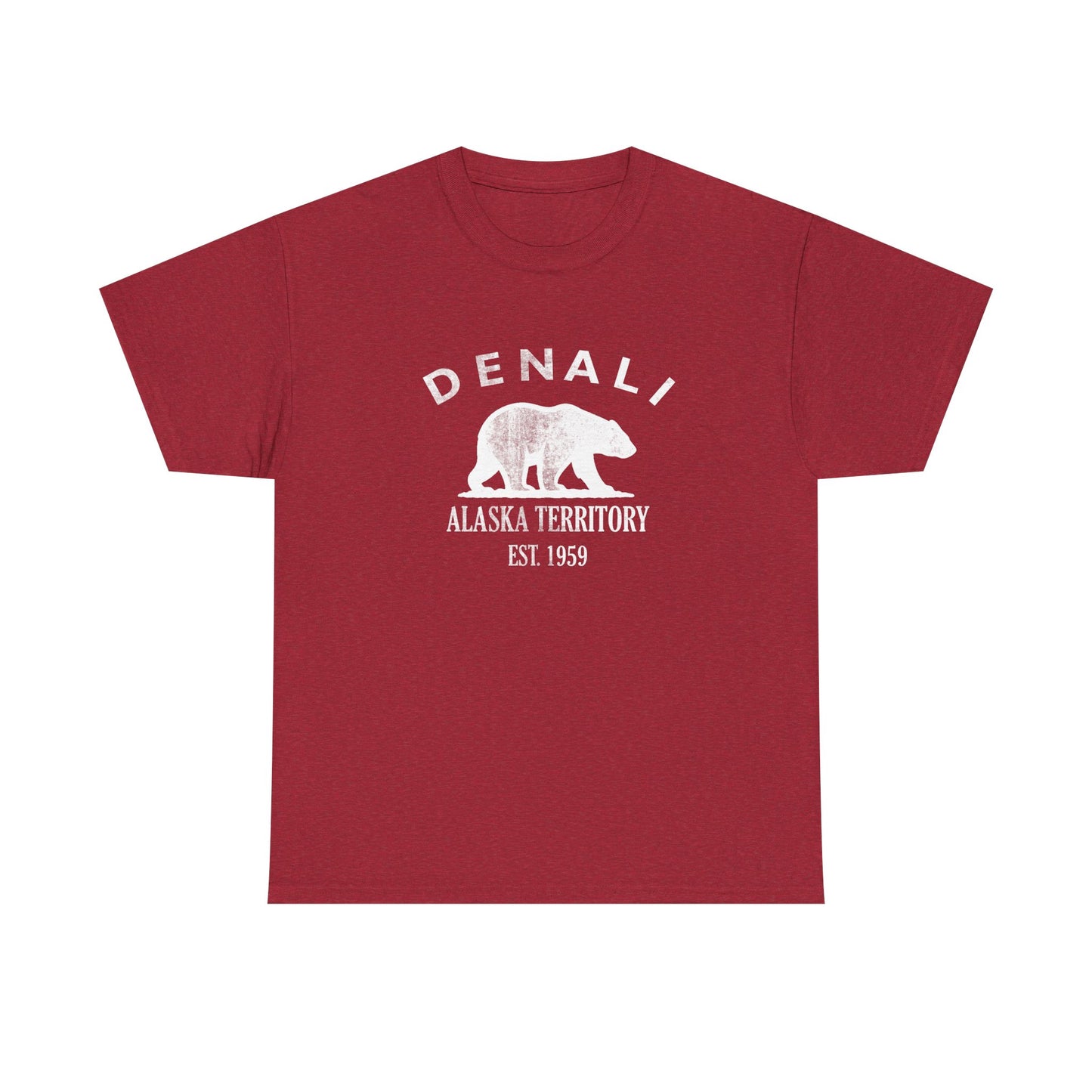
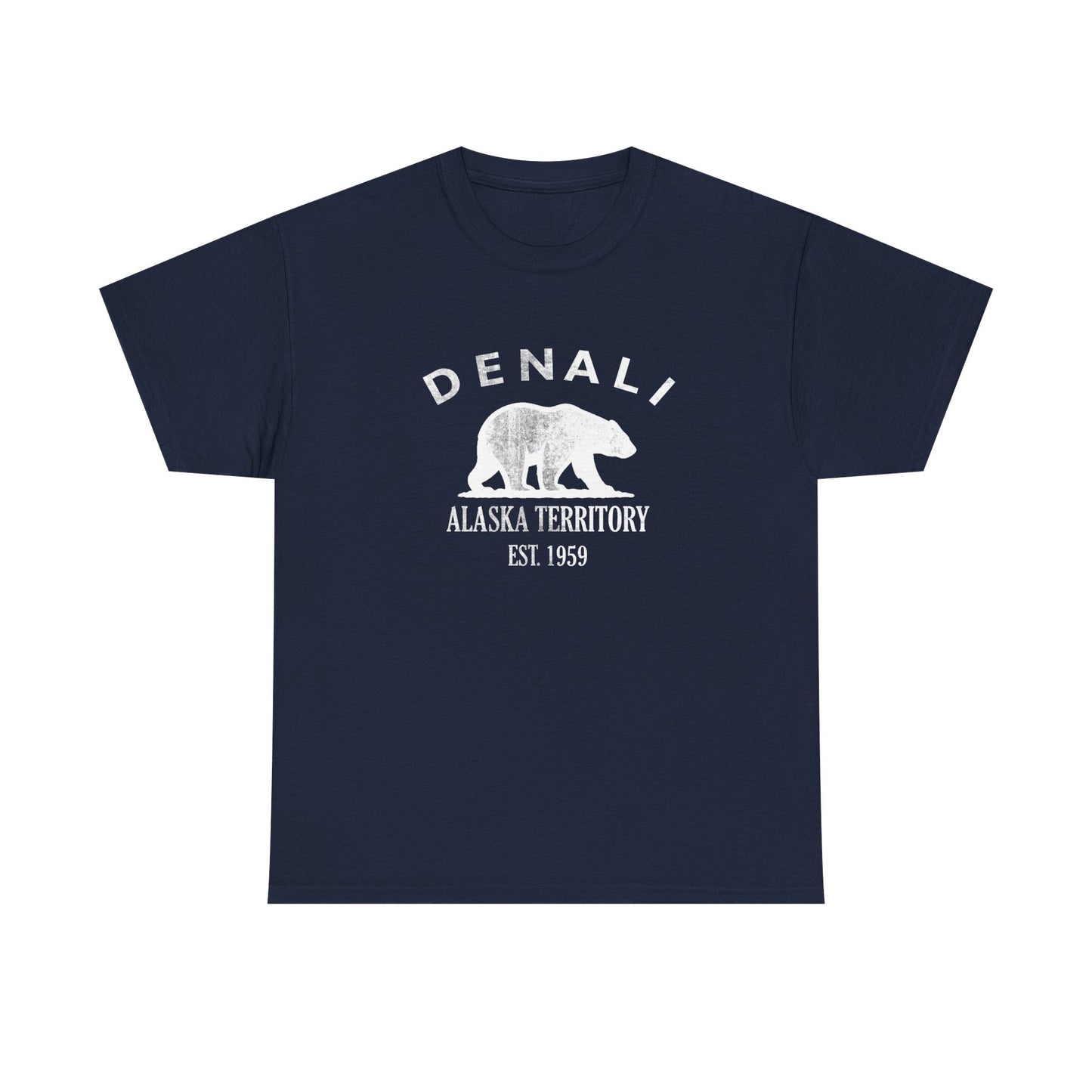
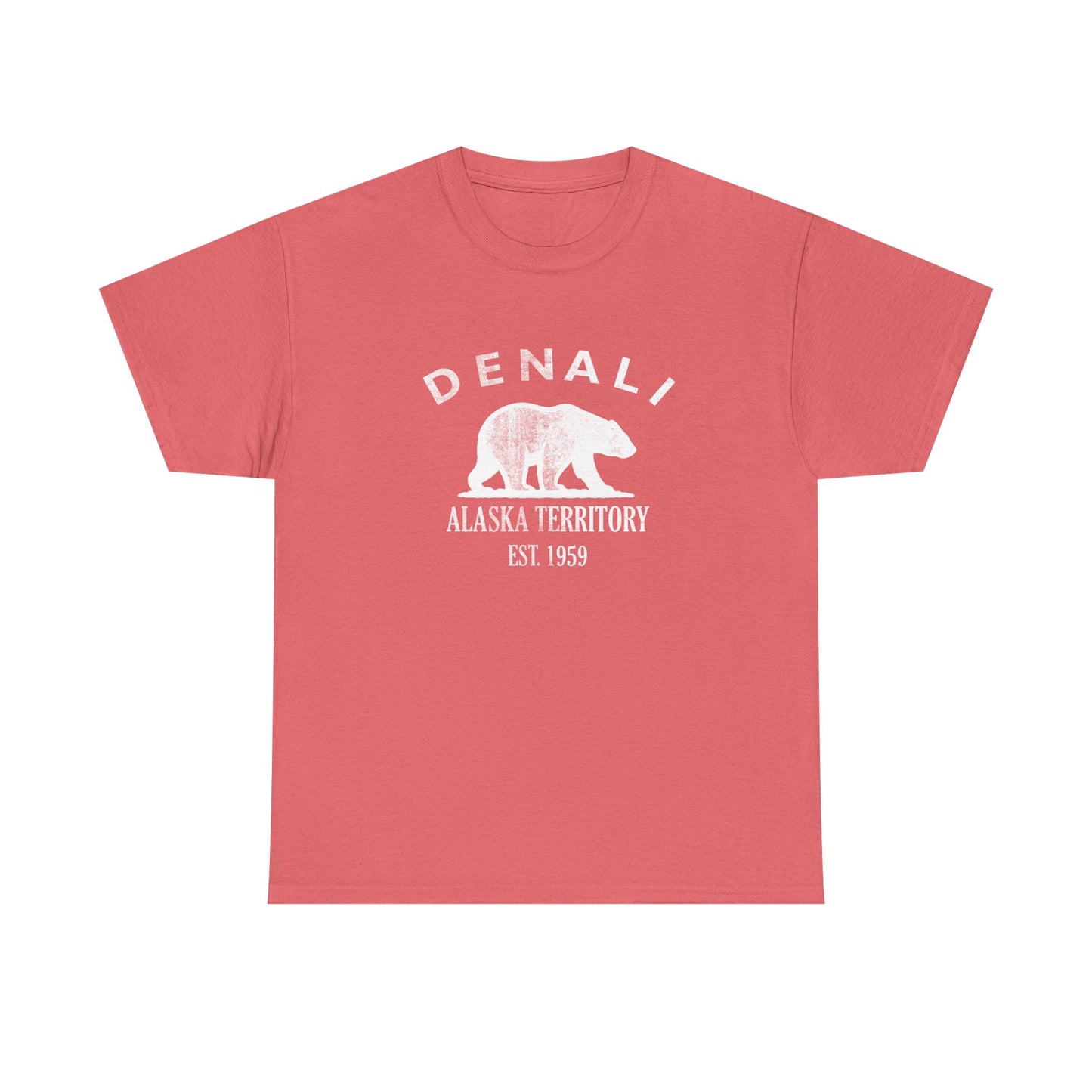
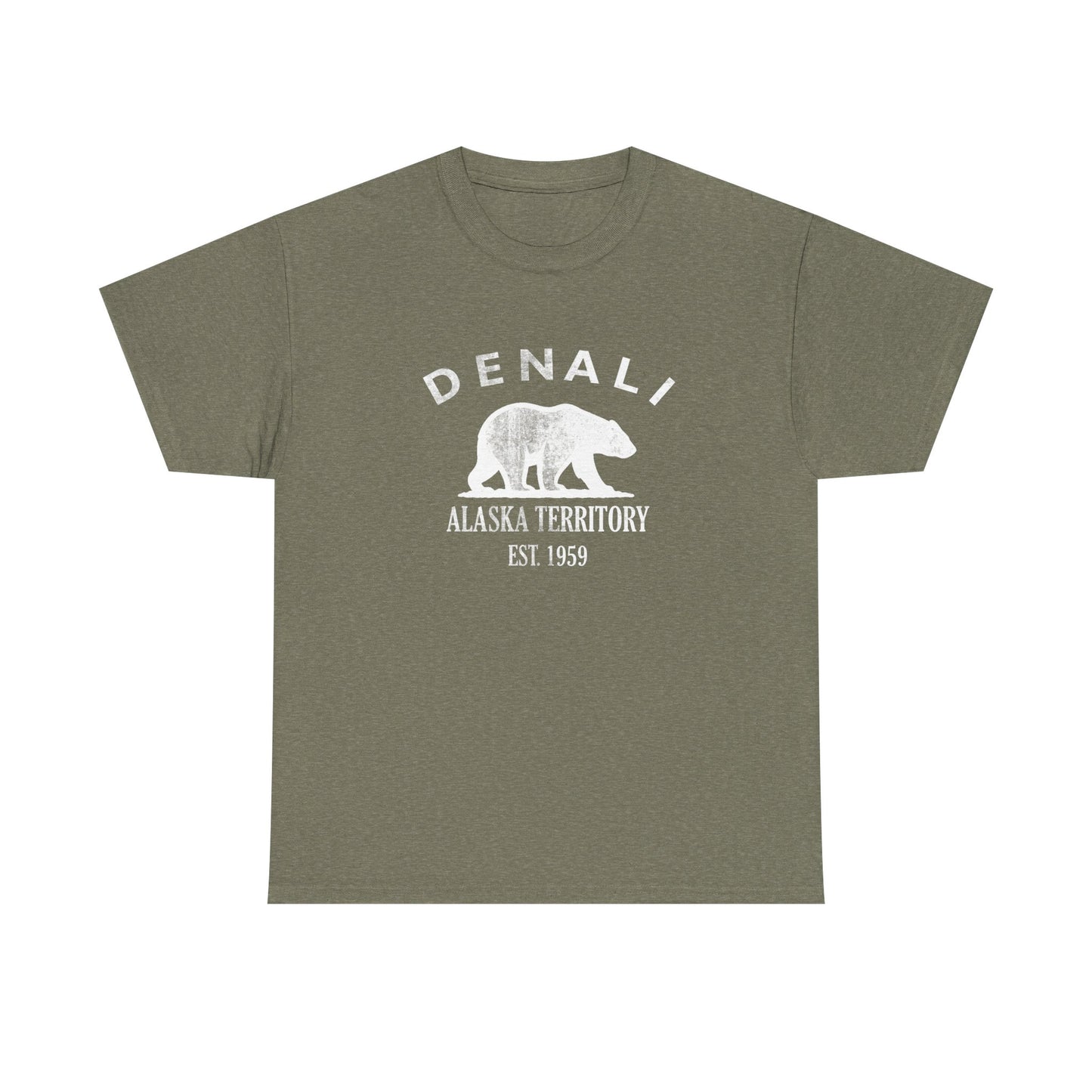
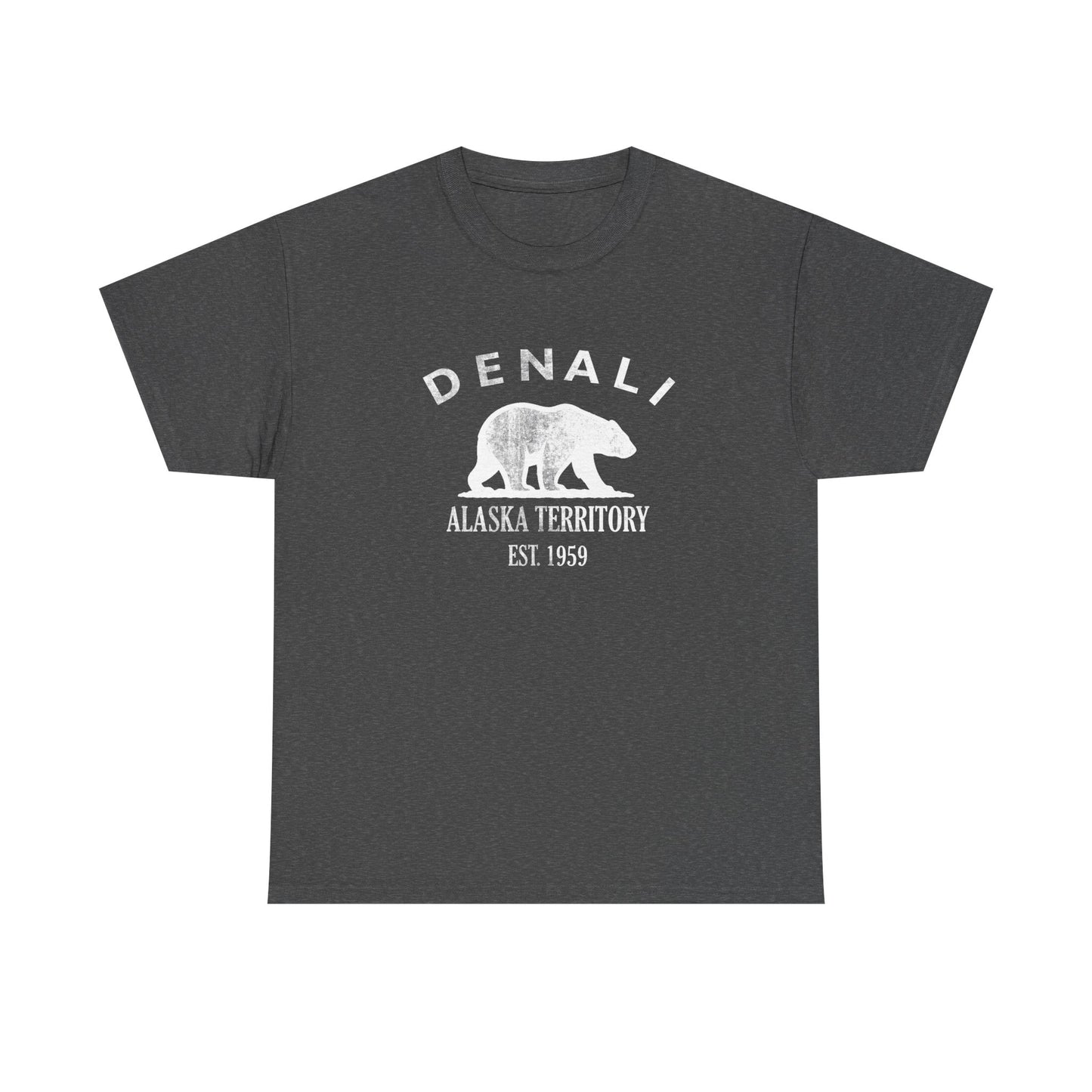
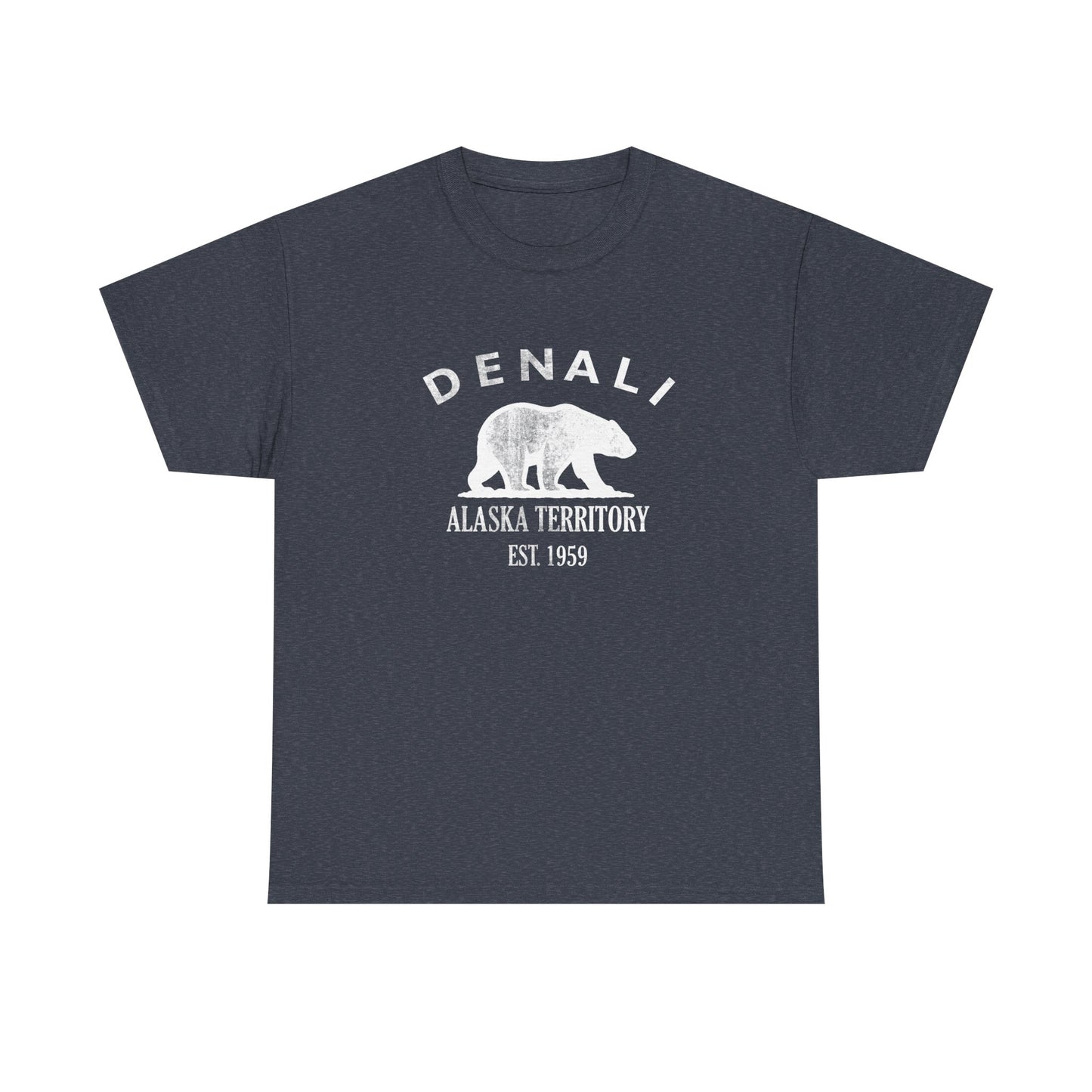
Today Denali is the gateway to the Great One — a small community at the edge of one of the world's great wild parks, where the Alaska Railroad still stops and the Park Road still runs west toward the mountain. Its story reaches from a Koyukon Athabascan homeland through a century of conservation to the national park that bears the old name once more. Our Denali designs gather that identity into wearable form — the bear-and-1959 emblem, the Great One, and the Range. Denali, Alaska: the High One on the horizon.
Why People Visit Denali
Denali offers North America's highest peak above a vast, living subarctic ecosystem — wilderness on a scale that is genuinely humbling. Visitors come for the Great One, the wildlife, and the Park Road, and stay for the quiet hikes, the railroad journey, and the immense scenery of the Alaska Range. From the gateway lodges to the tundra at the end of the road, it rewards both a quick stop and a long stay. It is immense, wild, and unforgettable in every season.
